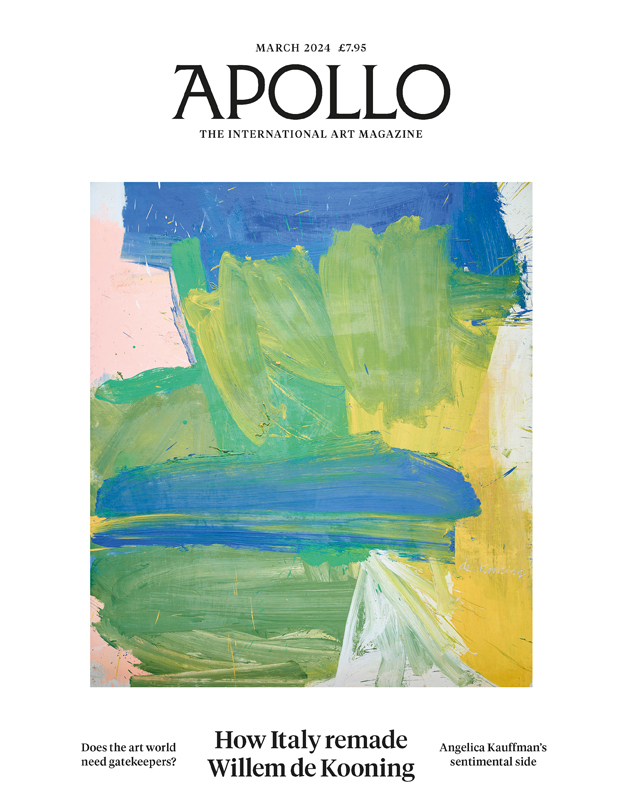
Apollo Magazine(February 25, 2024): The new March 2024 issue features ‘How Italy remade Willem de Kooning’; Does the art world need gatekeepers?; Angelica Kauffman’s sentimental side…
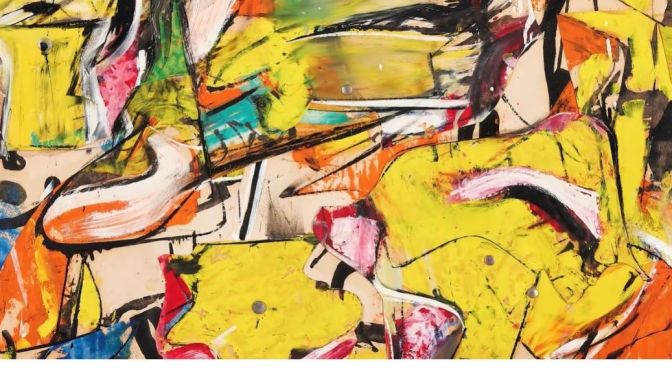
Sotheby’s – Head of contemporary Art, David Galperin reflects upon how Willem De Kooning makes the impossible possible in Collage (1950) one of De Kooning’s most pivotal abstract paintings, which has been in the private hands for more than seven decades. Undoubtedly, Collage is a key painting within De Kooning’s color abstraction series, marking the beginning of a style that would define his work for decades to come.
Willem de Kooning was a Dutch-American abstract expressionist artist. He was born in Rotterdam and moved to the United States in 1926, becoming an American citizen in 1962. In 1943, he married painter Elaine Fried.
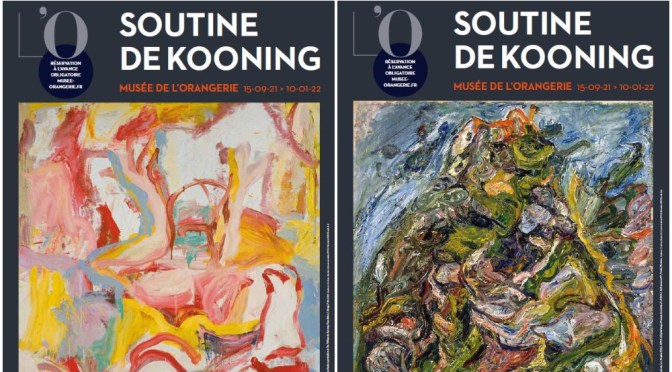
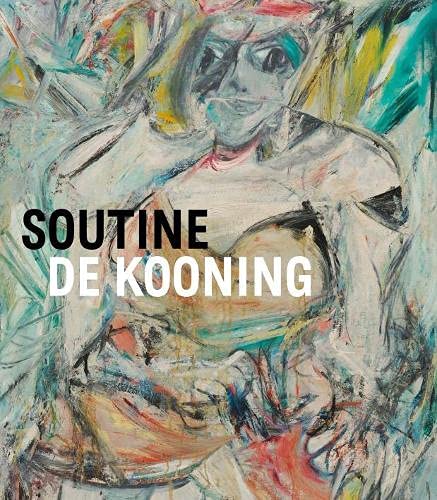
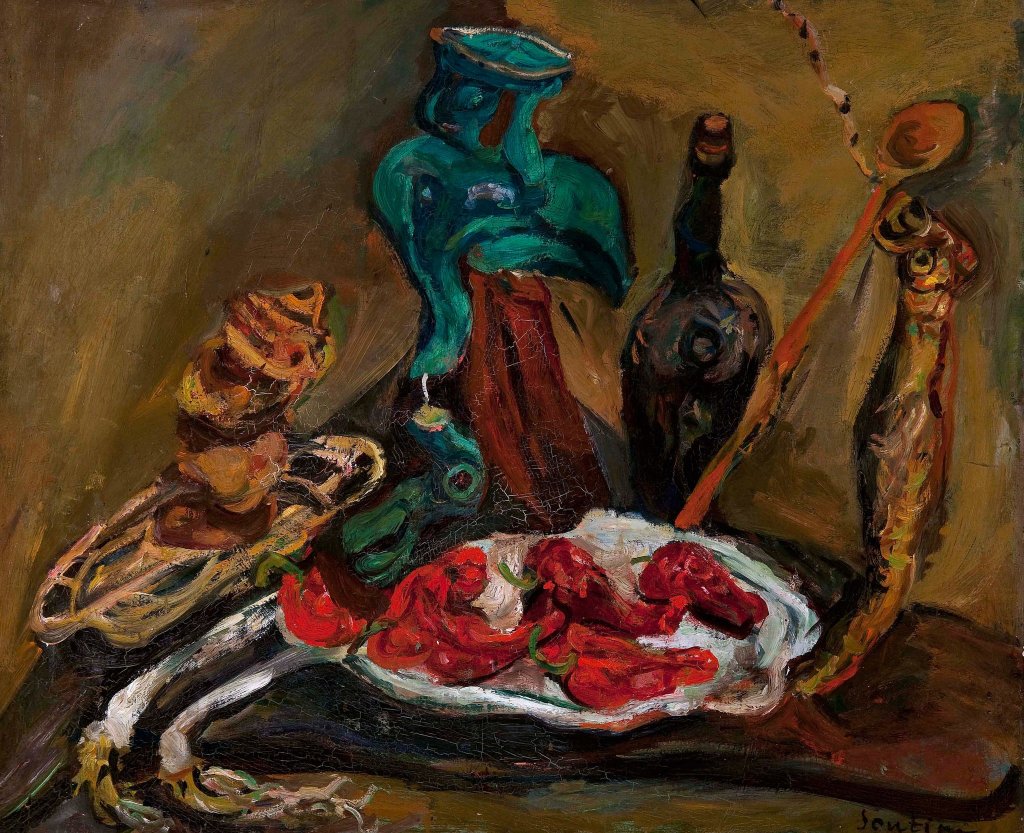
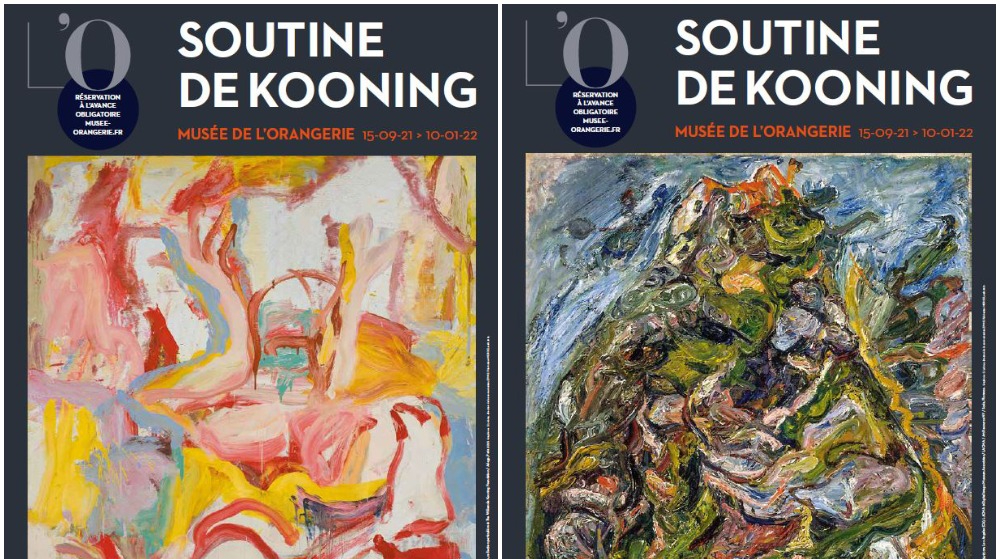
The Musée de l’Orangerie presents an exhibition bringing together the works of Chaïm Soutine (1893–1943), painter of the Paris School of Russian origin (now Belarus) and Willem de Kooning (1904-1997), abstract expressionist American of Dutch origin.
This exhibition will focus more specifically on exploring the impact of Soutine’s painting on the pictorial vision of the great American painter.
Soutine indeed marked the generation of post-war painters by the expressive force of his painting and his figure of “accursed artist”, grappling with the vicissitudes and excesses of Parisian bohemia. His work was particularly visible in the United States between the 1930s and 1950s, when the figurative artist of European tradition was re-read in the light of new artistic theories. The gestural painting and the pronounced impasto of Soutine’s canvases lead critics and curators to proclaim him a “prophet”, herald of American abstract expressionism.
It was precisely at the turn of the 1950s that Willem de Kooning began the pictorial work of Women, canvases in which a singular expressionism was built, between figuration and abstraction. The development of this new language corresponds to the moment when the painter summons the artistic universe of Chaïm Soutine and confronts it. De Kooning discovered his predecessor’s paintings in the 1930s, then at the retrospective which devoted the painter to the Museum of Modern Art in New York in 1950. He was then particularly marked by the presentation of Soutine’s paintings in the Foundation’s collections. Barnes of Philadelphia, where he visited with his wife Elaine in June 1952.
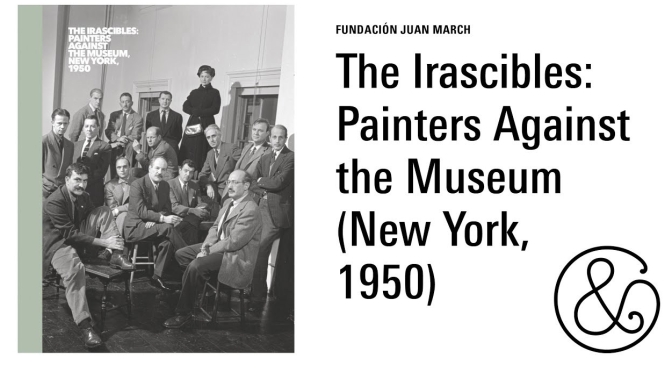
The first documentation of the legendary 1950 showdown between 18 leading abstract expressionists and the Metropolitan Museum of Art
In 1950, 18 American abstract painters signed an open letter addressed to the president of the Metropolitan Museum of Art to express their intense disapproval of the museum’s contemporaneous exhibit American Painting Today: 1950. The artists were William Baziotes, James Brooks, Fritz Bultman, Jimmy Ernst, Adolph Gottlieb, Hans Hofmann, Weldon Kees, Willem de Kooning, Robert Motherwell, Barnett Newman, Jackson Pollock, Richard Pousette-Dart, Ad Reinhardt, Mark Rothko, Theodoros Stamos, Hedda Sterne, Clyfford Still and Bradley Walker Tomlin.
This artistic coalition, which included many members of the New York School and is now considered a watershed movement in mid-20th-century American art history, challenged the museum’s policies for their narrow understanding of what made certain art worth exhibiting. Though they resisted being labeled as a collective, media coverage of the museum boycott, which included a now-famous group portrait in Life magazine taken by photographer Nina Leen, ultimately contributed to the success of the 18 “irascibles” in what became known as the abstract expressionist movement.
This publication collects 18 paintings by the artists, images from Leen’s photoshoot and extensive documentation of the letter-writing process with relevant catalogs and magazines. Featuring more than 230 illustrations alongside original essays by several art historians and curators that examine the complex history of the New York School, this volume serves as a time capsule of the exciting period of early abstract expressionism in the United States.




 Boomers Daily