BBC Earth – Arctic Siberia’s Nomadic Nenets herders have migrated with reindeer for generations. Reindeer were among the last animals domesticated by humans.
According to the Nenets legend, the humans promised the reindeer that they would protect them on their long migration from the mainland to the seashores as long as the reindeer provide humans with all their needs, including milk, fat, meat, bones, horns, and skins. The nomadic reindeer herders reside in the taiga forests of the Russian tundra and northern Mongolia.
CBS Sunday Morning – We leave you this Sunday morning with moose grazing on the shores of Killarney Lake, near Coeur d’Alene, Idaho. Videographer: Hank Heusinkveld.
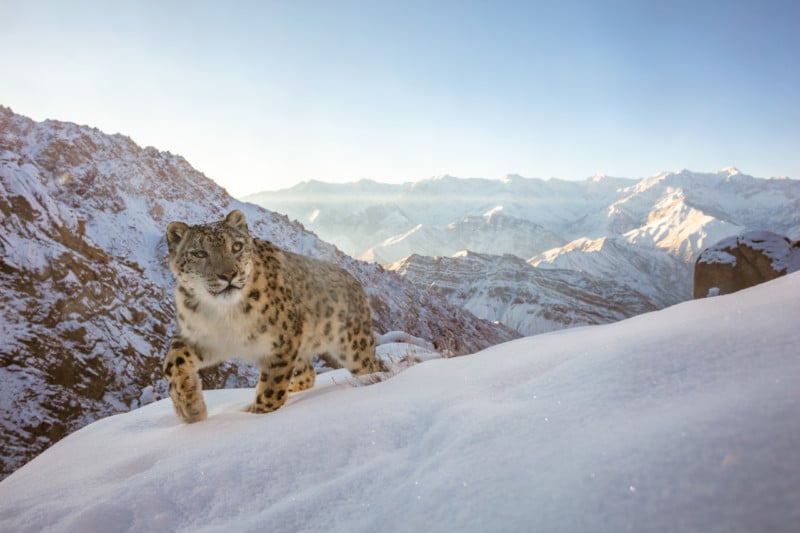
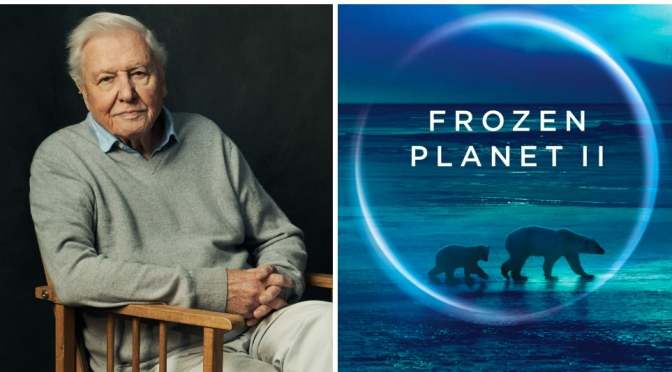
Frozen Planet II (2022): This six-part series – narrated by Sir David Attenborough – explores the wildlife found in the world’s coldest regions: the Arctic and Antarctic, high mountains, frozen deserts, snowbound forests, and ice-cold oceans. From polar bears to penguins, and from snow monkeys to Siberian tigers, each species must overcome a unique set of challenges to endure its extreme environment.
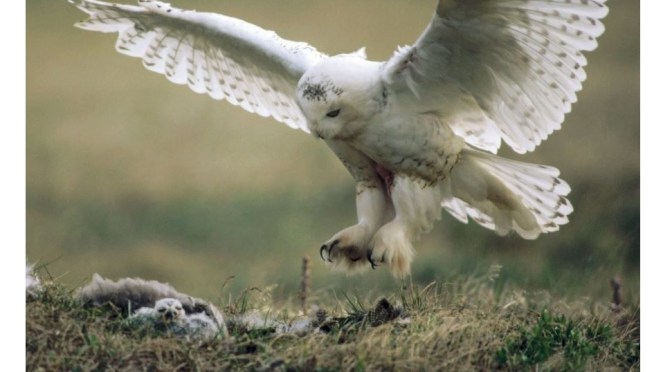
These Alaskan snowy owl chicks need to triple their weight before reaching independence, meaning their parents must hunt 30 lemmings per day for them to eat!
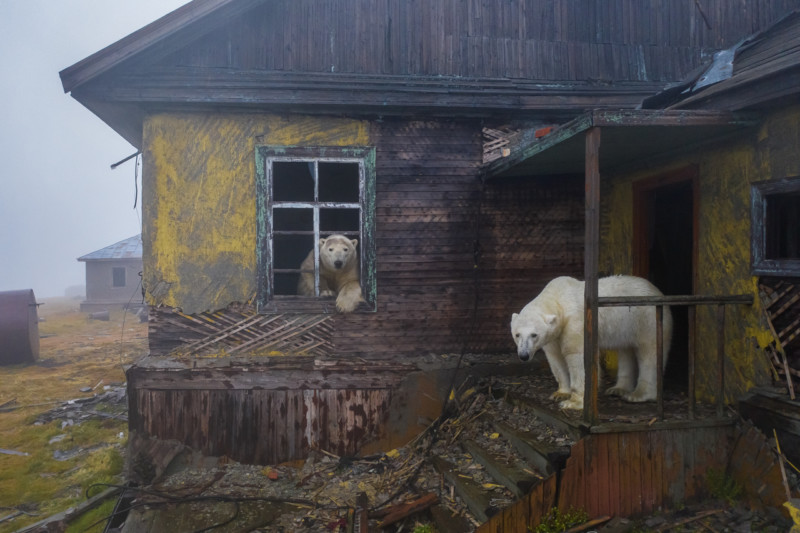
From bees hunting for a mate to a giant sea star procreating, these incredible images are some of the winners in the prestigious wildlife photography competition.
We spoke to three photographers, who tell the stories behind their award-winning images at this year’s Wildlife Photographer of the Year photographic competition, and why biodiversity and climate change are top of the agenda. Wildlife Photographer of the Year is developed and produced by the Natural History Museum, London.
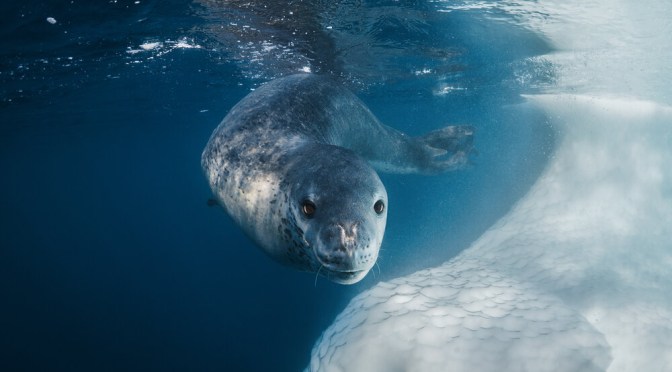
Take a peek behind the scenes of Frozen Planet 2 as the team battle conditions to film the hunting behaviours of leopard seals. The extreme cold and icy weather weren’t the only factors the team had to deal with, as some leopard seals got a little bit too curious for the crew’s liking…
The leopard seal, also referred to as the sea leopard, is the second largest species of seal in the Antarctic. Its only natural predator is the orca. It feeds on a wide range of prey including cephalopods, other pinnipeds, krill, birds, fish and penguins. It is the only species in the genus Hydrurga.
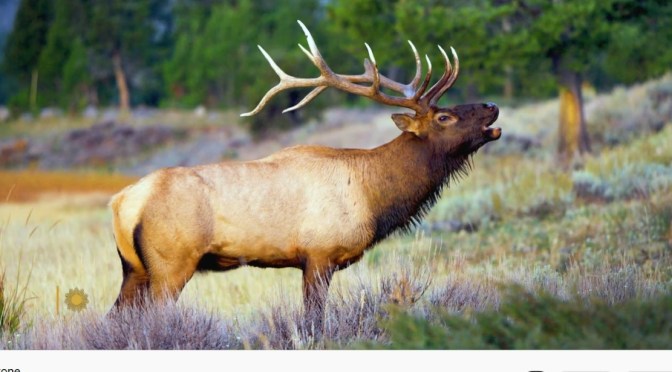
“Sunday Morning” leaves us this morning with elk bugling at Yellowstone National Park. Videographer: Doug Jensen.
Yellowstone’s autumn is defined in many ways-frost on morning grass, color creeping into shimmering aspen leaves, ice rimming mountain ponds. There are sights and smells to a Yellowstone autumn, elements that, if you’ve visited here many times, become as familiar as old friends. But nothing etches the lens through which we see fall as much as the rut of the elk, Cervus alaphus. The reason for this is almost entirely auditory.
The Sound of a Bull Elk in Autumn
If you’ve never heard the bugle of the bull elk during the fall rutting period, you are in for an experience that is at once thrilling and haunting. The sound of a bull elk bugling is something that draws many visitors to Yellowstone each autumn, for it is an experience as memorable as anything you are likely to have in the park. In most cases, the bugle starts low and throaty, rising to a high whistle, then dropping to a grunt or a series of grunts. It’s a sound that is difficult for the human alphabet to imitate, a guttural bellow, a shrill pitch, and a hollow grunting. A-a-a-a-a-a-a-a-eeeeeeeeeeeeee-oh. Ee-uh. Ee-uh. Ee-uh. It’s an odd combination that, like the buzz of your first rattlesnake, you’ll never forget.
News, Views and Reviews For The Intellectually Curious





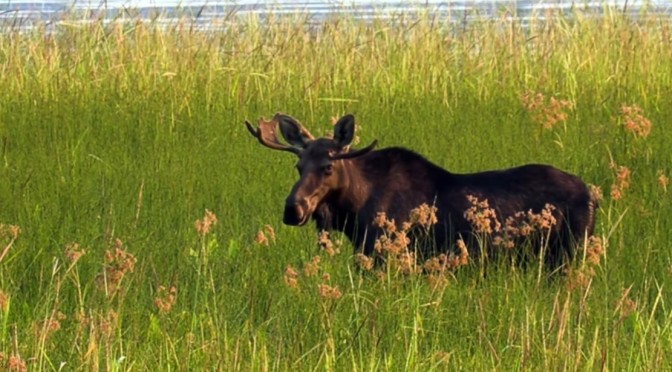
 CBS Sunday Morning – We leave you this Sunday morning with moose grazing on the shores of Killarney Lake, near Coeur d’Alene, Idaho. Videographer: Hank Heusinkveld.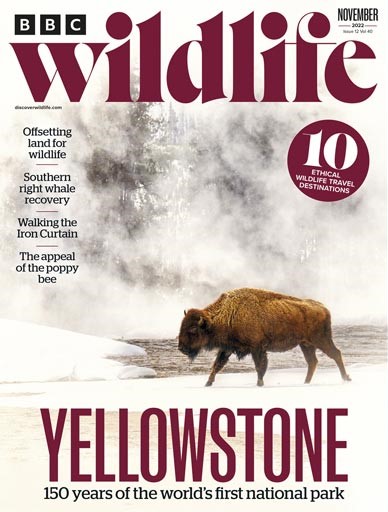

 Boomers Daily