Filmed produced by: Cooper Davis, Jared Reasy, Jake Kelly and Pete Burr
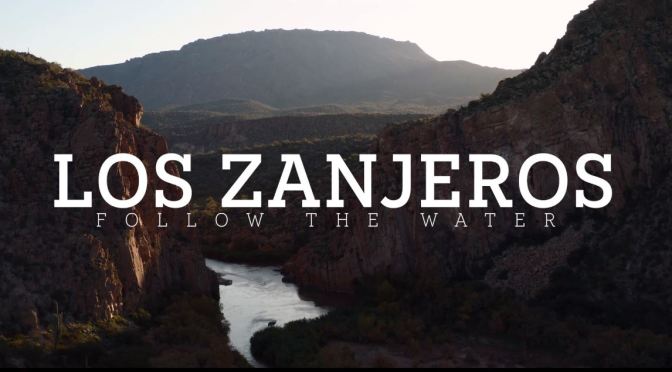
4 Brophy faculty members and native Phoenicians followed the Salt River via bicycle from its source to their faucets to better understand the history of water in Arizona and how to protect and advocate for its future.
If you are sick with COVID-19 or suspect you are infected with the virus that causes COVID-19, follow the steps below to help prevent the disease from spreading to people in your home and community.
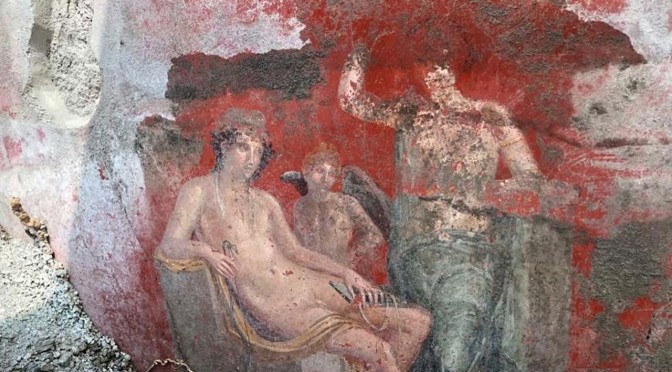
When Mount Vesuvius erupted in 79 CE, it buried Pompeii, Herculaneum, and the surrounding settlements under nearly 20 feet of volcanic ash and pumice. Pliny the Elder, a Roman writer, documented his eyewitness account of the disaster, supporting the archaeological evidence uncovered there in the last two centuries.
This Great Lecture reviews how these buried cities and their exploration have had a lasting impact on European and American culture. C. Brian Rose, Ph.D., Curator-in-Charge, Mediterranean Section, Penn Museum; Immediate Past President, Archaeological Institute of America; Trustee, American Academy in Rome
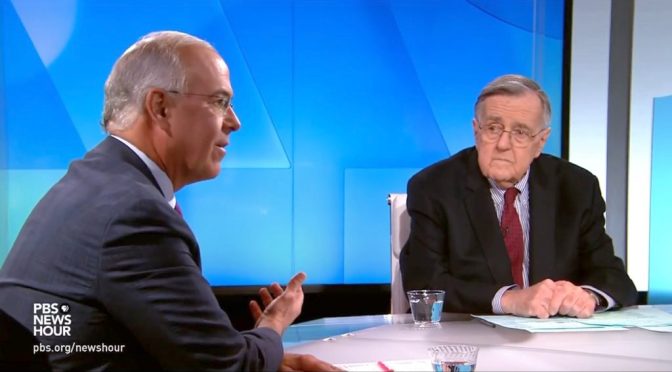
Syndicated columnist Mark Shields and New York Times columnist David Brooks join Judy Woodruff to discuss the week’s political news, including the unique magnitude of the novel coronavirus pandemic, how President Trump is handling the crisis, what the government should do to reassure fearful Americans, and how the outbreak might affect the 2020 Democratic presidential primary race.
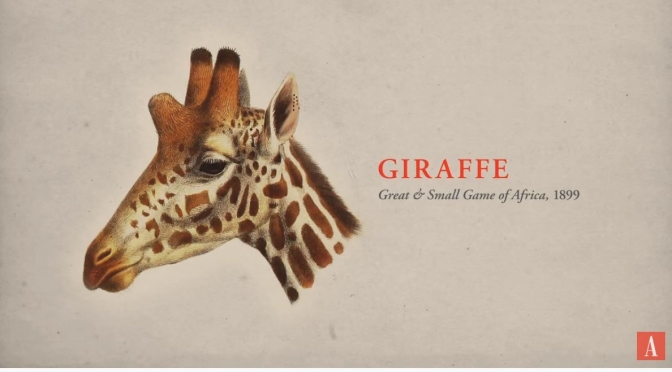
Since time immemorial, giraffes have captivated the human imagination. Yet the total giraffe population has fallen 30 percent in the past few decades, and very few people have seemed to notice. “Giraffes are all over the place in popular culture,” says the Atlantic staff writer Ed Yong. “I think because of that, we forget that, actually, they are endangered.” In a new episode of The Idea File, Yong explains why it’s crucial to channel our reverence for these beloved animals into tangible conservation efforts.
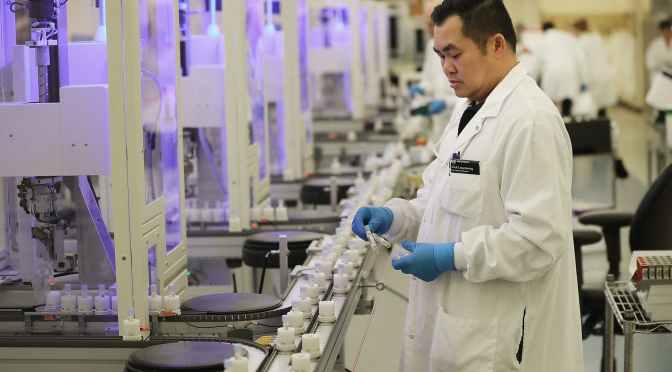
Dr. Matthew Binnicker oversees Mayo Clinic’s laboratory response in developing a test to detect COVID-19 in clinical samples. A process that usually takes six months to a year, was accomplished in under a month, thanks to a dedicated team working around the clock. The test should help ease the burden currently being felt at the Centers for Disease Control & Prevention and state health labs. That will also mean faster turnaround times for results. Patients can expect results within 24 hours of when samples are collected and sent to Mayo Clinic Laboratories. Initially, Dr. Binnicker says the laboratory has the capacity to run between 200-300 tests daily. Additional equipment has been ordered to double that capacity in the coming weeks.
The kingdom of Bhutan — wedged like a hanging Garden of Babylon in the mighty eastern Himalayas — is the new frontier in the world of Enduro mountain biking. The arrival of the sport has been late but timely, as it enables riders to traverse the numerous ancient trails that make up an intricate web of pathways and dirt paths that dot and connect the kingdom’s diverse twenty districts, providing a backdrop for a ride in what is easily one of the world’s most pristine landscapes.
When is elbow pain an emergency? Can the elbow joint be replaced? What’s that weird feeling when you hit your funny bone? Orthopedic Surgeon, William Seitz Jr., MD, sits down to answer these questions and more.






 Boomers Daily