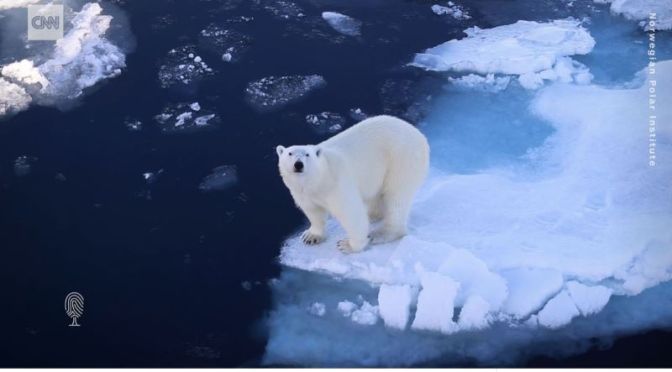
Every morning, Jon Aars, a senior researcher at the Norwegian Polar Institute, receives a batch of emails from several female polar bears in the High Arctic, checking in and letting him know where they are. “It’s always a nice way to start the day,” he says.
This was shot as part of Call to Earth, for CNN International.
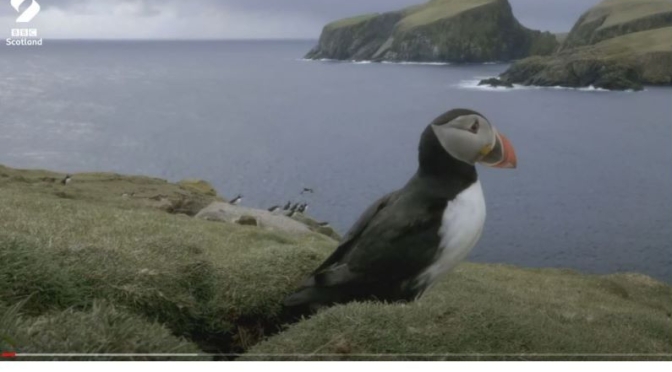
This young puffin is ready to breed – but he has to find a mate first. After securing an empty burrow, he hopes a nearby female will show interest.
An oceanic bird, puffins are summer visitors that arrive to nest between late March and early April in the vast coastal clifftop colonies. … Found in extensive cliff top colonies around the coasts of Scotland from Galloway to Wick, on the islands and along the eastern cliffs from North Berwick to Berwick-on-Tweed.
Between 1870 and 1973, the entire polar bear population of Svalbard was almost eradicated through hunting—almost 30,000 were killed. Today, polar bear numbers are climbing, but they face a new threat: climate change. And with the Arctic warming at a rate that’s twice as fast as elsewhere, the situation is becoming critical.
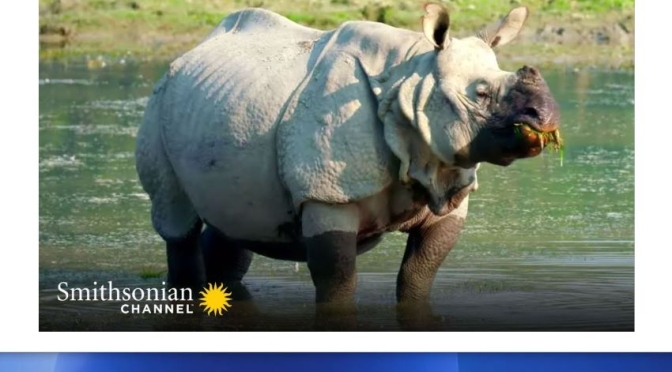
The greater one-horned rhino is one of the most vulnerable animals in India – today, only 3,500 remain in the wild, spread out in isolated pockets from Nepal to the Myanmar border.
The Indian rhinoceros, also called the Indian rhino, greater one-horned rhinoceros or great Indian rhinoceros, is a rhinoceros species native to the Indian subcontinent. It is listed as Vulnerable on the IUCN Red List, as populations are fragmented and restricted to less than 20,000 km².
Southern Spain: home to distinctive landscapes, extreme climates, and a unique species of wildcat. The Iberian lynx is smaller than its European cousin and has evolved to survive almost exclusively by hunting wild rabbits.
Yet this unvaried diet is what drove the Iberian lynx to the brink of extinction during the 20th century. We introduce the breeding and conservation programs that have helped the wildcat make a remarkable recovery, and take a look at the threats the endangered species still faces today.
The Iberian lynx is a wild cat species endemic to the Iberian Peninsula in southwestern Europe. It is listed as Endangered on the IUCN Red List.
The Sierra Morena is one of the main systems of mountain ranges in Spain. It stretches for 450 kilometres from east to west across the south of the Iberian Peninsula, forming the southern border of the Meseta Central plateau and providing the watershed between the valleys of the Guadiana to the north and the west, and the Guadalquivir to the south.
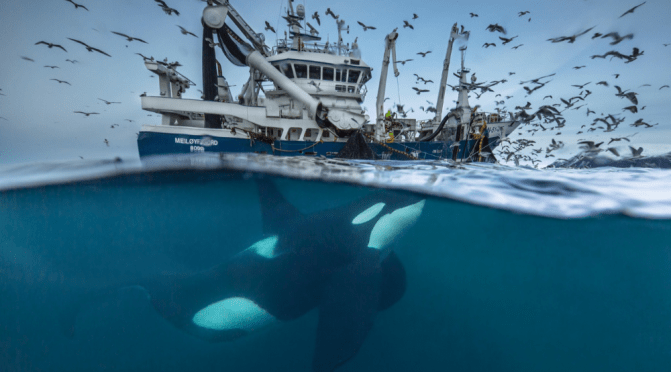
Didier Noirot is known as one of the world’s greatest underwater cameramen and has several prestigious awards for his natural history film camerawork. Over the past 40 years, Didier has been driven by his passion for marine life, but now he’s set himself a new challenge, to film what is perhaps the largest known gathering of marine mammals in the world; hundreds of killer whales in pursuit of shoals of herring. Today, these killer whales are faced with unexpected competition from humpback whales, who began appearing in this Arctic region only a few years ago, driven by a lack of food resources in the Atlantic Ocean, their natural habitat. In the midst of this changing ecosystem, we journey to the heart of the Norwegian fjords, where Didier Noirot’s aim is to take us as close as we can get to these giants of the Arctic so we can witness first-hand their new behaviour and hunting activity, which has never been captured on film before.
The destructive wildfires that swept through Australia destroyed the habitats for many of the island’s animals. Zoologist Jack Randall explores the efforts being made to rescue and care for the Koalas that were impacted by the wildfires.
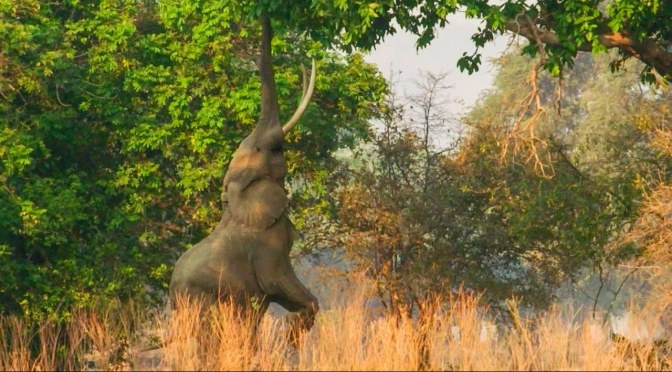
Relax with a day in the life of the animals of Mana Pools, Zimbabwe. From dawn until dusk, the park is buzzing with activity in the trees, on the plains and at the watering holes.
News, Views and Reviews For The Intellectually Curious





 Boomers Daily