
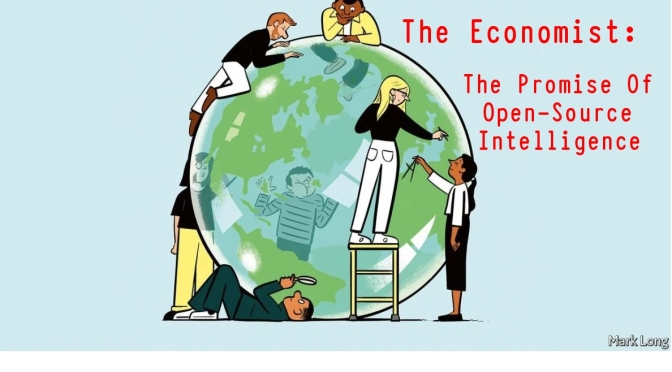
A selection of three essential articles read aloud from the latest issue of The Economist. This week, open-source intelligence comes of age, why regulators should treat stablecoins like banks (10:50) and how predicting viral evolution may let vaccines be prepared in advance (17:00).
Tag Archives: The Economist Podcasts

Morning News: Taliban Surge In Afghanistan, Singapore & Chewing Gum
Sweeping rural gains made as American forces have slipped out are now giving way to bids for urban areas; an enormous, symbolic victory for the insurgents looms.
Singapore has enjoyed relative racial harmony for decades, but shocking recent events have revealed persistent inequalities. And why chewing gum has lost its cool.

Morning News: What A 3° Warmer World Looks Like, Sudan & Liverpool Let Go
It seems ever more certain that global temperatures will sail past limits set in the Paris Agreement. We examine what a world warmed by 3°C would—or will—look like.
Our correspondent speaks with Sudan’s three most powerful men; will they act in concert or in conflict on the way to democracy? And why Liverpool has been booted from UNESCO’s world-heritage list
Morning News: China Cyber Hack Rebuke, Africa Space Race, Mice Plague
The European Union, NATO and the “Five Eyes” intelligence partners have all joined America in accusing China’s government of involvement in hacking campaigns. Now what?
Away from the spectacle of billionaires’ race to the heavens, many African countries are establishing space programmes—with serious innovation and investment opportunities on the ground. And why Australia is suffering from a plague of mice.
Podcast: World Economy Fault Lines, Afghanistan Abandoned, Publishing
A selection of three essential articles read aloud from the latest issue of The Economist. This week, the new fault lines in the world economy, the catastrophic consequences of America abandoning Afghanistan (10:28) and how Mills & Boon, a famed publisher of romantic novels, wants to diversify its hero base (17:30)
Morning News: America’s Afghanistan Exit, Media Companies & Race Horses
Passport queues are lengthening; ad-hoc civilian militias are strengthening. As foreign powers bow out, Taliban militants take district after district—and the fear of the people is palpable.
The pandemic drove a boom in the attention economy, and media companies happily obliged. Now, it seems, an “attention recession” looms. And a look at the thoroughly inbred nature of thoroughbred horses.

Morning News: Covid-19 Delta Variant, Ethiopian Conflict, 4th of July Films
The coronavirus’s Delta variant accounts for ever more infections; we ask about mutational surprises yet to emerge, and what can be done about them.
The ousting of Ethiopia’s army from the Tigray region might precipitate far wider conflict—within the country and far beyond its borders. And ahead of the Fourth of July, we find no good films about the holiday.
Morning News: Military Issues With Russia, South Korea Politics, Haircuts
As both summitry and military near-misses proliferate, some want measured dialogue while others want markedly tougher talk. Our defence and Russia editors discuss world leaders’ diverging views on handling today’s Russia.
South Korea’s new opposition leader is giving voice to many young men who rail against the country’s feminist values. And what lies behind professional footballers’ frequent, flashy haircuts.
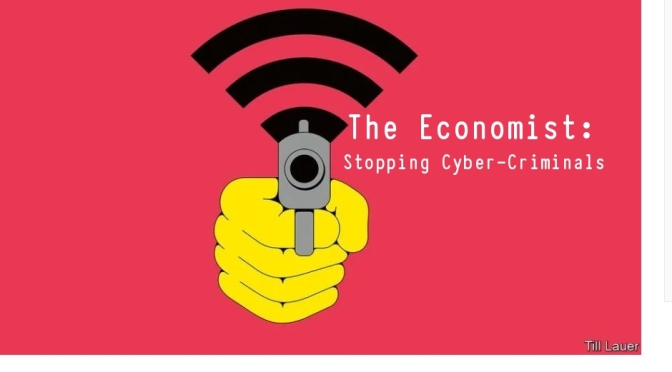
Political Analysis: How To Stop Ransomware, U.S. -Russia & Working At Home
A selection of three essential articles read aloud from the latest issue of The Economist. This week: how to stop the ransomware pandemic, America and Russia return to traditional great-power diplomacy (10:15) and picking the best days to work from home (19:20).
Morning News: Biden & Putin, Cryptocurrencies, French Property Laws
Joe Biden and Vladimir Putin have much to hammer out today—but don’t expect it to be genial. We examine what is on the table, and how each president will be judged.
Competition in the cryptocurrency world is mushrooming; we ask whether any contender might knock bitcoin off its top slot. And France’s curious sell-now, die-later property scheme.
 Boomers Daily