
Tag Archives: The Art Newspaper

Arts & Literature: The Top Nine Art Books Of 2022

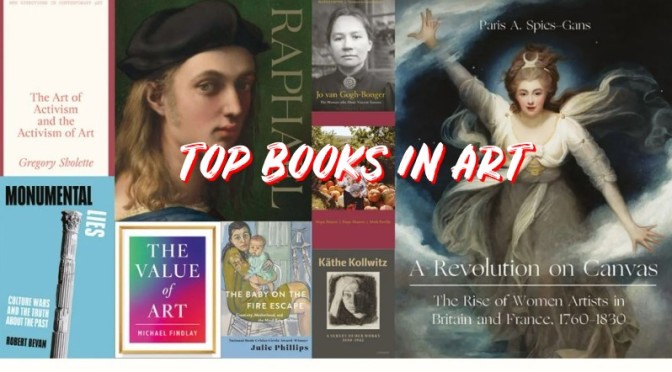
The Art Newspaper (December 6, 2022) – The books team at The Art Newspaper has waded through the piles of art tomes published this year so you don’t have too. Below, each editor has picked three publications that shone through in 2022.

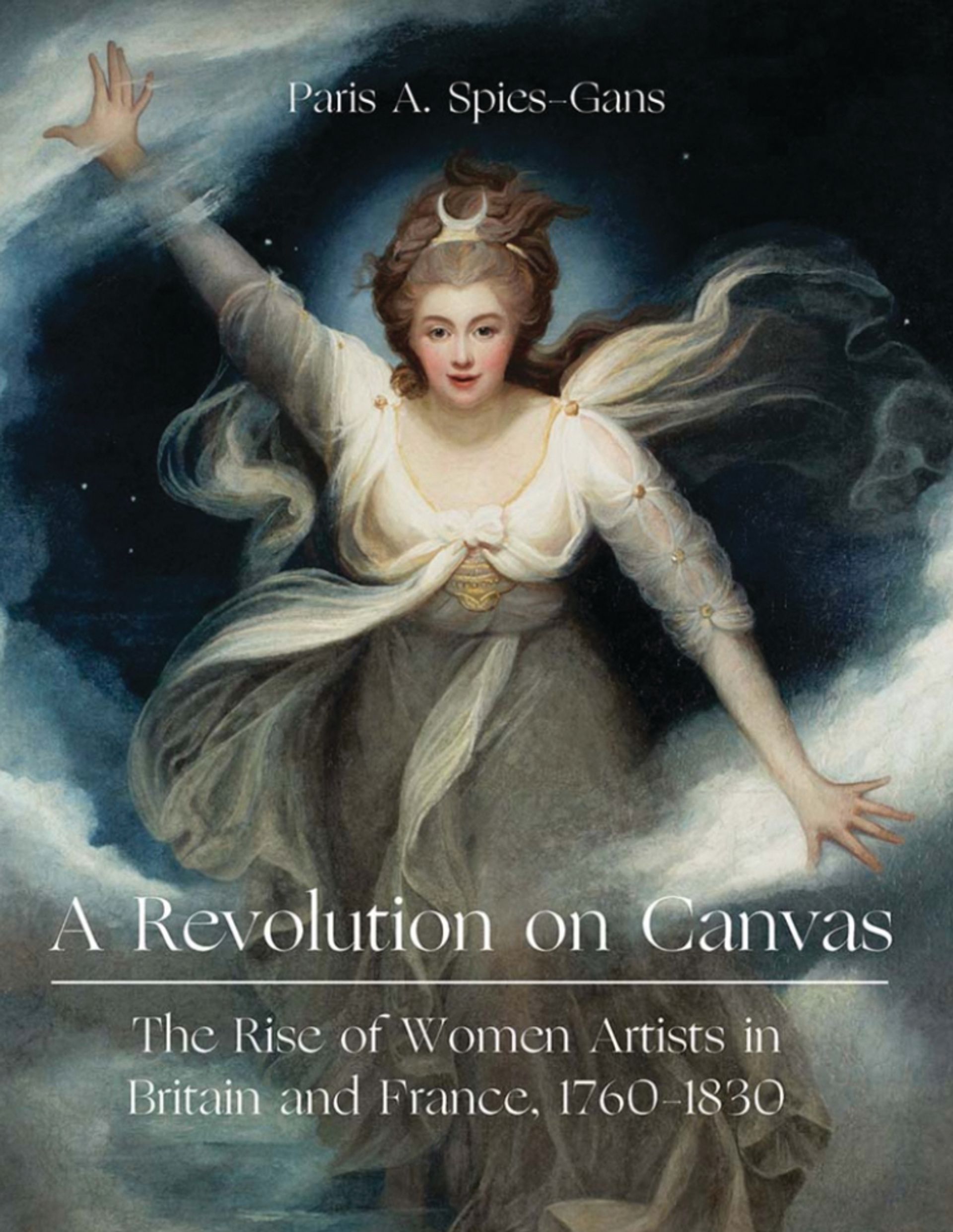
A Revolution on Canvas: The Rise of Women Artists in Britain and France 1760-1830 by Paris A. Spies-Gans (Paul Mellon Centre/Yale)

The miniaturist Sarah Biffen (subject of the excellent Without Hands show at Philip Mould gallery in London, until 12 December, and accompanying publication), born with no arms or legs, was one of many professional women artists to exhibit in major venues in Paris and London between 1760 and 1830, beyond the few currently celebrated (Angelica Kauffman, Élisabeth Vigée Le Brun, etc.), as Spies-Gans’s exhaustive, groundbreaking research reveals in this beautifully produced book.
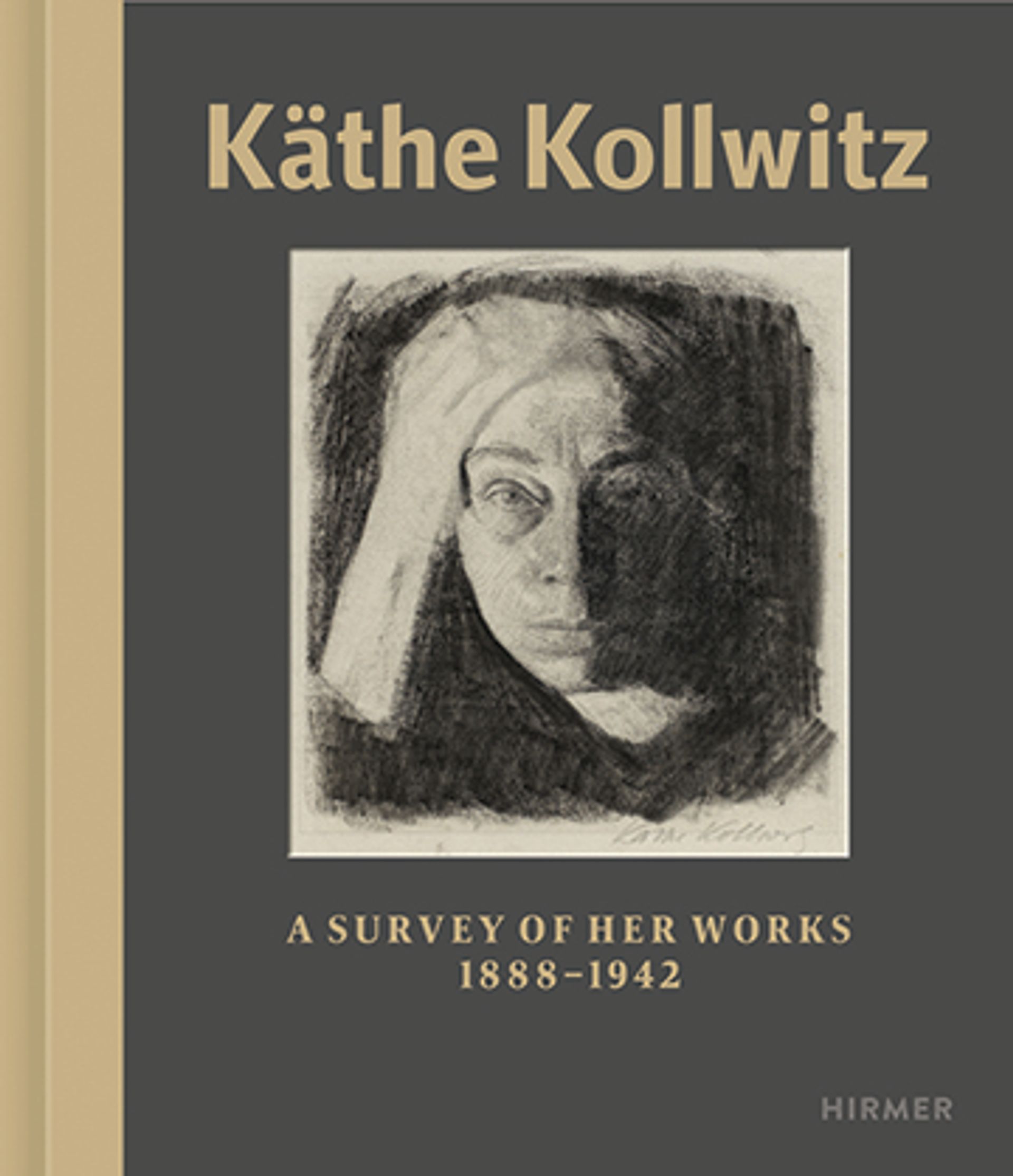
Käthe Kollwitz: A Survey of Her Works 1888-1942, edited by Hannelore Fischer (Hirmer/Käthe Kollwitz Museum)

This year has been a particularly good one for stand-alone publishing on historic and Modern women artists, and women’s significant influence within the international art world—fingers crossed this signals a shift (at last) from niche to mainstream. Honourable mention goes to Lund Humphries’s Illuminating Women Artists series, with two books in the bag (Luisa Roldán and Artemisia Gentileschi) and two more scheduled for 2023 (Elisabetta Sirani and Rosalba Carriera). It was a brutal selection process, but the first of my top three, from the many excellent books we reviewed over the last year, is Fischer’s Käthe Kollwitz. Kollwitz’s brilliance requires no introduction, but this exquisitely illustrated survey, while exploring her many iconic works, draws attention to lesser-known imagery including her subtly erotic subjects.
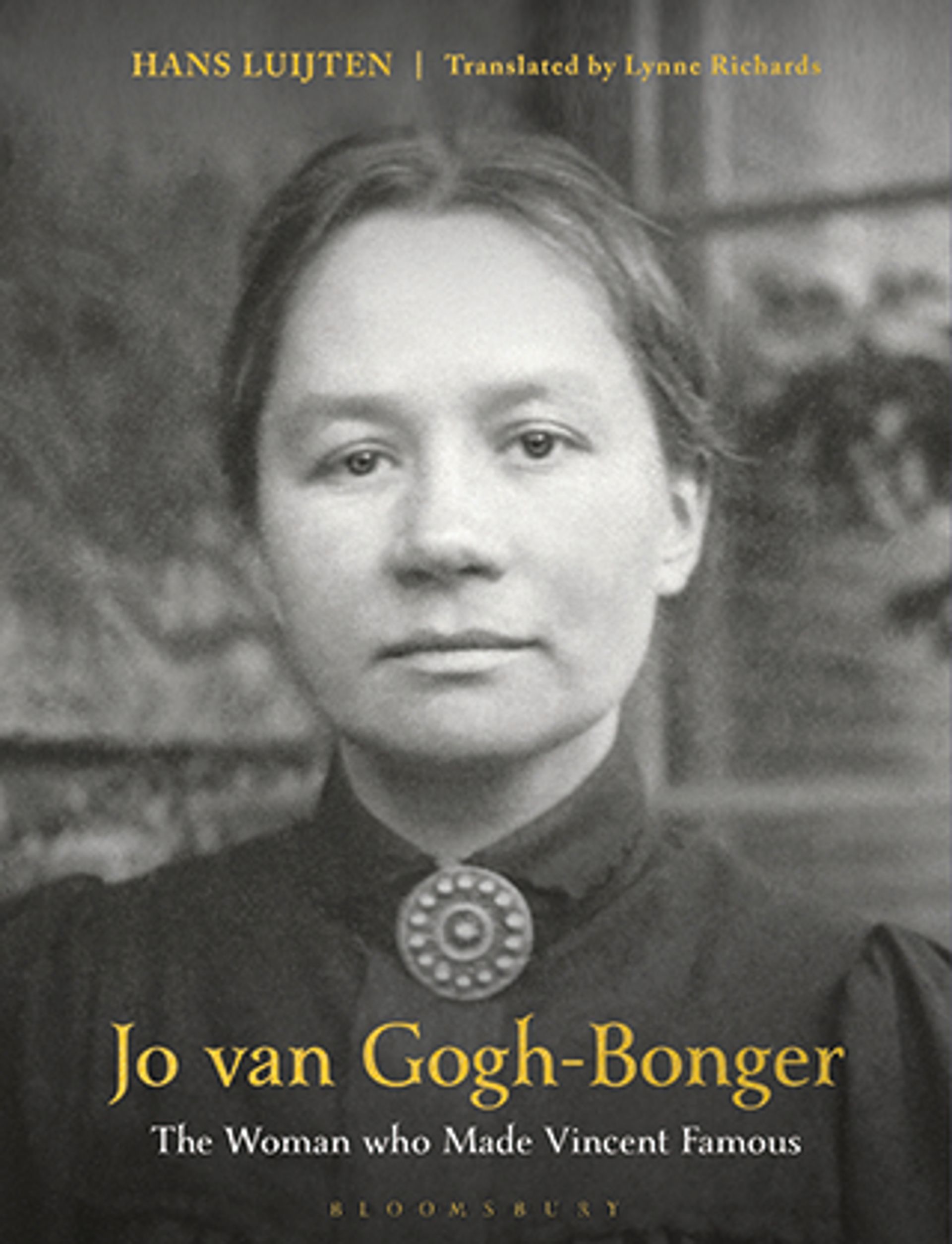
Jo van Gogh-Bonger: The Woman Who Made Vincent Famous by Hans Luijten, translated by Lynne Richards (Bloomsbury)

Chicago University Press’s first English translation of the Parisian art dealer Berthe Weill’s 1933 memoir was pipped to the post by this superb biography of the equally extraordinary Jo van Gogh-Bonger. So much has been written on Vincent van Gogh that you wonder what more can be said. It turns out much more on the woman who was the early driving force behind the Dutch artist’s legacy.

Gareth Harris, book club co-editor and chief contributing editor
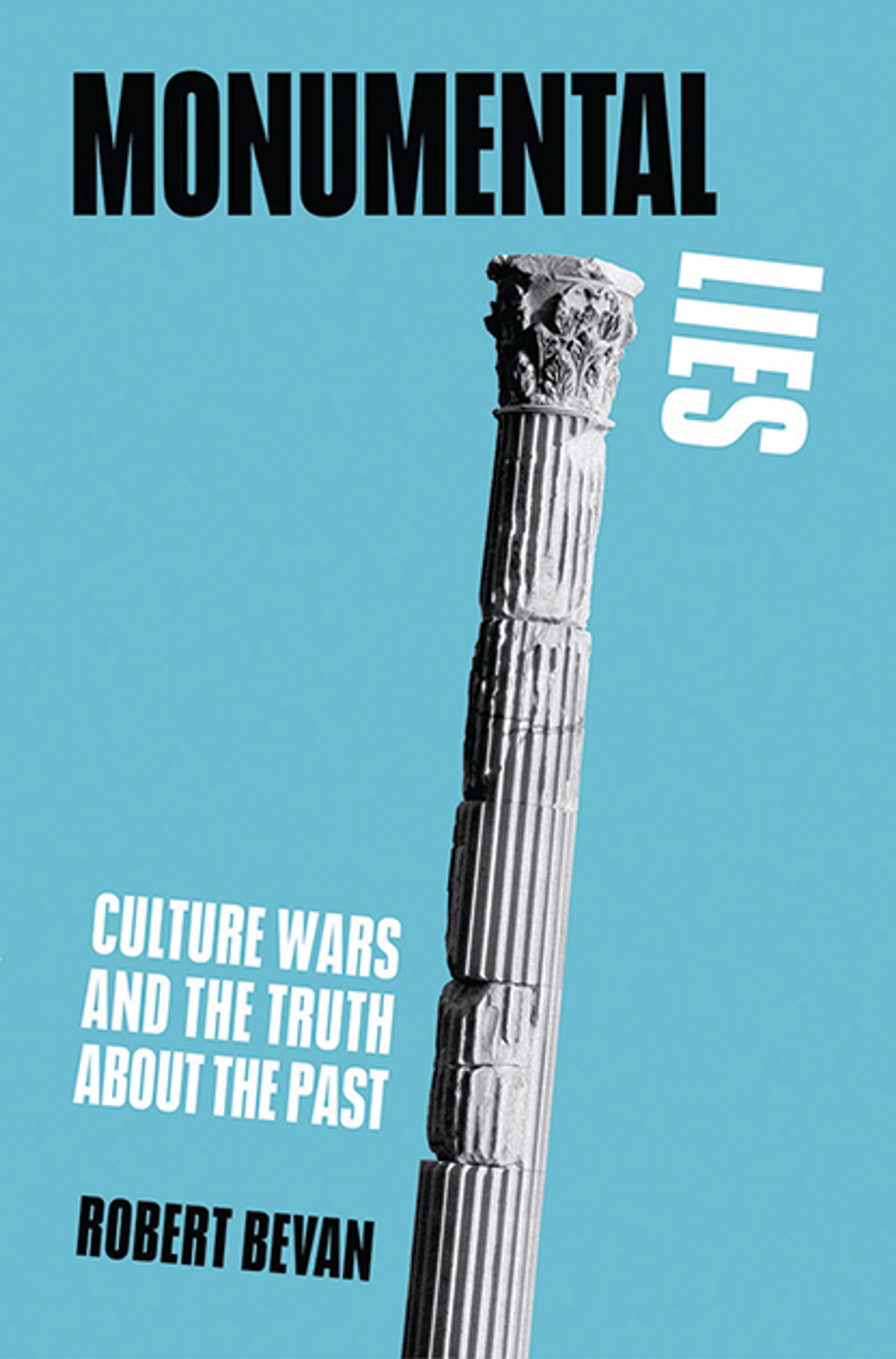
Monumental Lies: Culture Wars and the Truth About the Past by Robert Bevan (Verso)

More and more commentators are making their voices heard in the clamour around today’s so-called “culture wars”, outlining the ideologies behind the destruction of, for instance, historic statues. Bevan astutely argues that those who manipulate our cultural past are shaping our future, making the case that historic buildings have become battlegrounds for right-wing and nationalist political arguments. Interestingly, he also questions the authority of Unesco. In one of many polemics, he says: “At the same time as its role in protecting culture has become suffocated by national interests, Unesco now appears to operate on the premise that any wartime damage should be undone.”
The Value of Art by Michael Findlay (Prestel)

This updated version of The Value of Art, first published in 2012, features important new material, focusing on, for instance, the rise of NFTs. Findlay asks, “where are the NFT art critics?… there is little discourse on the relative aesthetic qualities of the images themselves”. He also has strong opinions on “protest art”, saying: “In very broad terms, artists represent the protesting class while collectors represent the museum trustee class, and while the cultural ecosystem needs both, on issues of social justice they are often on different sides of the barricades.”
The Art of Activism and the Activism of Art by Gregory Sholette (Lund Humphries)

As a key member of the activist group Gulf Labor Coalition, Gregory Sholette has a unique perspective. Sholette examines this fascinating subject “from the perspective of an artist and activist who has been active in the field since the 1980s,” writes the art historian Marcus Verhagen in the introduction. This informed analysis spans more than 60 years of art activism, from the Situationist International group of social revolutionaries (1957-72), which directly engaged with the student uprisings in Paris in May 1968, to Black Lives Matter today, which has “unquestionably set a new high bar for protest aesthetics”, Sholette says.


José da Silva, book club co-editor and exhibitions editor
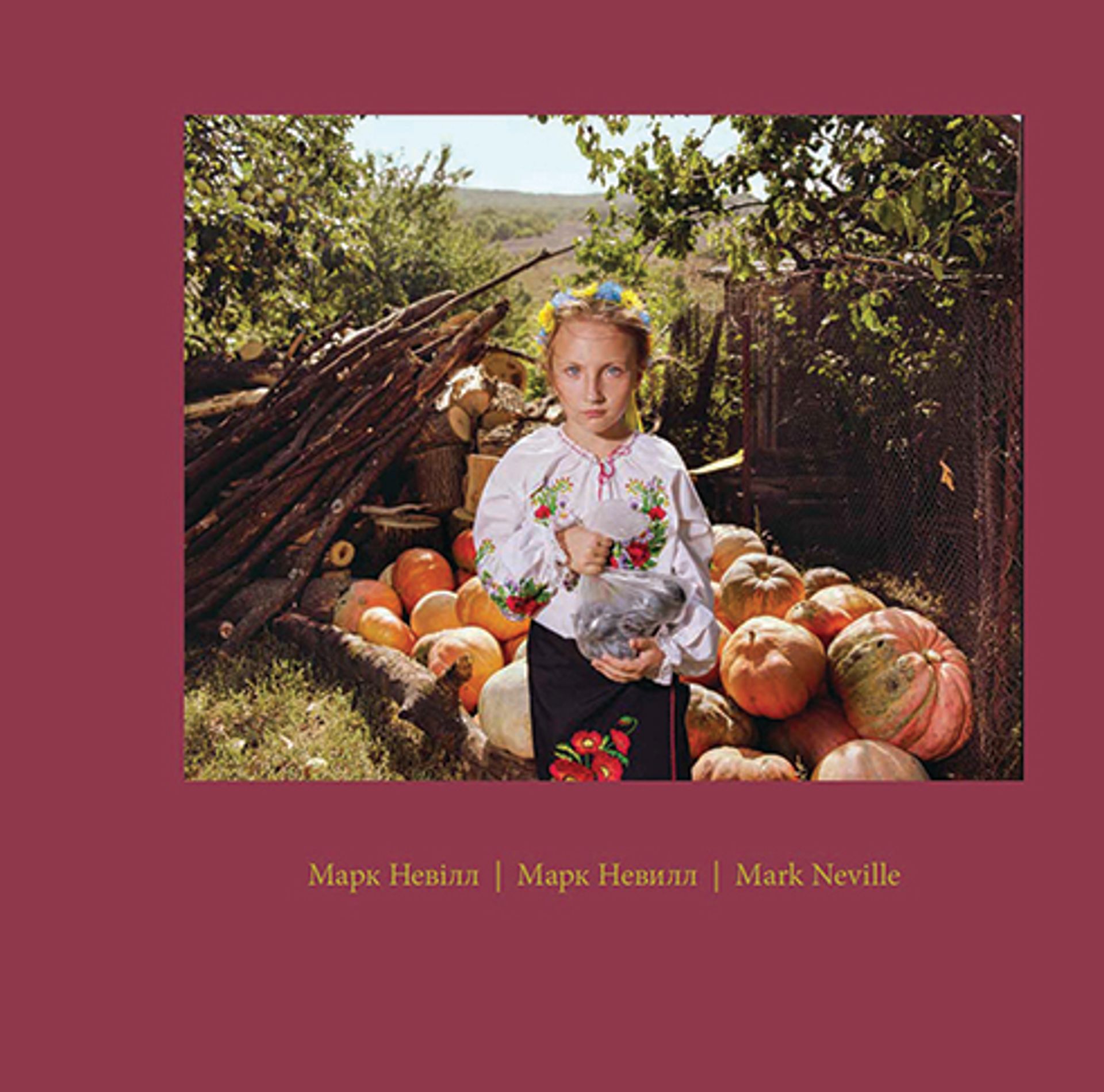
Stop Tanks With Books by Mark Neville (Nazraeli Press)

Neville’s photobook of Ukrainian life before Russia’s invasion in February is both a call to arms—the photographer sent 750 free copies to influential people who might “have it in their power to help Ukraine”—and a stark reminder that Ukraine was already at war in its east, as depicted in the photographs of soldiers manning trenches and checkpoints. However, it is the tender portraits of everyday life—people at the beach, in school, at a rave, eating ice cream—that really bring home the tragedy that has unfolded in Ukraine.
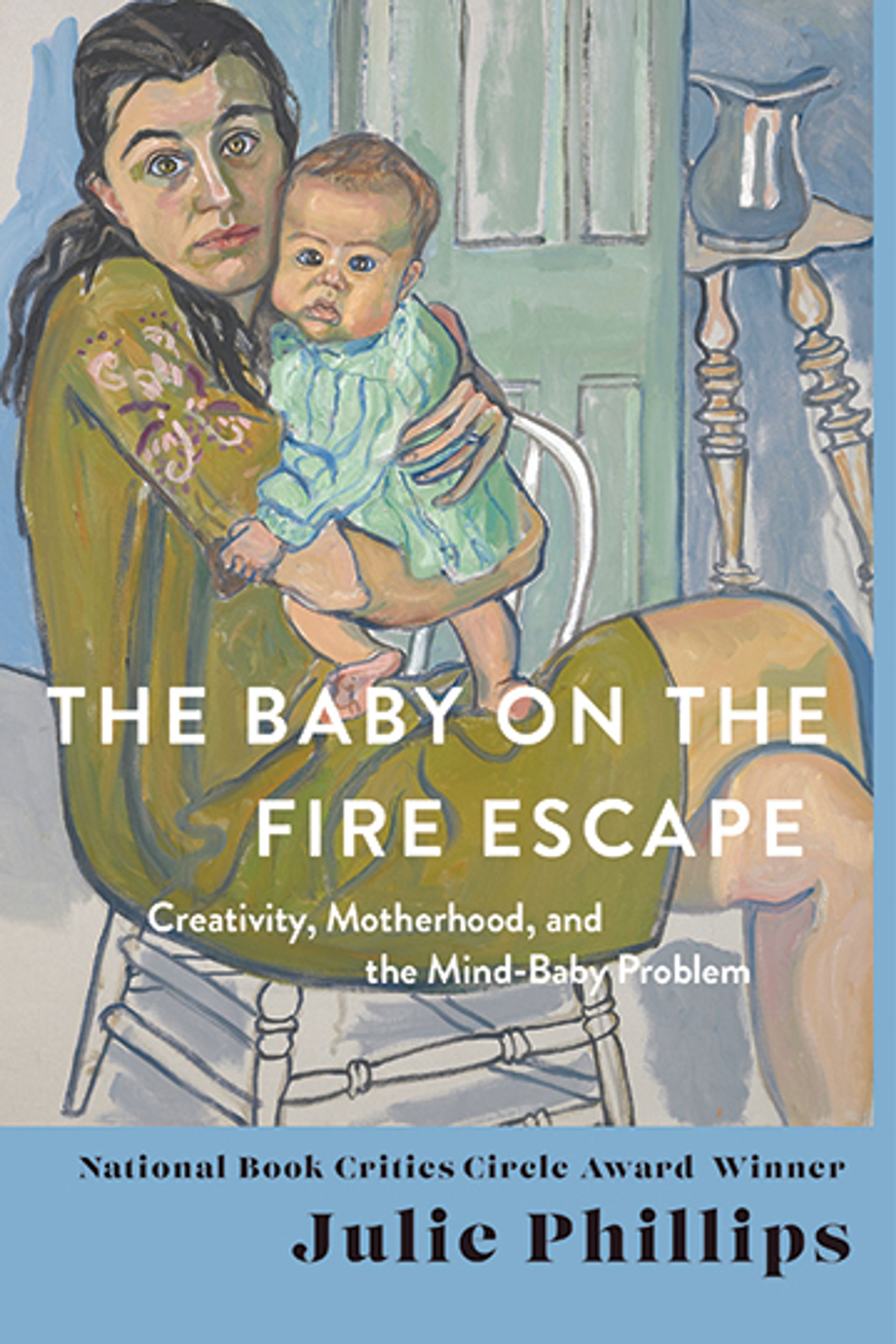
The Baby on the Fire Escape: Creativity, Motherhood and the Mind-Baby Problem by Julie Phillips (W. W. Norton & Company)

While most of the case studies in this book are from the literary world, the opening section on Alice Neel is a searing account of the complexities of balancing (or not) being a mother and an artist—and the often heavy price women pay. Neel, for example, can sometimes come across as brutal and uncaring, but these labels would rarely be used to describe an artist father in the same situation. Neel said that for much of her life she felt she “didn’t have the right to paint because I had two sons”. The book explores the difficult issues around the subject with no judgment and or neat conclusions—and is all the richer for it.
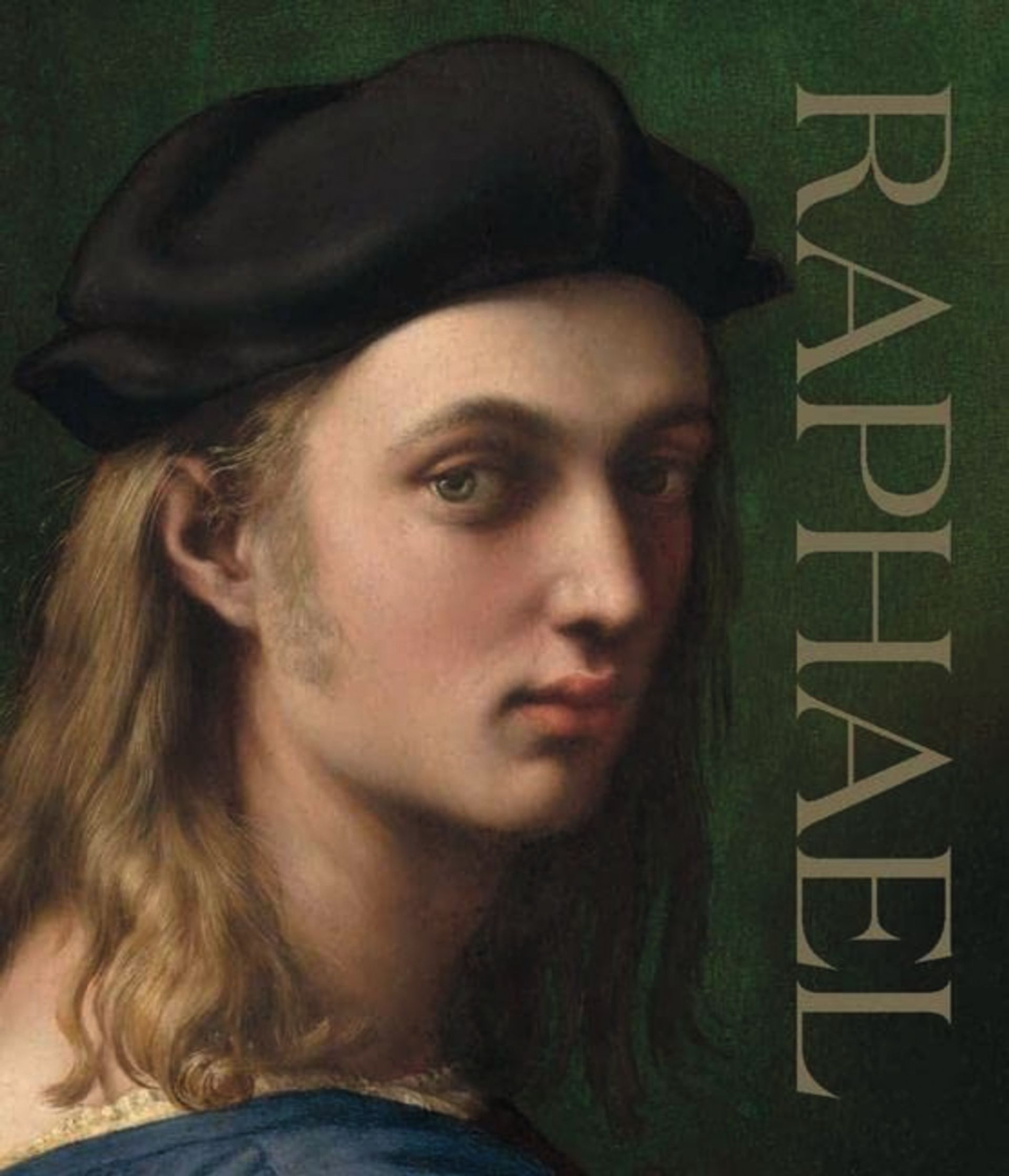
Raphael by David Ekserdjian, Tom Henry et al. (National Gallery Global Ltd)

If you missed the standout Raphael show at London’s National Gallery earlier this year, its catalogue is the next best thing. The rich imagery and texts make it the perfect coffee table book for art history buffs to dip into over the holiday season. There are also tasty titbits to tell the family over Christmas lunch, such as the belief that the Vatican’s foundations began cracking at news of Raphael’s death. Or when Munich’s Alte Pinakothek sold Raphael’s masterpiece Bindo Altoviti because it was believed at the time to have been painted by his assistant Giulio Romano, to buy what turned out to be a discredited Matthias Grünewald…
Reviews: ‘The Week In Art’

As Art Basel returns to Florida for the 20th anniversary of its Miami Beach art fair, Aimee Dawson, the acting digital editor at The Art Newspaper, talks to Anny Shaw, the acting art market editor, about the sales, news and talking points at the event that has become most synonymous with art-world excess.

December 2, 2022: Meanwhile, after Arts Council England announced its funding allocation in November, arts organisations across the country, and especially in London, are reeling. Ben Luke talks to Jenni Lomax, the former director of the Camden Art Centre—the north London non-profit gallery whose funding has been cut by more than 30%. They discuss the effect of the cuts, and why the response from the visual arts community is relatively quiet compared to the uproar in the worlds of theatre and opera.

And this episode’s Work of the Week is Oleksandr Bohomazov’s Sharpening the Saws (1927), a work from the National Art Museum of Ukraine in Kyiv. The painting is among a host of works moved from the war-torn country to the Thyssen-Bornemisza National Museum in Madrid for the exhibition In the Eye of the Storm: Modernism in Ukraine, 1900-1930s. Katia Denysova, the co-curator of the show, tells us about the picture, and the extraordinary journey it took from Kyiv to the Spanish capital.Art Basel in Miami Beach until 3 December.In the Eye of the Storm: Modernism in Ukraine, 1900-1930s, Thyssen-Bornemisza National Museum, Madrid, until 30 April 2023. 

Reviews: ‘The Week In Art’

This week: as the exhibition Velvet Terrorism: Pussy Riot’s Russia opens at the Kling & Bang gallery in Reykjavik, Ben Luke talks to Masha Alekhina, one of the founding members of Pussy Riot, and the artist Ragnar Kjartansson, one of the co-curators of the show.

As protests continue across Iran, Aimee Dawson, The Art Newspaper’s acting digital editor, speaks to Shirin Neshat, the artist whose work expressing solidarity with women in Iran was recently installed outside the Neue Nationalgalerie in Berlin.

And this episode’s Work of the Week is by the Puerto Rican artist Gabriella Torres-Ferrer. Their 2018 sculpture—called Untitled (Value Your American Lie)—is part of a major new show at the Whitney Museum in New York, exploring art in Puerto Rico in the five years since the devastation wreaked by Hurricane Maria in 2017.

Velvet Terrorism: Pussy Riot’s Russia, Kling & Bang, Reykjavik, until 15 January 2023. Pussy Riot: Riot Days, National Theatre of Iceland, Reykjavik, 25 November. Proceeds from the concert and the exhibition go to supporting Ukraine. You can hear an in-depth interview with Ragnar Kjartansson from 2020 on our sister podcast A brush with… on the usual podcast platforms.No existe un mundo poshuracán: Puerto Rican Art in the Wake of Hurricane Maria, Whitney Museum of American Art, New York, until 23 Apr 2023. 

Reviews: ‘The Week In Art’

Ben Luke talks to Hannah McGivern, a correspondent for The Art Newspaper who has just been to Qatar, about the vast number of public art projects that will accompany the FIFA Men’s World Cup that begins there on Sunday 20 November.

She also discusses the museums that Qatar plans to open by 2030. How does this explosion of cultural initiatives sit with Qatar’s record on human rights and treatment of low-paid migrant workers in the building of its cultural venues and World Cup stadia? It has been a heady fortnight of auctions in New York.

Ben speaks to Georgina Adam, an editor-at-large at The Art Newspaper, about the highs and lows, and whether we can expect even more sales of blockbuster collections in the coming years.

And this episode’s Work of the Week is an untitled painting by Luis Meque, an artist born in Mozambique who came to fame in the 1980s and early-1990s in Zimbabwe. Tandazani Dhlakama, the curator of the exhibition When We See Us: A Century of Black Figuration in Painting at Zeitz Museum of Contemporary Art Africa in Cape Town, tells us about Meque’s painting and his brief and brilliant life.When We See Us: A Century of Black Figuration in Painting, Zeitz Museum of Contemporary Art Africa, Cape Town, South Africa, 20 November-3 September 2023 Hosted on Acast. See acast.com/privacy for more information.

Reviews: ‘The Week In Art’

This week: as the UN’s climate emergency summit, Cop27, continues in Egypt, Ben Luke talks to Louisa Buck, The Art Newspaper’s contemporary art correspondent—and the author of our online column about art and climate change—about international art initiatives responding to the crisis.

Kaywin Feldman, the director of the National Gallery of Art (NGA) in Washington, DC, tells us about the museum’s new $10m endowment fund for purchases of works by women artists. The historic gift, from the family of the gallery’s first female president, Victoria P. Sant, will help the NGA fill gaps in its collection.

And this episode’s Work of the Week is Mother with Child on her Arm, Nude II (1906) by the German painter Paula Modersohn-Becker. The work is a highlight of Making Modernism, a show of German women artists that opens this weekend at the Royal Academy in London.

The exhibition’s curator, Dorothy Price, discusses this late painting in Modersohn-Becker’s short but productive life.Making Modernism: Paula Modersohn-Becker, Käthe Kollwitz, Gabriele Münter and Marianne Werefkin, Royal Academy of Arts, London, 12 November-12 February 2023. Hosted on Acast. See acast.com/privacy for more information.

Reviews: ‘The Week In Art’

This week: uproar over the National Gallery in London’s building plans—is it a sensitive makeover or like “an airport lounge”?

We talk to the director of the National Gallery, Gabriele Finaldi, about the gallery’s controversial plans for changes to its Sainsbury Wing, and to Rowan Moore, architecture critic at the Observer, about his views on the designs by the architect Annabel Selldorf, and how they respond to Robert Venturi and Denise Scott Brown’s original Post-Modern building.

Tokini Peterside-Schwebig, the director of Art X Lagos, tells us about the contemporary art scene in Nigeria’s most populous city, and how the fair is addressing the climate emergency, as devastating floods wreak havoc in West Africa. And this episode’s Work of the Week is Marc Chagall’s The Falling Angel (1923/1933/1947), the centrepiece of a new exhibition at the Schirn Kunsthalle in Frankfurt, Germany.Art X Lagos, Federal Palace, Lagos, Nigeria, 5-6 NovemberChagall: World in Turmoil, Schirn Kunsthalle, Frankfurt, Germany, until 19 February 2023 Hosted on Acast. See acast.com/privacy for more information.

Reviews: ‘The Week In Art’

This week: we talk to Emma Brown of Just Stop Oil about why the group targeted Vincent Van Gogh’s Sunflowers in the National Gallery, London, for its climate emergency protest.

Stacy Boldrick, assistant professor of museum studies at the University of Leicester, discusses the climate protests in the context of the long history of iconoclasm and attacks on works of art. The first version of Paris+, Art Basel’s fair in the French capital, opened this week, and we ask Melanie Gerlis, a columnist for the Financial Times and The Art Newspaper, how it compares to Paris’s previous fair, Fiac, and to the Frieze fairs in London last week.

And this episode’s Work of the Week is Frank Bowling’s Suncrush (1976), which features in an exhibition of the Guyana-born artist’s work at the Museum of Fine Arts in Boston. Reto Thüring, the curator of the show, tells us about the painting and Bowling’s 10-year stay in America in the 1960s and 1970s.

Links:juststopoil.orgStacy Boldrick, Iconoclasm and the Museum, Routledge, 212pp, £27.99, $35.96 (pb)Paris+, until 23 October.Melanie Gerlis, The Art Fair Story: a Rollercoaster Ride, Lund Humphries, 104pp, £19.99, $34.99 (hb)Frank Bowling’s Americas, Museum of Fine Arts, Boston, 22 October-9 April 2023; San Francisco Museum of Modern Art, 13 May-10 September next year. Related shows: Equals 6: A Sum Effect of Frank Bowling’s 5+1, University Hall Gallery, UMass Boston, 14 November-18 February 2023; Revisiting 5+1, Paul W. Zuccaire Gallery, Staller Center for the Arts, Stony Brook University, 10 November-23 February 2023.

Reviews: ‘The Week In Art’

This week: Georgina Adam joins Ben Luke to discuss the intriguing story of the bankrupt entrepreneur and art collector, the museum scholar and a host of Old Master paintings given new attributions.

We talk to Suzanne Pagé, the curator of Monet-Mitchell, an exhibition bringing together the Impressionist Claude Monet and the post-war American abstract painter Joan Mitchell, at the Fondation Louis Vuitton in Paris.

And this episode’s Work of the Week is a 1583 painting of Elizabeth I of England, known as the Sieve Portrait, which is one of the highlights of the Metropolitan Museum of Art in New York’s exhibition The Tudors: Art and Majesty in Renaissance England. The show’s curators, Elizabeth Cleland and Adam Eaker, tell us about this richly layered picture.

Monet-Mitchell, Joan Mitchell retrospective, Fondation Louis Vuitton, Paris, until 27 February 2023. Joan Mitchell: Paintings, 1979-85, David Zwirner, New York, 3 November-17 December.The Tudors: Art and Majesty in Renaissance England, Metropolitan Museum of Art, New York, 10 October-8 January 2023 Hosted on Acast. See acast.com/privacy for more information.

Reviews: ‘The Week In Art’

This week: is art censorship on the rise? The Art Newspaper’s chief contributing editor, Gareth Harris, joins Ben Luke to discuss his new book, Censored Art Today.

We look at the different ways in which freedom of expression is being curbed across the globe and at the debates around contested history and cancel culture. This episode’s Work of the Week is Diane Arbus’s Puerto Rican woman with a beauty mark, N.Y.C., 1965, one of the 90 images that feature in Diane Arbus: Photographs, 1956-1971, which opens at the Montreal Museum of Fine Arts, Canada, on 15 September. Sophie Hackett, the exhibition’s curator, discusses Arbus’s remarkable eye and technical brilliance.

As the Guggenheim Bilbao celebrates its 25th anniversary, Thomas Krens, the director and chief artistic officer of the Solomon R. Guggenheim Foundation from 1988 to 2008, reflects on the genesis and development of a museum that had a dramatic impact on contemporary art and museums’ role in the cultural regeneration of cities across the world. 

Reviews: ‘The Week In Art’

On 29 June, Frieze announced the details of the first edition of its art fair in Seoul, South Korea. So for this last episode of the current season, we’re exploring the art scene and market in the Korean capital.

Ben Luke talks to the art historian and curator Jiyoon Lee about contemporary art in Seoul and beyond, and the origins of the current art scene in 1990s globalisation. The Art Newspaper’s associate editor, Kabir Jhala, speaks to two gallerists—Joorhee Kwon, deputy director at the Kukje Gallery and Emma Son, senior director at Lehmann Maupin, about the growing market and collector base, and the effect Frieze may have on the existing scene.

And this episode’s Work of the Week is Dahye Jeong’s A Time of Sincerity, a basket made with horsehair that this week won the Loewe Foundation Craft Prize. Kabir talks to the creative director at the fashion brand Loewe, Jonathan Anderson, about Jeong’s piece.

Frieze Seoul, COEX, Seoul, 2-5 September.

The Space Between: The Modern in Korean Art, Los Angeles County Museum of Art, 11 September-19 February 2023.

The 2022 Loewe Foundation Craft Prize, Seoul Museum of Craft Art, until 31 July.