
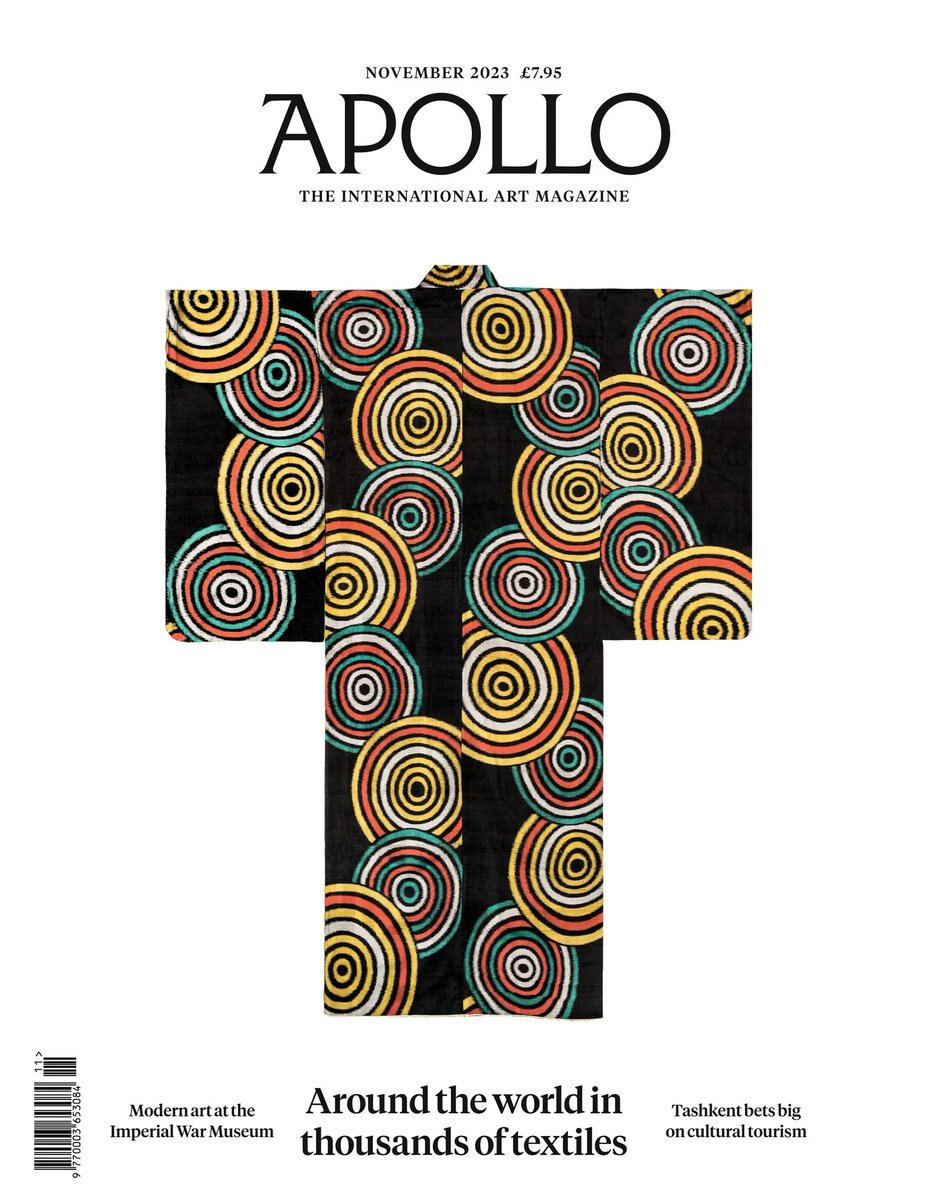

Inside this issue:



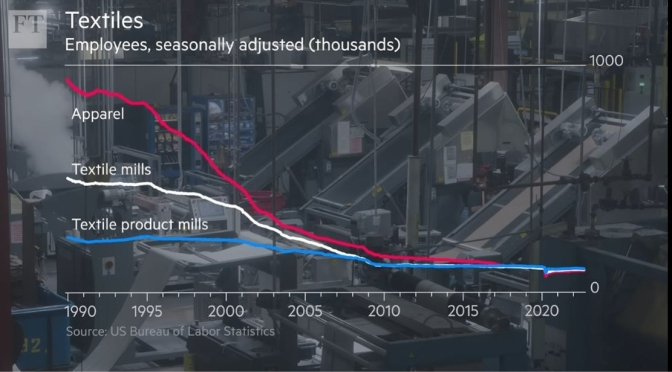
Video timeline: 00:00 Made in America, Again 01:20 An all-American supply chain starts here 03:17 What went wrong with globalization? 07:00 The cotton gin – a risky business 09:53 Automation at a high-tech mill 13:16 Why manufacturing is important 19:59 The family-run finishing factory 23:21 Worker innovation at the sewing factory 27:33 Education, training and community 29:07 A moment for change?
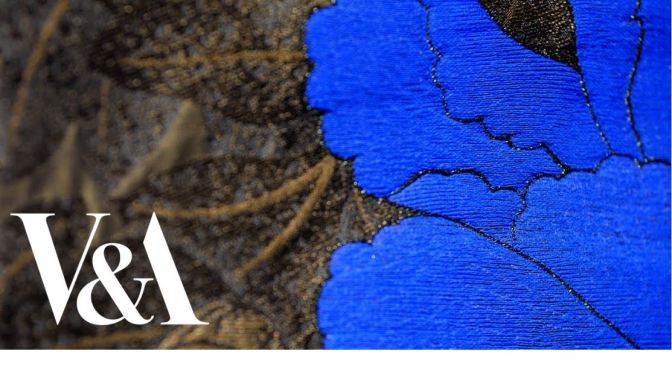
Nishijin-ori textiles are known for their exquisite detail, and have been made in the Nishijin area of Kyoto, Japan for over 1,200 years. Follow the intricate process involved in creating obi (the sash worn with traditional Japanese clothing), using a specialised technique called hikikaku – weaving with precious metallic thread. From the making of the thread itself, to the weaving on the loom, watch as three obis are made – one from 100-year-old silver foil, one from mother of pearl, and one from the semi-precious stone, lapis lazuli.
Processes: Silver foil obi: 1:26 Mother of pearl obi: 4:17 Lapis lazuli obi: 6:35
Nishijin-ori (西陣織, Nishijin fabric) is a traditional textile produced in the Nishijin (西陣) district of Kamigyō-ku in Kyoto, Japan.
Originating in Heian-kyōto over 1200 years ago, Nishijin weaving is known for its highly-decorative and finely-woven designs, created through the use of tedious and specialised production processes. It is well-regarded for the high quality and craftsmanship of the resulting fabrics, commonly used for high-quality obi and kimono.
 Boomers Daily