
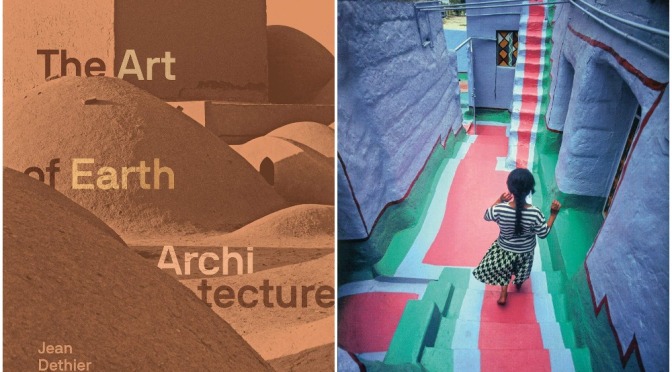
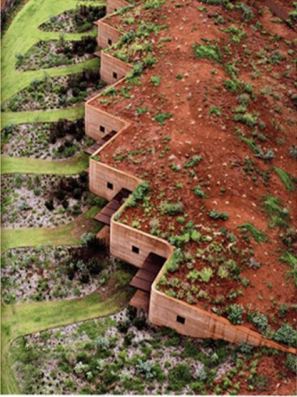
 The Art of Earth Architecture demonstrates the wide-ranging applications and sustainability of this building material, while presenting a manifesto for its ecological significance. Featuring raw-earth masterpieces, monumental structures, and little known works, the book includes the temples and palaces of Mesopotamia, the Great Wall of China, large-scale urban developments in Tenochtitlan in Mexico, the medinas of Morocco, and housing in Marrakech and Bogota.
For almost ten thousand years, unbaked earth has been used to build remarkable structures, from simple dwellings to palaces, temples, and fortresses both grand and durable. Jean Dethier spent fifty years researching this landmark global survey, which spans five continents and 250 sites.
This definitive reference features many UNESCO World Heritage sites and contains essays on the historical, technical, and cultural aspects of raw-earth construction from twenty experts in the field, as well as hundreds of photographs, illustrations, and architectural drawings.
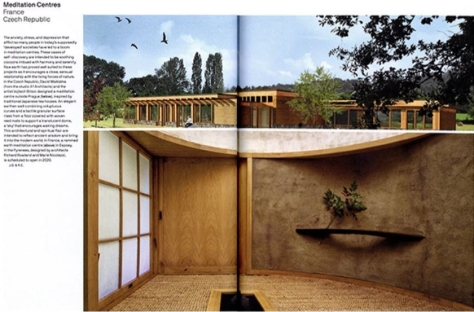
Jean Dethier has dedicated his life to the research, safeguarding, and development of earth structures around the world. Dethier worked at the Centre Pompidou as a curator of influential architectural exhibits for thirty years. Winner of the prestigious Grand Prix national de l’architecture, he sat on the jury of the 2016 Terra Award, the first international prize for contemporary earthen structures.
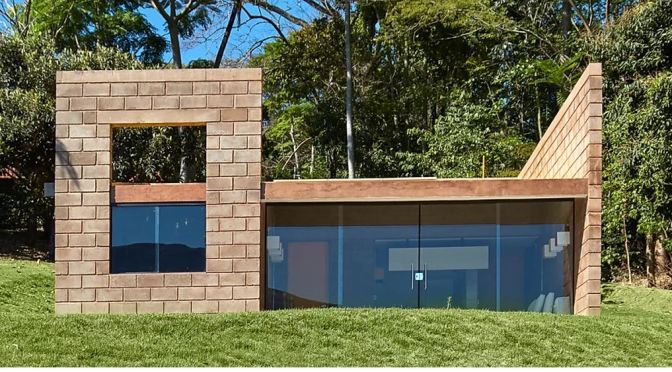
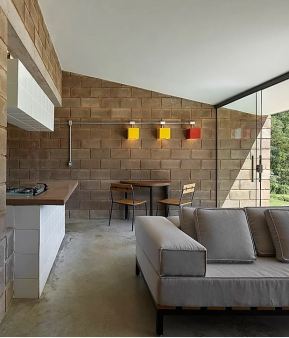 “Our SUSTAINABLE HOME is made of matter and spirit. The raw material, the unused by-products of the mining activity, is the main component: from it we take advantage of its qualities and properties. Finding an ecologically suitable use for this waste determines the unique character of the housing unit. In its spirit, the housing unit intends, in addition to its technical function, to be a home, a place for each person to feel valued, welcomed in their dreams, hopes and desire to live together. Each house, even in its simplicity, must be able to create a sense of pride and self-esteem ”, adds Gustavo Penna.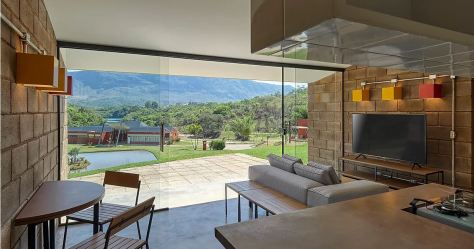

 Boomers Daily