Times Literary Supplement (May 29, 2024): The latest issue features ‘Kafka’s Century’ – Karen Leeder, Becca Rothfeld, Gabriel Josipovici, Michael Hofmann et al…; Colm Toibin returns to Brooklyn; India under Modi; A Jim Crow insane asylum and Literary cricket…
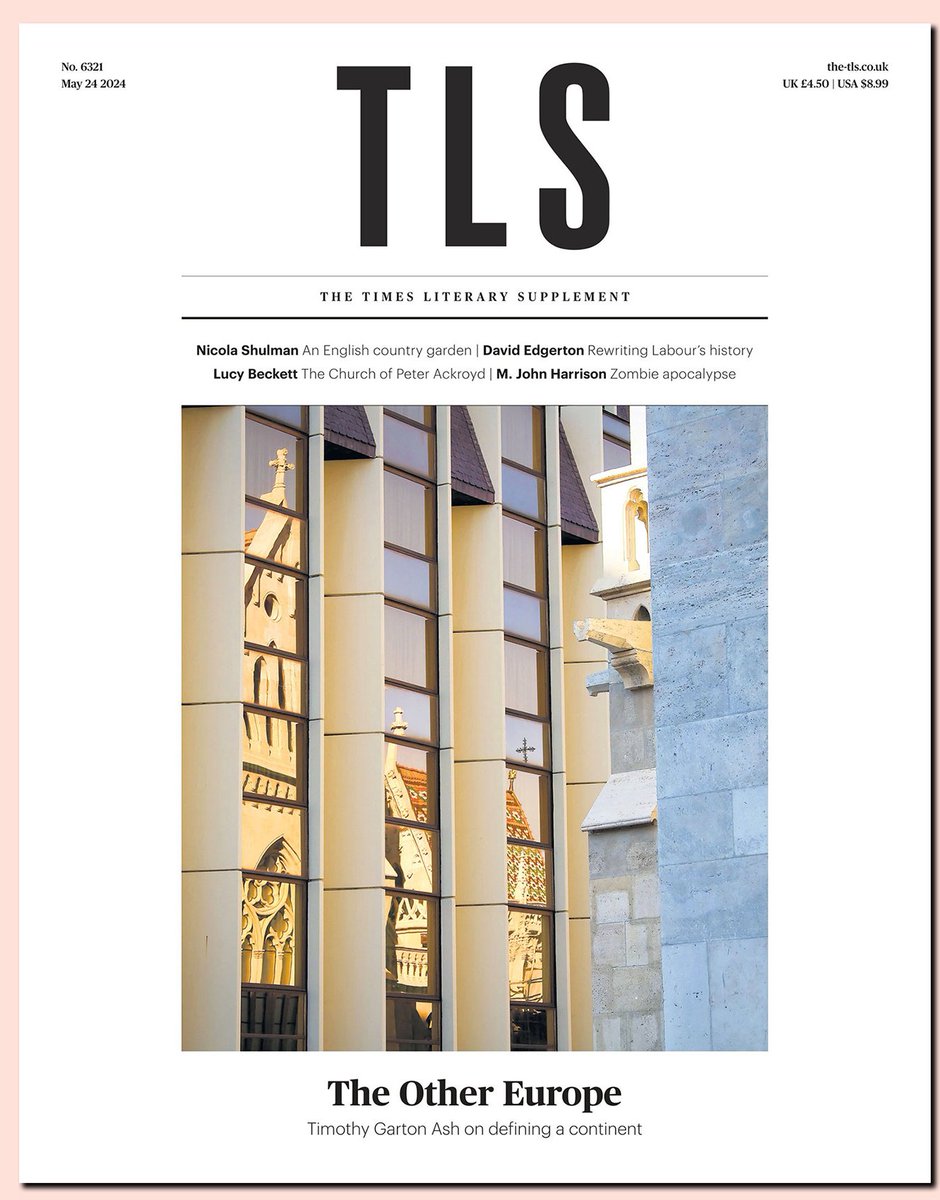
Times Literary Supplement (May 22, 2024): The latest issue features ‘The Other Europe’ – Defining a Continent; An English Country Garden; The church of Peter Ackroyd and Zombie apocalypse…
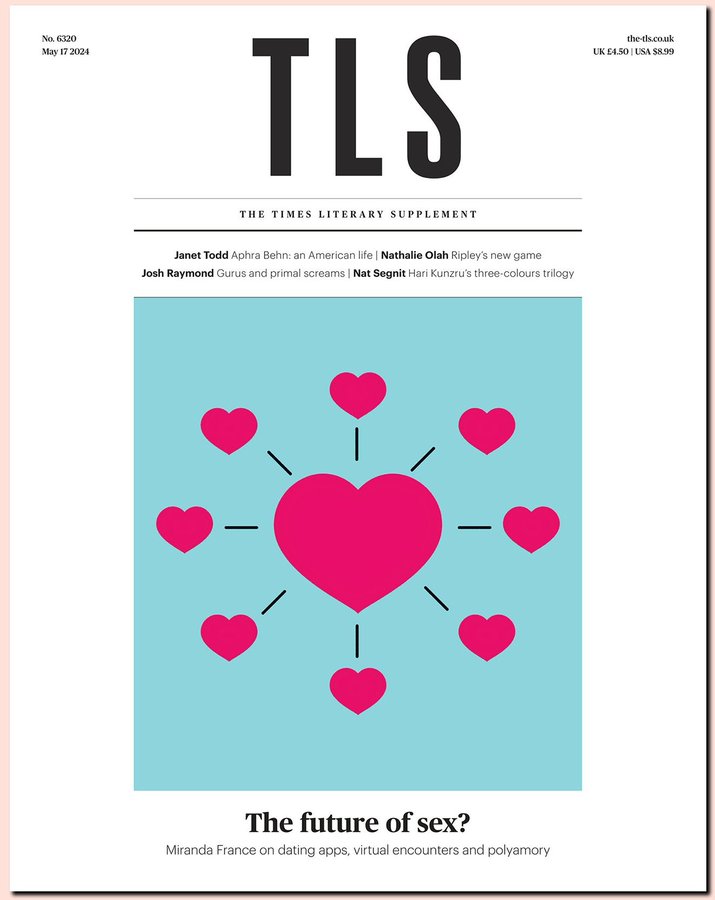
Times Literary Supplement (May 17, 2024): The latest issue features ‘The future of sex?’ – Dating apps, virtual encounters and polyamory; An American Life; Ripley’s new game; Gurus and primal screams ….
Times Literary Supplement (May 8 2024): The latest issue features ‘Reverie and revolution’ – Ian Penman on Surrealism; Crime fiction gets political; Scorsese’s English masters, women pianists and more….
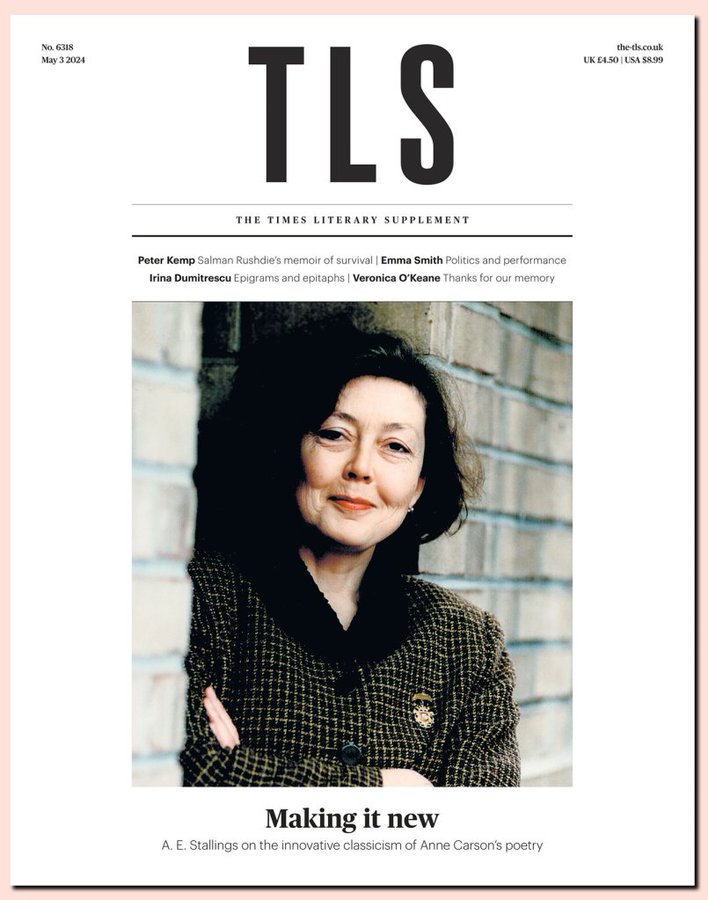
Times Literary Supplement (May 1, 2024): The latest issue features ‘Making it New’ – A.E. Stallings on the innovative classicism of Anne Carson’s poetry; Salman Rushdie’s memoir of survival; Politics and performance and more…
Times Literary Supplement (April 24, 2024): The latest issue features ‘The Mormon Conquest’ – Seth Perry on a people of the book; Is ‘green growth’ a mirage; Virginia Woolf’s rural retreat; China’s Shakespeare…
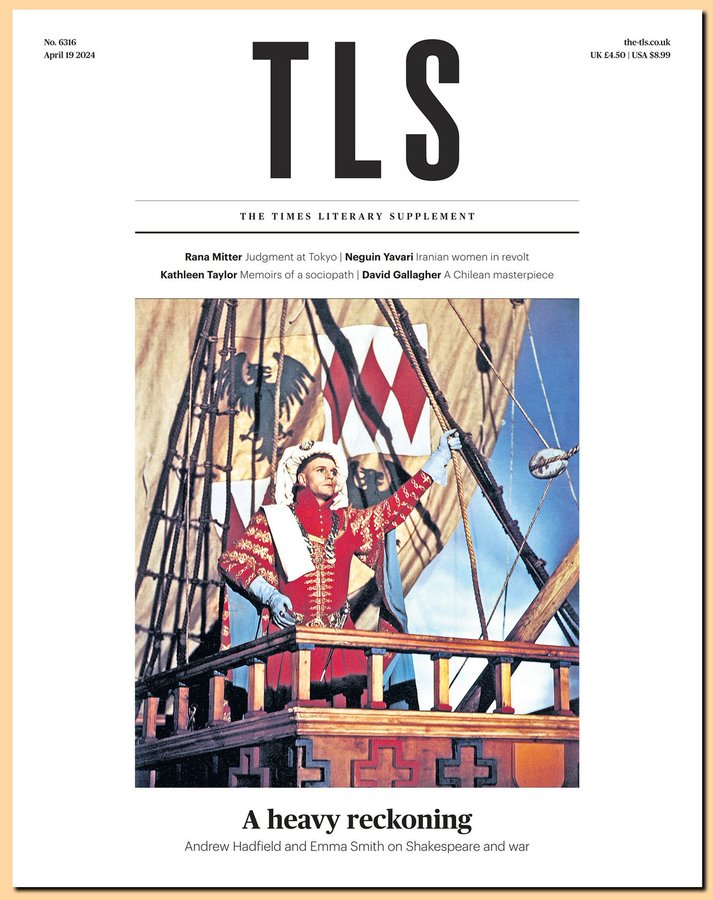
Times Literary Supplement (April 17, 2024): The latest issue features ‘A Heavy Reckoning’ – Shakespeare and War’; Judgment at Tokyo; Iranian women in revolt; Memoirs of a sociopath and A Chilean masterpiece…
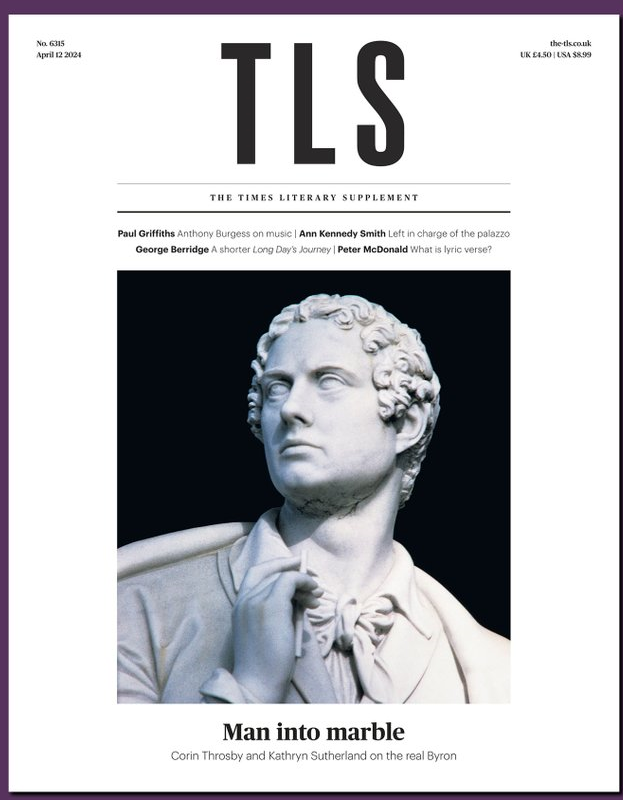
Times Literary Supplement (April 10, 2024): The latest issue features ‘Man Into Marble’ – Corin Throsby and Kathryn Sutherland on the real Byron; Anthony Burgess on music; Left in charge at the palazzo; Revolutionary Russia; A shorter Long Day’s Journey and What is lyric verse?…
This week’s @TheTLS marks the bicentenary of Byron’s death, including two newly published letters. Also: Stephen Lovell on revolutionary Russia; me on Long Day’s Journey into Night; @Tiny_Camels on Jennifer Croft; @akennedysmith on 1950s Venice; @rinireg on eclipses – and more pic.twitter.com/nx02ouQKFO
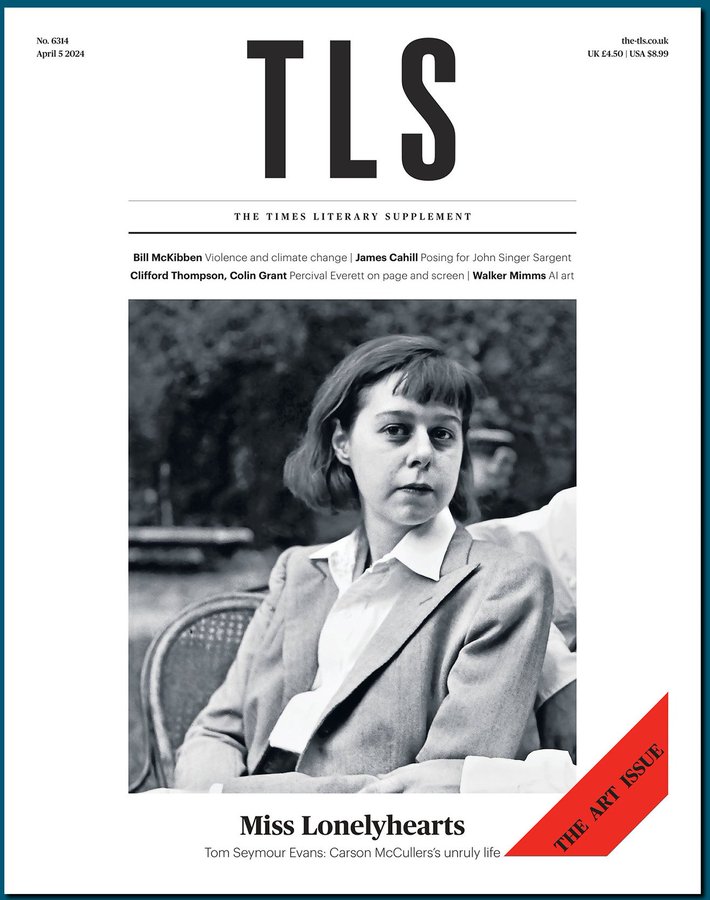
Times Literary Supplement (April 3, 2024): The ‘The Art Issue’ features ‘Miss Lonelyhearts’ – Tom Seymour Evans: Carson McCullers’s unruly life; Violence and Climate Change; Posing for John Singer Sargent and Huckleberry Jim – Mark Twain’s escaped slave wrests control of his story…








 Boomers Daily