

Scientists have grave concerns over ethical and societal impacts of facial-recognition technology. In this surveillance special, we dig into the details.
In this episode:
03:24 Standing up against ‘smart cities’
Cities across the globe are installing thousands of surveillance cameras equipped with facial recognition technology. Although marketed as a way to reduce crime, researchers worry that these systems are ripe for exploitation and are calling for strict regulations on their deployment.
Feature: Resisting the rise of facial recognition
17:44 The ethics of researching facial recognition technology
Despite concerns surrounding consent and use, researchers are still working on facial recognition technology. Can this sort of work be justified? We hear some of the debates going on in academia about this field of research.
Feature: The ethical questions that haunt facial-recognition research
25:02 What do researchers actually think?
Nature surveyed 480 researchers who have published papers on facial recognition, AI and computer science. The results revealed that many researchers think there’s a problem.

This week the whole show focuses on keeping cool in a warming world. First up, host Sarah Crespi talks with Senior News Correspondent Elizabeth Pennisi about the latest research into how to stay safe when things heat up—whether you’re running marathons or fighting fires.
Sarah also talks with Po-Chun Hsu, assistant professor of mechanical engineering and materials science at Duke University, about the future of cooling fabrics for everyday use. It turns out we can save a lot of energy and avoid carbon dioxide emissions by wearing clothing designed to keep us cool in slightly warmer buildings than we’re used to now. But the question is, will cooling clothes ever be “cool”? Visit the whole special issue on cooling.
Researchers try to unpick the complex relationship between sensory pollutants and bird reproduction, and how to combat organized crime in fisheries.
In this episode:
00:46 Sensory pollution and bird reproduction
Light- and noise-pollution have been shown to affect the behaviour of birds. However, it’s been difficult to work out whether these behavioural changes have led to bird species thriving or declining. Now, researchers have assembled a massive dataset that can begin to give some answers. Research article: Senzaki et al.
10:17 Coronapod
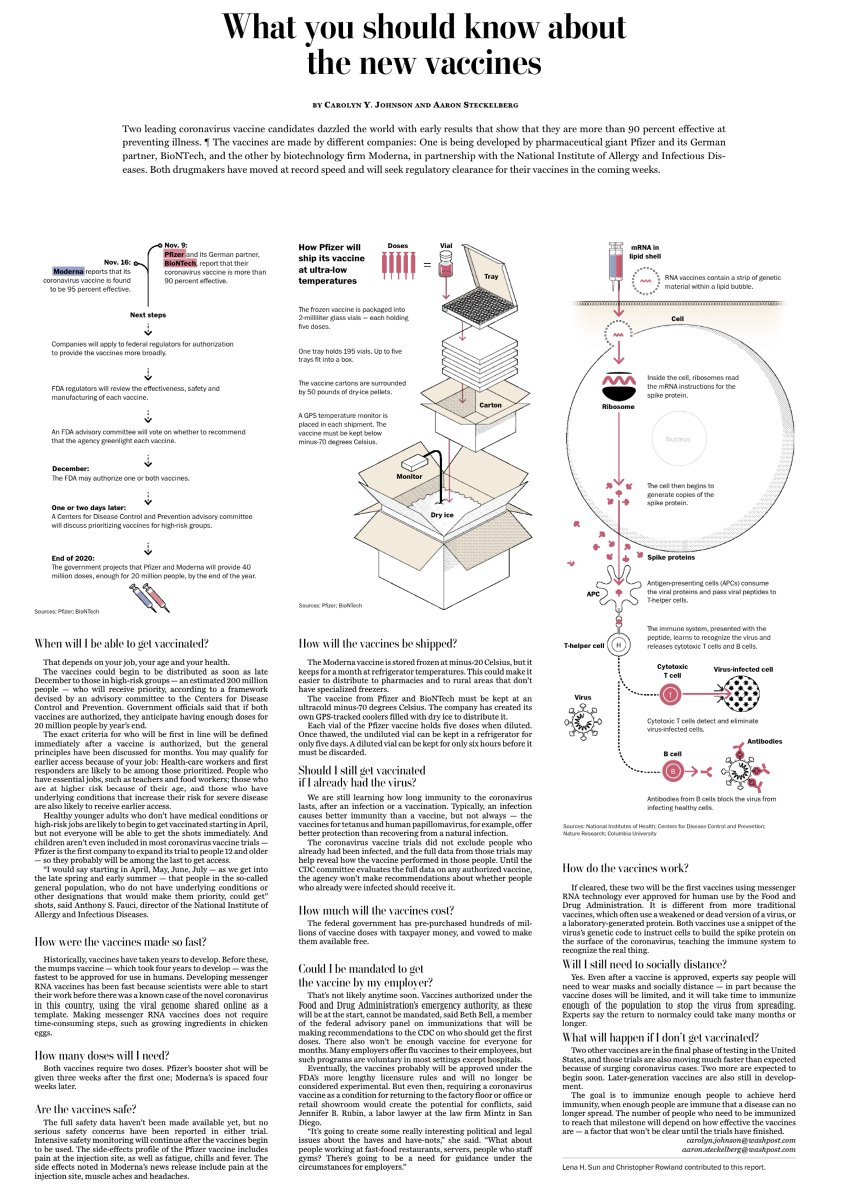
Interim results from a phase III trial show compelling evidence that a coronavirus vaccine candidate can prevent COVID-19. However, amid the optimism there remain questions to be answered – we discuss these, and what the results might mean for other vaccines in development. News: What Pfizer’s landmark COVID vaccine results mean for the pandemic
23:29 Research Highlights
A tiny bat breaks a migration record, and researchers engineer a mouse’s sense of place. Research Highlight: The record-setting flight of a bat that weighs less than a toothbrush; Research Article: Robinson et al.
25:39 Organised crime in fisheries
When you think of fishing, organised crime probably isn’t the first thing that springs to mind. However, billions of dollars every year from the fishing industry are lost to criminal enterprises. We discuss some of the impacts and what can be done about it. Research Article: Witbooi et al.
32:13 Briefing Chat
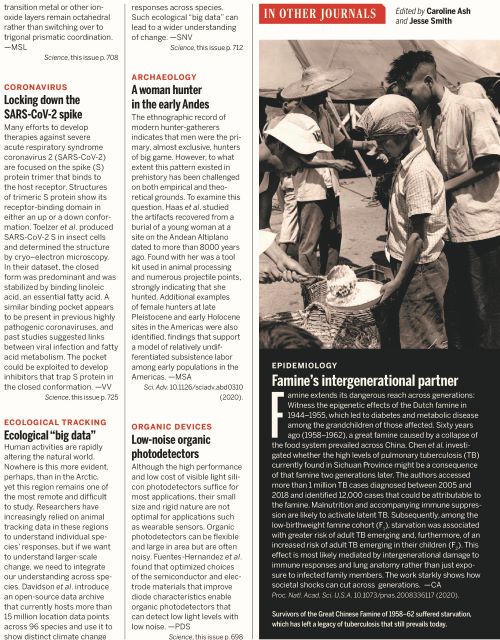
We discuss some highlights from the Nature Briefing. This time, a time-capsule discovered on the Irish coast provides a damning indictment of Arctic warming, and some human remains challenge the idea of ‘man-the-hunter’. The Guardian: Arctic time capsule from 2018 washes up in Ireland as polar ice melts; Science: Woman the hunter: Ancient Andean remains challenge old ideas of who speared big game
First up, host Sarah Crespi talks with Staff Writer Adrian Cho about new gravitational wave detections from the first half of 2019—including 37 new black hole mergers. With so many mergers now recorded, astrophysicists can do different kinds of research into things like how new pairs of black holes come to be and how often they merge.
Sarah also talks with Sarah Davidson, data curator at the Max Planck Institute of Animal Behavior, about results from an Arctic animal tracking project that includes 3 decades of location information on many species, from soaring golden eagles to baby caribou taking their first steps. The early results from the Arctic Animal Movement Archive show that researchers can use the database as a baseline for future Arctic investigations and to examine the effects of climate on ecosystems in this key region.








 Boomers Daily