
‘
Bacteria divide to conquer antibiotics
High-level resistance to methicillin requires a distinct form of cell division

‘
High-level resistance to methicillin requires a distinct form of cell division
‘
Comparison of the hairless animals’ genomes with those of several other mammals shows low activity of certain sequences.
Study of thousands of people in rural communities shows that many do not experience a slump in well-being during their forties and fifties.
Sea-surface data show that the average sea-level rise in 2023 was more than double that in 1993.
Survey pinpoints pyramids, rural settlements and a large city in an unstudied stretch of Mexico.
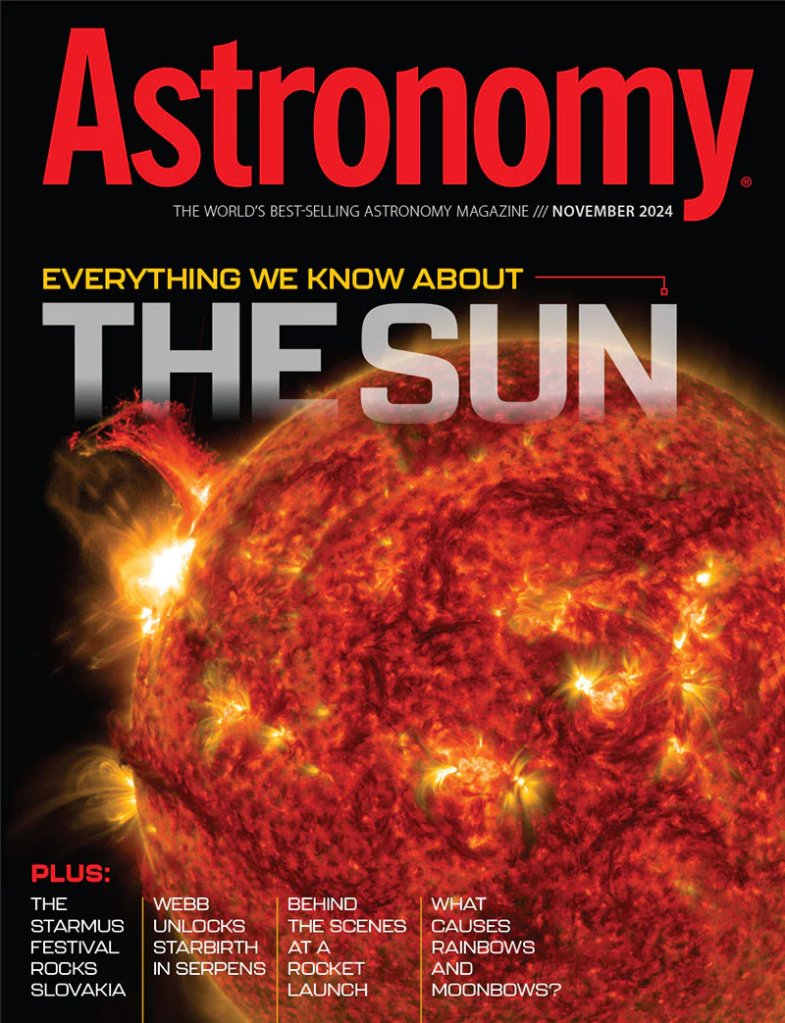

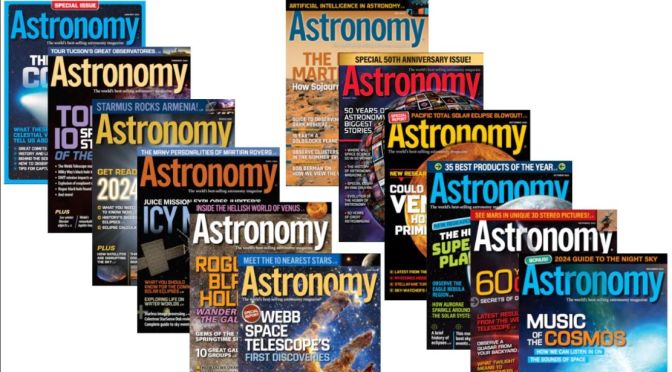
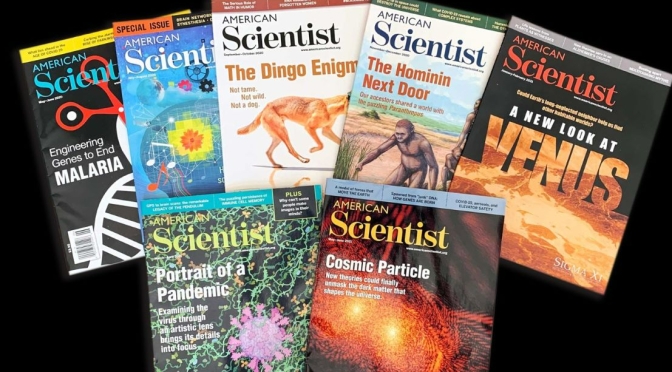
Astronomy magazine (November 1, 2024) – The latest issue features “Everything we kno about the Sun’….
The closest star to Earth is also the best studied, but only recently have we truly begun to uncover its secrets.
For thousands of years, humans have worshipped the Sun. Our ancestors built monuments and temples to it, and used it to mark the annual cycle of seasons. For ancient Egyptians, their most important god, Re, was the personification of the Sun itself.
Today, we are no less in thrall to the wonders and mysteries of our nearest star. We’ve made strides in understanding its major systems and answered many questions about how it produces energy. But the Sun is far from an open book,
Mars is brightening and the giant planet Jupiter is reaching its best apparition in a decade for Northern Hemisphere observers this month.
‘
Laboratory collisions that create the superheavy element livermorium could help scientists to discover new elements.
A single-celled alga takes water into a bladder, allowing it to migrate to the sea’s sunlit surface zone.
The deadly earthquake led to unexpectedly large deformations some 700 kilometres from the epicentre.


If we’re going to live on Mars we’ll need a way to grow food in its arid dirt. Researchers think they know a way.

A new crop of biotech startups are working on an alternative to alternative protein.

‘
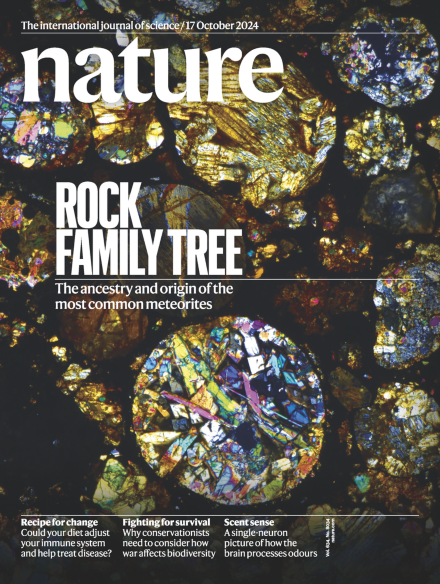
Young asteroid families seed more than 70% of extraterrestrial rocks found on the planet
New insights on cells behind long-lived antibody production could spur better vaccines
Cell-based drug factories could produce therapies on demand inside patients
‘
Young children in the playground behave like molecules in a gas, but kids undergo a phase change in a more structured setting.
A royal burial site linked to the fearsome Scythian equestrian culture contains evidence of ‘spectral riders’ described in Classical account.
Global survey finds human faecal contamination in at least one sample from all 18 cities tested.
The easy synchronization suggests that an individual jelly does not distinguish its tissue

Slime molds thrive in a range of environments, displaying an unexpected beauty in a variety of forms and life cycle stages.
Drugs targeting the kidneys for diabetes treatment stem from almost two centuries of research that began with an uprooted apple orchard.
Infants are born with the ability to babble and cry in the accents of their mothers through a combination of neurological, physical, and environmental responses.
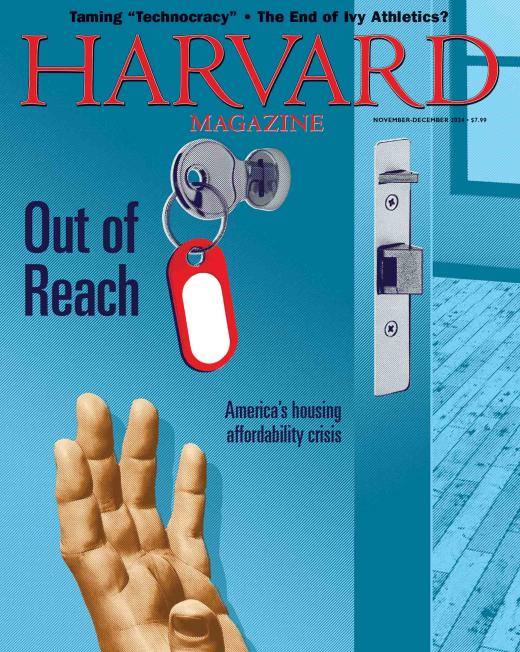

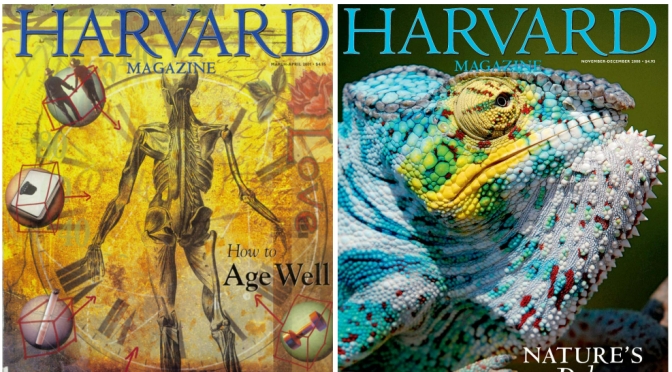
HARVARD MAGAZINE (October 15, 2024): The latest issue features ‘Out of Reach’ – America’s housing affordability crisis…
America’s housing problem—and what to do about it by Jonathan Shaw
Latanya Sweeney confronts our all-consuming “technocracy.” by Lydialyle Gibson
College sports are changing. Will Harvard athletics? by Max J. Krupnick
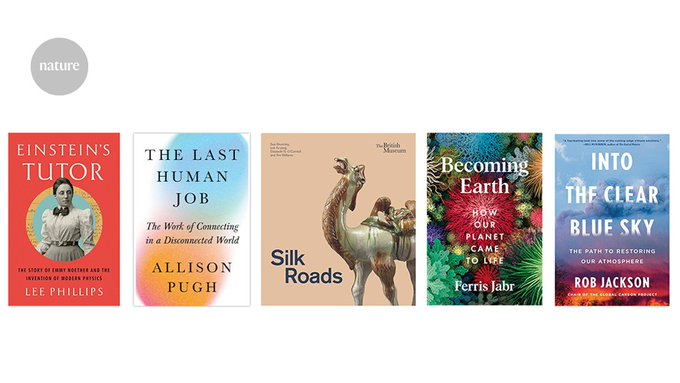
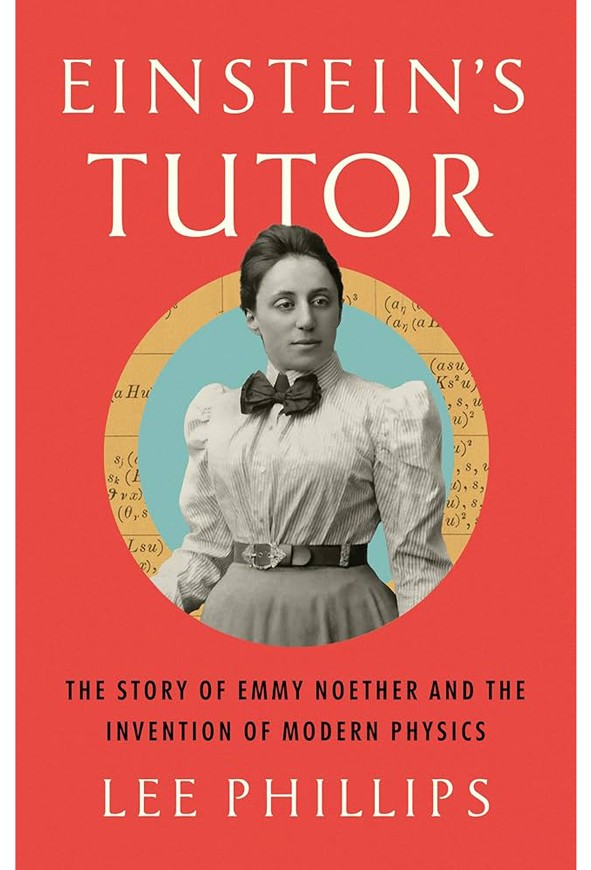
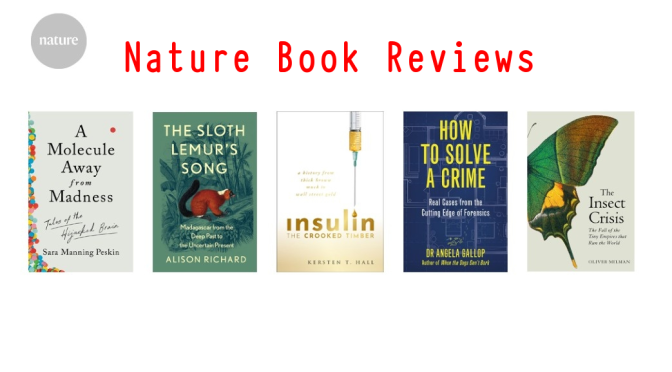
Einstein’s Tutor
Lee Phillips PublicAffairs (2024)
Major studies of Albert Einstein’s work contain minimal, if any, reference to the role of German mathematician Emmy Noether. Yet, she was crucial in resolving a paradox in general relativity through her theorem connecting symmetry and energy-conservation laws, published in 1918. When Noether died in 1935, Einstein called her “the most significant creative mathematical genius thus far produced since the higher education of women began”. In this book about her for the general reader, physicist Lee Phillips brings Noether alive.
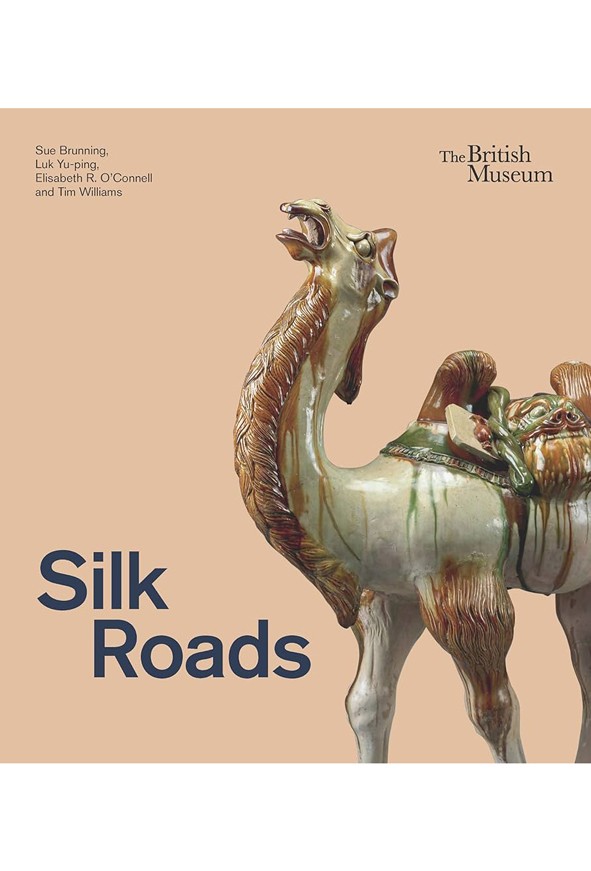
Silk Roads
Sue Brunning et al. British Museum Press (2024)
The first object discussed in this lavishly illustrated British Museum exhibition book reveals the far-ranging, mysterious nature of the Silk Roads. It is a Buddha figure, excavated in Sweden from a site dated to around ad 800, and probably created in Pakistan two centuries earlier. No one knows how it reached Europe or its significance there. As the authors — three of them exhibition curators — admit, it is “impossible to capture the full extent and complexity of the Silk Roads in a single publication”— even by limiting their time frame to only five centuries.
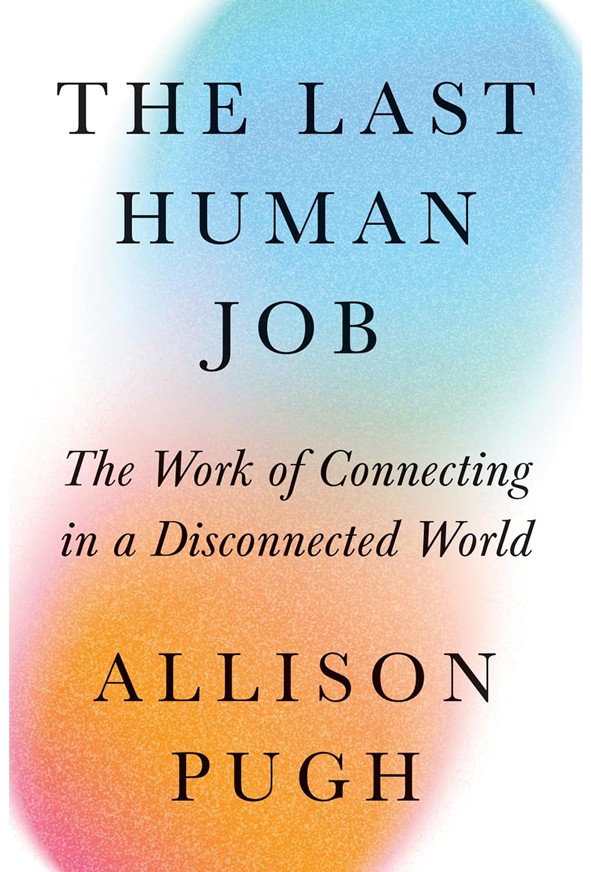
The Last Human Job
Allison Pugh Princeton Univ. Press (2024)
A century ago, notes sociologist Allison Pugh, people doing their food shopping gave lists to shop workers, who retrieved the goods then haggled over the prices. The process epitomized what she terms connective labour, which involves “an emotional understanding with another person to create the outcomes we think are important”. A healthy society requires more connective labour, not more automation, she argues in her engaging study, which observes and interviews physicians, teachers, chaplains, hairdressers and more.
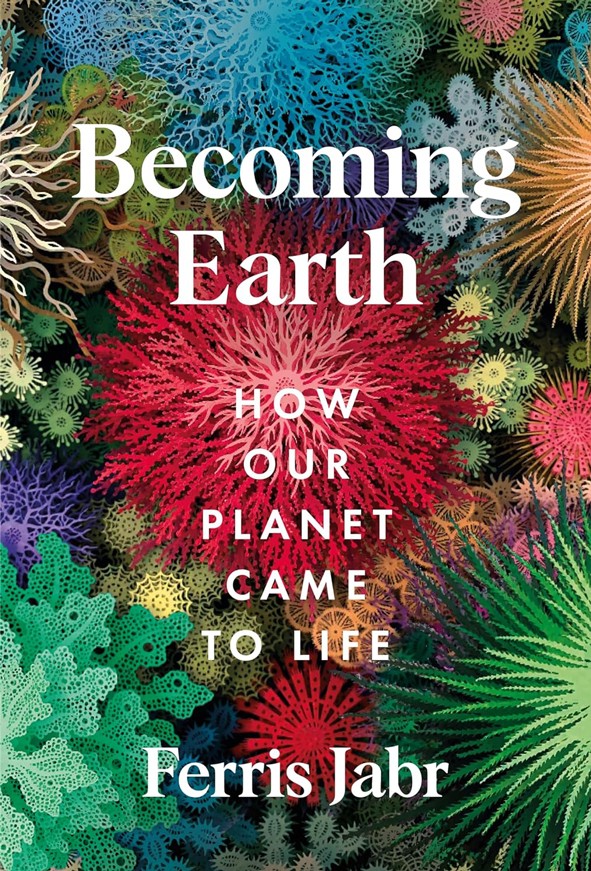
Becoming Earth
Ferris Jabr Random House (2024)
According to science journalist Ferris Jabr, his intriguing book about Earth — divided into three sections on rock, water and air — is “an exploration of how life has transformed the planet, a meditation on what it means to say that Earth itself is alive”. If this definition sounds similar to the Gaia hypothesis by chemist James Lovelock and biologist Lynn Margulis, that is welcome to Jabr, who admires Lovelock as a thinker and personality. He also recognizes how the 1970s hypothesis, which evolved over decades, still divides scientists.
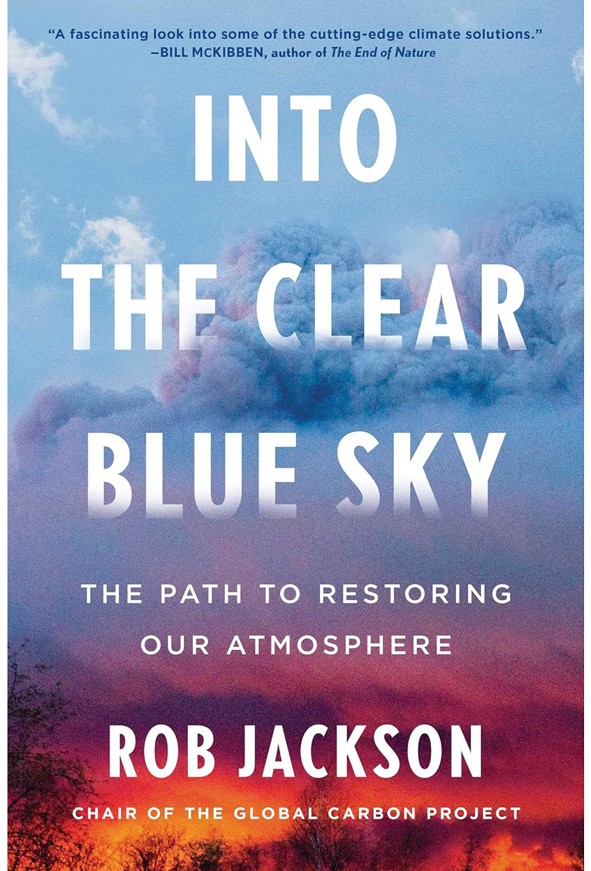
Into the Clear Blue Sky
Rob Jackson Scribner (2024)
Earth scientist Rob Jackson chairs the Global Carbon Project, which works to reduce greenhouse-gas emissions and improve air and water quality. His book begins hopefully on a visit to Rome, where Vatican Museums conservators discuss the “breathtaking” restoration of the blue sky in Michelangelo’s fresco The Last Judgement, damaged by centuries of grime and visitors’ exhalations. But he ends on a deeply pessimistic note on a research boat in Amazonia, which is suffering from both floods and fires: the “Hellocene”.
 Boomers Daily