On this week’s show: The U.S. government is partnering with academics to speed up the search for more than 80,000 soldiers who went missing in action, and how humans create their own “oxidation zone” in the air around them.
First up on the podcast this week, Tess Joosse is a former news intern here at Science and is now a freelance science journalist based in Madison, Wisconsin. Tess talks with host Sarah Crespi about attempts to use environmental DNA—free-floating DNA in soil or water—to help locate the remains of soldiers lost at sea. Also featured in this segment:
University of Wisconsin, Madison, molecular biologist Bridget Ladell Woods Hole Oceanographic Institution marine biologist Kirstin Meyer-Kaiser
Also this week, Nora Zannoni, a postdoctoral researcher in the atmospheric chemistry department at the Max Planck Institute for Chemistry, talks about people’s contributions to indoor chemistry. She chats with Sarah about why it’s important to go beyond studying the health effects of cleaning chemicals and gas stoves to explore how humans add their own bodies’ chemicals and reactions to the air we breathe. In a sponsored segment from Science/AAAS Custom Publishing Office, Sean Sanders, director and senior editor for Custom Publishing, interviews Benedetto Marelli, associate professor at MIT, about winning the BioInnovation Institute & Science Prize for Innovation and how he became an entrepreneur.
Measures to capture carbon in soil may be less effective than hoped, scientists say
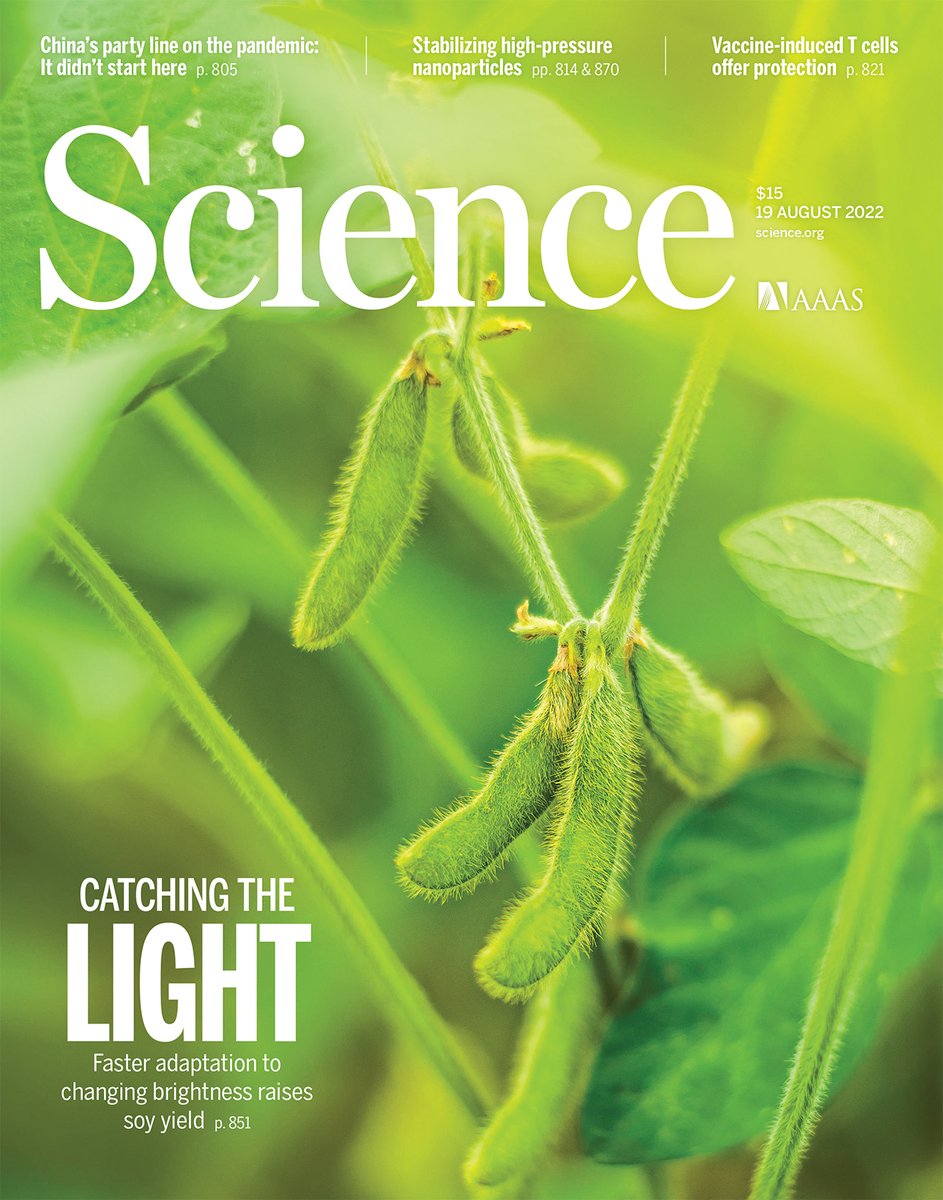
Bioengineering soybean plants to improve regulation of photoprotection—a natural process that enables plants to cope with excess absorbed light energy—improved soybean seed yield by up to 33% in field trials.
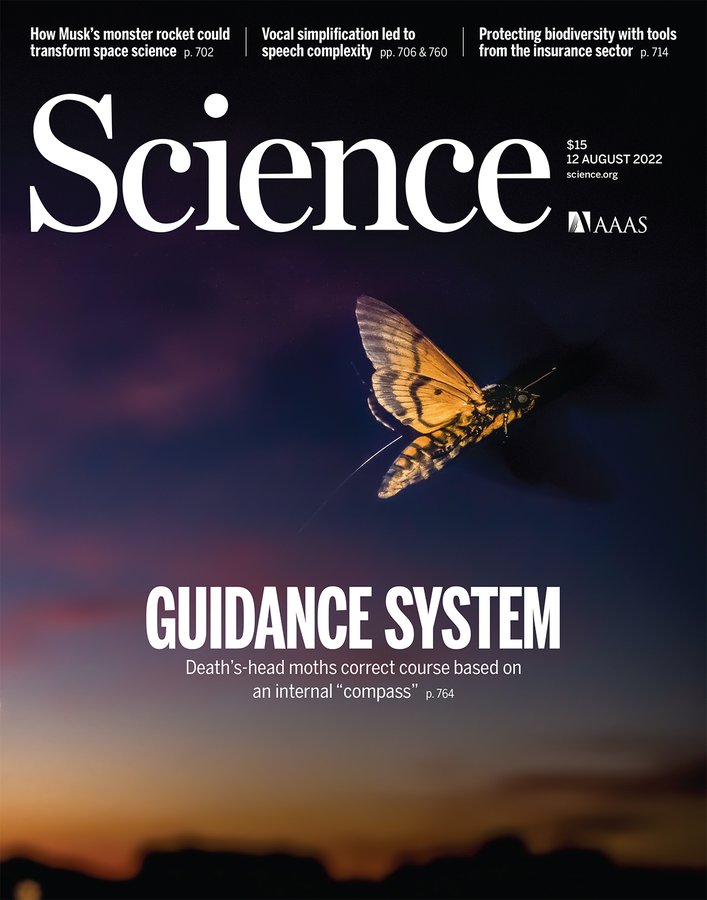
Death’s-head moths correct course based on an internal “compass,” a new study finds, revealing insights into how insects traverse such long distances during seasonal migrations.
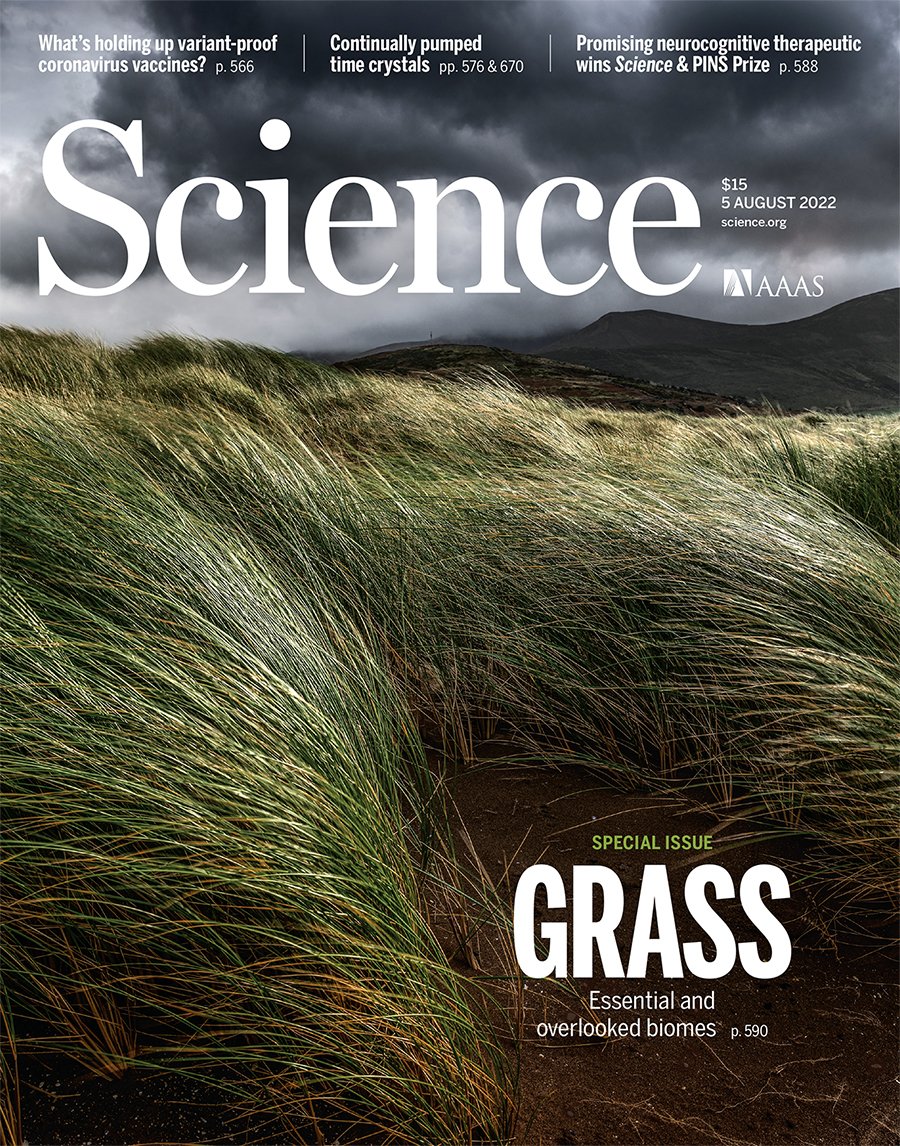
Marram grass, or beachgrass, grows on and stabilizes coastal sand dunes on Ireland’s Dingle Peninsula. Grasses, whether terrestrial or submarine, tend to be undervalued but have influenced the trajectory of human history through their domestication as food staples, as well as natural ecosystems worldwide. If restored and conserved appropriately, grasslands can benefit climate change mitigation efforts. See the special section beginning on page 590.
A new special issue of Science explores the unrecognized value of grass: https://fcld.ly/bo80dpr
Giant study of ancient pottery and DNA challenges common evolutionary explanation for lactase persistence
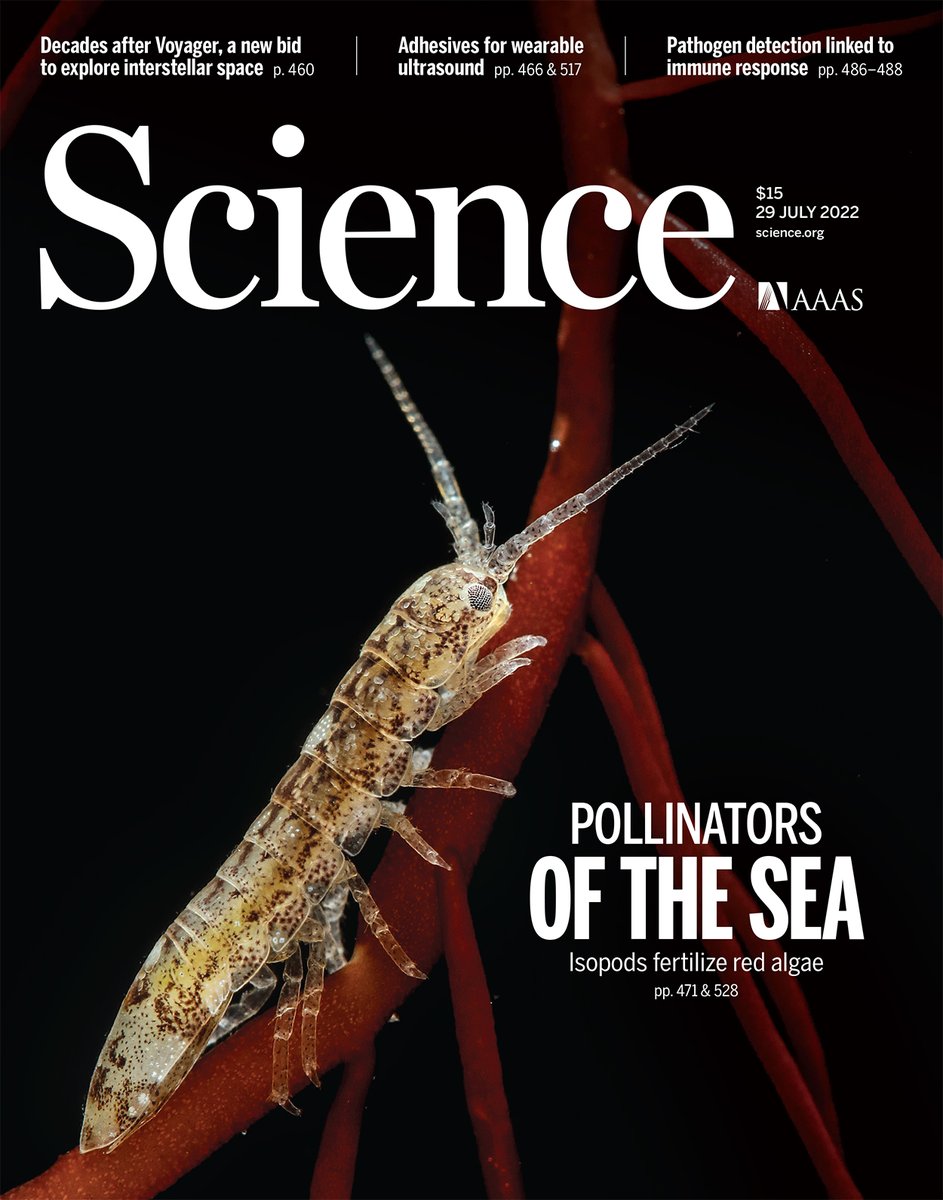
A small marine isopod plays a role in fertilizing red seaweed, according to a new report that presents evidence of animal-mediated “pollination” in the marine environment. Read that study and more this week in Science: https://fcld.ly/fhhe8ba
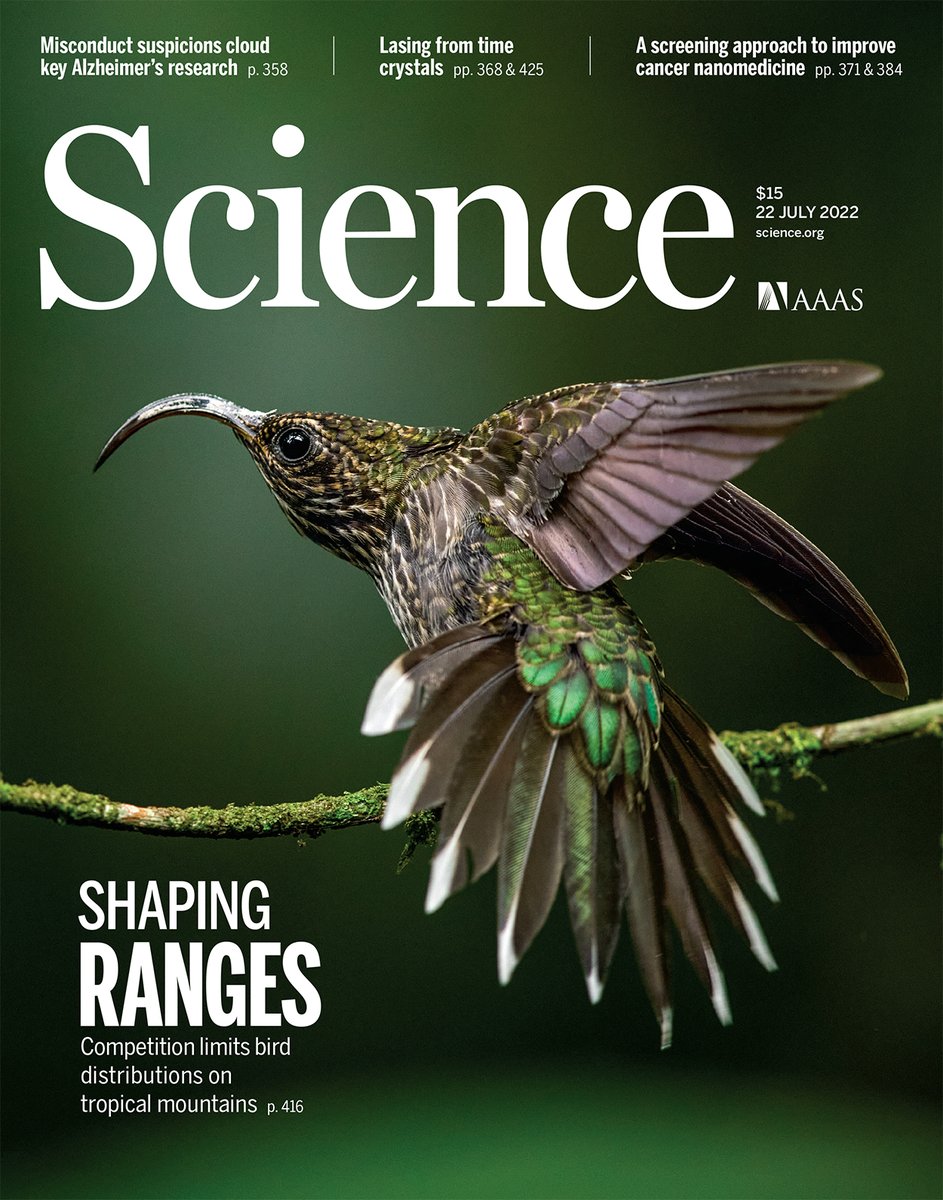
Species tend to live in narrower slices of mountainside on tropical versus temperate mountains. Stronger competition in the tropics explains this pattern for birds. For example, the habitable range of this white-tipped sicklebill (Eutoxeres aquila) is limited as a result of competition with its close relative, the buff-tailed sicklebill (Eutoxeres condamini). See page 416.
COVER: Voltage pulses from the tip of a scanning probe microscope induce single-molecule chemical reactions with selectivity and reversibility. Different constitutional isomers (distinguished here in shades of red, orange, and yellow) are selected by the polarity and magnitude of the voltage pulse. The findings advance the understanding of tip-induced chemistry and reduction-oxidation reactions in general. See pages 261 and 298.







 Boomers Daily