
Millions are gearing up for a burst of activity this year as the Omicron variant wanes and schools, offices, and in-person leisure activities reopen in full force. In this issue: https://t.co/1HMRxvwWpA pic.twitter.com/hh2JpxD6Fd
— Barron's (@barronsonline) February 5, 2022
Tag Archives: Retirement
Cover Preview: Barron’s Magazine – January 17

U.S. Rankings: Best Places To Retire In 2022 – U.S. News

Communities: Ten Best Places To Live In Louisiana
Louisiana is a southeastern U.S. state on the Gulf of Mexico, it’s one of the best states to live in the United States, with affordable housing, great public and private schools, and safe cities. Louisiana is one of the happiest states with vibrant culture, lively communities, flavorful and diverse cuisines, and beautiful outdoors.
Here’s our list of the best places to live in Louisiana. 10. Lafayette. (overall) 9. Baton Rouge. (overall, affordable) 8. Shreveport. (overall) 7. New Orleans. (overall, retire) 6. Lake Charles. (affordable) 5. Bossier City. (affordable) 4. Alexandria. (overall) 3. Metairie. (retire) 2. Mandeville. (family) 1. Prairieville. (family)
Famous for lively and colorful Mardi Gras celebrations that are full of soul, jazz music, distinctive foods, and flavors, and for its many festivals all throughout the year, Louisiana is also home to the world’s longest water-spanning bridge and the USA’s tallest state capitol. Unfortunately, the weather in Louisiana is unpredictable, to say the least. Plan to experience all four seasons in just a few days! Residents living in Louisiana enjoy a subtropical climate characterized by hot, humid summers and mild winters. Temperatures can vary wildly and while one day may be perfect beach weather, the following day could be wet and windy or shiver-inducing cold. Louisiana is filled with some of the most amazing small towns and bigger cities in the country. Located on the Gulf of Mexico, Louisiana provides a variety of outdoor recreation options from beaches and swamps to golf courses, hiking trails, and bike paths. New Orleans, Lafayette, Lake Charles, LaPlace Kenner, and Shreveport are among the best places to live in Louisiana. Top industries in Louisiana include petroleum and natural gas production, tourism, filmmaking, and seafood, especially crawfish. Here’s our list of the best places to live in Louisiana. 10. Lafayette. (overall) 9. Baton Rouge. (overall, affordable) 8. Shreveport. (overall) 7. New Orleans. (overall, retire) 6. Lake Charles. (affordable) 5. Bossier City. (affordable) 4. Alexandria. (overall) 3. Metairie. (retire) 2. Mandeville. (family) 1. Prairieville. (family)

Retirement: Paying Less Taxes On Social Security
Social Security benefits are federally taxed at three different tiers. The amounts depend on your income, marriage status and whether you file jointly or separately. Paying less in taxes can come down to how much money you pull out of your retirement accounts in a given year. Watch this video for tips on how to pay less in taxes on your Social Security benefits.

Retirement: ‘How 401(K) Plans Work’ (Video)
Since 1980, pensions plans have been phased out in favor of 401(k) plans. They now represent nearly one-fifth of the U.S. retirement market. So how did 401(k) plans become such a popular form of retirement savings and how should they be used? Watch the video to find out.
Retirement: How To Get To $75K/Yr In Passive Income
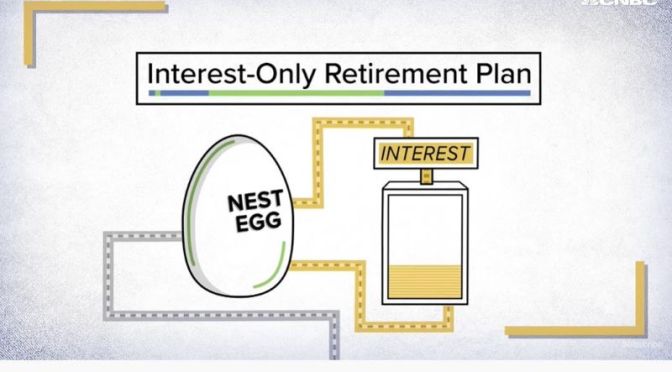
If you can save enough money now, you can fund your retirement by living off of your returns without draining your nest egg. Luckily, with time and dedication, you can make it happen. The official retirement age for most Americans is 67 years old. But that number largely matters for Social Security benefits. If you want to retire early, however, you will need a plan that relies primarily on your own savings and investments. CNBC crunched the numbers, and we can tell you how much you need to save now to safely get $75,000 of passive income every year in retirement. First, some ground rules. The numbers assume you will retire at 45, have no money in savings now and plan to save a substantial amount of income to reach your goal. For investing, we assume an annual 4% return when you are saving. We do not factor in inflation, taxes or any additional income you may get from Social Security and your 401(k). In retirement, we use the “4% rule,” which is a general principle that says you can comfortably withdraw 4% of your portfolio every year. It is important to note with the recent market volatility, there is a risk you’ll have to lower your spending percentage in the future. Check out this video to get a full breakdown of the numbers.

Retirement: ’12 Countries With Low Cost Of Living’
If you’re considering retirement abroad, you need information, and you need lots of it. But more than that, you need guidance on how to interpret that information. In many cases, you could decrease your monthly expenses, perhaps significantly, simply by relocating to a new country. Depending where in the world you choose to retire, you could enjoy big savings on housing, and other expenses. There are many tempting places in Europe, Latin America and Asia where you can live large on a small budget. You’ll also need to consider the visa application and residency process for moving to these countries. The countries mentioned in this video are some of the best option for retiring comfortably with low cost of living and access to healthcare. These countries are catching on quickly by attracting retirees with enticing retirement plans. So here are 12 Best countries to retire comfortably.
- Portugal
- Costa Rica
- Malaysia
- Ecuador
- Slovenia
- Thailand
- Greece
- Vietnam
- Mexico
- Philippines
- Uruguay
- Mauritius
Retirement: How Monthly ‘Social Security’ Benefits Are Calculated (Video)
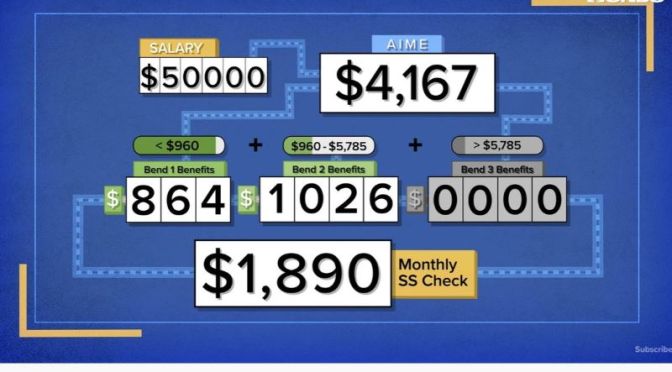
Planning to save for retirement might not be a priority. Luckily, you’ll have some help from Social Security. Different salaries can drastically raise or lower your Social Security benefits. Here’s how much you can expect, based on six different salaries. The average Social Security check in 2020 is $1,503. Figuring out how much you can expect every month when you retire depends on a few criteria. The size of your payment will be based on income from your working years, the year you were born and the age when you decide to start receiving benefits. Luckily, CNBC did the math for a wide range of salaries, and we can estimate your future benefits if you make between $30,000 and $100,000 per year. Remember: Social Security was not envisioned as your sole source of money for retirement, and the totals are always changing. Watch this video for a breakdown of how much you will get and how your monthly benefit will be calculated based on multiple different salaries.
Salaries: Why American Teachers Earn Much Less Than Other Professions
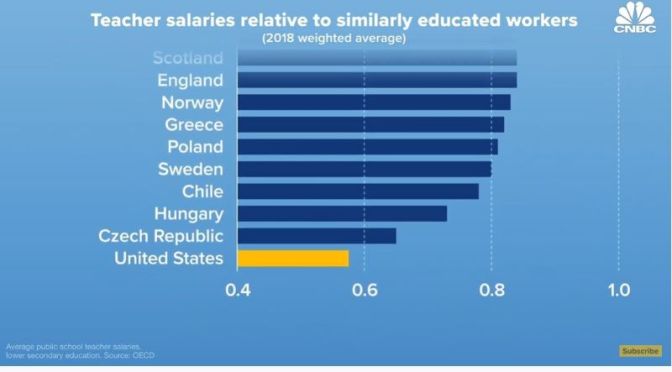
Teachers earn nearly 20% less than other professionals with similar education and experience, according to the Economic Policy Institute. In many states, their wages are below the living wage, forcing teachers to seek secondary jobs to supplement their income or leave the profession all together.
Since the outbreak of the coronavirus pandemic and the rise of remote learning, the challenges faced by educators has become increasingly demanding. Some organizations are trying to redesign teacher pay structures in some of the 13,500 public school districts nationwide. Watch the video above to learn more about why teachers are paid so little and how to fix that.
 Boomers Daily