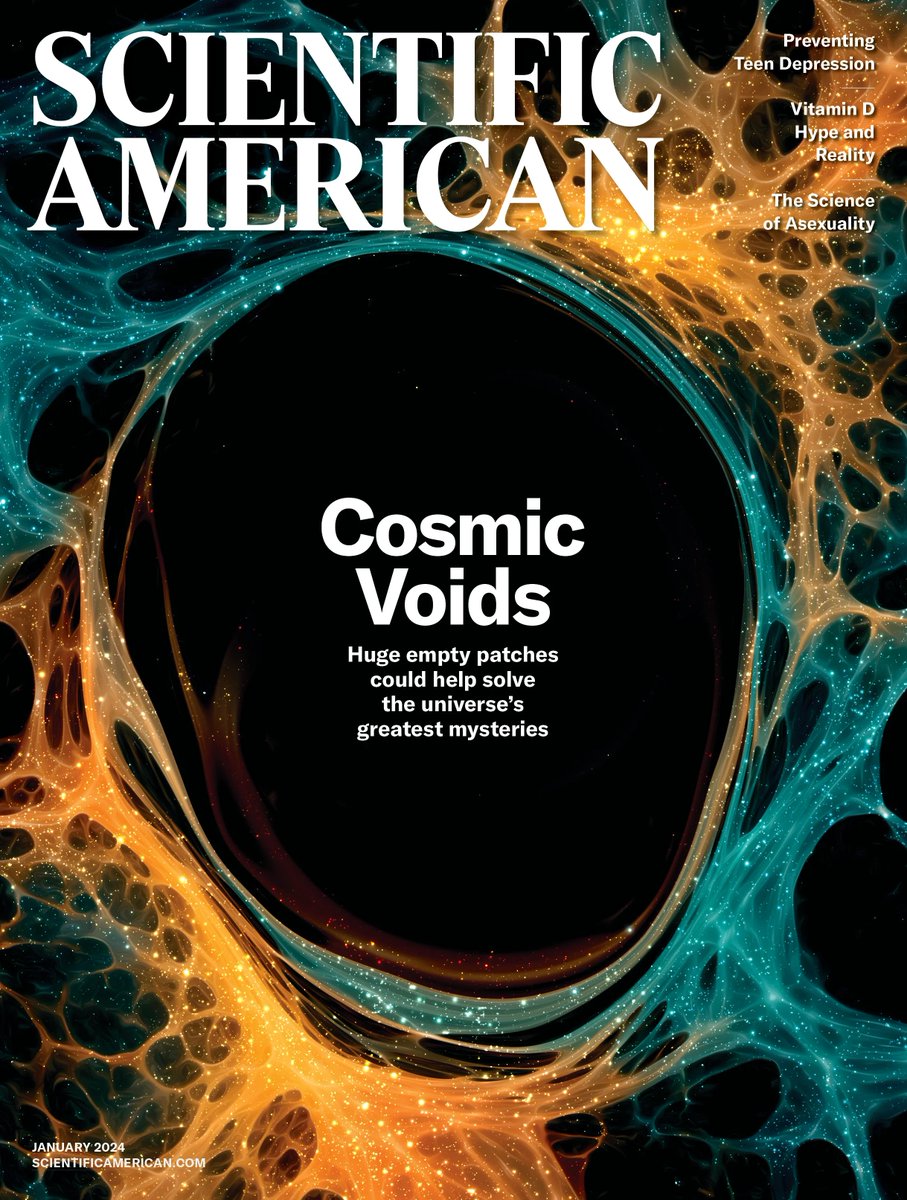
Scientific American (December 19, 2023): The January 2024 issue features How Much Vitamin D Do You Need to Stay Healthy?; Inside Mathematicians’ Search for the Mysterious ‘Einstein Tile’; How Analyzing Cosmic Nothing Might Explain Everything; Why Are Alaska’s Rivers Turning Orange?; and Intervention at an Early Age May Hold Off the Onset of Depression…
Science Magazine – December 14, 2023: The new issue cover features The 2023 Breakthrough of the Year: Obesity meets its match – Blockbuster weight loss drugs show promise for a wider range of health benefits; Runners-Up: At last, modest headway against Alzheimer’s; and Breakdowns of the Year – What went wrong in the world of Science….
Blockbuster weight loss drugs show promise for a wider range of health benefits
Obesity plays out as a private struggle and a public health crisis. In the United States, about 70% of adults are affected by excess weight, and in Europe that number is more than half. The stigma against fat can be crushing; its risks, life-threatening. Defined as a body mass index of at least 30, obesity is thought to power type 2 diabetes, heart disease, arthritis, fatty liver disease, and certain cancers.
Medicine has had little to offer the tens of millions of people worldwide with Alzheimer’s disease, and the few approved treatments have only targeted symptoms. But in January, U.S. regulators greenlit the first drug that clearly, if modestly, slows cognitive decline by tackling the disease’s underlying biology; a second, related treatment is close behind. Neither comes close to a cure, and both have serious risks, but they offer new hope to patients and families.
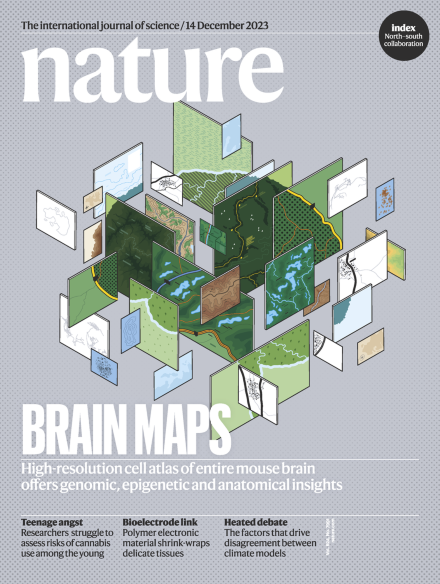
Nature Magazine – December 13, 2023:The latest issue cover features the BRAIN Initiative Cell Census Network (BICCN), which presented nine papers that map the entire mouse brain in unprecedented detail.
The extravagantly feathered Seychelles paradise flycatcher lacks genetic diversity, which might hamper its resilience to climate change and other threats.
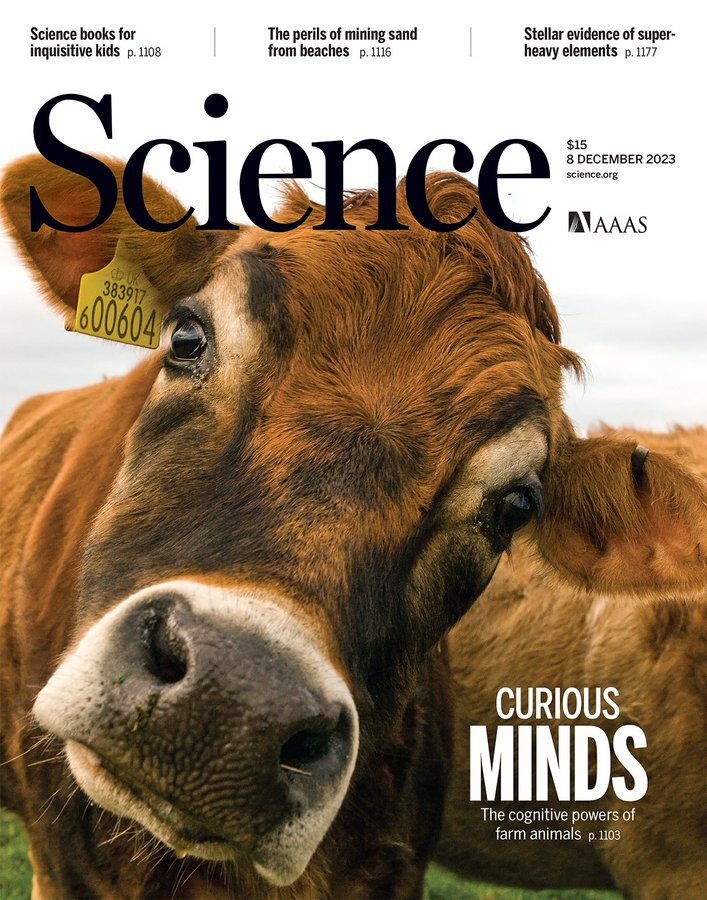
Science Magazine – December 7, 2023: The new issue cover features new research that shows that farm animals may be capable of much cognitive powers than currently known…
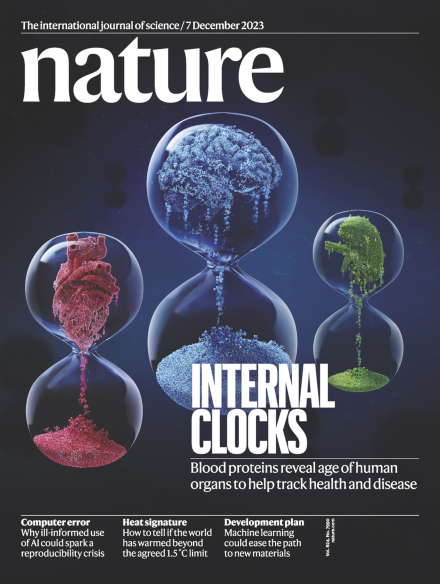
Nature Magazine – December 6, 2023:The latest issue cover features Internal Clocks – Blood proteins reveal age of human organs to help track health and disease…
The massive buried structures at Gunung Padang in Indonesia would be much older than Egypt’s great pyramids — if they’re even human constructions at all.
Ancient humans painted scenes in Indonesian caves more than 45,000 years ago, but their art is disappearing rapidly. Researchers are trying to discover what’s causing the damage and how to stop it — before the murals are gone forever.
Wall Street Journal (December 6, 2023) – To help counter China, the U.S. military is racing to develop a fleet of next-generation drones. For the Pentagon, it’s not just a matter of gaining the technological edge.
Video timeline: 0:00 Autonomous systems 0:40 The need for next-generation drones 1:49 Scaling up 4:07 Keeping up with China
It’s a race against the clock, as Beijing has militarized islands in the South China Sea, and President Xi Jinping has ordered his military to be ready to invade Taiwan by 2027. Some experts are skeptical the U.S. military can work fast enough to meet its goals.
Science Magazine – November 30, 2023:The new issue cover features a chinstrap penguin (Pygoscelis antarcticus) cares for a chick while its partner catches a quick nap.
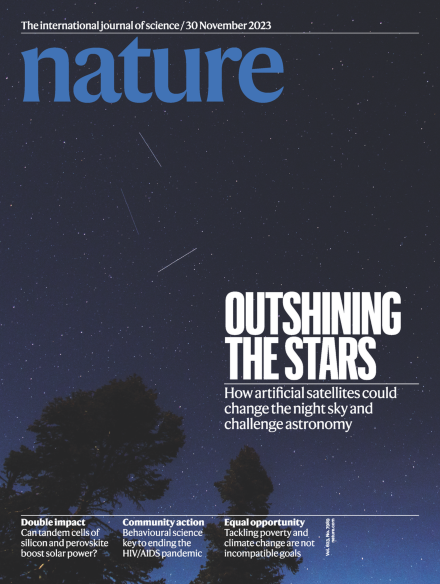
Nature Magazine – November 29, 2023:The latest issue cover features trails left by satellites, including BlueWalker 3, a prototype communications satellite, as they pass across the sky.
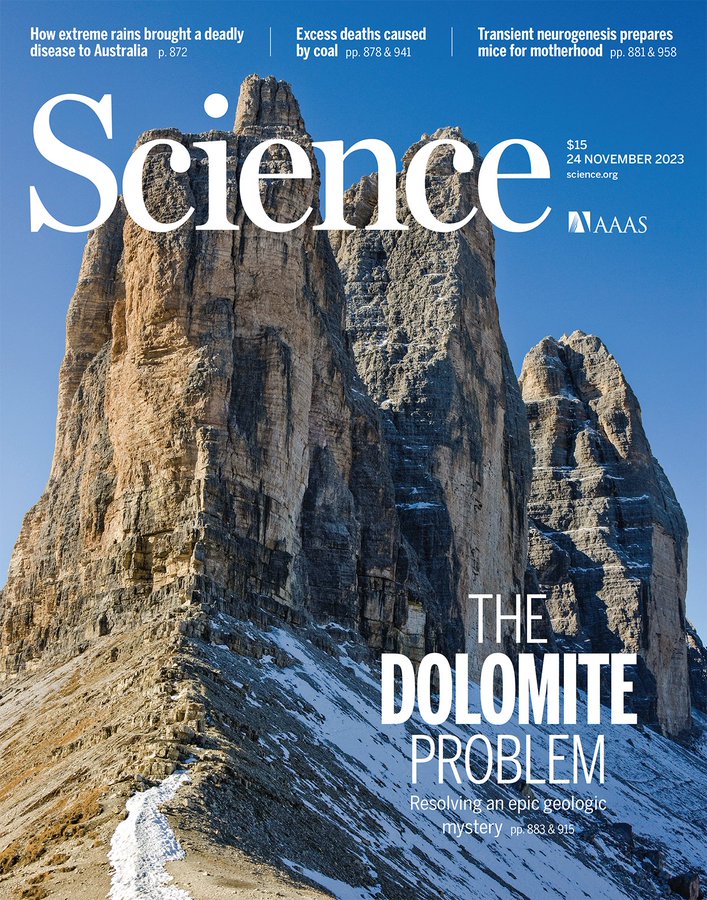
Science Magazine – November 17, 2023: The new issue features Dolomite, a key mineral in stunning geological formations, such as Drei Zinnen (shown here), Niagara Falls, and Hoodoos. Despite its natural abundance, laboratory growth of dolomite has proven impossible—a contradiction known as the “dolomite problem.”


 S
S







 Boomers Daily