Tag Archives: QAnon

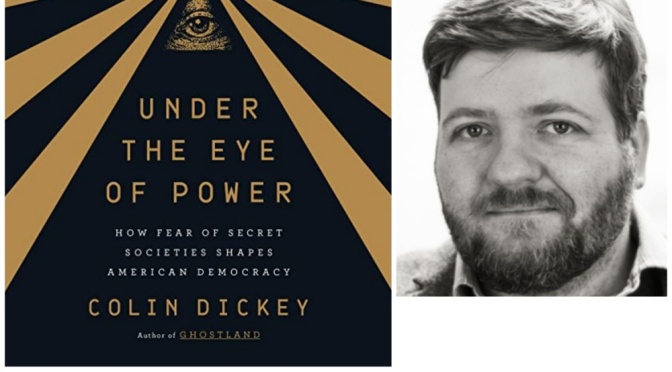
Interviews: ‘Under The Eye Of Power’ Author Colin Dickey – ‘Panic & Paranoia’

The American Scholar (July 14, 2023): In his new book, ‘Under the Eye of Power’, Colin Dickey asks, “What if paranoia, particularly a paranoia of secret, subversive societies, is not just peripheral to the functioning of democracy, but at its very heart?”
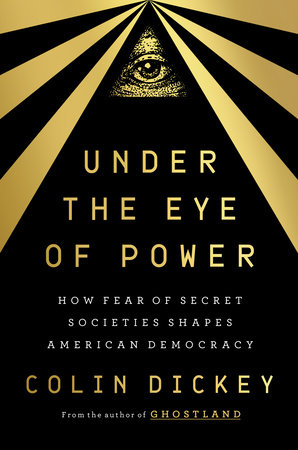
Under the Eye of Power by Colin Dickey: 9780593299456 |  PenguinRandomHouse.com: Books

The litany of contemporary conspiracy theories runs long: Pizzagate, QAnon, chemtrails, “jet fuel can’t melt steel beams,” “birds aren’t real.”

Some of these are funny—the rumor that Avril Lavigne and/or Paul McCartney have been replaced by doppelgängers—and some have deadly consequences, like the mass murders motivated by replacement theory or the Chronicles of the Elders of Zion.

We might like to think this is a recent phenomenon, but the first American president to espouse a conspiracy theory was actually George Washington, a freemason who believed that the Illuminati caused the French Revolution.
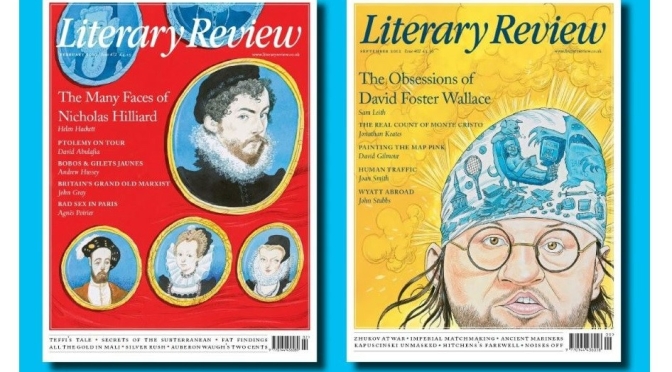
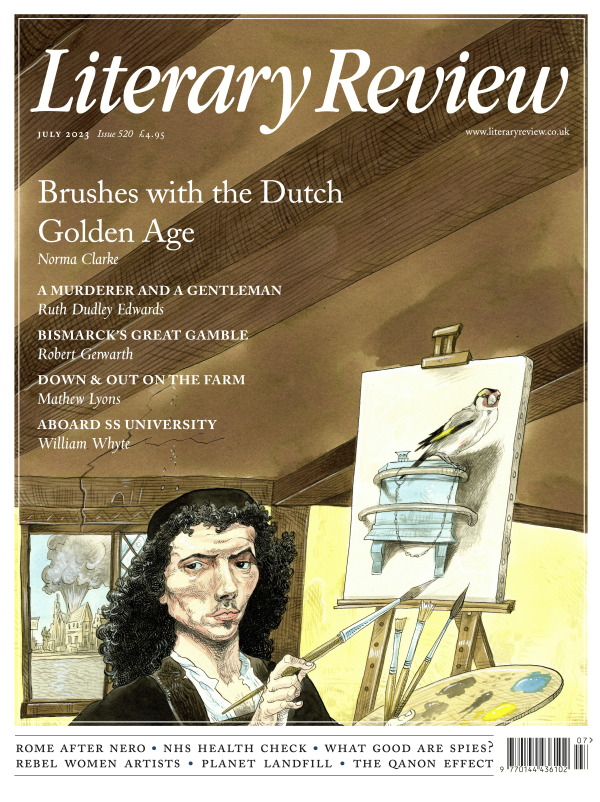
Books: Literary Review Magazine – July 2023

Image

Literary Review – July 2023 Issue: Brushes with the Dutch Golden Age; @LauraCummingArt’s ‘Thunderclap’ – a remarkable experiment in form as well as a richly satisfying extended meditation on art, life and death’; Bismarck’s Great Gamble; Eden by Thames – The Infinite City: Utopian Dreams on the Streets of London…

Conspiracy Theory of Everything

Post-Truth: How Bullshit Conquered the World: Amazon.co.uk: James Ball:  9781785902147: Books

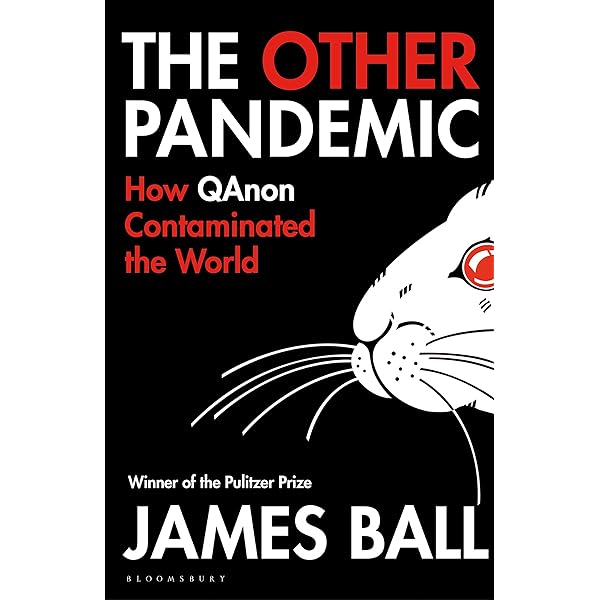
The Other Pandemic: How QAnon Contaminated the World By James Ball

Back in the mists of time, great idealism surrounded social media. There was a sense that global interconnection would shift us into a more egalitarian and democratic age. How time makes fools of us all. 

Blast from the Past

Thunderclap: A Memoir of Art & Life & Sudden Death By Laura Cumming

As a teenager with an interest in art, growing up on London’s Old Kent Road with a father whose mantra was ‘God gave you legs to walk’ (he didn’t believe in God but he did believe in walking), I often found myself on Sunday afternoons walking to the National Gallery in Trafalgar Square. I remember distinctly the day I discovered the Dutch painters. It wasn’t Rembrandt or Vermeer who caught my eye, but Hendrick Avercamp and, especially, Pieter de Hooch. 

Conspiracy Theories: ‘Why People Are So Attracted?’

Belief in conspiracy theories is far more widespread than the stereotypes that dominate pop culture. Recently, QAnon, Covid-19 and 5G theories have gained traction and criticism while less controversial conspiracies like the faked moon landing have persisted for decades. We all share hardwired evolutionary traits that make us vulnerable to them, from the way we assign truth to new information to our tendency to find patterns in unrelated phenomena. But if we’re all potentially susceptible to conspiracy theories, how can we manage these cognitive shortcuts?