From a The Guardian online article (Feb 12, 2020):
What characterizes ultra-processed foods is that they are so altered that it can be hard to recognize the underlying ingredients. These are concoctions of concoctions, engineered from ingredients that are already highly refined, such as cheap vegetable oils, flours, whey proteins and sugars, which are then whipped up into something more appetizing with the help of industrial additives such as emulsifiers.
Read full article
From a MedPage Today online article (March 7, 2020):
The top ultra-processed foods by calorie intake were breads, beverages, cakes, 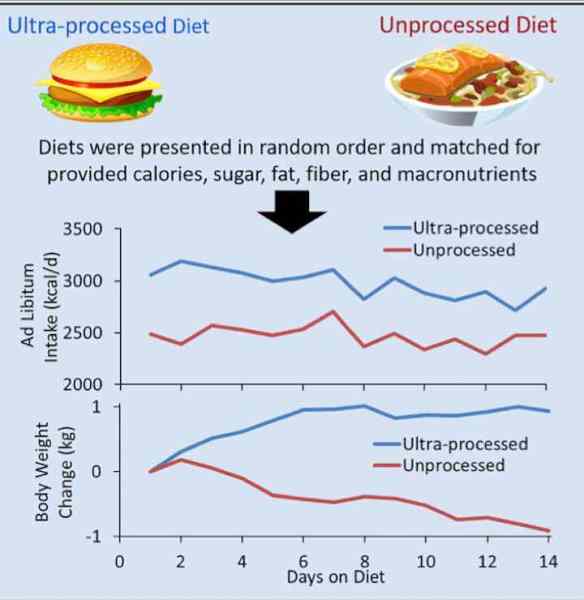 cookies and pies, salty snacks, frozen and shelf-stable dishes, pizza, and breakfast cereals.
Altogether, ultra-processed foods accounted for 58% of all calories in the U.S. diet and nearly 90% of all added sugars.
They divided foods into four categories:
- Unprocessed or minimally processed foods: Fresh, dry, or frozen fruits or vegetables, grains, legumes, meat, fish, and milk
- Processed culinary ingredients: Table sugar, oils, fats, salt, and other substances extracted from foods or from nature and used in kitchens to make culinary preparations
- Processed foods: Foods manufactured with the addition of salt, sugar, or other substances of culinary use to unprocessed or minimally-processed foods, such as canned food, simple breads, and cheese
- Ultra-processed foods: Formulations of several ingredients that — besides salt, sugar, oils, and fats — include food substances not used in culinary preparations, in particular, flavors, colors, sweeteners, emulsifiers, and other additives used to imitate sensory qualities of unprocessed or minimally-processed foods and their culinary preparations or to disguise undesirable qualities of the final product
Read full article




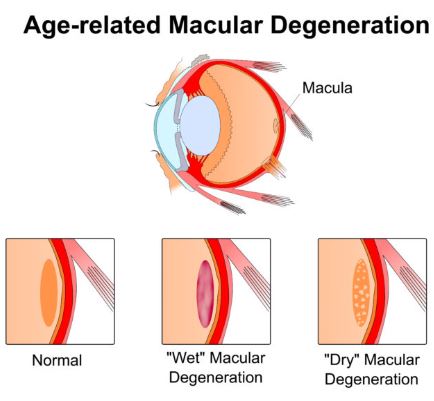 “Our work provides additional evidence that that diet matters,” Millen added. “From a public health standpoint, we can tell people that if you have early AMD, it is likely in your best interest to limit your intake of processed meat, fried food, refined grains, and high-fat dairy to preserve your vision over time.”
 Boomers Daily