
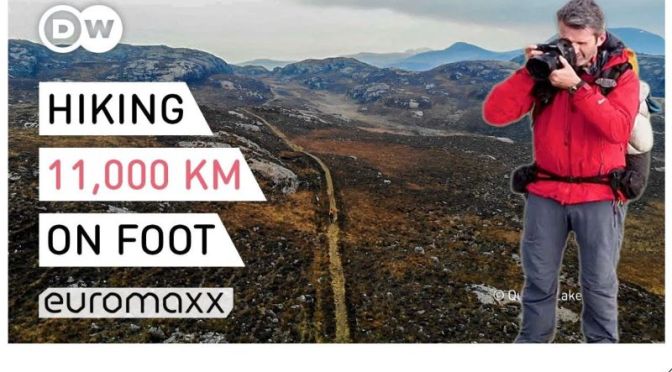
British photographer Quintin Lake decided to hike around the coast of Britain on foot, which took him a total of 11,000 kilometres to complete. 180,000 photos are testament to his impressions from this extreme tour.
Tag Archives: Photography
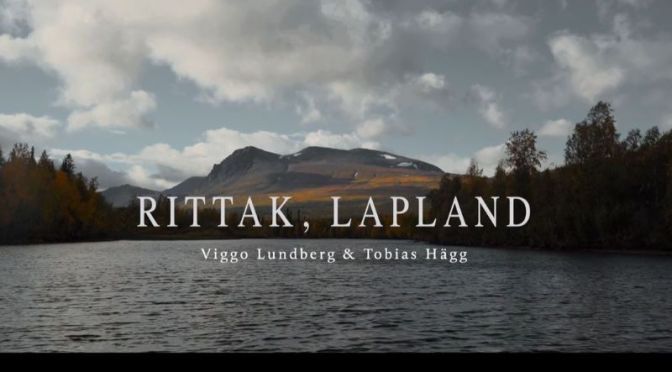
Adventure: ‘Helicamping In The Lapland Wilderness’ In Sweden (Travel Video)
A Short by Viggo Lundberg & Tobias Hägg
After many visits to Swedish Lapland my love for the area just keeps on growing, there is few places on earth where I feel so at home.
I have done many helicopter flights in these regions of Swedish Lapland, mostly for photography. Everytime i pass certain areas it just takes my breath away and i’ve always wondered what it would be like down there. So i decided to try to reach it . Unfortunately it’s not so easy to reach by foot so we went Helicamping and we spent an unforgettable evening out in Rittak, Swedish Lapland.
Lappland, often anglicised as Lapland, is a province in northernmost Sweden. It borders Jämtland, Ångermanland, Västerbotten, Norrbotten, Norway and Finland. Nearly a quarter of Sweden’s land area is in Lappland. Lappland originally extended eastward.
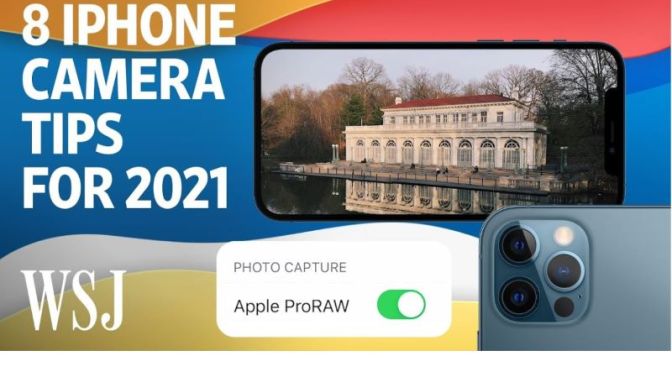
Photography: Top Tips For Taking Great Photos On The iPHone Camera (Video)
Apple has quietly given its Camera app a major overhaul — with great tricks hidden in its interface. WSJ’s Kenny Wassus demos the new features, from simultaneous video and photo capture to Burst Mode and the new Pro Raw format.
Photo illustration: Kenny Wassus
Video Timeline: 0:00 – 0:44 Introduction 0:45 – 1:17 Hidden Camera Levels 1:18 – 1:44 Quick Video Capture 1:45 – 2:10 Burst Mode 2:11 – 2:37 Preserve Creative Control 2:38 – 3:06 Reveal Exposure Control 3:07 – 3:37 24 FPS Video Recording 3:38 – 4:10 Mirror Selfie 4:11 – 5:39 Apple Pro Raw
Visit WSJ.com: http://www.wsj.com
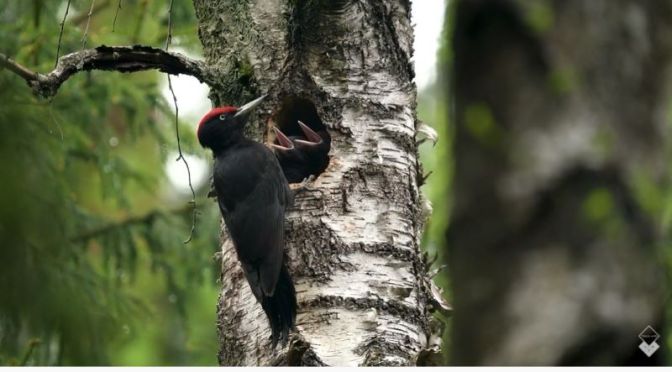
Photography: ‘Nature Highlights In Norway’
Filmed, Photographed and Edited by: T.Haaland Photography
In this video, I show my photography in 2020 and share my favorite highlights of the year.
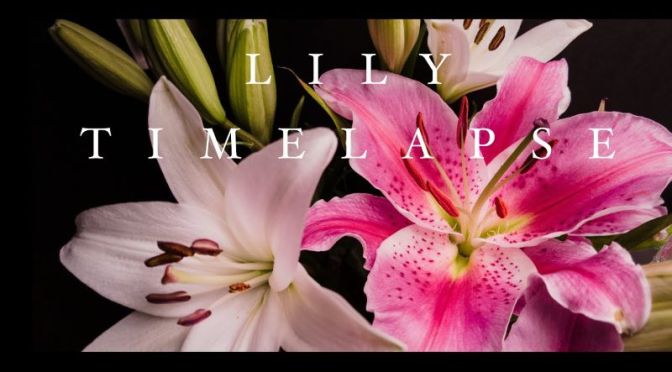
Timelapse Photography: ‘Lilies In Bloom’ (4K Video)
Filmed and Edited by: Christopher Putvinski
A short video of pink and white lilies blooming over the course of a week. The video is comprised of roughly 1,300 photos, compiled at 24 frames per second. Hope you enjoy it. Music is “Overlook” by Roary (via Musicbed)

Photography: ‘Reuters Aerial Pictures Of The Year 2020’ (Video)
A collection of some stunning aerial images taken by Reuters photographers in 2020.
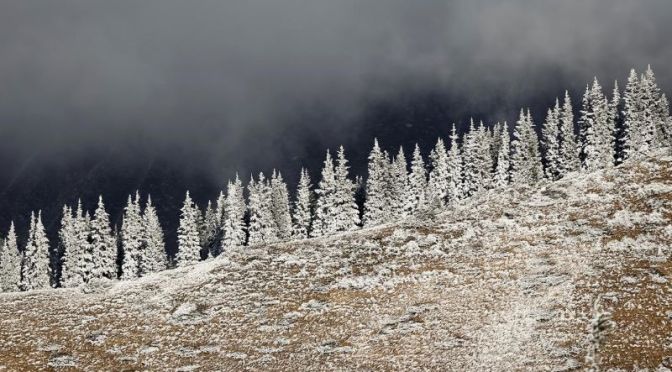
Photography: ‘Reuters Pictures Of The Year 2020 – World Landscapes’ (Video)
A selection of some stunning landscapes taken in various parts of the world in 2020.
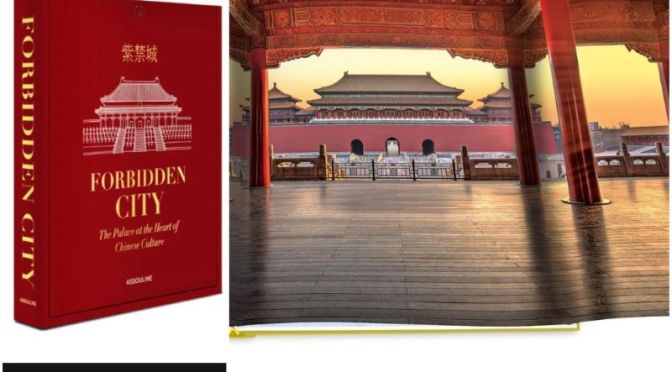
Books: ‘Forbidden City – The Palace at the Heart of Chinese Culture’ (Video)
For more than six centuries, the Forbidden City has awed all those who have travelled from near and far to explore its 900 golden-roofed buildings, set amid moats, gardens, and plazas, where thousands of people lived and worked in service of the world’s largest and most sophisticated pre-modern empire. Marco Polo called it “the greatest Palace that ever was;” Simon Leys praised its architectural genius; and Franz Kafka viewed it as an impressive yet alarming symbol of power.
In this compelling addition to Assouline’s Ultimate Collection, Pulitzer Prize-winning author Ian Johnson guides readers through the magnificent and storied palace built by China’s Yongle Emperor to serve as the seat of the Ming dynasty. Weaving in history and events of the past six centuries and featuring more than 100 photographs, artworks, and historical artifacts, this luxury tome conjures life in this imperial sphere—a small city unto itself, in which soldiers, eunuchs, concubines, and merchants resided alongside the royalty they served. A stunning homage to the grand beauty of one of the most complex structures in all of history, Forbidden City reveals that 600 years after its construction, this royal monument endures as the physical and spiritual heart of Chinese civilization. This volume is presented in a regal, glossy red box reminiscent of traditional Chinese lacquerware, and that features a delicately carved map of the Forbidden City’s grounds.
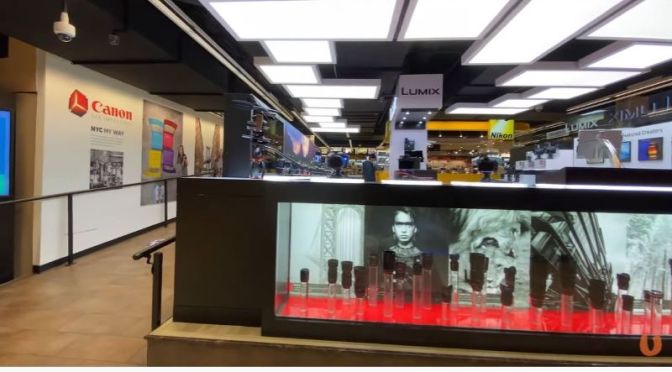
Video Tour: ‘B&H Photo’ in NYC – One Of The Largest Camera Stores In America
B&H Photo Video (also known as B&H Photo and B&H and B&H Foto & Electronics Corporation) is an American photo and video equipment retailer founded in 1973, based in Manhattan, New York City.[1] B&H conducts business through online e-commerce consumer sales, business to business sales, and its one retail location. Customers engage with B&H via its websites, retail store, phone sales and customer service, email, and chat channels.
B&H stands for Blimie & Herman, the founders of the store. B&H was named the leading online consumer electronics retailer by Consumers Reports for 2018. Newsweek named B&H as one of America’s Top Companies for Customer Service for 2019, with top position in the consumer electronics category based on over 130,000 customer evaluations. In 2018, Forbes named B&H as one of America’s Best Mid-Size Employers. Also in 2018, B&H’s consumer website was recognized as the Best for User Experience of any e-commerce company by the Baymard Institute.
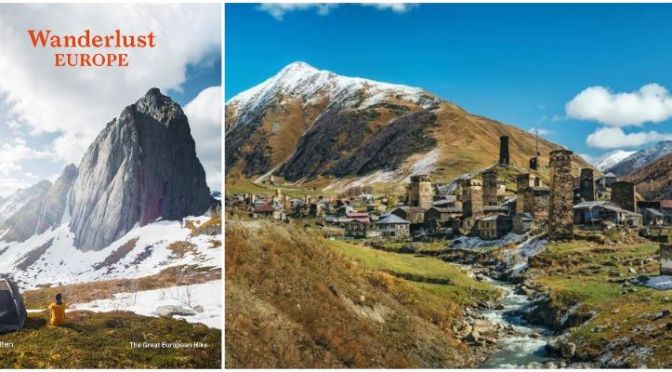
Travel & Photography: ‘Wanderlust Europe’ (2020)
Europe offers an astonishing variety of scenic landscapes and some of the most enchanting trails to explore them. Wanderlust Europe takes you from the Scottish Highlands to endless amber beaches of the Baltic Sea, from the Scandinavian tundra, the majestic peaks of the Alps, the pristine peaks of the Balkans, to the rugged coastal mountains of the Mediterranean islands, and along the romantic valley of the Rhine river.


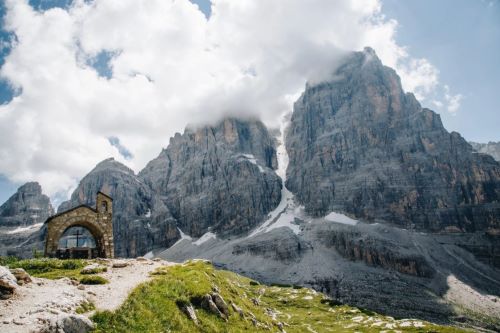

Wanderlust Europe points the reader in the direction of the continent’s most awe-inspiring routes. Offering expert knowledge on how best to experience the wild outdoors, this stimulating manual traverses far-reaching locales in pursuit of breathtaking beauty and a sense of freedom. Combining first-hand tips with informative maps and an array of spectacular photography, this book is a welcome addition to the Wanderlust series and for anyone with an urge to connect with the great outdoors.
With outdoor enthusiast Alex Roddie on how best to experience nature’s majesty, this book offers long-distance trekking, short-day trips, and extended weekend escapades for hikers of all levels. Explore the world one step at a time with Wanderlust Europe.
Alex Roddie is a writer, editor, and photographer who specializes in adventure travel, the outdoor publishing industry, and non-fiction on mountaineering, hiking, nature and the environment. An experienced long-distance backpacker and mountaineer, he has hiked thousands of miles through the Scottish Highlands, English Lake District and Yorkshire Dales, Swiss Alps, Pyrenees, and the Fjells of Norway. He is an active environmental campaigner.
 Boomers Daily