
Tag Archives: November/December 2023

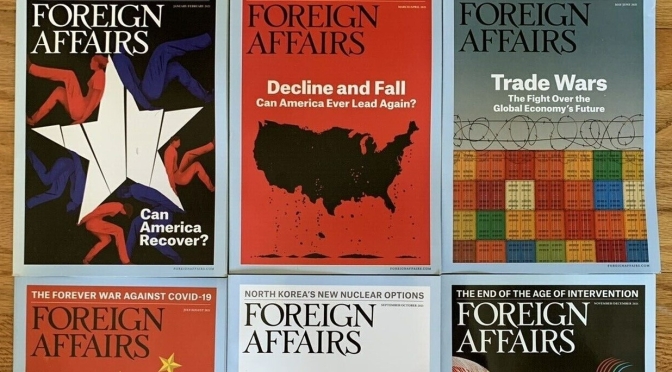
Preview: Foreign Affairs Magazine- NOV/DEC 2023

Image

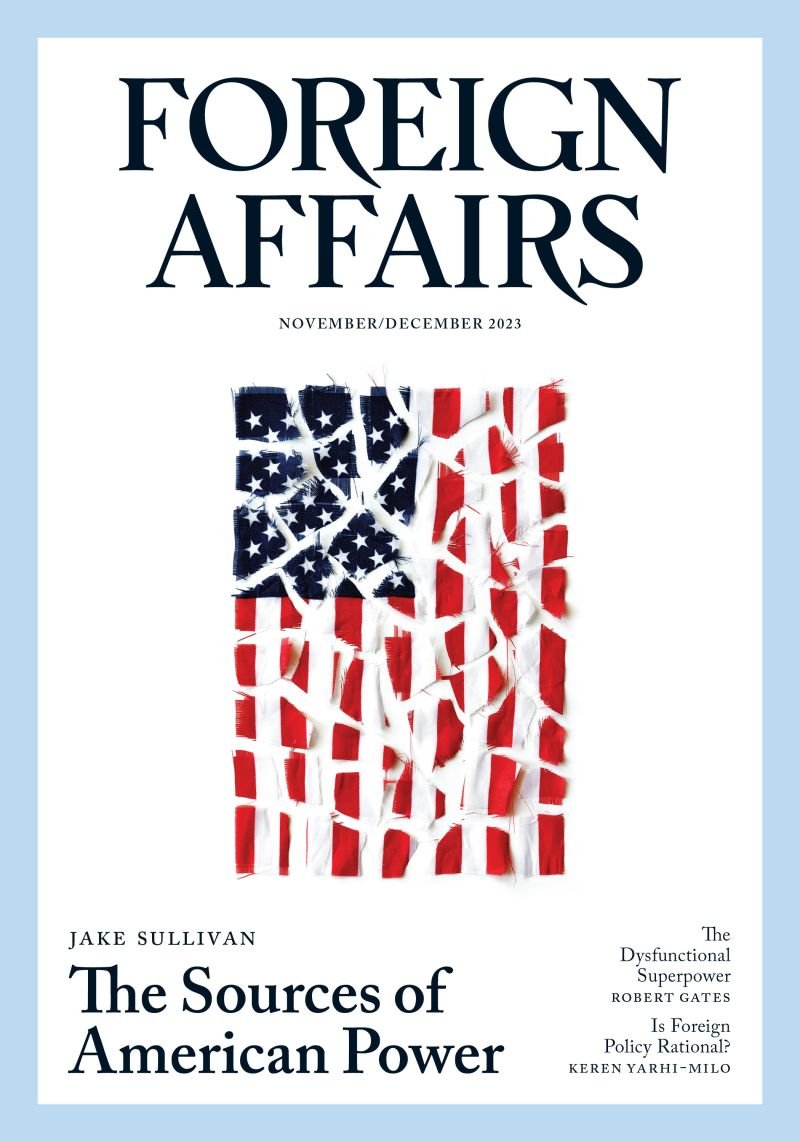
Foreign Affairs November/December 2023: The new issue features  new essays by today’s leading policymakers and thinkers, including U.S. National Security Adviser Jake Sullivan on the future of American foreign policy, former U.S. Undersecretary of Defense for Policy Michèle Flournoy on how artificial intelligence will transform the military, and scholars Henry Farrell and Abraham Newman on the convergence of economic and national security

The Sources of American Power

A Foreign Policy for a Changed World

By Jake Sullivan

Nothing in world politics is inevitable. The underlying elements of national power, such as demography, geography, and natural resources, matter, but history shows that these are not enough to determine which countries will shape the future. It is the strategic decisions countries make that matter most—how they organize themselves internally, what they invest in, whom they choose to align with and who wants to align with them, which wars they fight, which they deter, and which they avoid.

The Dysfunctional Superpower

Can a Divided America Deter China and Russia?

By Robert M. Gates

The United States now confronts graver threats to its security than it has in decades, perhaps ever. Never before has it faced four allied antagonists at the same time—Russia, China, North Korea, and Iran—whose collective nuclear arsenal could within a few years be nearly double the size of its own. Not since the Korean War has the United States had to contend with powerful military rivals in both Europe and Asia. And no one alive can remember a time when an adversary had as much economic, scientific, technological, and military power as China does today.
Preview: MIT Technology Review – November 2023

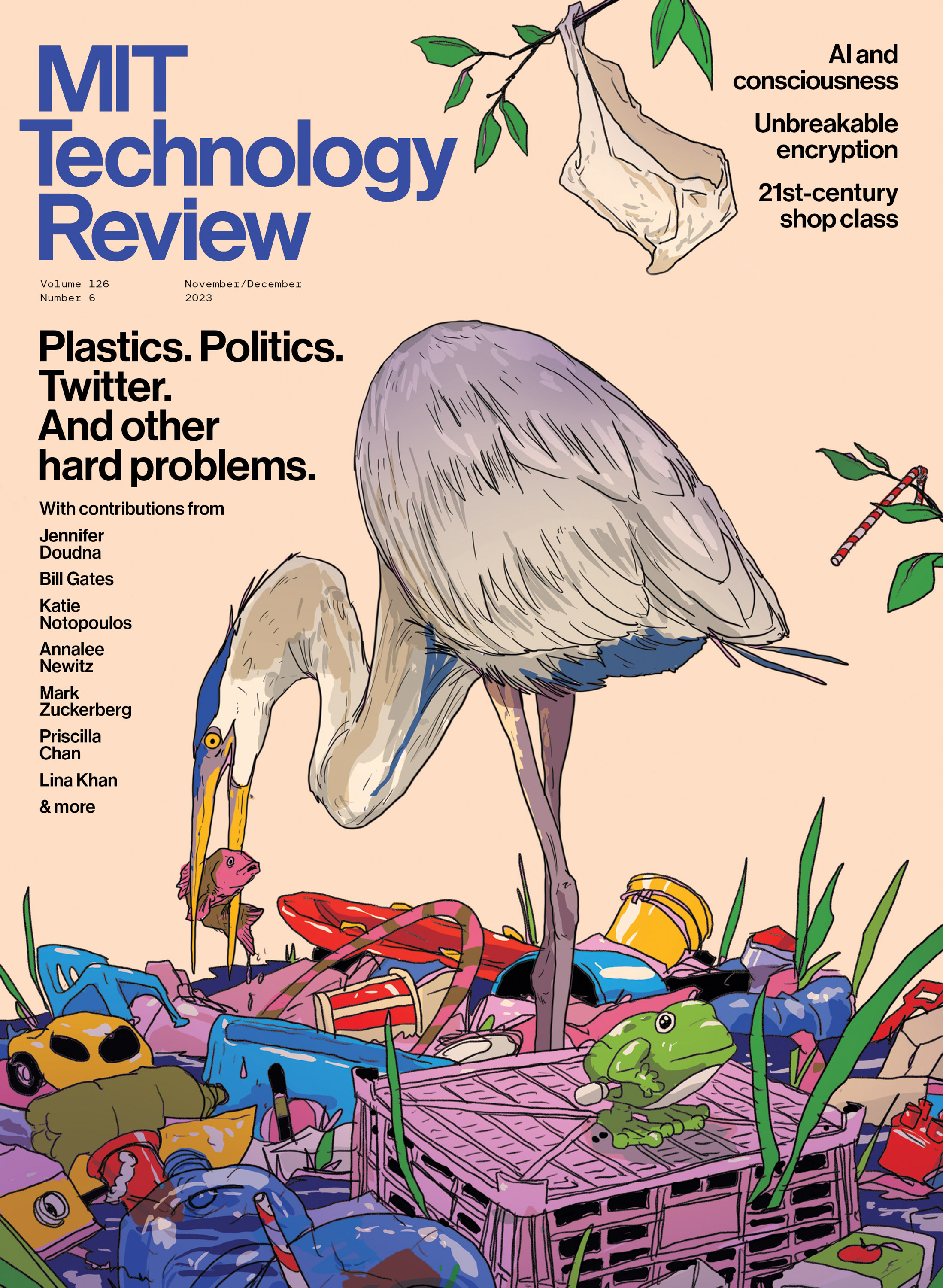
ND23 cover image: a heron plucks a pink plastic fish from a landscape contaminated with plastic trash

MIT Technology Review – November/December 2023: The Hard Problems issue features the Intractable problem of plastics; Fixing the internet; Exploring what it would it take for AI to become conscious. Also, there are so many urgent issues facing the world—where do we begin? Bill Gates, Mark Zuckerberg, Jennifer Doudna, and others offer their ideas.

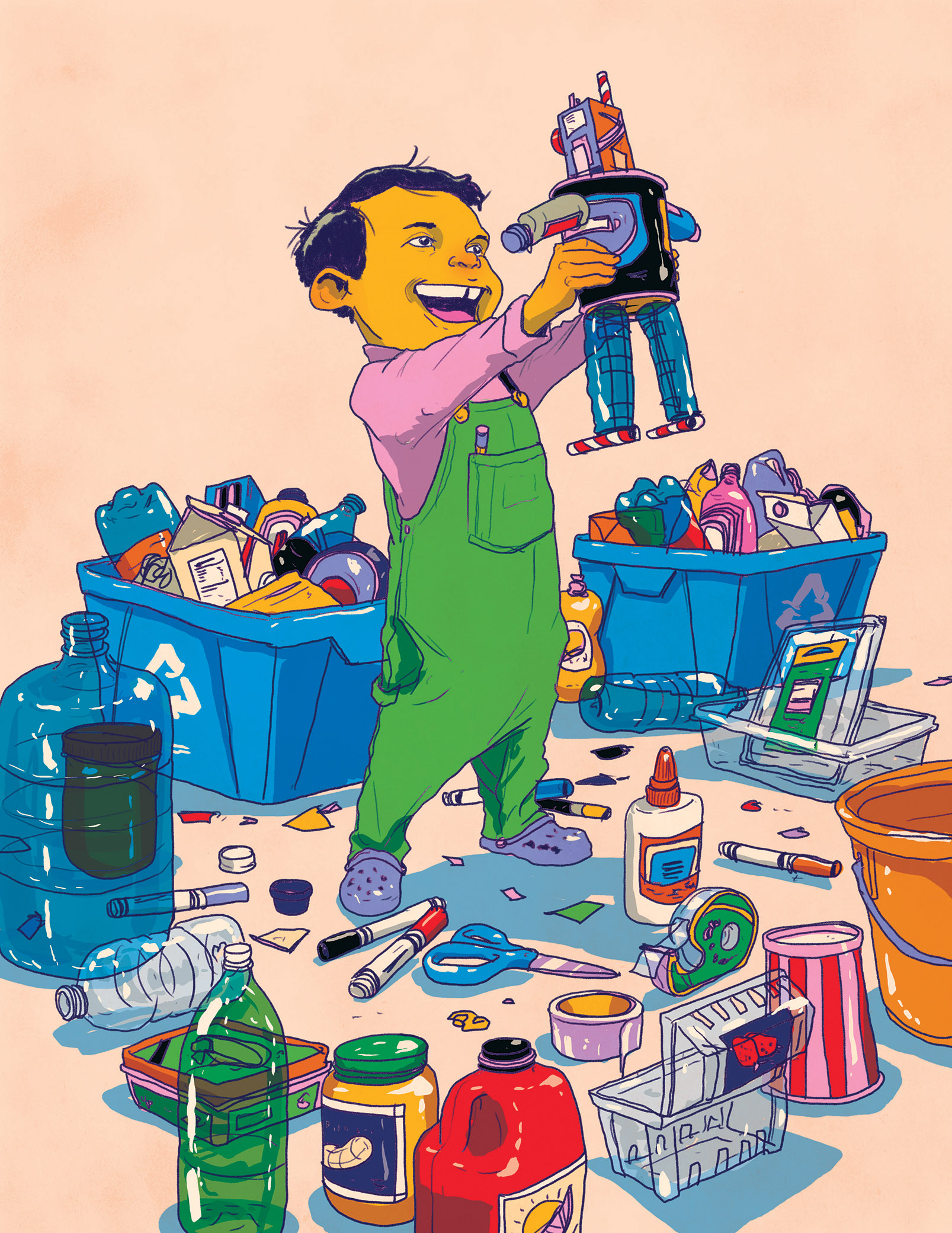
Think that your plastic is being recycled? Think again.

Kid surrounded by bins and scattered plastic containers proudly holds up a toy figure constructed by plastic parts

Plastic is cheap to make and shockingly profitable. It’s everywhere. And we’re all paying the price.

Plastic, and the profusion of waste it creates, can hide in plain sight, a ubiquitous part of our lives we rarely question. But a closer examination of the situation can be shocking. 

Indeed, the scale of the problem is hard to internalize. To date, humans have created around 11 billion metric tons of plastic. This amount surpasses the biomass of all animals, both terrestrial and marine, according to a 2020 study published in Nature

Currently, about 430 million tons of plastic is produced yearly, according to the United Nations Environment Programme (UNEP)—significantly more than the weight of all human beings combined. One-third of this total takes the form of single-use plastics, which humans interact with for seconds or minutes before discarding. 

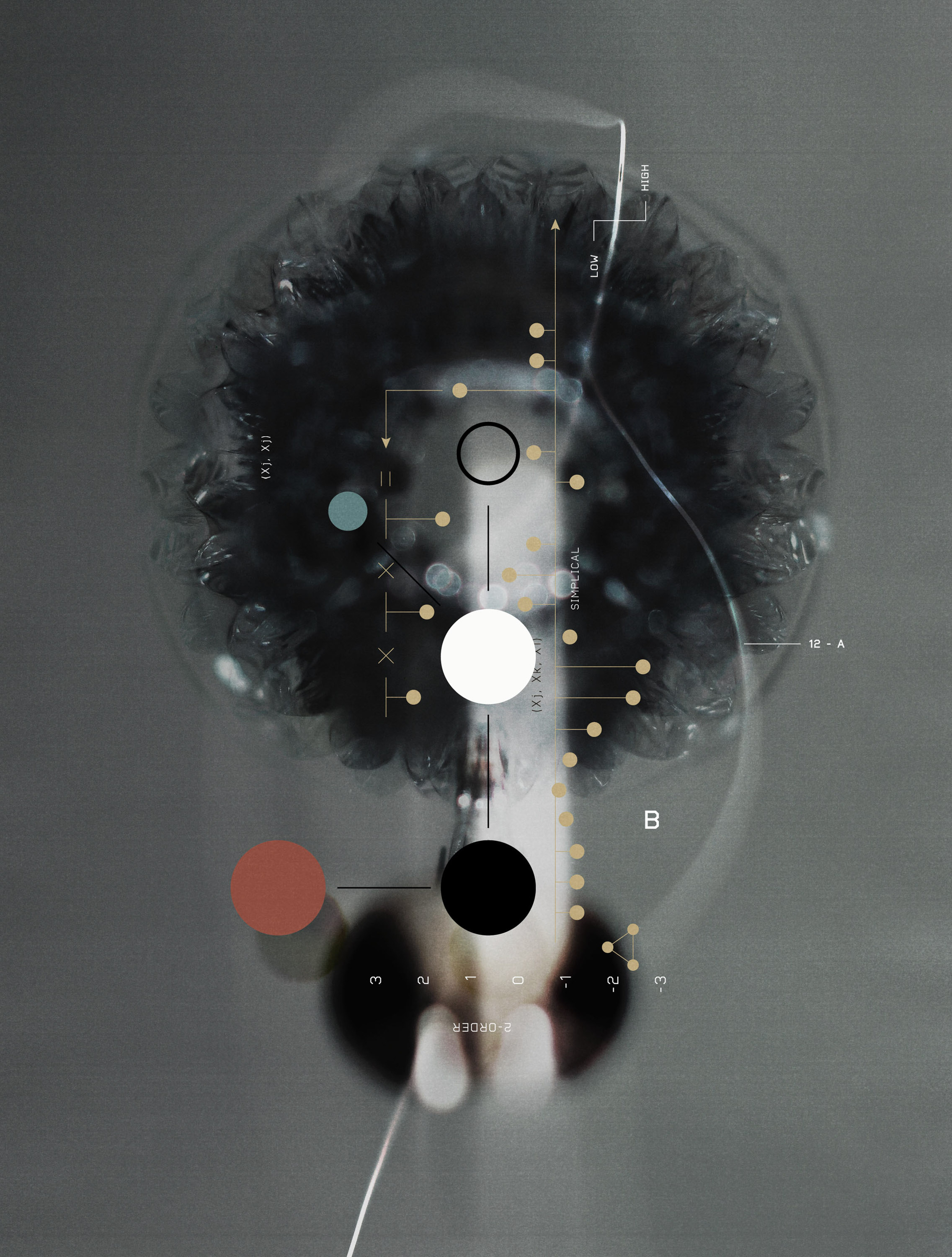
Minds of machines: The great AI consciousness conundrum

"'

Philosophers, cognitive scientists, and engineers are grappling with what it would take for AI to become conscious.

David Chalmers was not expecting the invitation he received in September of last year. As a leading authority on consciousness, Chalmers regularly circles the world delivering talks at universities and academic meetings to rapt audiences of philosophers—the sort of people who might spend hours debating whether the world outside their own heads is real and then go blithely about the rest of their day. This latest request, though, came from a surprising source: the organizers of the Conference on Neural Information Processing Systems (NeurIPS), a yearly gathering of the brightest minds in artificial intelligence. 

Health: Harvard Magazine November/December 2023

November-December 2023 | Harvard Magazine

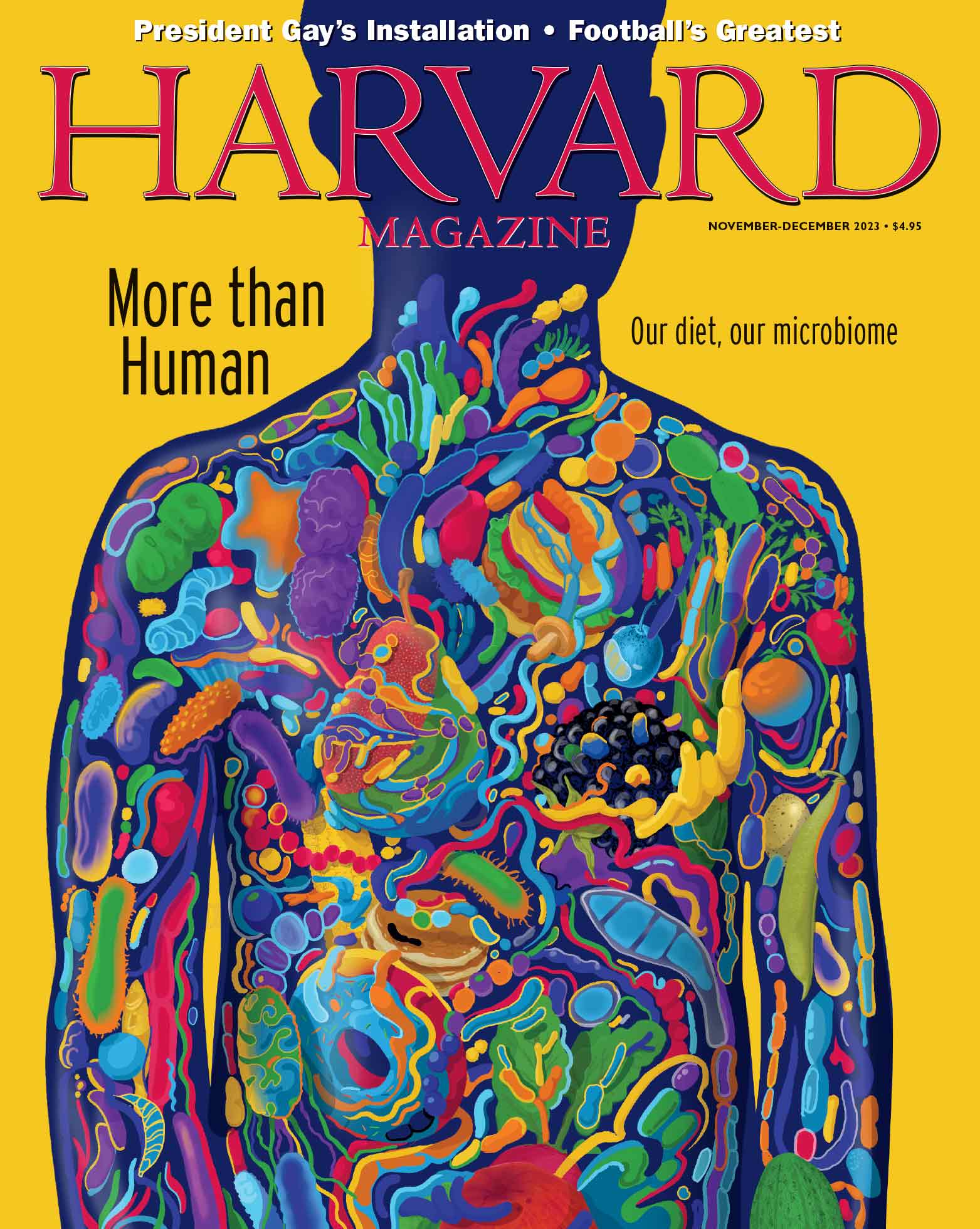
HARVARD MAGAZINE November-December 2023 :

You Are What (Your Microbes) Eat

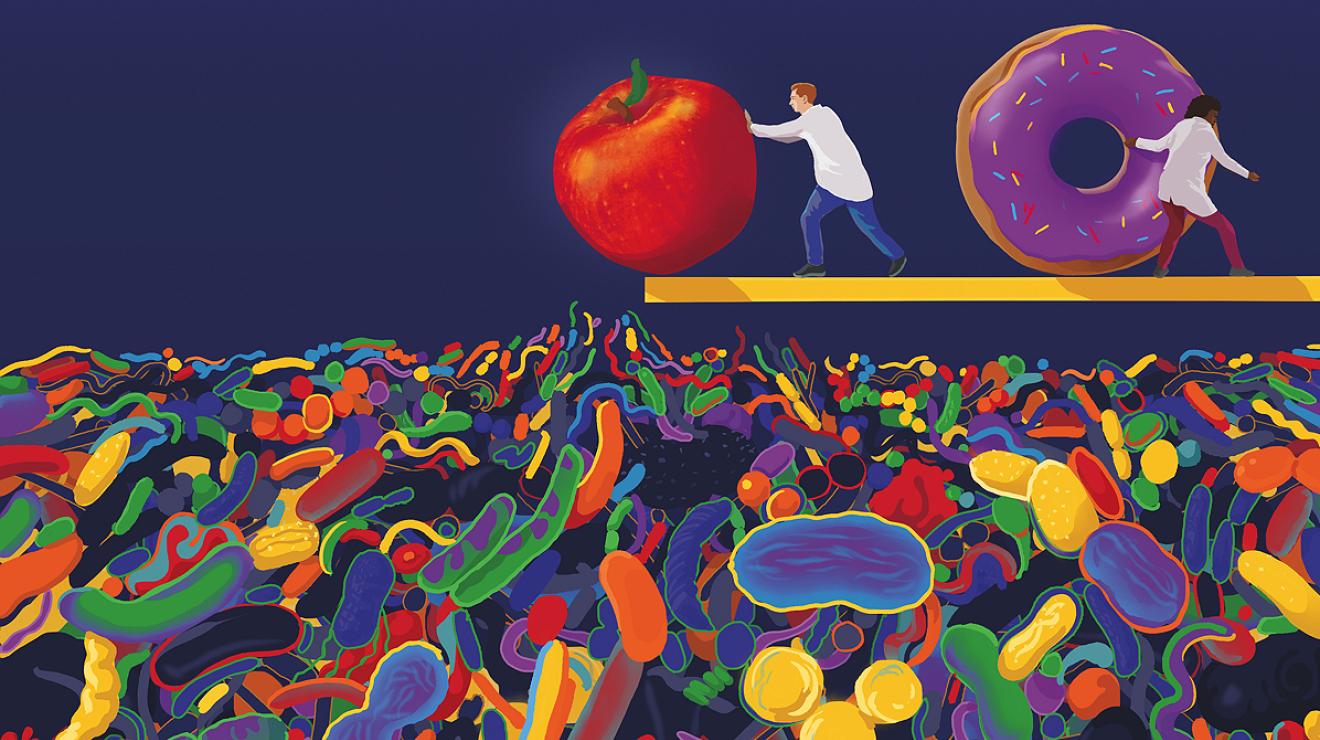
Illustration of an apple being pushed from a platform into a sea of colorful microbes

Diet, cooking, and the human microbiome

IN THE LATE 2000s, Rachel Carmody was spending a lot of time counting calories. An anthropology graduate student at Harvard, she was studying whether cooking changed the number of calories the gut can extract from food. When humans invented cooking thousands of years ago, she and her advisor Richard Wrangham wondered, had they opened the door to a new source of energy?

The Brain-Cancer Link

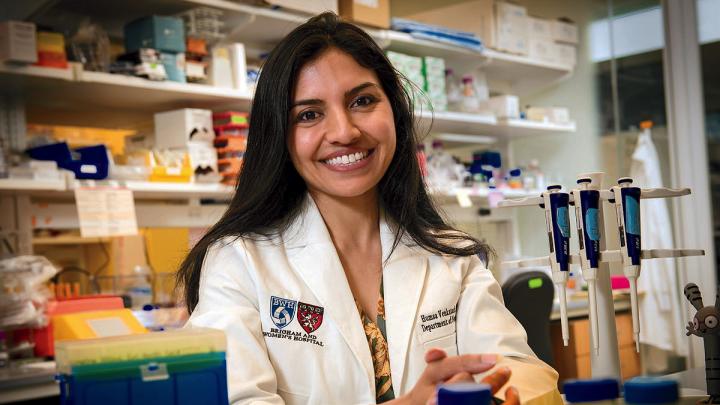
Photograph of Humsa Venkatesh in her lab

DURING THE past two decades, the number of annual cancer deaths in the United States has fallen by 27 percent, a remarkable improvement driven by new precision diagnoses and treatments tailored to individual patients. Today, oncologists can detect cancer in its earliest stages and deliver drugs that enlist the patient’s own immune system to improve their odds of survival. Yet cancer remains the second deadliest disease in the United States, claiming more than 600,000 lives every year. Its persistence underscores the urgent need for a deeper understanding of how cancer interacts with the body. Assistant professor of neurology Humsa Venkatesh believes she may have found a promising new pathway for highly effective cancer treatments in the most unexpected of places: the human brain.

Preview: Archaeology Magazine – Nov/Dec 2023

Image

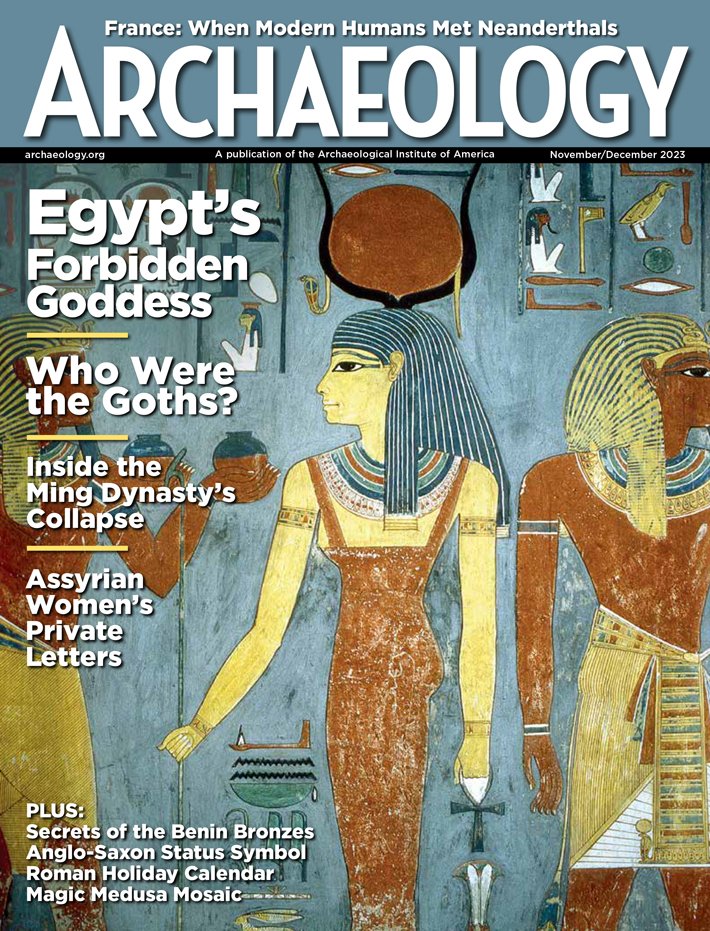
Archaeology Magazine (November/December – 2023):

Assyrian Women of Letters

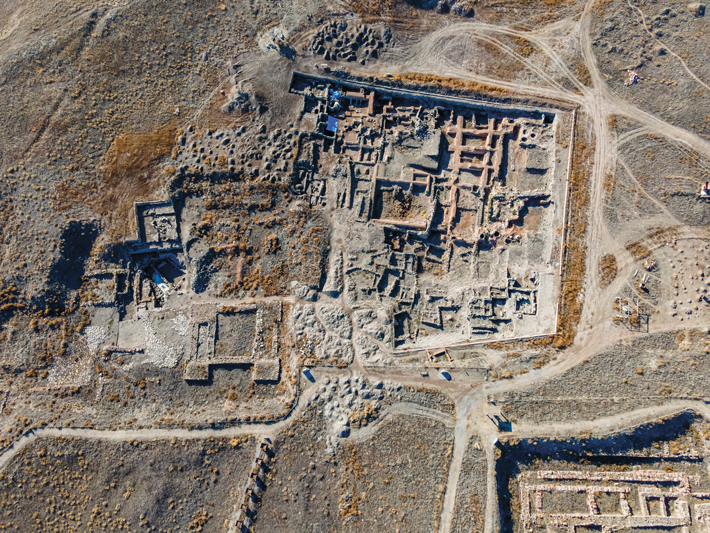
Kanesh Turkey Excavations

4,000-year-old cuneiform tablets illuminate the personal lives of Mesopotamian businesswomen

By DURRIE BOUSCAREN

Excavations at the ancient Anatolian city of Kanesh in Turkey have revealed a district where merchants from the distant Mesopotamian city of Assur in Iraq lived and worked. Some 23,000 cuneiform tablets, mostly dating from about 1900 to 1840 B.C., have been found in the merchants’ personal archives in Kanesh.

The parents of an Assyrian woman named Zizizi were furious. Like many of their neighbors’ children, their daughter had dutifully wed an Assyrian merchant. Sometime around the year 1860 B.C., she had traveled with him to the faraway Anatolian city of Kanesh in modern-day Turkey, where he traded textiles. But her husband passed away and, instead of returning to her family, Zizizi chose to marry a local.

China’s River of Gold

Excavations in Sichuan Province reveal the lost treasure of an infamous seventeenth-century warlord

Worshipping a Forbidden Goddess

A Roman noblewoman’s devotion to Isis outlasted even an emperor’s ban on foreign cults

Paleolithic Pathfinders

Around 55,000 years ago, a resourceful band of modern humans made a home in southern France

Who Were the Goths?

Investigating the mythic origins of the Roman Empire’s ultimate adversary