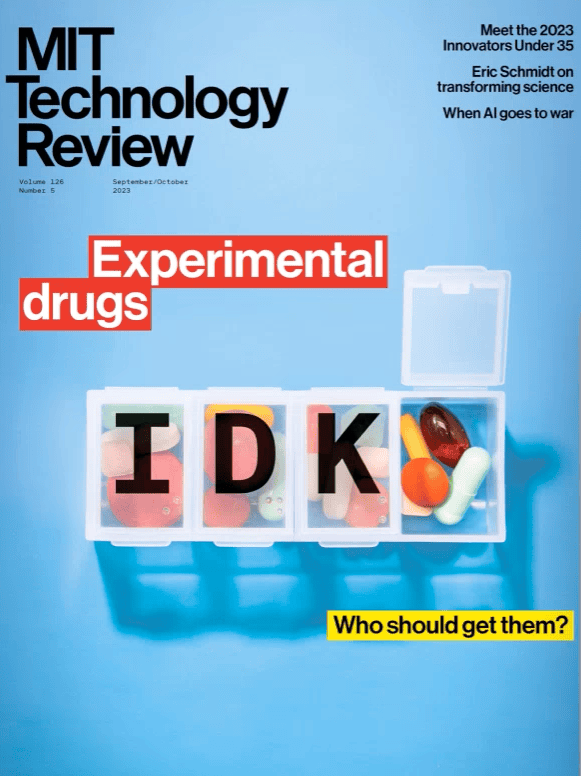

Who gets to decide who receives experimental medical treatments?
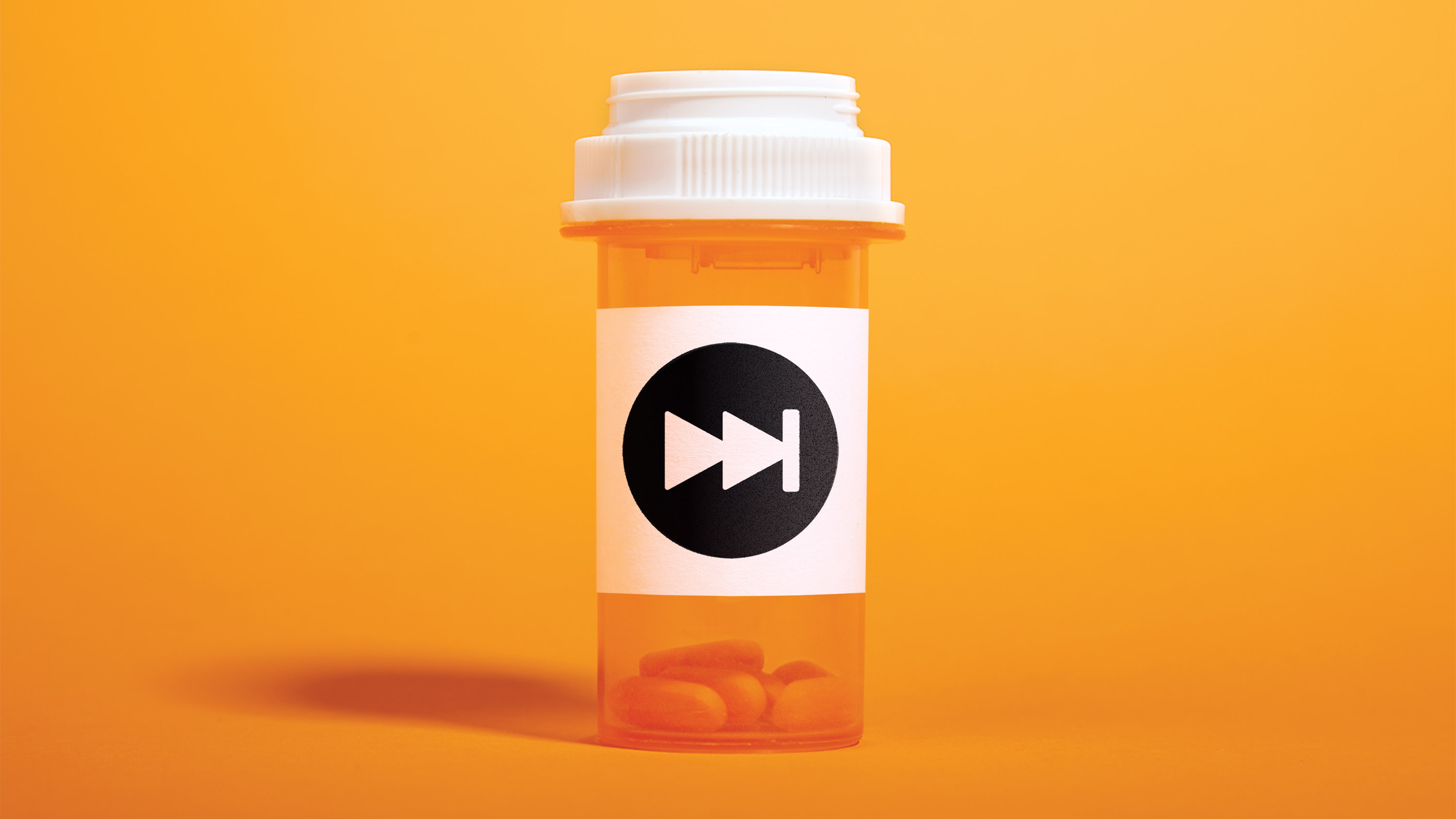
For many patients, pushing for access to unproven treatments is their best chance of survival. And that’s worth the risk.

For many patients, pushing for access to unproven treatments is their best chance of survival. And that’s worth the risk.
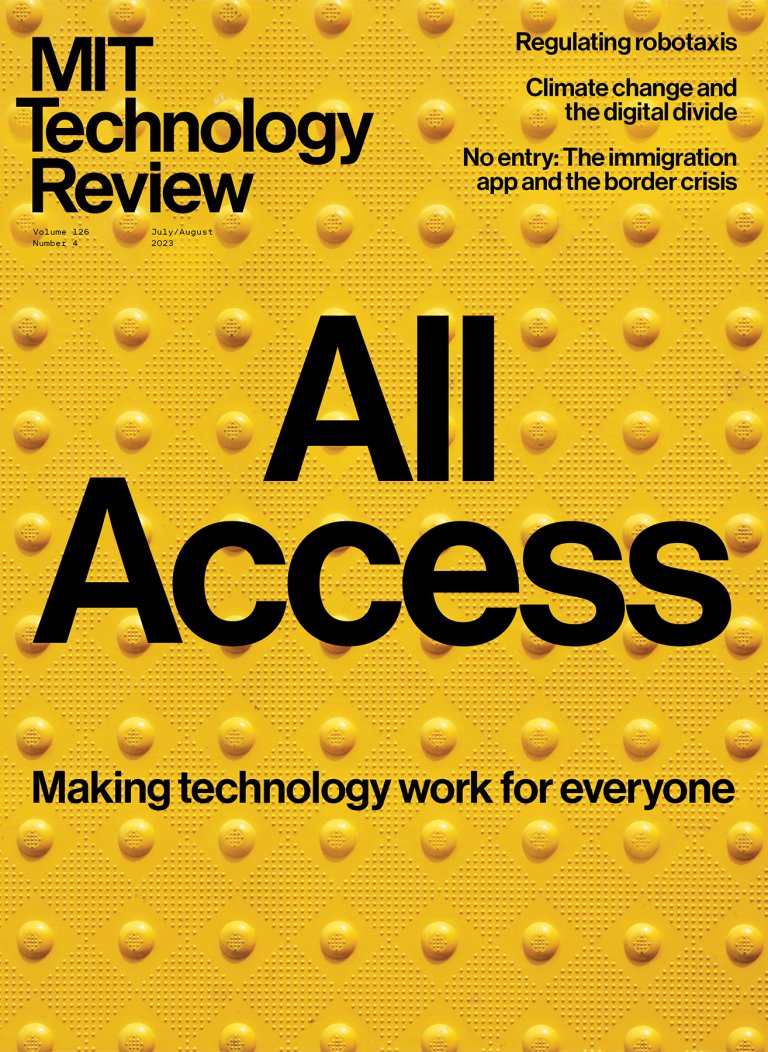
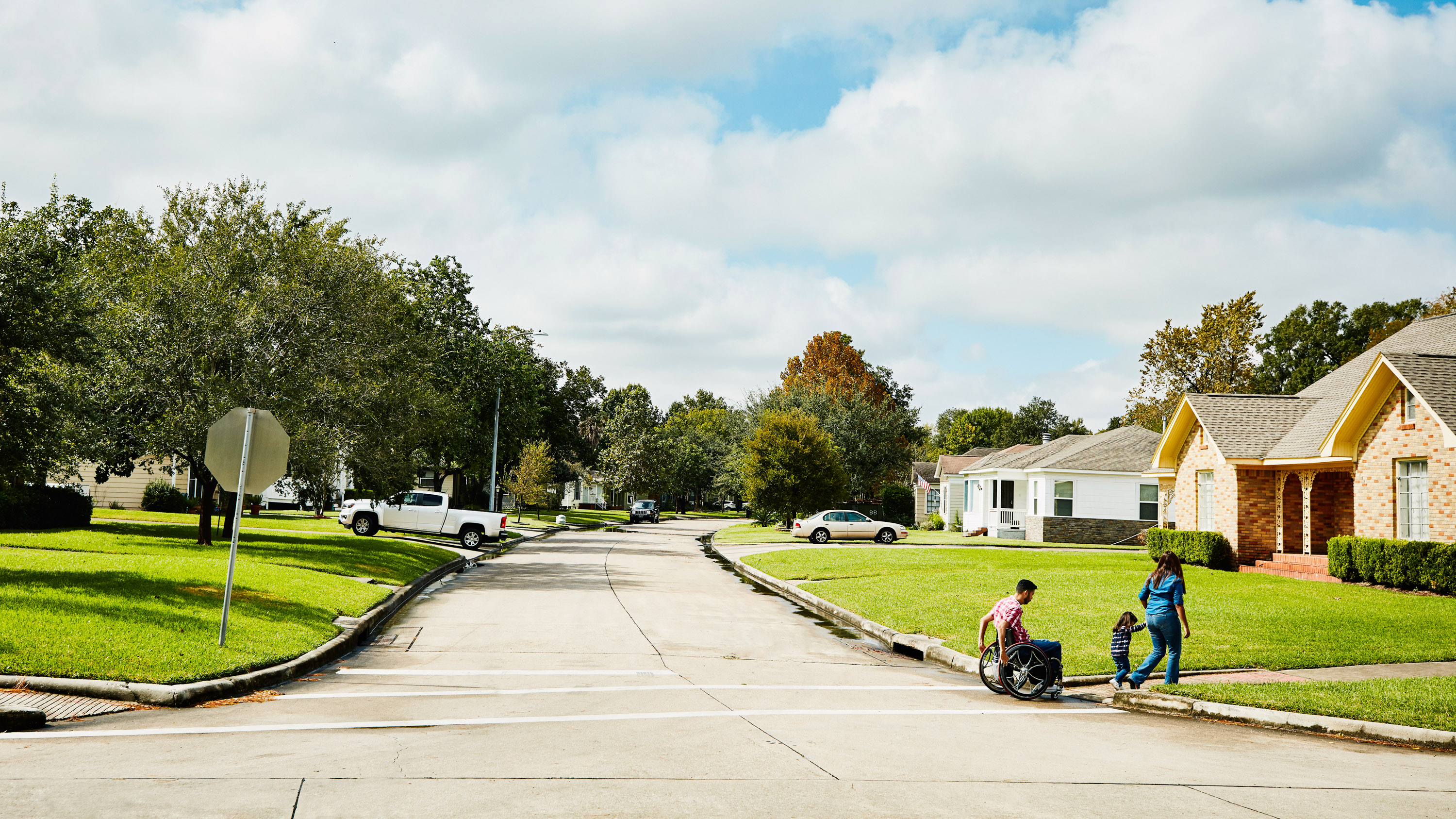
We need to take steps toward a more inclusive future—one that we all can inhabit.
“Technology,” wrote the late historian of technology Melvin Kranzberg Jr., “is neither good nor bad, nor is it neutral.” It’s an observation that often doesn’t stick with people as they think about technologies related to accessibility.

For people who can’t speak, there has been depressingly little innovation in technology that helps them communicate.
A piece of hardware, however impressively designed and engineered, is only as valuable as what a person can do with it. After the iPad’s release, the flood of new, easy-to-use AAC apps that LoStracco, Shevchenko, and their clients wanted never came.

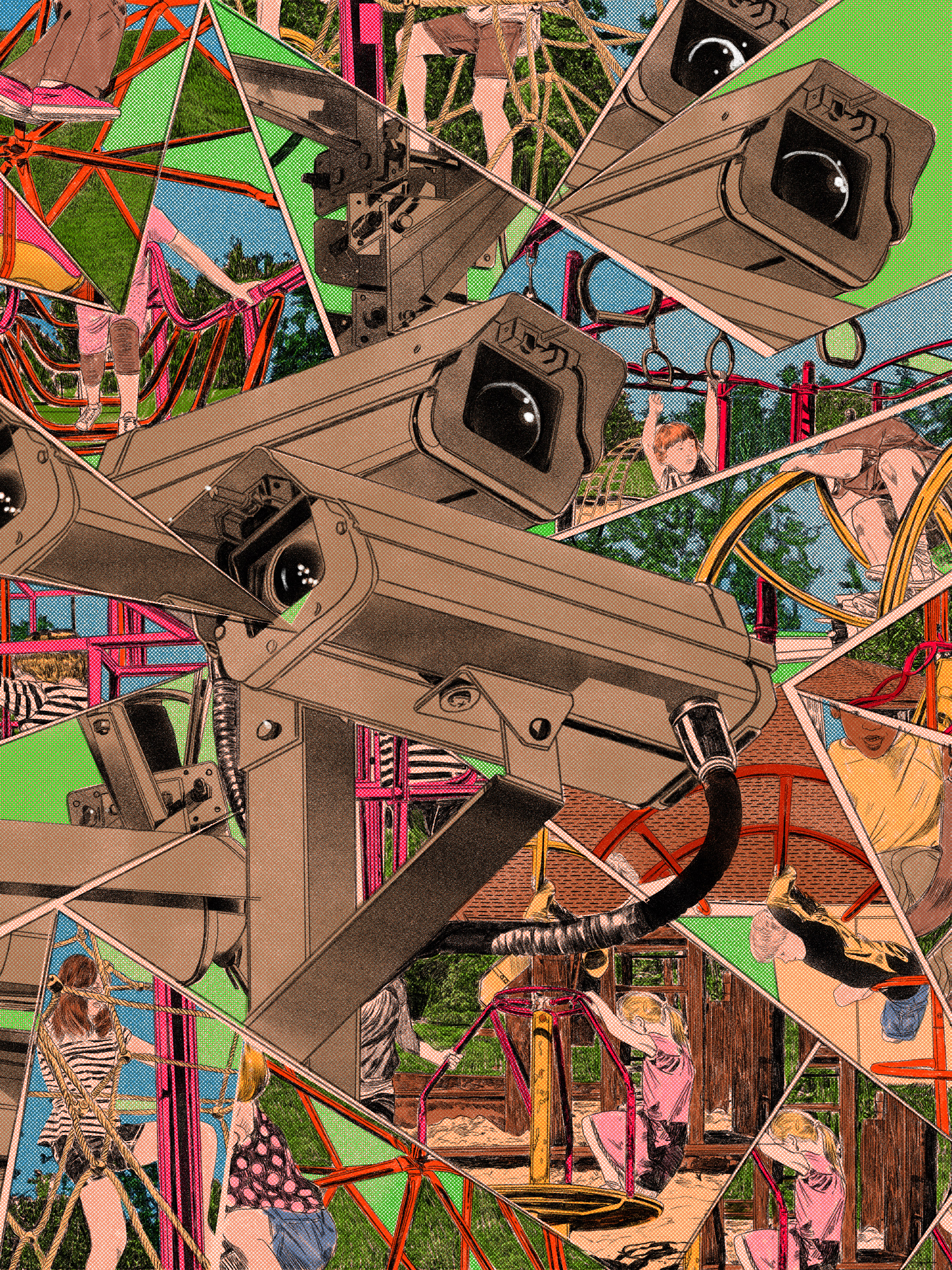
Companies say the software can help improve well-being, but some experts worry it could have the opposite effect.

The historians of tomorrow are using computer science to analyze how people lived centuries ago.
It’s an evening in 1531, in the city of Venice. In a printer’s workshop, an apprentice labors over the layout of a page that’s destined for an astronomy textbook—a dense line of type and a woodblock illustration of a cherubic head observing shapes moving through the cosmos, representing a lunar eclipse.
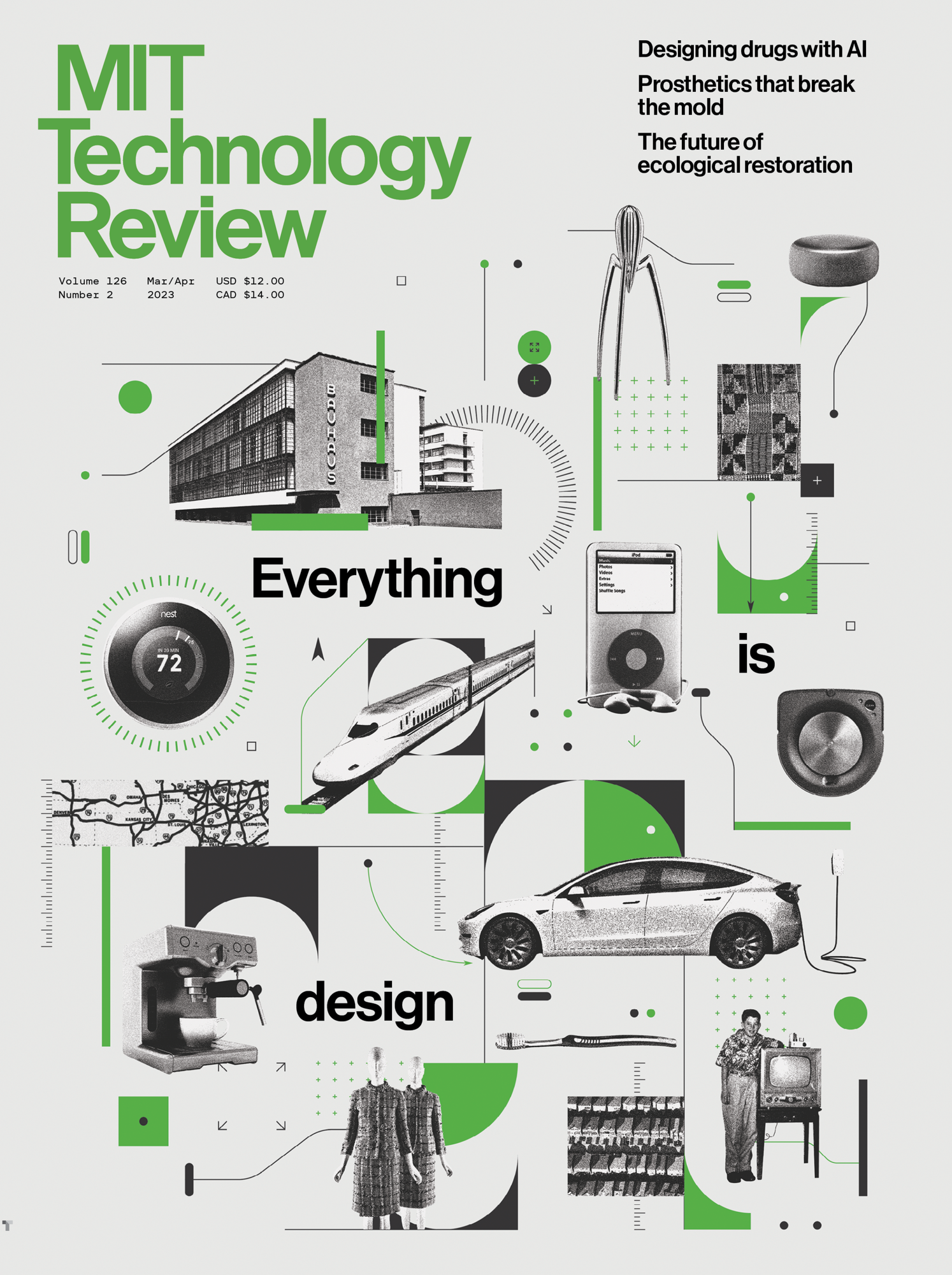
When we unpack its current meaning, we may find that we want—and need—to retool the word yet again.
An approach that promised to democratize design may have done the opposite.
AI automation throughout the drug development pipeline is opening up the possibility of faster, cheaper pharmaceuticals.
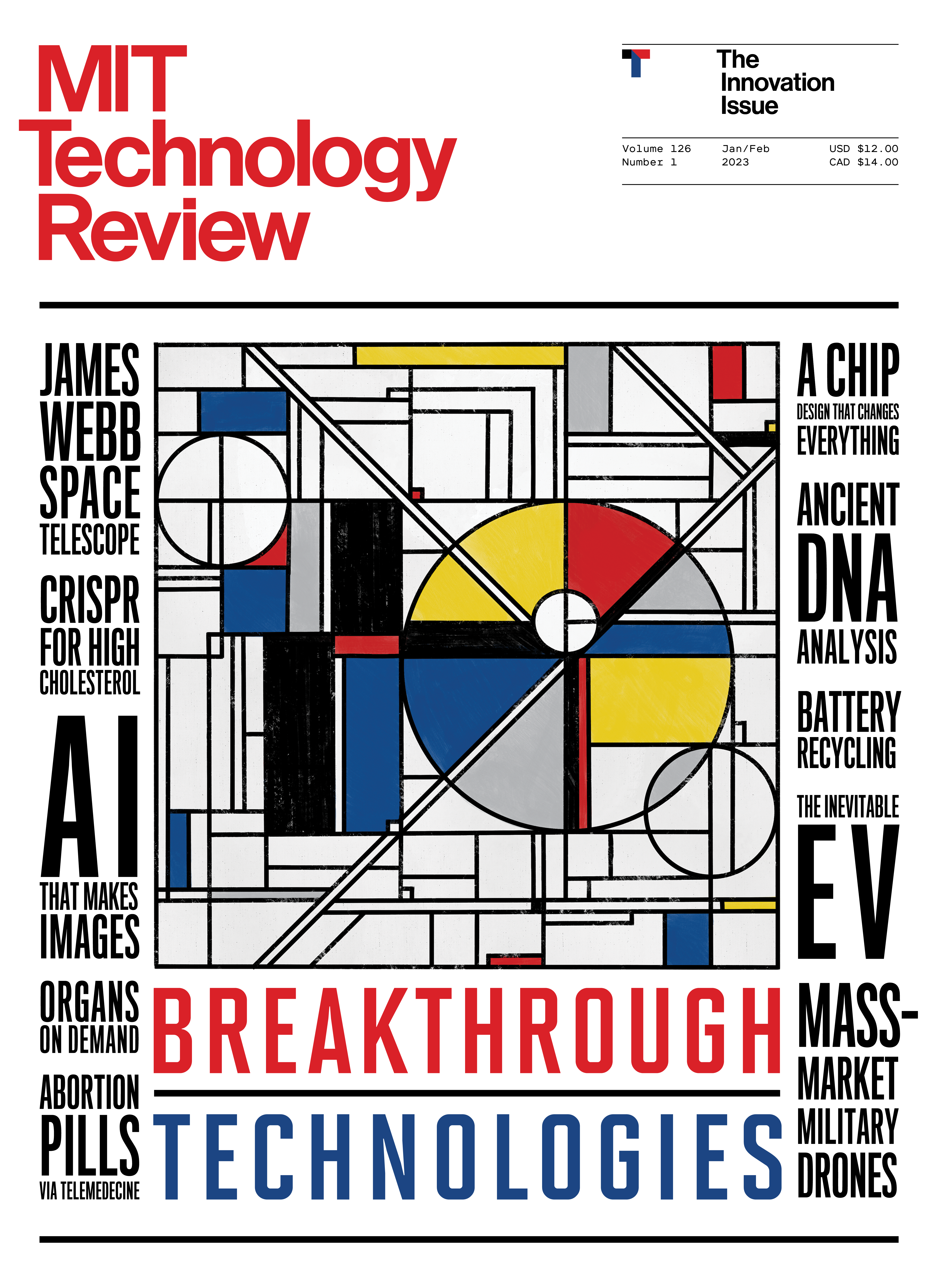
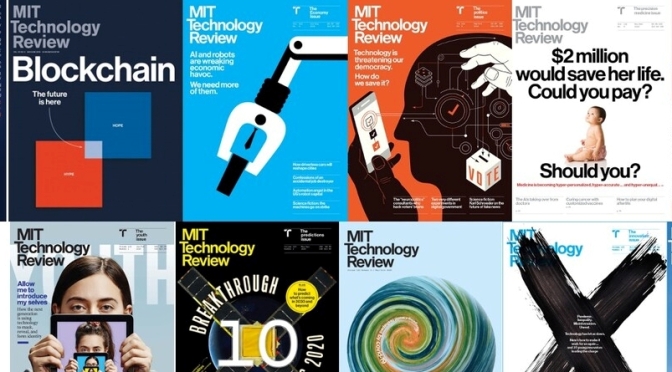
Our annual look at 10 Breakthrough Technologies—including CRISPR for high cholesterol, battery recycling, AI that makes images, and the James Webb Space Telescope—that will have a profound effect on our lives. Plus care robots, 3-D printing pioneers, and chasing bugs on the blockchain.
No one knew how popular OpenAI’s DALL-E would be in 2022, and no one knows where its rise will leave us.
The technology is making it easier to monitor underwater archaeological sites.

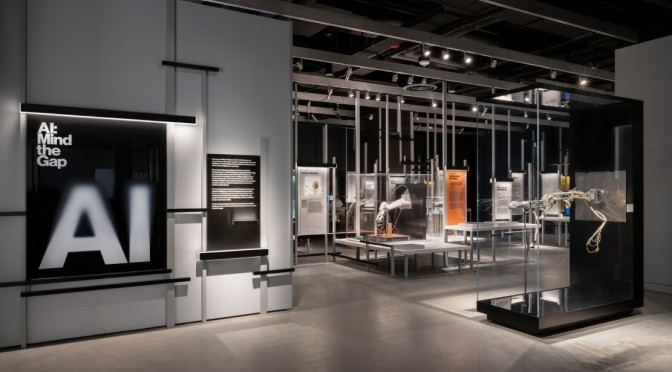
From AI in the home to robots in the workplace, the presence of AI all around us compels us to question its potential and recognize the risks. What has become clear is that the more we advance AI technology and consider machine ability versus human ability, the more we need to mind the gap.
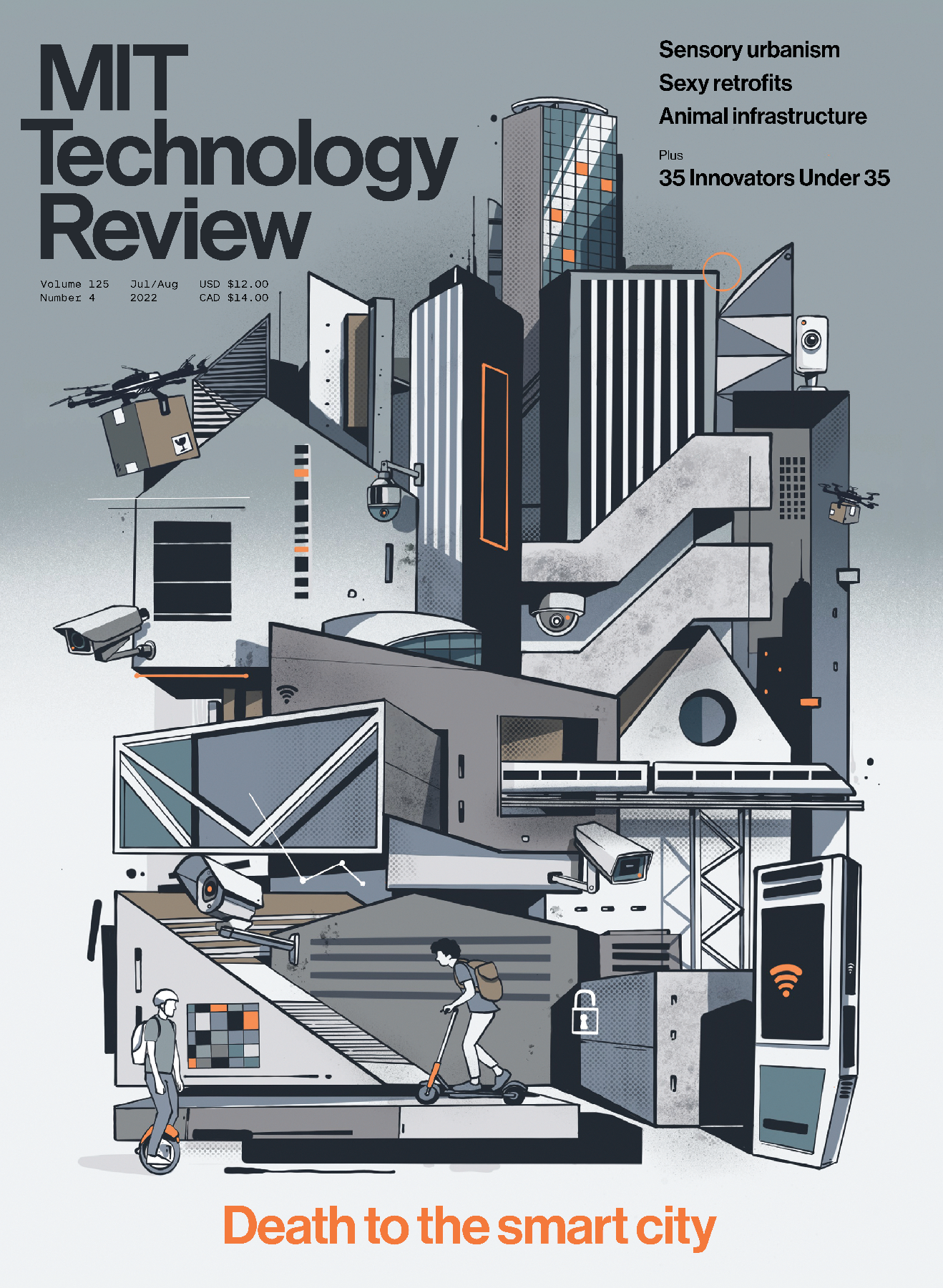
July/August 2022
Is technology making cities better—or worse? A deep dive into what we stand to lose in the pursuit of efficiency and convenience.
In MIT class, 2.788 Mechanical Engineering and Design of Living Systems students explore how mechanics, structure, and materials intersect with biology by studying butterflies at every stage of their metamorphosis. Associate Professor Ming Guo and Associate Professor Mathias Kolle take a cross-disciplinary approach to introduce students to the engineering behind biological systems.
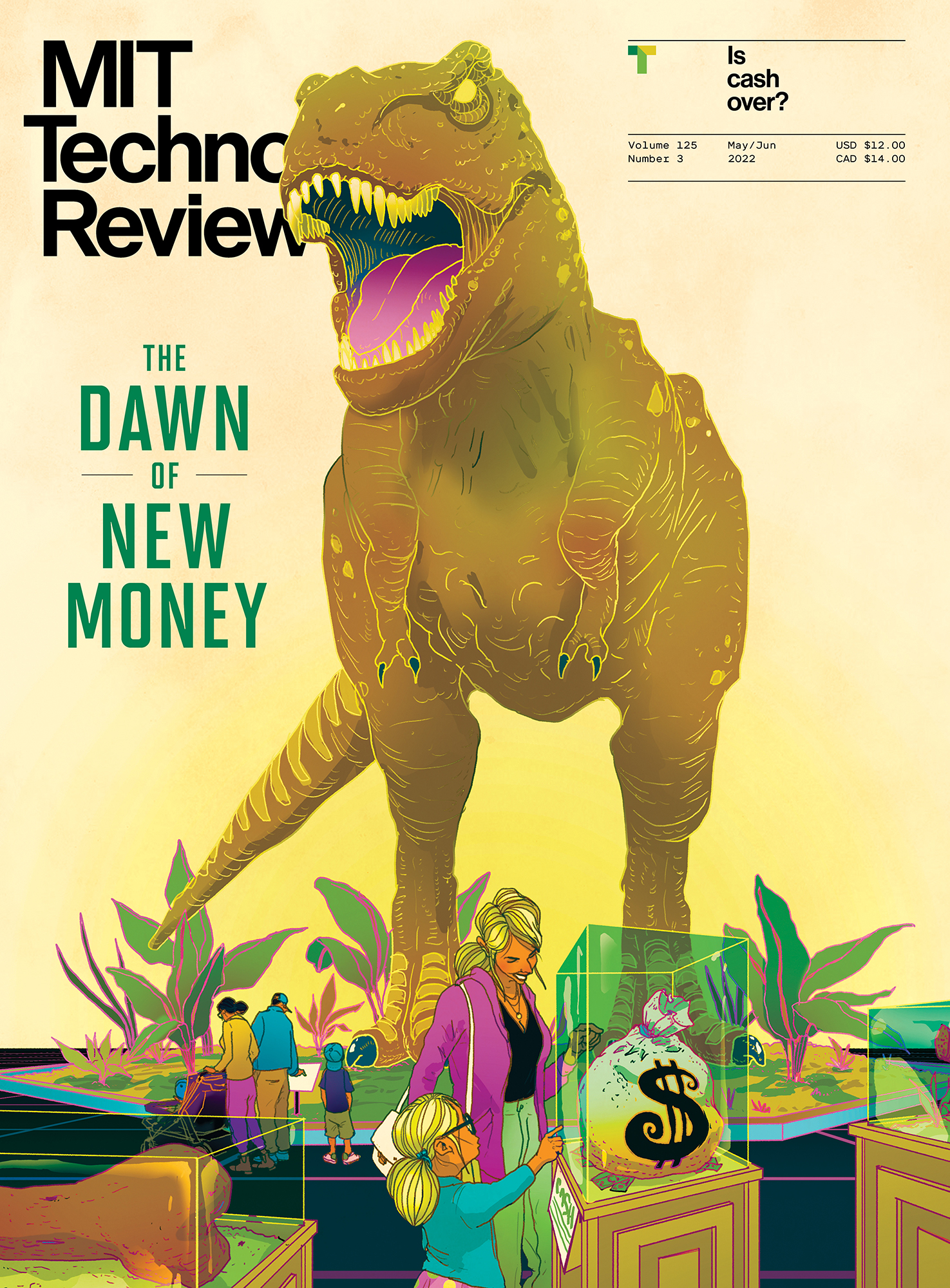
Money changes everything: But who is the shift toward digital transactions really helping?
Digital technology is poised to change our relationship with money and, for some countries, the ability to manage their economies.

 Boomers Daily