


Race-based medical practises are being challenged more and more, as it becomes increasingly clear they have little basis in science.
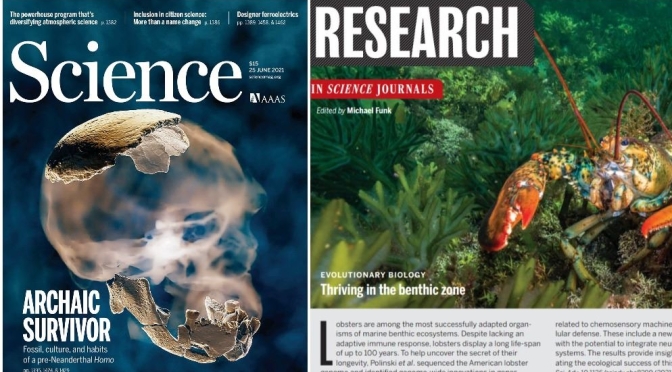
The team finds out why adjustments for race and ethnicity are still being made in medicine, despite the potential harm and healthcare implications they cause. It’s been a massive week for the future of space tourism – the team shares a clip of a very excited Richard Branson who’s recent journey into microgravity has set the stage for the launch of Virgin Galactic’s first commercial space flights. The team gives an update on the dramatic heatwave ravaging the US, as more record high temperatures are set, continuing to leave destruction in its wake. They also explain what ‘impact gardening’ is and why it might help us find alien life on Jupiter’s moon Europa, and they share important news on the state of the cosmetics industry in Neolithic times. On the pod are Rowan Hooper, Chelsea Whyte, and Layal Liverpool.


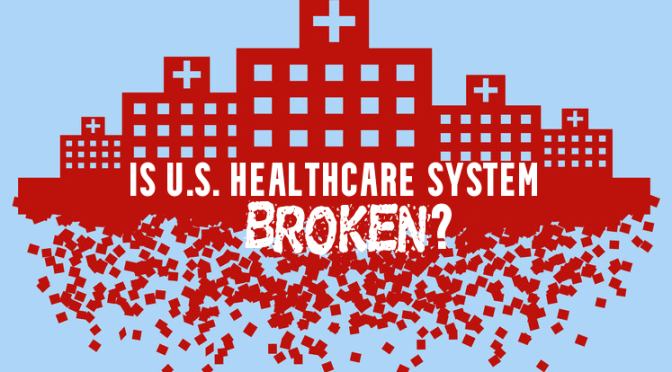
Here’s a question that’s been on my mind and perhaps yours: Is the US healthcare system expensive, complicated, dysfunctional, or broken? The simple answer is yes to all.
Below are 10 of the most convincing arguments I’ve heard that our system needs a major overhaul. And that’s just the tip of the iceberg. Remember, an entire industry has evolved in the US just to help people navigate the maddeningly complex task of choosing a health insurance plan.
Covid-19 is complex. It can affect the nervous system, leading to language disorders, strokes and seizures. Scientists are still trying to understand why. 75% of people hospitalised with the virus continue to suffer from secondary symptoms at least six months after they recover. Many find it hard to function in their daily lives. Researchers hope understanding Covid’s impact on the brain could pave a way for treatment.
A new approach developed by Harvard Medical School researchers uses yeast to rapidly evolve synthetic antibody fragments called nanobodies with the aim to find variants that are effective at binding to selected antigens, including SARS-CoV-2. The antibodies are intended for use in diagnostic tests and disease treatments. Read the full story: https://hms.harvard.edu/news/antibody…
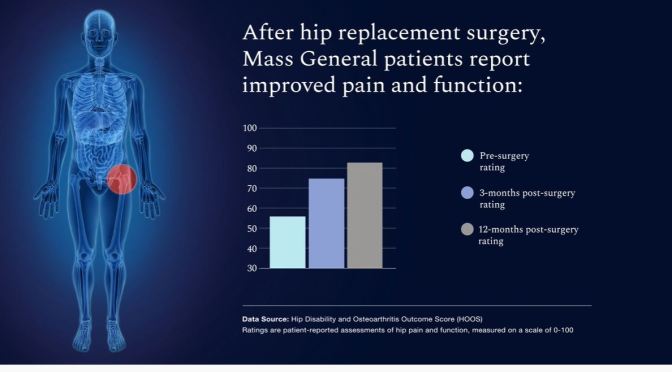
The mission of COMPASS is to provide patients with access to comprehensive quality and safety data across a variety of Massachusetts General Hospital surgical specialties. In this video, learn about performance data for Mass General hip replacement surgery including its success rate and recovery and rehabilitation.
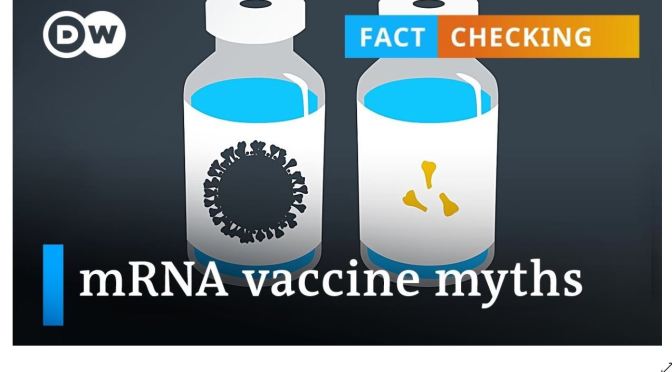
With so many myths about COVID-19 vaccines regarding their impact on our health, many people don’t know what to believe. In our fact check, find out what you need to know about the mRNA vaccines — as we expose the myths and reveal the facts.
More than a year into the pandemic, scientists are still debating Covid-19’s origins. WSJ breaks down key events in three locations in China – a seafood market, a lab and a mine – to piece together how the global health crisis might have started. Photo composite: George Downs





 Boomers Daily