Tag Archives: Marine Wildlife

Ocean Views: Manta Rays In Quintana Roo, Mexico

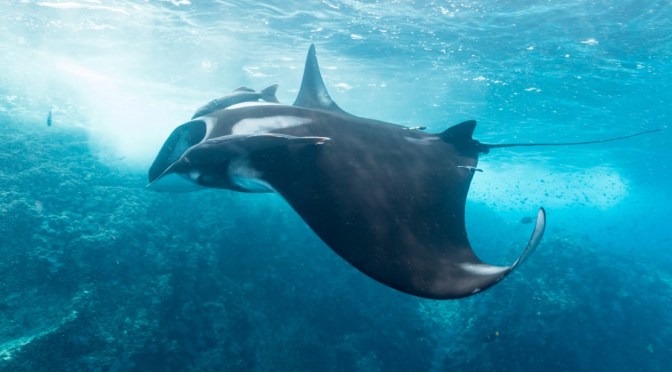
CBS Sunday Morning (October 20, 2024): We leave you this Sunday morning under the sea in Quintana Roo, Mexico, where the Manta rays are enjoying breakfast. Videographer: Mauricio Handler.

Quintana Roo is a Mexican state on the Yucatán Peninsula. On its Caribbean coast, the town of Tulum offers seaside Mayan ruins, sandy beaches and undersea caverns. To the northeast, the resort city of Cancún is known for its nightlife, Nichupté Lagoon nature reserve and long beaches with coral reefs. 
Marine Wildlife: The Giant Mantas Of Coastal Mexico

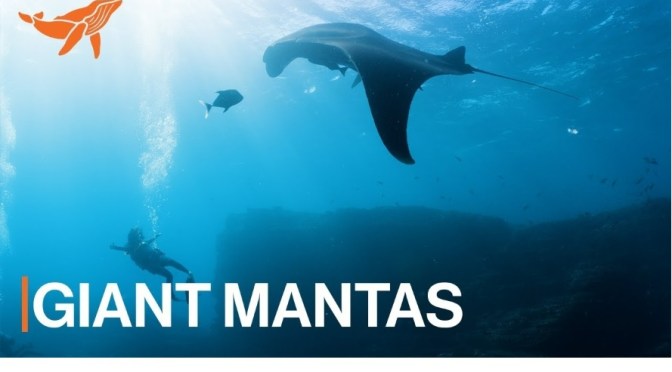
SeaLegacy (May 26, 2023) – Five years after its protection, Mexico’s Revillagigedo National Park bounds with a resurgence of life– welcoming back the region’s incredible native species, like the endangered giant manta ray. Co-founder Cristina Mittermeier and marine scientist Frida Lara explore what’s possible when we give aquatic life space to recover and thrive.

The pair greet a giant manta as an old friend, as it flips, flies, and glides through the water. The curious creature holds great symbolic significance and plays a vital ecological role within the ocean and all the marine life impacted by its sheer presence. The bounty and diversity of life Cristina captures within Revillagigedo National Park prove that protecting our marine ecosystems is the solution to saving our ocean.

Only brightened by the endangered giant manta’s presence, this region’s achievements act as a guiding light of hope for conservation worldwide.

Ocean Views: Predators Of The World’s Coral Reefs

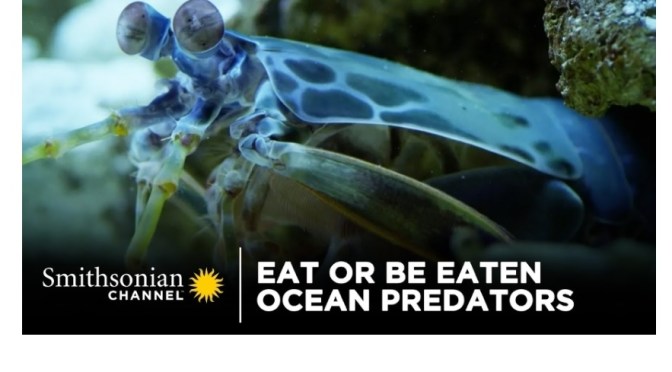
Smithsonian Channel (April 15, 2023) – From Lionfish to Peacock Mantis Shrimp, here’s a look at some of the reef’s fiercest predators from ‘Castro’s Secret Reef,’ Deadly Australians: Oceans and Beaches,’ ‘Great Blue Wild: Indonesia,’ and ‘David Attenborough’s Great Barrier Reef.’

Views: Whale Sharks Off Coast Of Cancun, Mexico

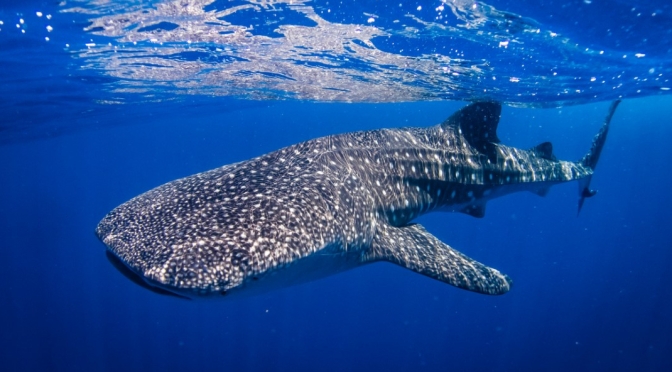
CBS Sunday Morning – We leave you this Sunday morning with whale sharks near Holbox Island off the coast of Cancun, in Mexico. Videographer: Lance Milbrand.

As the largest fish in the sea, reaching lengths of 40 feet or more, whale sharks have an enormous menu from which to choose. Fortunately for most sea-dwellers—and us!—their favorite meal is plankton. They scoop these tiny plants and animals up, along with any small fish that happen to be around, with their colossal gaping mouths while swimming close to the water’s surface.

Filter Feeding

The whale shark, like the world’s second largest fish, the basking shark, is a filter feeder. In order to eat, the beast juts out its formidably sized jaws and passively filters everything in its path. The mechanism is theorized to be a technique called “cross-flow filtration,” similar to some bony fish and baleen whales.

Antarctic Views: Filming The Curious Leopard Seal

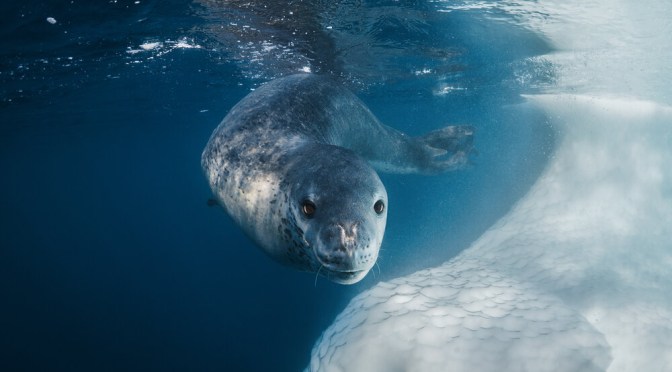
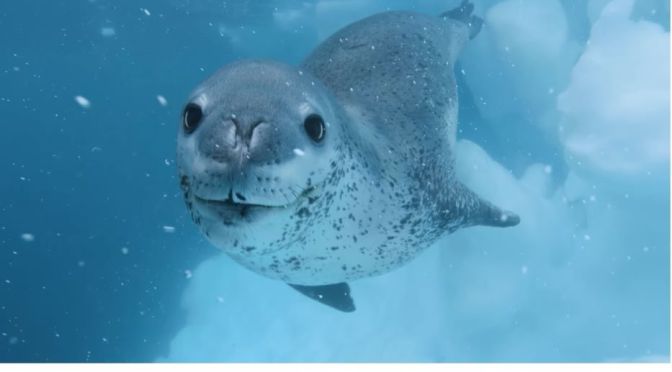
Take a peek behind the scenes of Frozen Planet 2 as the team battle conditions to film the hunting behaviours of leopard seals. The extreme cold and icy weather weren’t the only factors the team had to deal with, as some leopard seals got a little bit too curious for the crew’s liking…

The leopard seal, also referred to as the sea leopard, is the second largest species of seal in the Antarctic. Its only natural predator is the orca. It feeds on a wide range of prey including cephalopods, other pinnipeds, krill, birds, fish and penguins. It is the only species in the genus Hydrurga.

Nature Views: Spotted Dolphins In The Bahamas

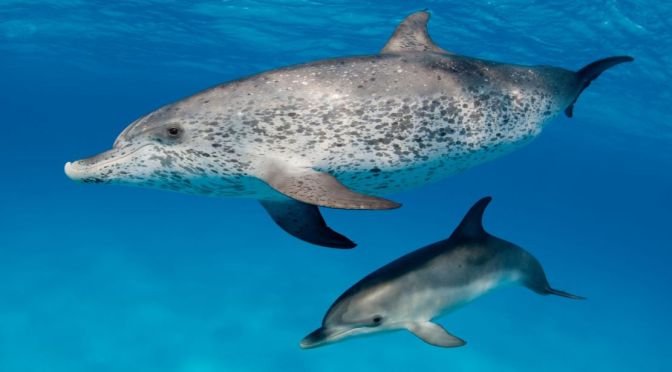
“Sunday Morning” takes us among some spotted dolphins in the blue waters off the Bahamas. Videographer: Mauricio Handler.

Atlantic spotted dolphins are found in warm temperate and tropical waters of the Atlantic Ocean. They usually form groups of five to 50 individuals but sometimes travel in groups of up to 200. They are fast swimmers and often “surf” in the waves created by vessels.

Young Atlantic spotted dolphins do not have spots. As a result, they can look like slender bottlenose dolphins. Their distinctive spotted pattern starts to appear all over their bodies as they get older.

Wildlife Views: Sea Otters Feeding In Seaweed Beds

The charismatic otter, a member of the weasel family, is found on every continent except Australia and Antarctica. Most are small, with short ears and noses, elongated bodies, long tails, and soft, dense fur.

There are 13 species in total, ranging from the small-clawed otter to the giant otter. Though most live in freshwater rivers, lakes, and wetlands, the sea otter and the smaller marine otter are found in the Pacific Ocean.

Cinematic Views: The Icy Landscapes Of Antarctica

Join Paul Nicklen, Yo-Yo Ma, and Marcus Goddard for a musical journey through the icy landscape of Antarctica.

This 13-minute work created by award-winning composer Marcus Goddard and SeaLegacy features cinematography by world-renowned photographer Paul Nicklen and a solo by celebrated cellist Yo-Yo Ma along with musical contributions from forty artists from eighteen orchestras from around the world.

The piece was co-commissioned by the Aventa Ensemble with assistance from the BC Arts Council and by the Vancouver Symphony Orchestra. Antarctica, one of our planet’s life forces, helps to regulate the climate, control the ocean currents, and support more life than we know of. The impact of the icy continent is endless, and yet this magical place is disappearing before our eyes. But as quickly as conditions have changed in Antarctica, the future of this extraordinary continent can be redirected for the better.

Underwater Views: Marine Coral Reef Wildlife (8K)

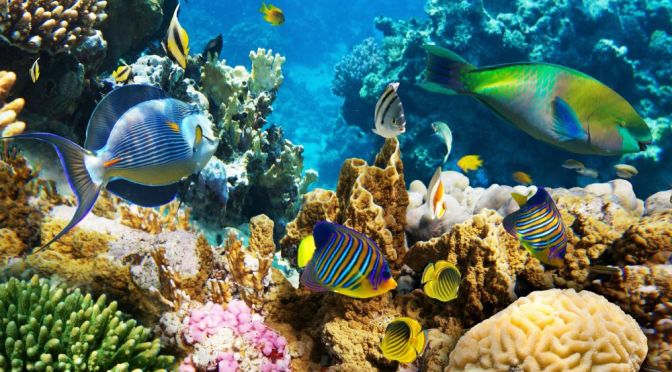
A coral reef is an underwater ecosystem characterized by reef-building corals. Reefs are formed of colonies of coral polyps held together by calcium carbonate. Most coral reefs are built from stony corals, whose polyps cluster in groups.

Video timeline: 00:0000:05 Intro 00:0600:13 Seahorse 00:1400:21 Coral reef 00:2200:28 Sea turtle 00:2900:40 Shark 00:4100:48 Octopus 00:4901:00 Lion Fish 01:0101:08 Moray 01:0901:17 Clown Fish and Sea Anemone 01:1801:29 Manta Ray 01:3001:37 Red shrimp 01:3801:48 Jelly Fish 01:4901:58 Sea horse 01:5902:26 Coral reef 02:2702:38 Clown Fish and Sea Anemone 02:3902:50 Turtle eating 02:5103:11 Octopus 03:1203:21 Dolphin 03:2203:31 Sea Turtle 03:3203:42 Star Fish 03:4303:51 Long Arm Octopus 03:5204:04 Scorpion Fish 04:0504:35 Coral reef 04:3604:58 Sea Turtle

Views: Maya Bay In The Phi Phi Islands Of Thailand

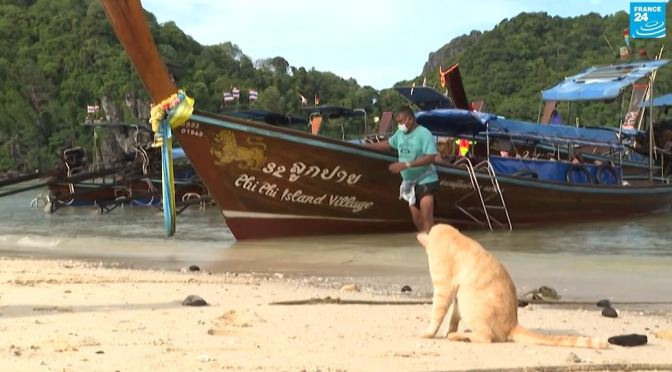
It was made famous by the film “The Beach”, starring Leonardo DiCaprio, but in recent years mass tourism has ravaged Thailand’s Maya Bay, located in the idyllic Phi Phi islands. Now, after an extended shutdown amid the Covid-19 pandemic, there are signs that this natural paradise is recovering and, as visitors begin to return, the Thai government and tour operators are keen to avoid the mistakes of the past.