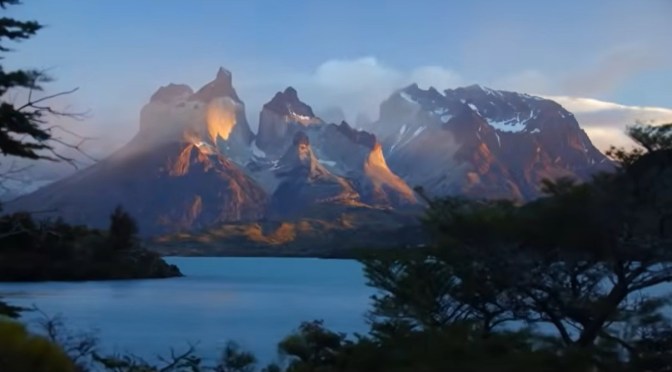

From the bustling activity of springtime storks to the tranquil beauty of northern forests, immerse yourself in the diverse ecosystems and unique wildlife of this enchanting region.

From the bustling activity of springtime storks to the tranquil beauty of northern forests, immerse yourself in the diverse ecosystems and unique wildlife of this enchanting region.


Directed by Steve Atkins (https://www.steveatkins.co/)
Music by Rob Martland (http://www.robmartland.com/)
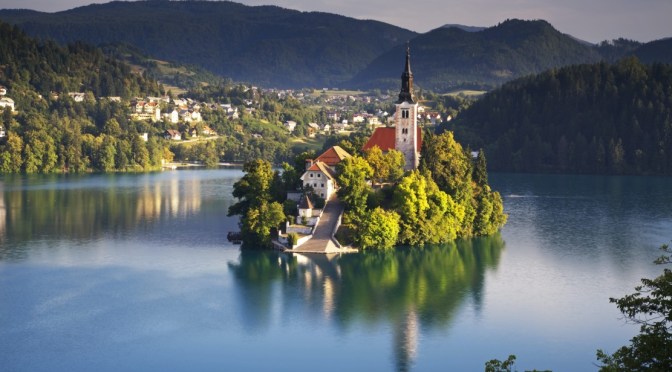
April 15, 2023: An aerial journey through some of Slovenia’s most scenic locations, including the majestic Julian Alps, the picturesque Lake Bled, and the emerald green Soča River. You will witness the stunning beauty of the Slovenian countryside from a unique perspective, as my drone soars high above the mountains, forests, and lakes.
Filmed and edited by: Tim Roosjen
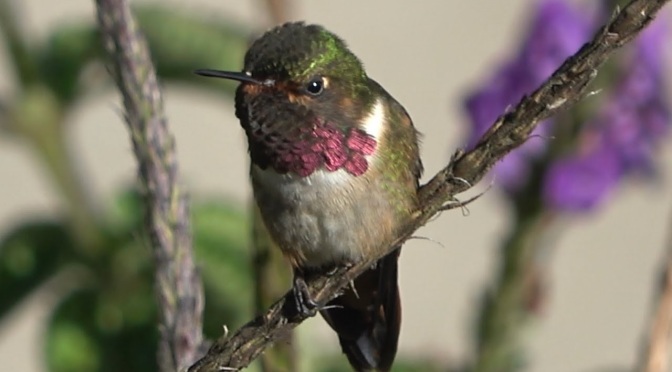
The volcano hummingbird (Selasphorus flammula ) is a very small hummingbird, native to the Talamancan montane forests of Costa Rica and western Panama.
This tiny endemic bird inhabits open brushy areas, paramo, and edges of elfin forest at altitudes from 1850 m to the highest peaks. It is only 7.5 cm long. The male weighs 2.5 g and the female 2.8 g. The black bill is short and straight.
The adult male volcano hummingbird has bronze-green upperparts and rufous-edged black outer tail feathers. The throat is grey-purple in the Talamanca range, red in the Poas-Barva mountains and pink-purple in the Irazú-Turrialba area, the rest of the underparts being white. The female is similar, but her throat is white with dusky spots. Young birds resemble the female but have buff fringes to the upperpart plumage.
The female volcano hummingbird is entirely responsible for nest building and incubation. She lays two white eggs in her tiny plant-down cup nest 1–5 m high in a scrub or on a root below a south or east facing bank. Incubation takes 15–19 days, and fledging another 20–26.
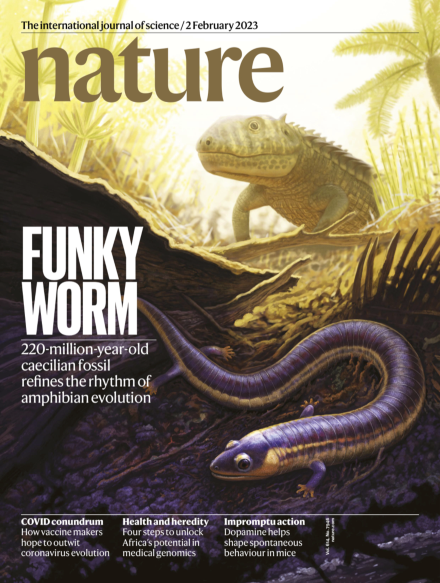

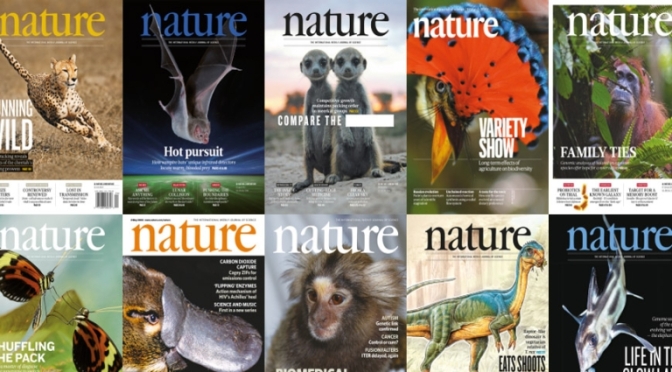
Two brain regions help humans to filter out irrelevant information and concentrate on the right stuff in social situations.
Export of minerals, wood and energy drives a surprisingly high fraction of deforestation.
Magma chamber is discovered beneath Kolumbo volcano, near the Greek island of Santorini.


The successful use of engineered white blood cells (cells that are removed from the human body, modified with receptors that allow them to recognize cancer cells, and then returned to the body) to fight and eliminate tumor cells has frequently been called revolutionary and has even allowed researchers the rare opportunity to refer to a cure for certain cancers.
Reforestation has become a global priority but evidence on what works is still scant
Reference genomes used to direct the gene editor fail to account for human diversity in those of African descent
Meta’s algorithm tackles both language and strategy in a classic board game that involves negotiationNASA mulls end for long-lived climate sentinels
Drifting satellites could still yield insights into wildfires and storms, researchers argue
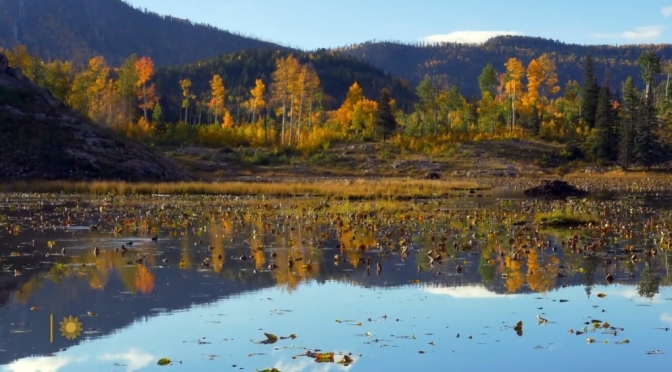
“Sunday Morning” takes us to San Juan National Forest in Colorado. Videographer: Scot Miller.
The San Juan National Forest covers the southern half of the massive and complex San Juan Mountains. There are numerous peaks, rivers, lakes, and remote stretches in the forest, including the Weminuche Wilderness, the largest in the state. Parts of the forest are accessible from Cortez, Durango, Pagosa Springs, Silverton, Telluride, and Ouray.
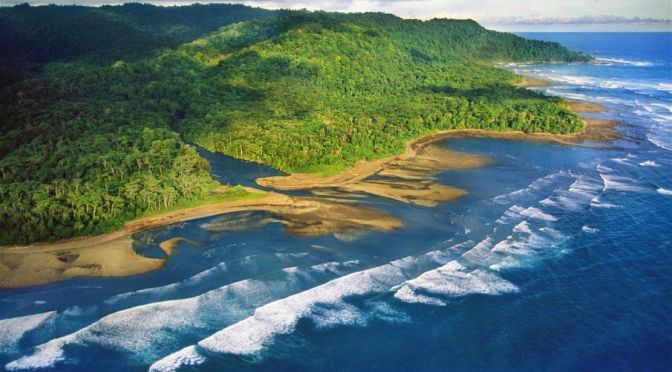
Corcovado National Park in Costa Rica is the backpacking experience of a lifetime. It encompasses the only remaining old growth wet forests on the Pacific coast of Central America, and 13 major ecosystems including lowland rain forest, highland cloud forest, jolillo palm forest, and mangrove swamps, as well as coastal marine and beach habitats.
There is a good chance of spotting some of Costa Rica’s shyest and most endangered inhabitants here; Baird’s Tapirs, Jaguars, Scarlet Macaws, Harpy Eagles, Red-backed squirrel monkeys and White-lipped Peccaries. It is wet, remote and rugged, but the trails are relatively good, and the camping areas near the ranger stations are grassy and well drained.

 Boomers Daily