
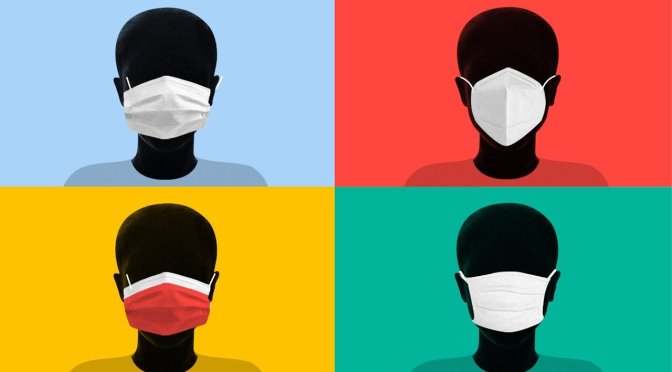
Face masks have been part of our lives for a year now and a leading epidemiologist has predicted that we may need to wear face coverings for several years until we return to normality. Mary Ramsay, the head of immunisation at Public Health England, said basic measures could be in place until other countries successfully roll out vaccines. So after a year of coronavirus, which ones are the best to wear? We took a look at each type of face mask available to find out.
Tag Archives: Face Masks
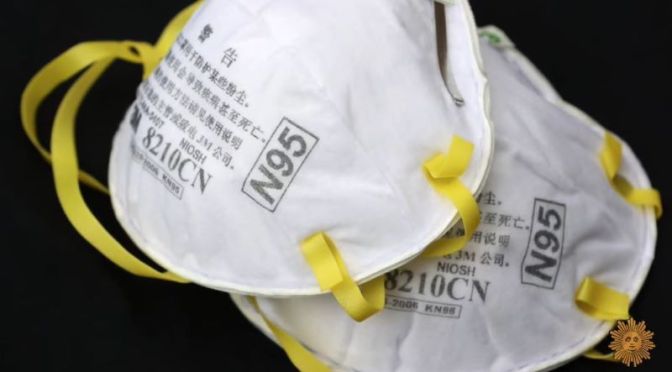
Covid-19: ‘The Evolving Science Of Masks’ (Video)
How can you tell if the mask you’re wearing is protective enough against the coronavirus? Correspondent David Pogue volunteers as a test subject to see how N95s work and learns about the science of face coverings.

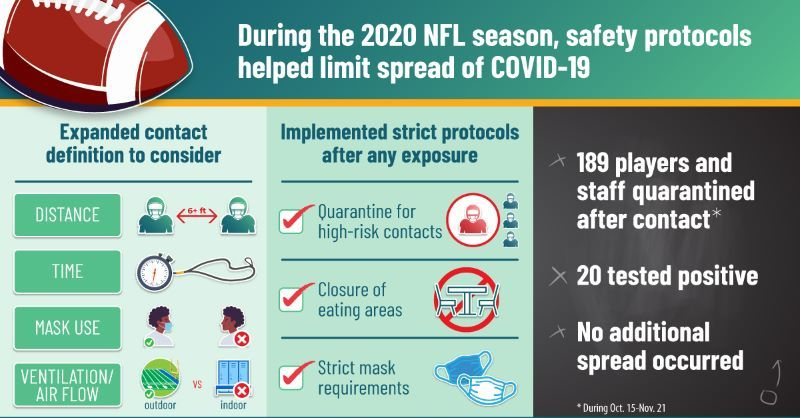
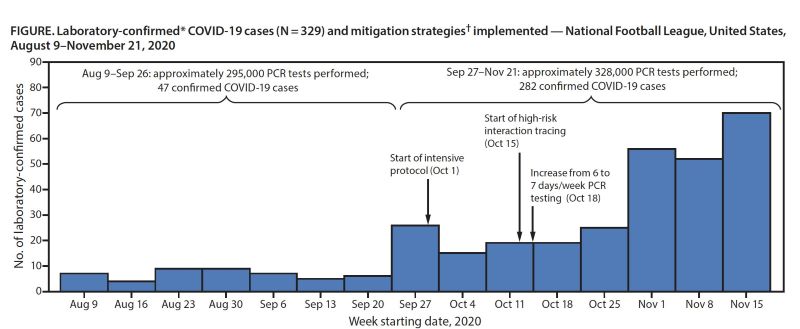
Covid19 Infographic: How ‘NFL Safety Protocols’ Reduced Spread Of Virus

Covid Prevention: ‘Smart Technology At CES 2021’
At this year’s virtual tech megashow, gadgets to protect you from Covid-19 are all the rage. But do you need a connected mask and a personal air purifier? What about a doorbell that takes your temperature? WSJ’s Joanna Stern checks out this new gear—from her basement. Photo illustration: Preston Jessee for The Wall Street Journal

Morning News Podcast: Biden’s Transition Delay, Iowa Mask Mandate

NPR News Now reports: President-Elect Biden’s delayed transition, Iowa issues mask mandate, and other top news.
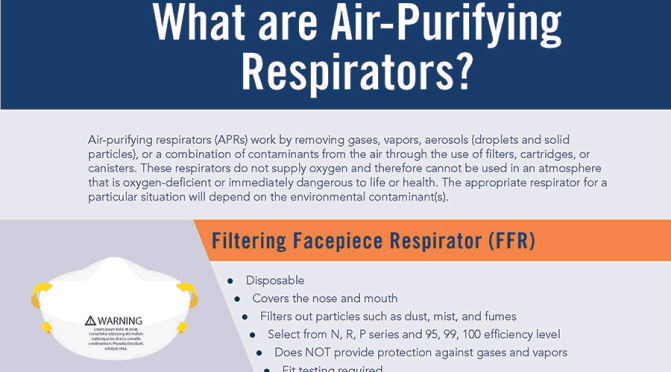
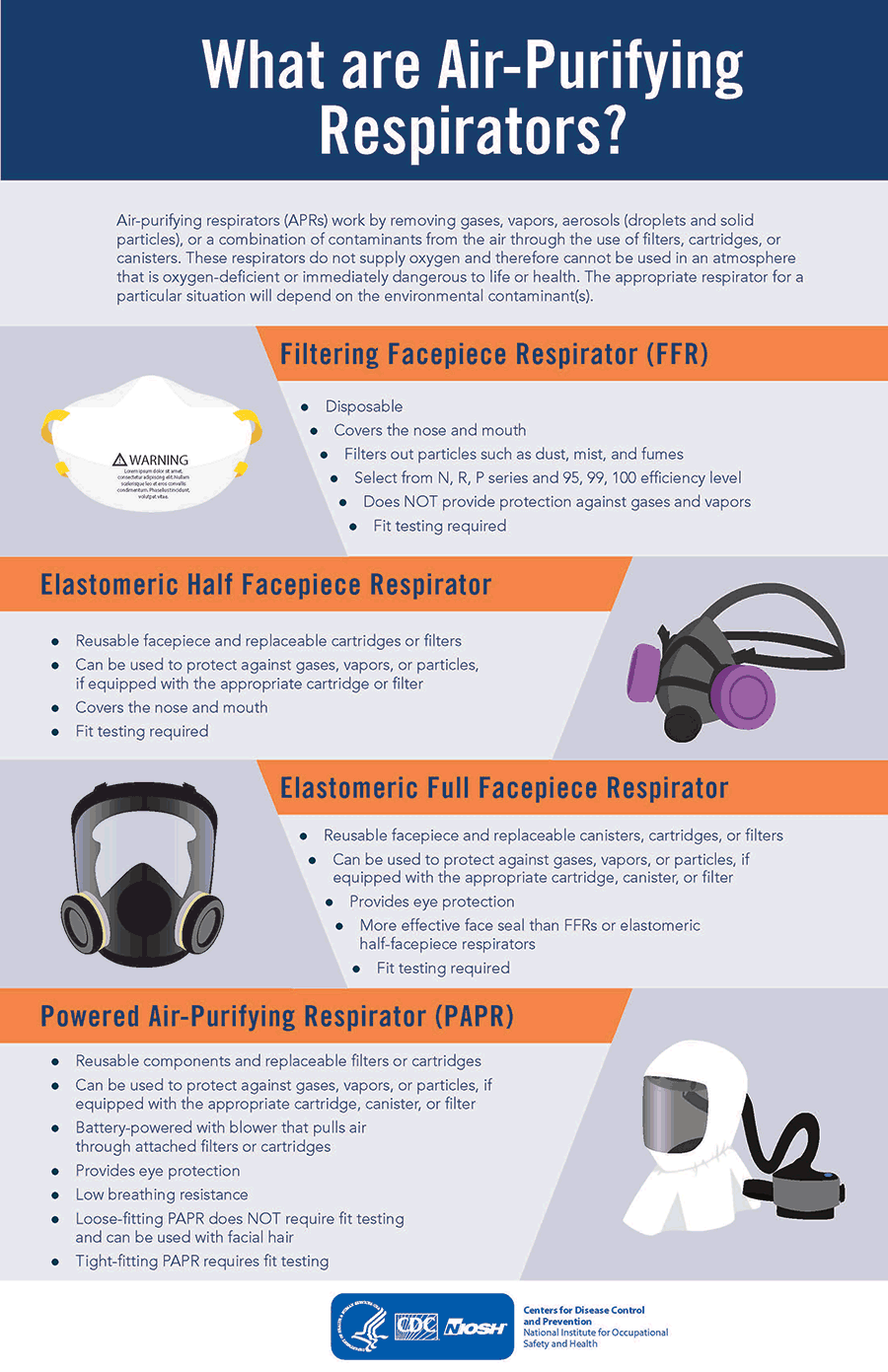
Health Infographic: “What Are Air-Purifying Respirators?” (CDC)

Health: LVMH And Fashion Industry Now Making Hand Sanitizer, Masks And Protective Gear (Podcast)
 Jamie Waters explains how the fashion industry emerged as a vital contributor in the fight against the pandemic. Many brands, big and small, have pivoted to make masks and other protective equipment.
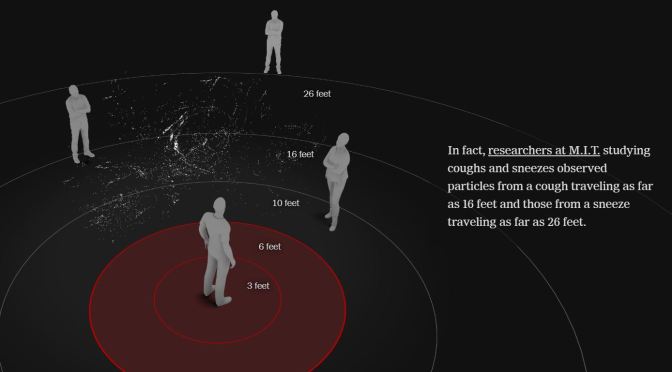
Social Distancing: 3-D Simulation Of How Respiratory Droplets Spread Coronavirus
From The New York Times (April 14, 2020):
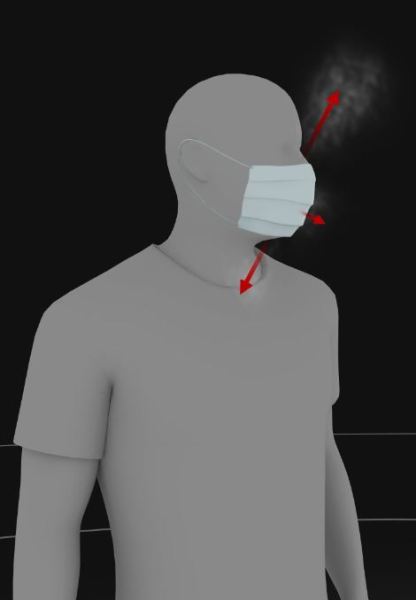
But as this simulation suggests, and scientists have argued, droplets can travel farther than six feet. And small droplets known as aerosols can remain suspended or travel through the air before they eventually settle on surfaces. This is how they could disperse over the next 20 minutes.
The Centers for Disease Control and Prevention encourages people to stay home. If you must venture out, you should stay at least six feet away from others. The World Health Organization recommends a minimum of three feet of separation.
Scientists are learning about the novel coronavirus in real time, and those who study similar respiratory illnesses say that until it is better understood, no guideline is likely to offer perfect safety. Instead, understanding the possible transmission routes for the virus can help us see why keeping our distance is so important.

Top New Science Podcasts: Coronavirus Spreading In The Air, Eating Disorders
 On this week’s show, Staff Writer Robert Service talks with host Sarah Crespi about a new National Academy of Sciences report that suggests the novel coronavirus can go airborne, the evidence for this idea, and what this means for the mask-wearing debate.
Also this week, Staff Writer Jennifer Couzin-Frankel joins Sarah to talk about a burgeoning understanding of the biological roots of anorexia nervosa—an eating disorder that affects about 1% of people in the United States. From genetic links to brain scans, scientists are finding a lot more biology behind what was once thought of as a culturally driven disorder.
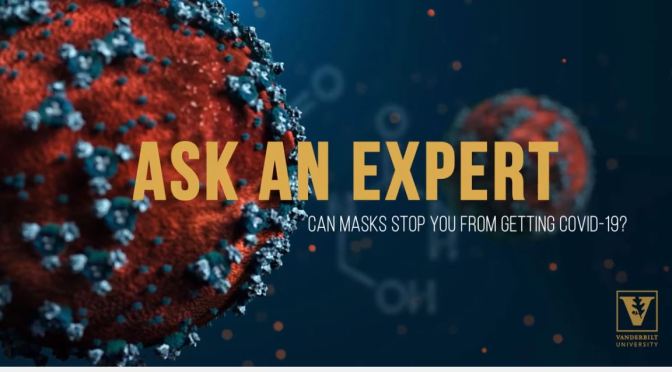
Coronavirus: “Can Masks Stop You From Getting Covid-19?” (April 3, 2020)
 Boomers Daily