
 A brisk 2.9 mile walk (yes, 2.9 miles) in mildly drizzly weather from The Swan Hotel door back to the breakfast room set up a perfect day.
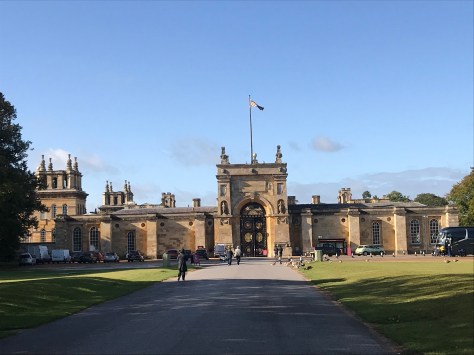
Drove to Blenheim Palace and arrived at the 10:00 am opening time. Gorgeous grounds and gated entrance.
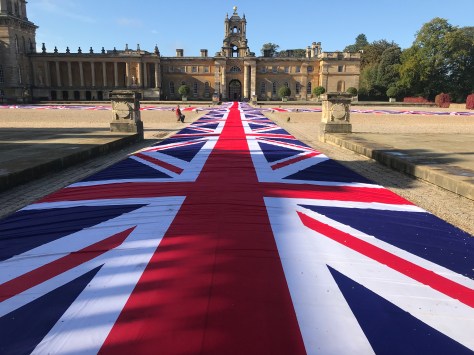
Famed Italian Artist Mauricio Cattelan was featured throughout the Palace and grounds which added to the spectacle.
We entered the palace at 10:30 and were swept up in an amazing tour of the Duke of Marlborough’s residence.
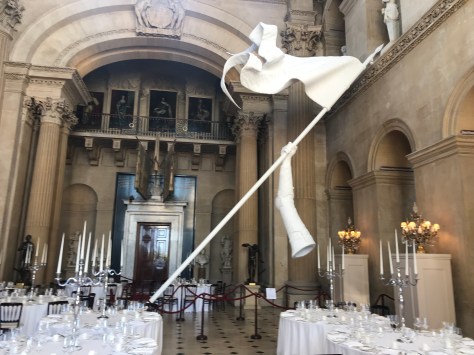
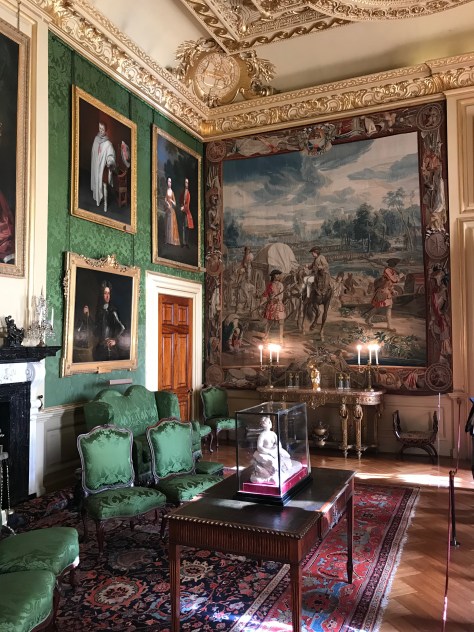


The audio tour was very informative and kept your interest in every room.


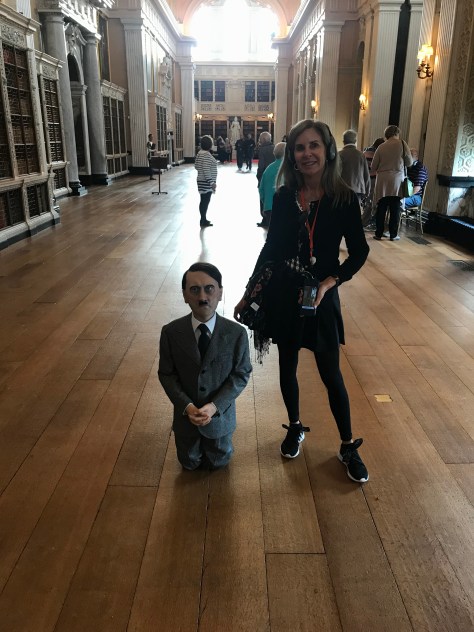
Cattelan’s very humorous exhibits were meant to convey the very accidental and interactive nature life and art, with the aim of softening the imposing feel of the castle. Amazing.
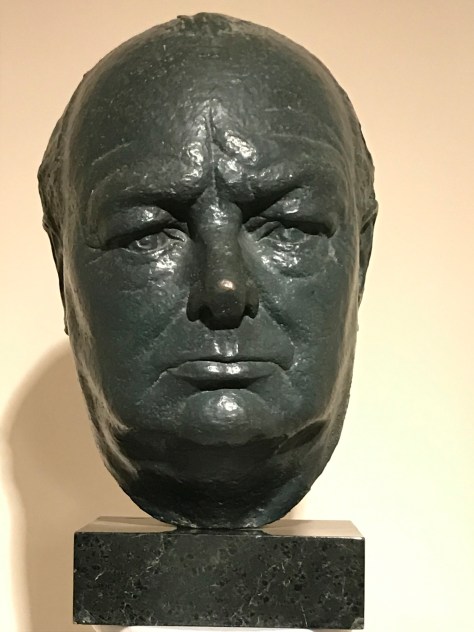
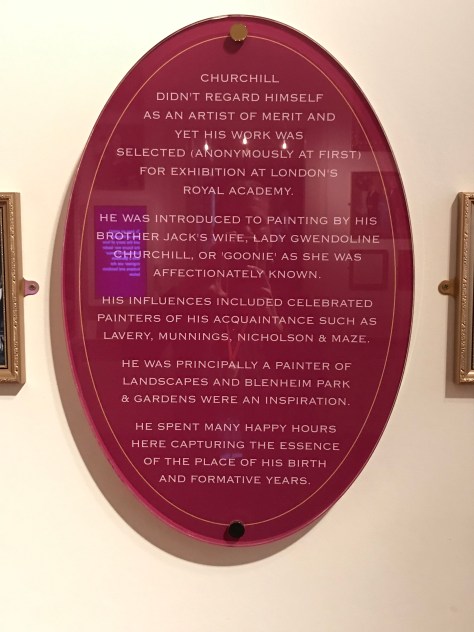
The Winston Churchill exhibits at the end were spectacular in breadth and scope.


We left at 1:00 and drove to Broadway and a walk of the very polished town, full of art galleries, custom shops and elite hotels. 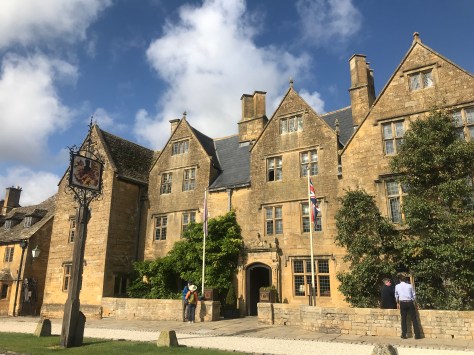
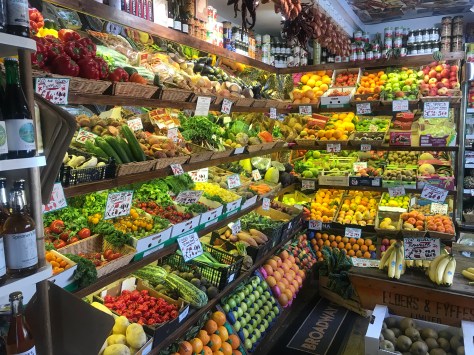

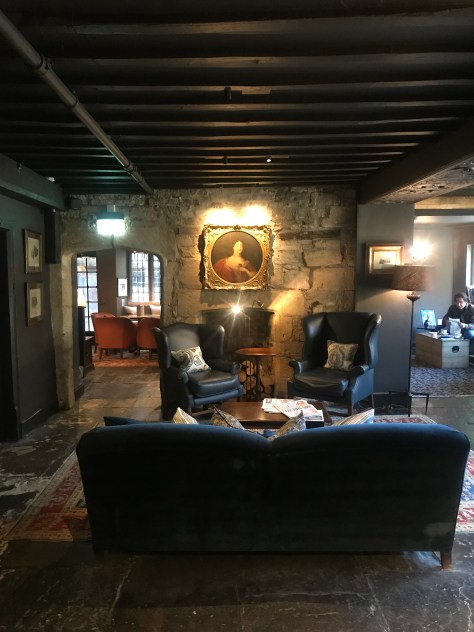

A great sandwich and salad at a deli on the Main Street was followed by a drive to the Broadway Tower.


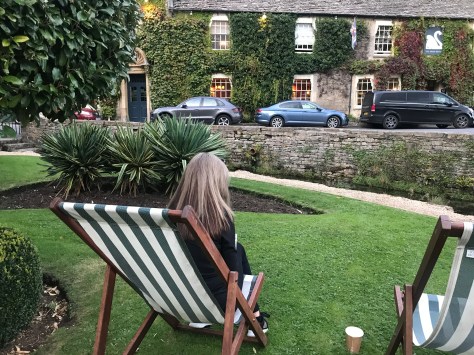
We headed back to Bibury and a glass of Rose in the small park in front of The Swan Hotel.

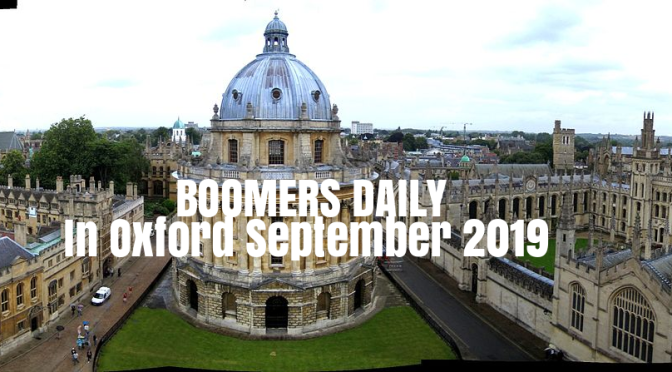


 Our first stop was the Ashmolean Museum, which was remarkably uncrowded at 9:30 am this Wednesday morning. We paid to see the special exhibit “Last Supper In Pompeii” and it was outstanding.
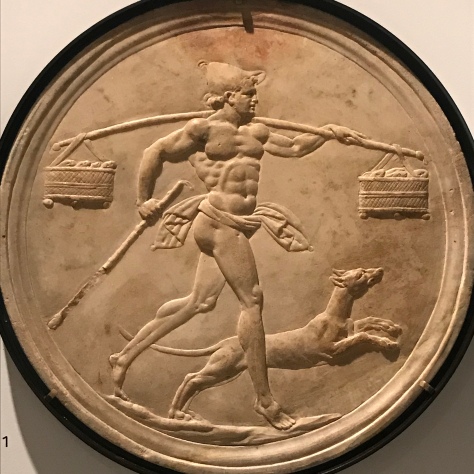


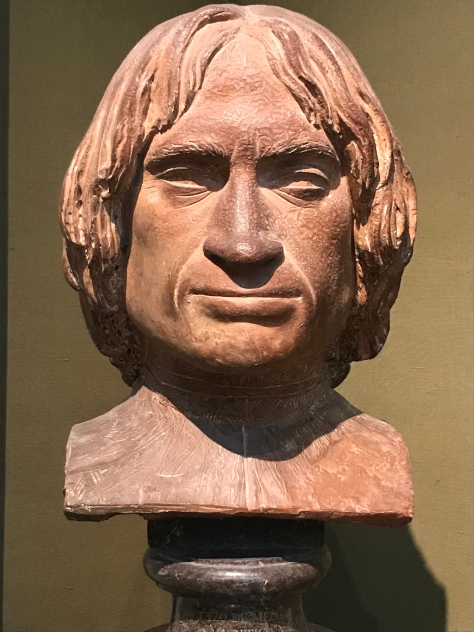
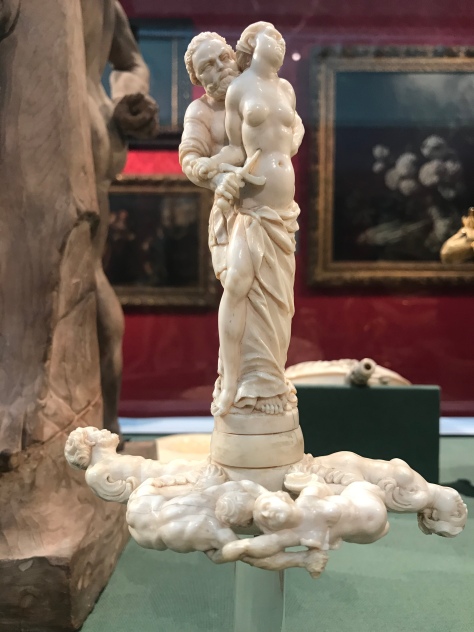




 Picked up a very nice BMW 520 Diesel at Victoria Station at 9:30 am. GPS is a must as there is always a learning curve driving on the left side of the road.
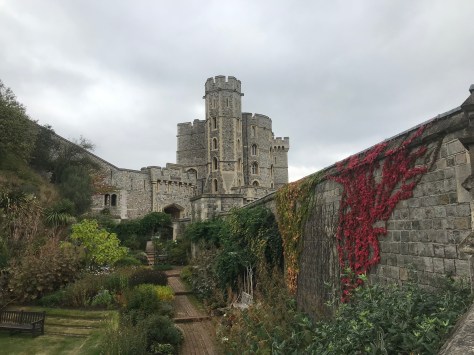
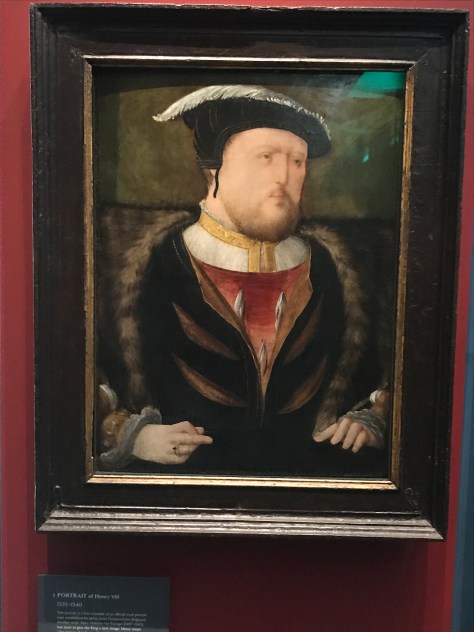
 Drove to Windsor Castle and arrived at about 11. Very light crowds as it was threatening rain, but the tour did not disappoint. Beautiful collections of gold and silver work, paintings by Hans Holbein the Younger (who painted Henry VIII and Thomas Cromwell in the 16th Century), and amazing tapestries.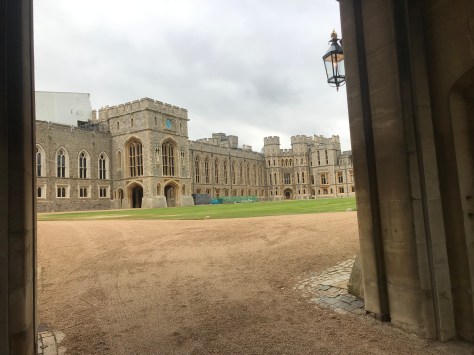
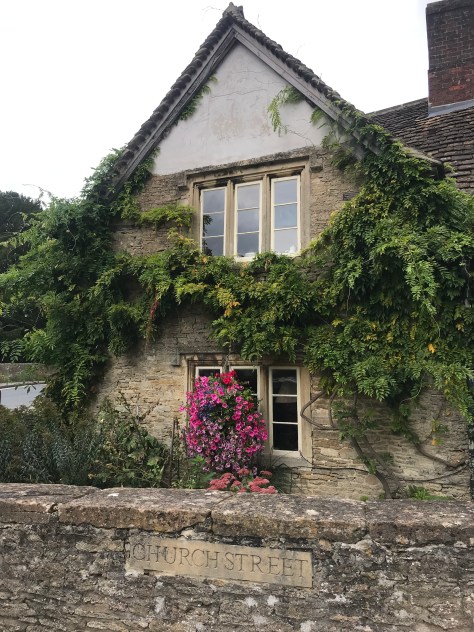
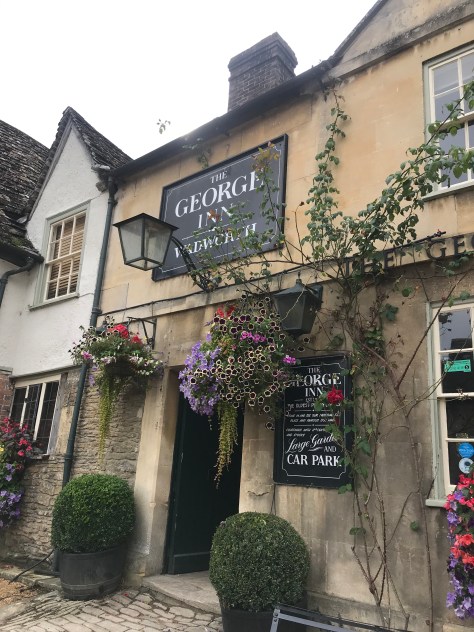
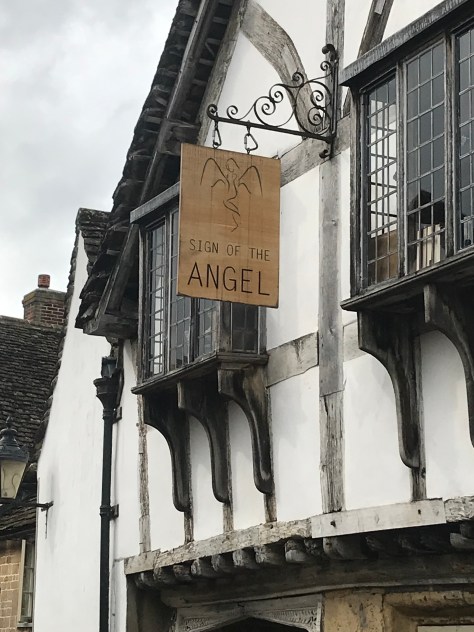
 After a quick pint of a Wadworth Swordfish Rum Infused Ale, we finished the drive at our Hotel, The Bird, in Bath.
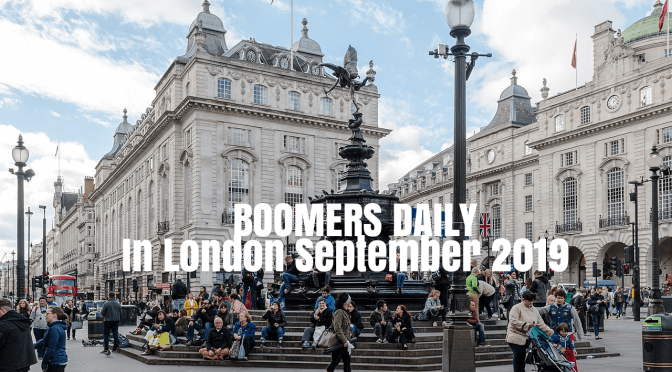
 After a great British breakfast, hopped on the Tube at Tower Hill and headed for the South Kensington station. Arrived at the Victoria & Albert Museum as it opened at 10.

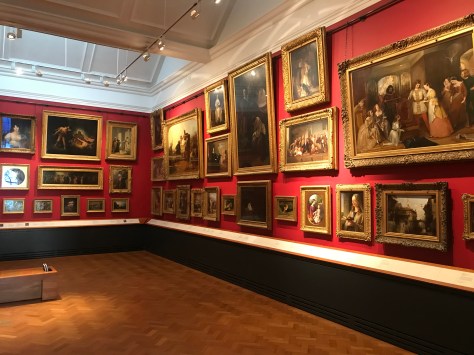
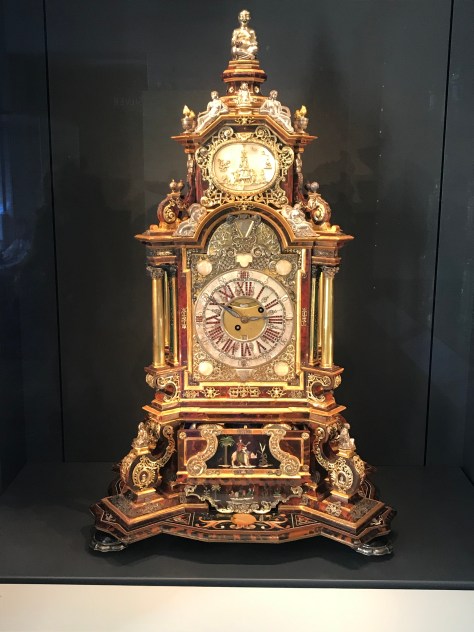

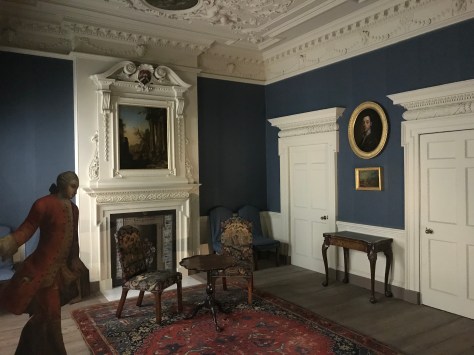





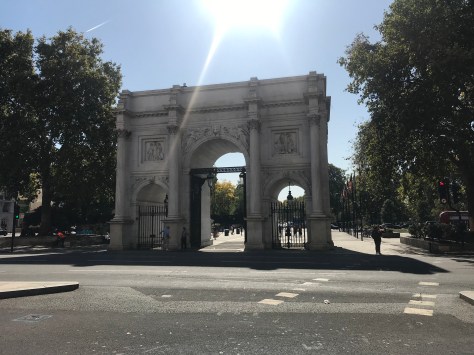





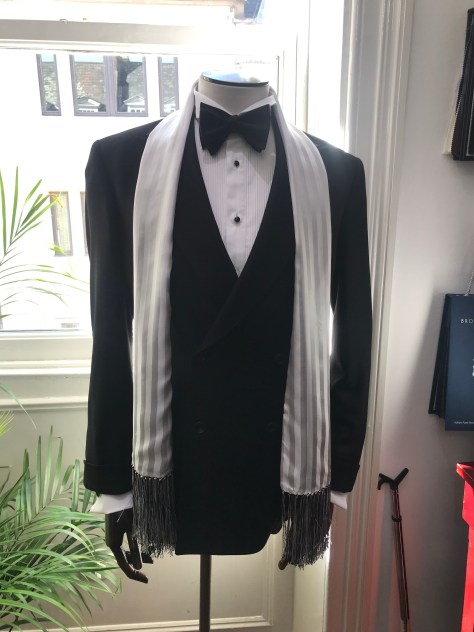

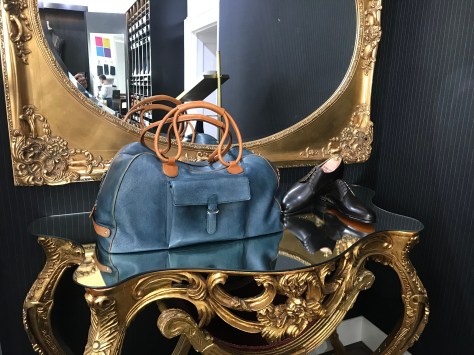

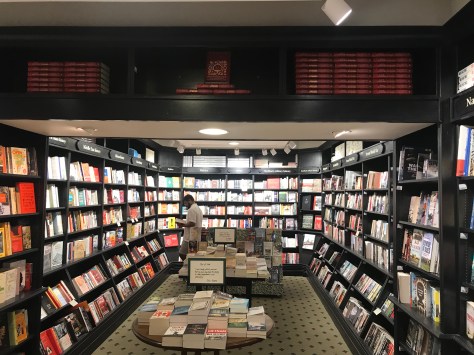
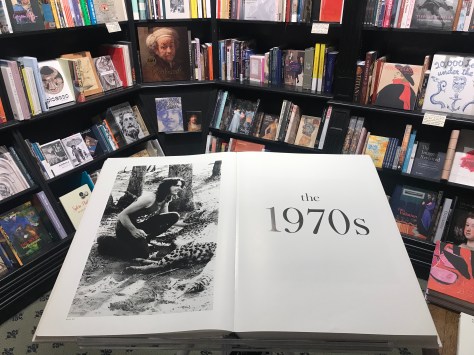




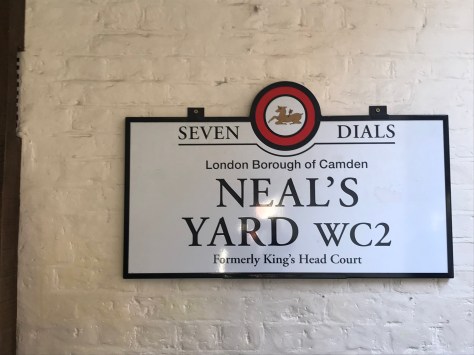
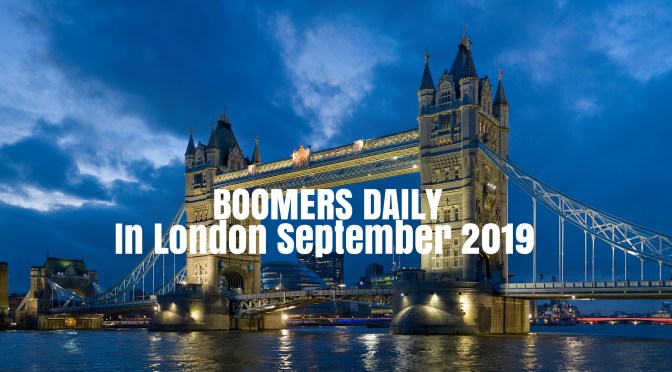
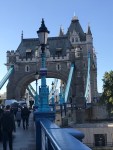 Set out at 9 am across Tower Bridge and experienced South Bank.
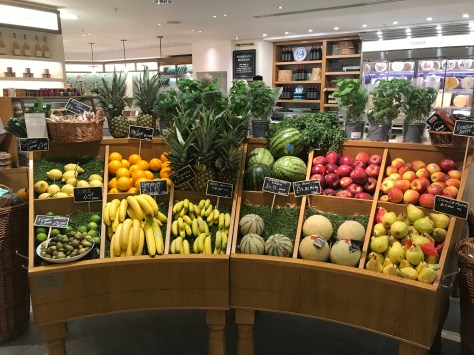
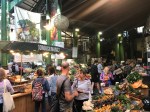 Borough Market is a must visit and it delivered delicious stall after stall of every cheese, meat, vegetable and savory or sweet foods.
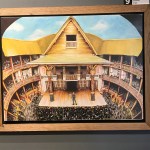 We then continued along the Thames for a quick view of Shakespeare’s Globe, followed by a tour of the Tate Modern.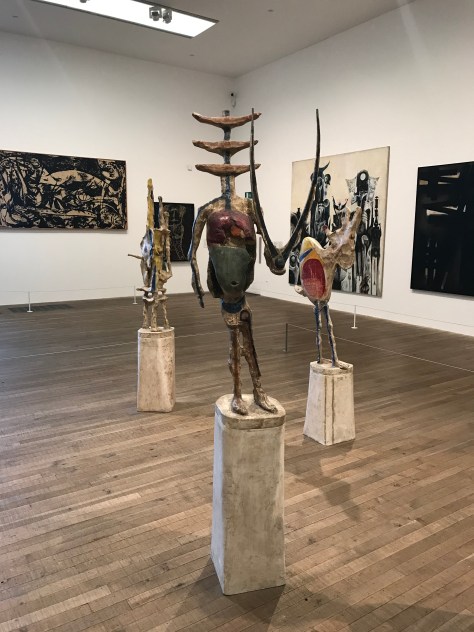
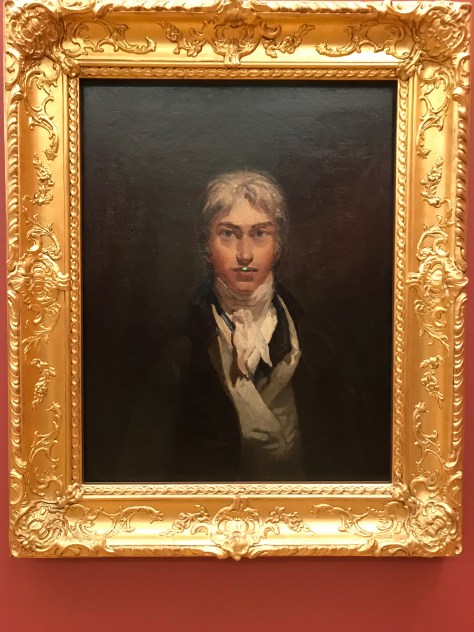
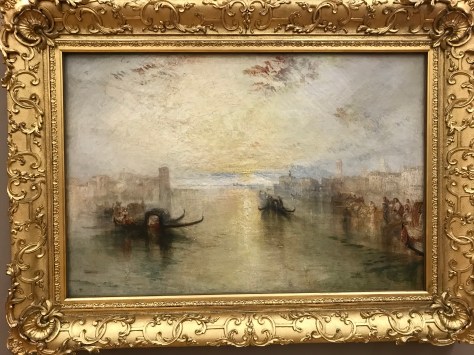
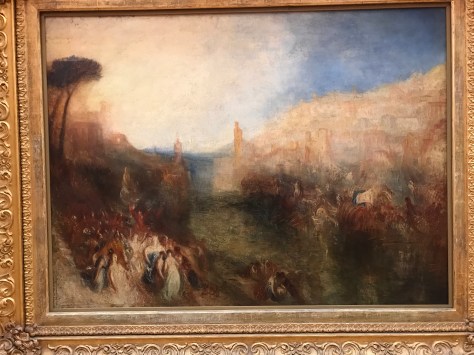
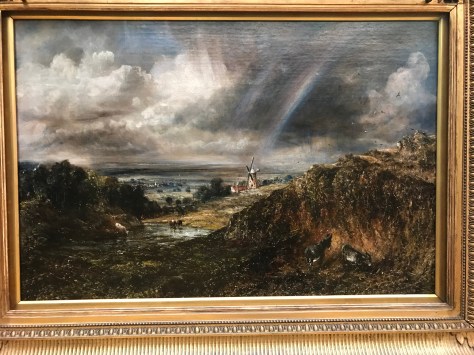
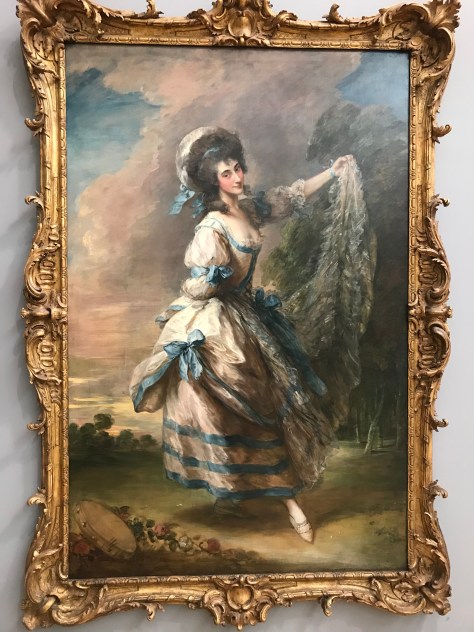
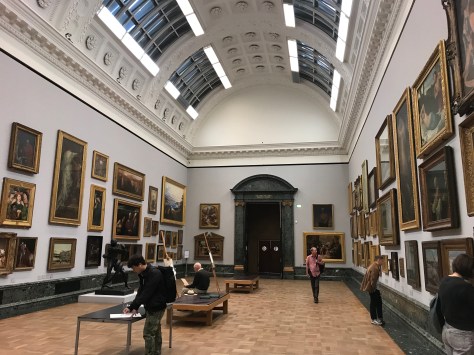
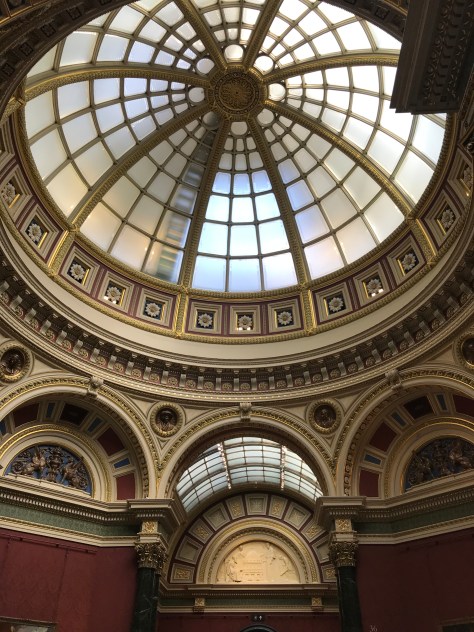
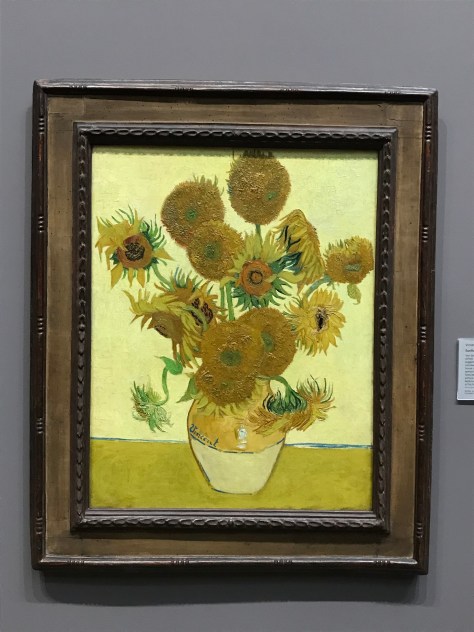
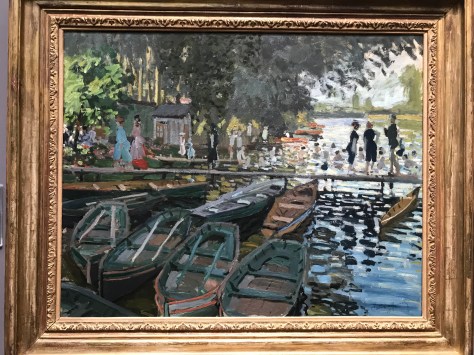
 Headed north to Buckingham Palace before walking through St. James Park to the National Gallery.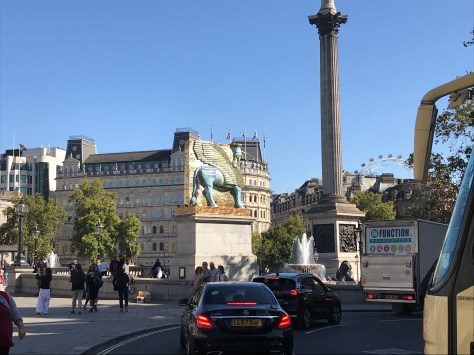
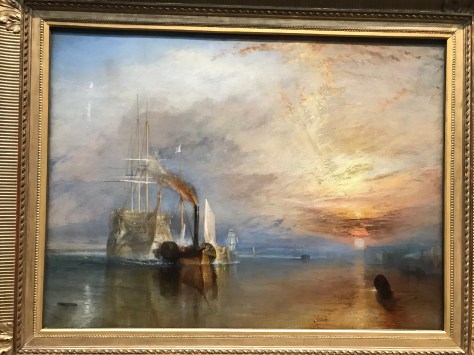
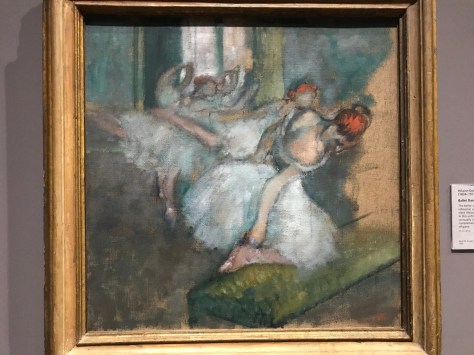
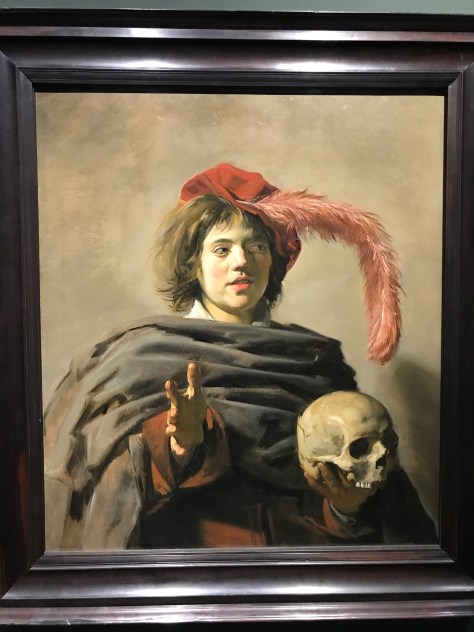
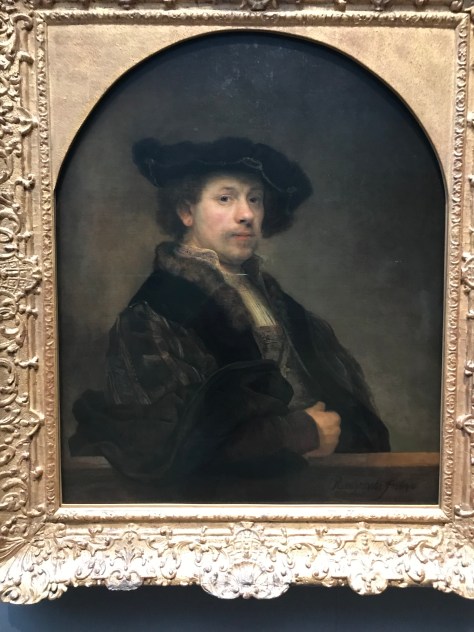

 Édouard Manet was a provocateur and a dandy, the Impressionist generation’s great painter of modern Paris. This first-ever exhibition to explore the last years of Manet’s short life and career reveals a fresh and surprisingly intimate aspect of this celebrated artist’s work. Stylish portraits,
  luscious still lifes, delicate pastels and watercolors, and vivid café and garden scenes convey Manet’s elegant social world and reveal his growing fascination with fashion, flowers, and his view of the parisienne—a feminine embodiment of modern life in all its particular, fleeting beauty.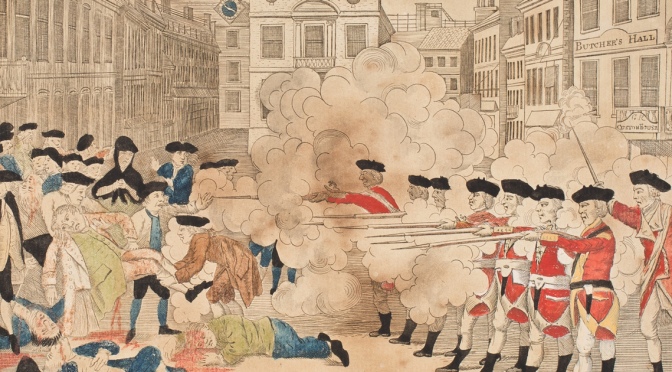
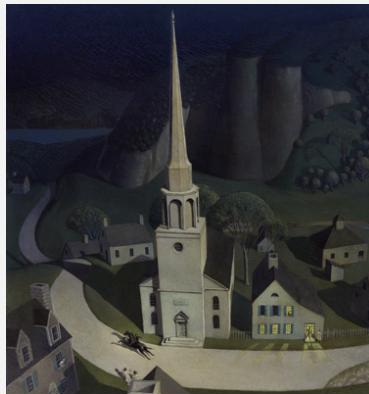 Revere’s place in history was cemented by
  The exhibition was organized by the
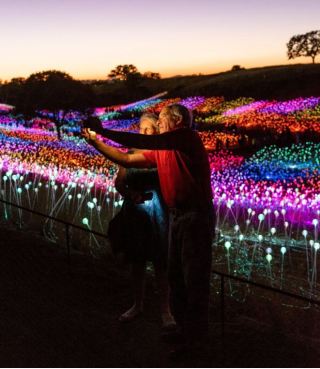 But there is nothing quite like the mind-bending spectacle now on display at dusk in the hills of Paso Robles here, a popular wine destination. That is the witching hour when thousands of solar-powered glass orbs on stems, created by the artist Bruce Munro, enfold visitors in an earthbound aurora borealis of shifting hues.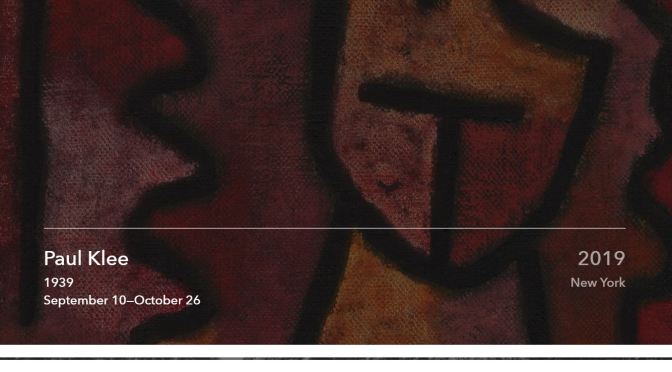
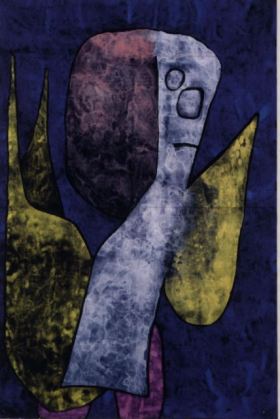 The works on view illustrate how Klee responded to his personal difficulties and the broader social realities of the time through imagery that is at turns political, solemn, playful, humorous, and poetic. Ranging in subject matter, the works all testify to Klee’s restless drive to experiment with his forms and materials, which include adhesive, grease, oil, chalk, and watercolor, among others, resulting in surfaces that are not only visually striking, but also highly tactile and original. The novelty and ingenuity of Klee’s late works informed the art of the generation of artists that emerged after World War II, and they continue to hold relevance and allure for artists and viewers alike today.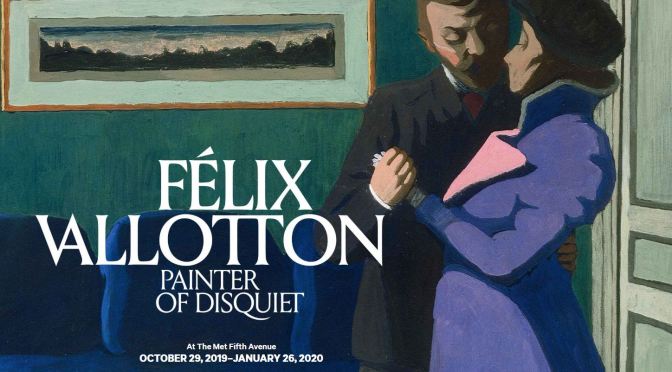
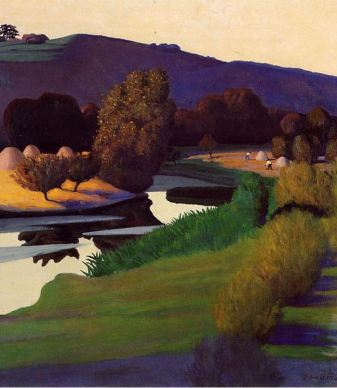 Witness to the radical aesthetics that gripped Paris in the late nineteenth and early twentieth centuries, Vallotton developed his own singular voice. Today we recognize him as a distinctive artist of his generation. His lampooning wit, subversive satire, and wry humor is apparent everywhere in his artistic production. Vallotton’s trenchant woodcuts of the 1890s solidified his reputation as a printmaker of the first rank while boldly messaging his left-wing politics.
 dozen lenders. Swiss-born and Paris-educated, Vallotton (1865–1925) created lasting imagery of fin-de-siècle Paris.
 Boomers Daily