
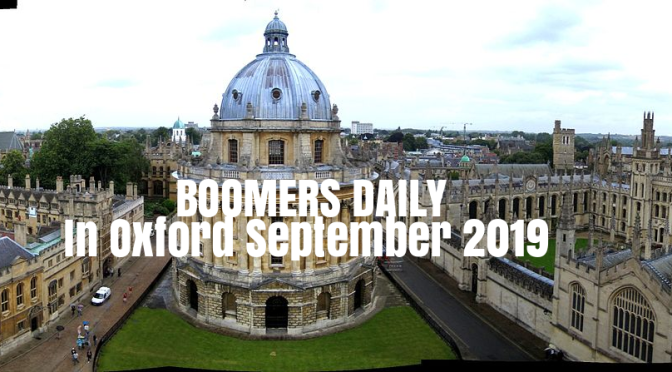
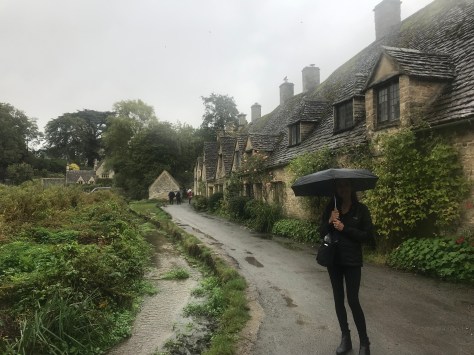
After a brisk walk through the Arlington Row, a very nice breakfast awaited us in The Swan dining room.


The drive to Oxford from Bibury is 30 miles, but expect traffic in the last 5 miles. Allow an hour to get parked in one of the many underground parking areas, such as the Gloucester Green.
 Our first stop was the Ashmolean Museum, which was remarkably uncrowded at 9:30 am this Wednesday morning. We paid to see the special exhibit “Last Supper In Pompeii” and it was outstanding.

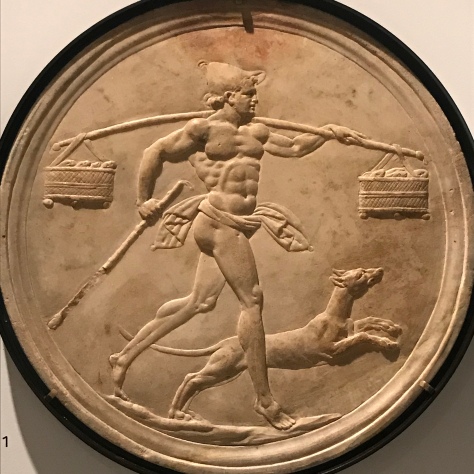


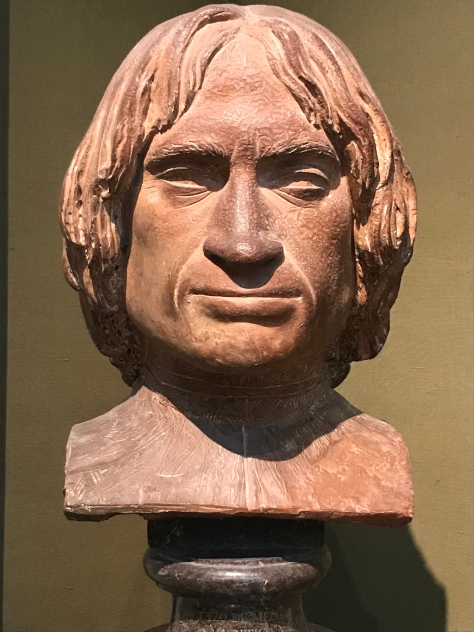
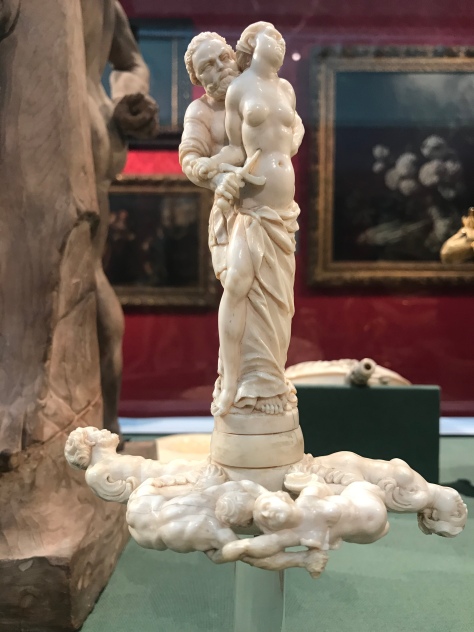
We then walked the remaining floors to view the incredible Renaissance and European Art exhibits including paintings, sculpture, ceramics and musical instruments

The three Stradivarius violins and one guitar, along with other priceless instruments were one of a kind holdings of this world class museum. 


We walked over the Bodleian Library and purchased tour tickets for 1 pm. The we walked over to University Church of Saint Mary the Virgin and paid to climb the tower to view all of Oxford but especially the Radcliffe Camera.


No one should visit Oxford and not climb the tower. Spectacular is the only descriptor. We climbed back down and walked the streets nearby until it was time for the tour. Our guide was an amazing woman who studied history at Cambridge before falling in love with the Bodleian.


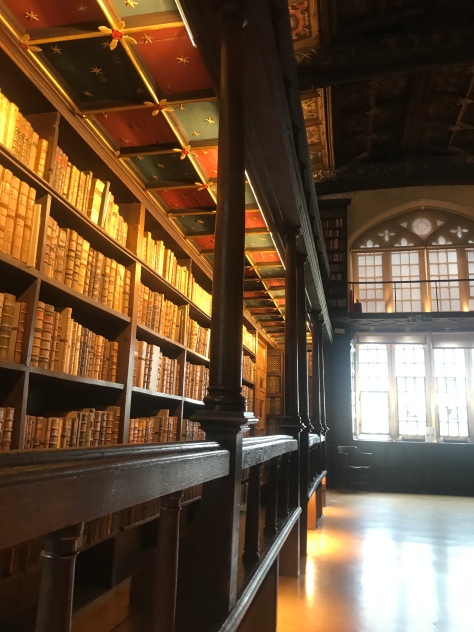
The history of Oxford University is centered around the 600+ year construction and evolution of its world famous library. A must see.
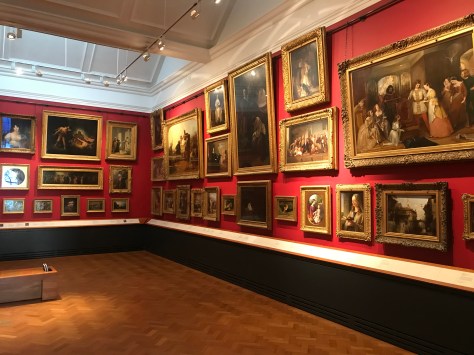
We walked over to the Christ Church Picture Gallery for a quick viewing and then had late lunch at The Bear, a classically old pub down a small alley.


Great day!
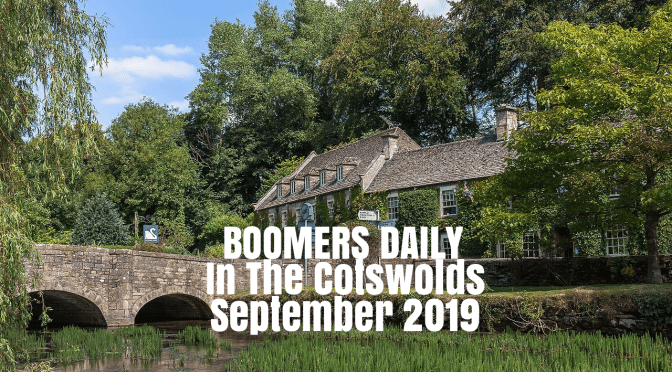
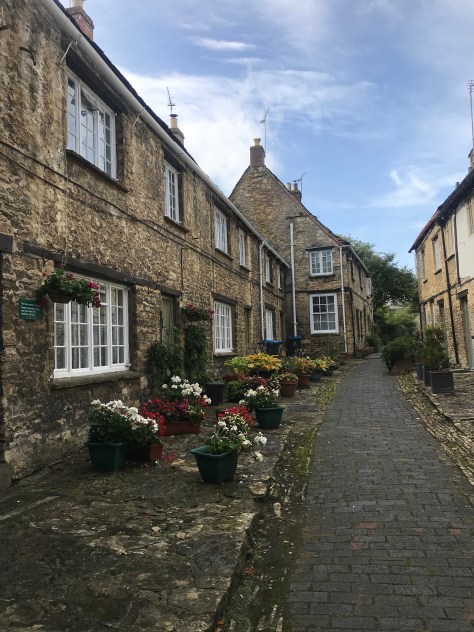
 Left The Painswick after a fine British breakfast (highlighted by fabulous, freshly made crumpets and a berry compote), we drove into a heavy rain toward Cirencester and the on to Bibury for a 3-night stay at The Swan Hotel.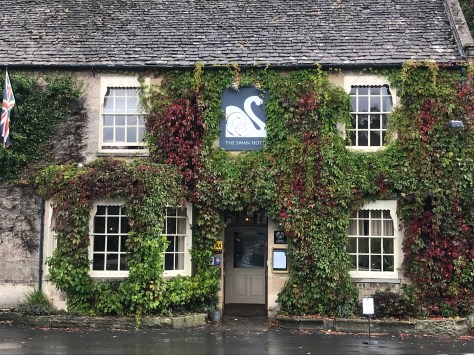
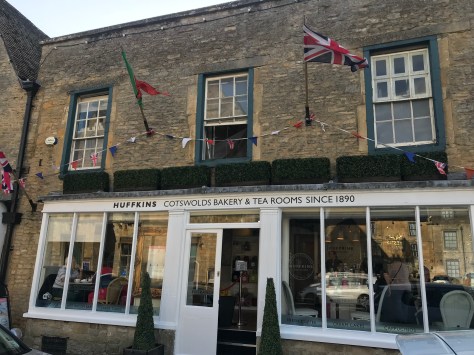
 The finest brownie in the world (layered peanut butter, chocolate fudge) was waiting for us at Huffkins Bakery. That and an iced coffee is worth a flight to London and the drive to Stow.

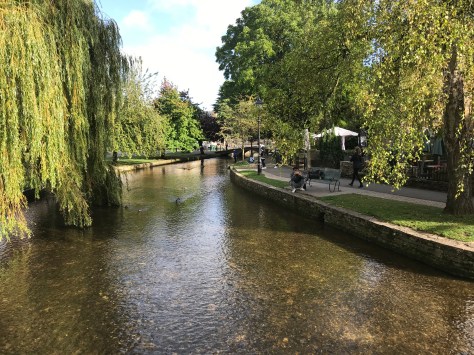
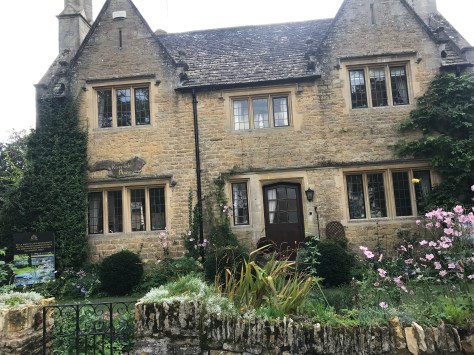
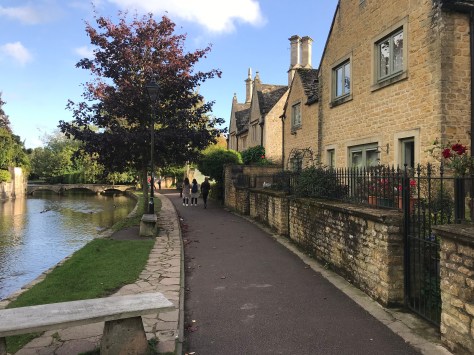

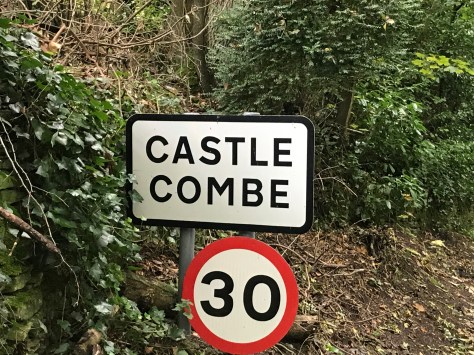
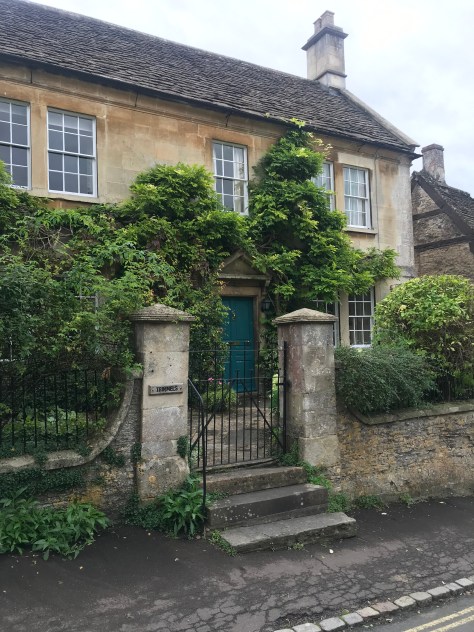
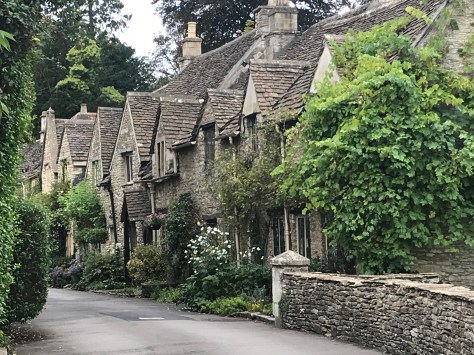
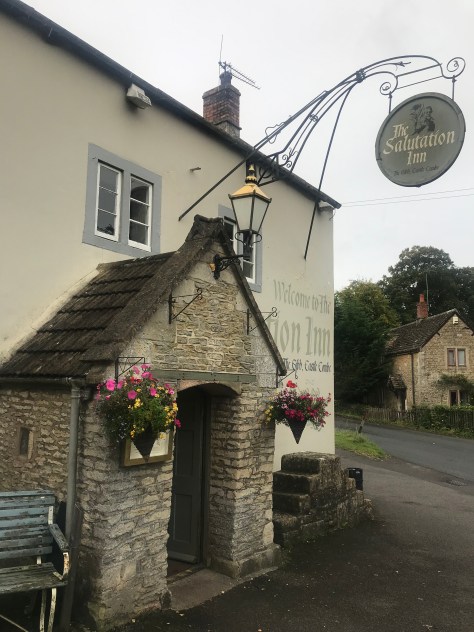
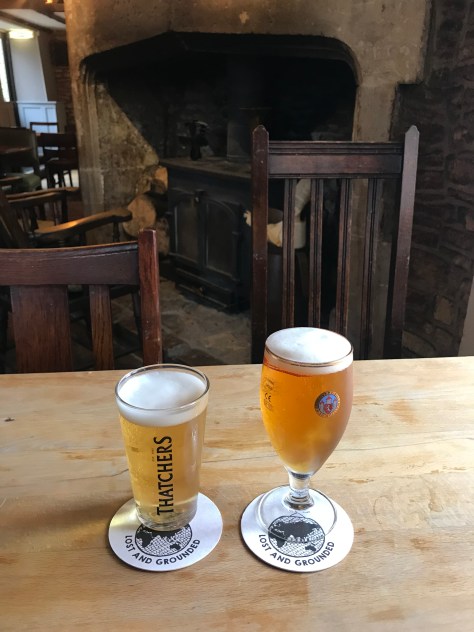
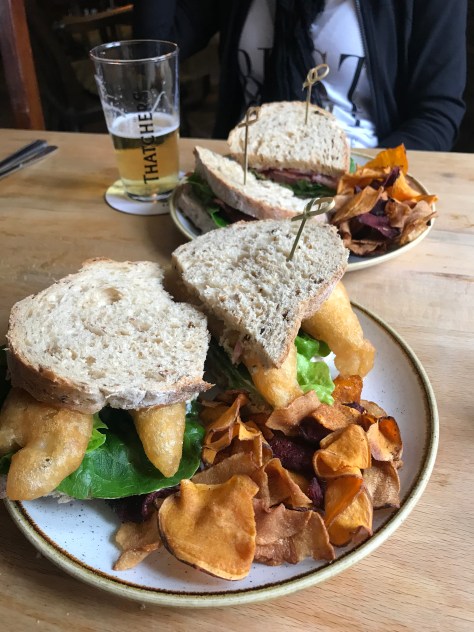
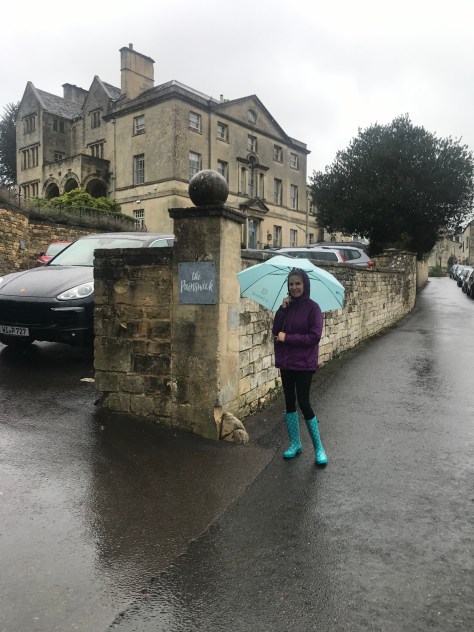
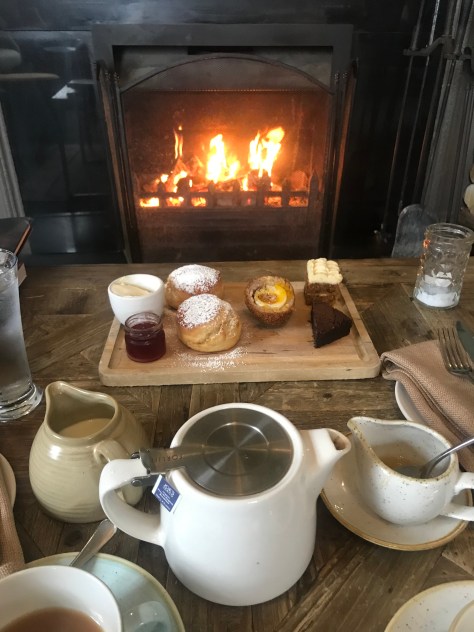
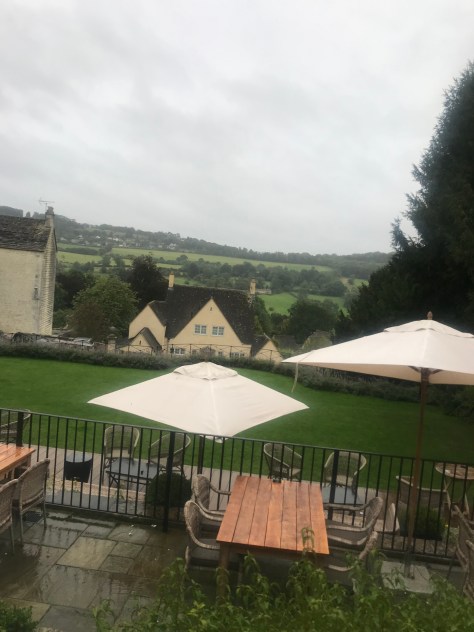
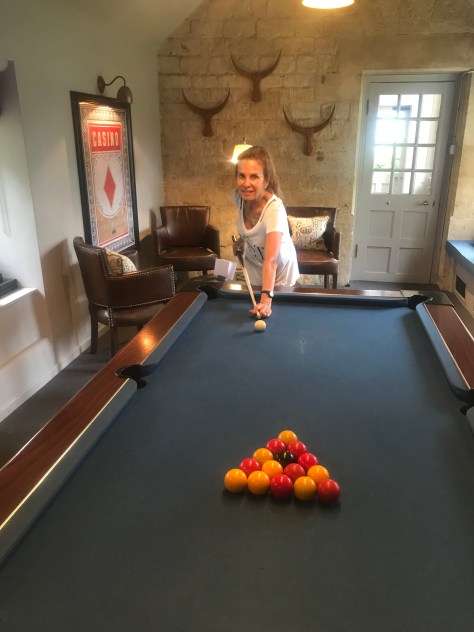
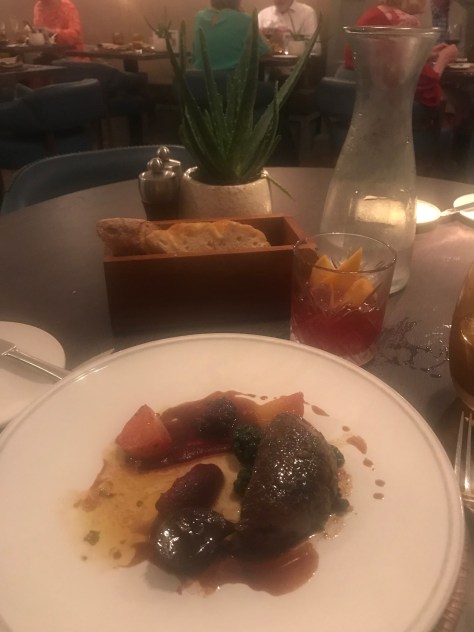

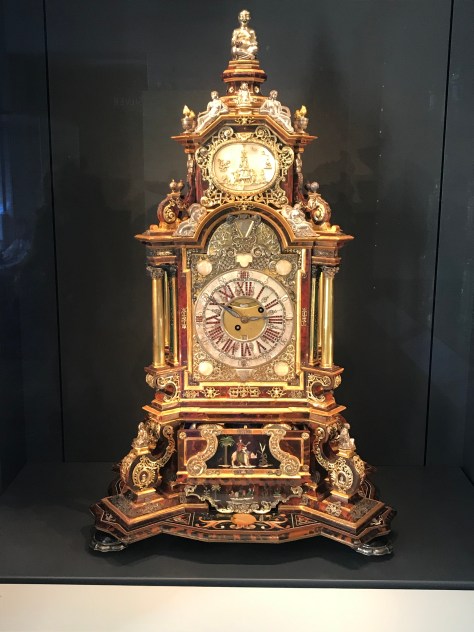
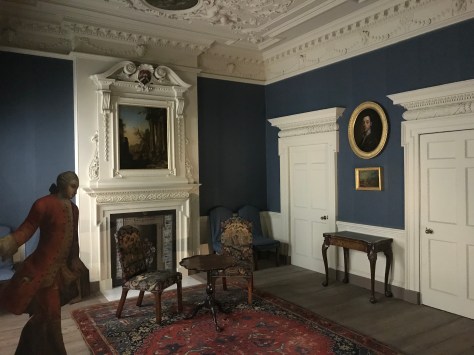
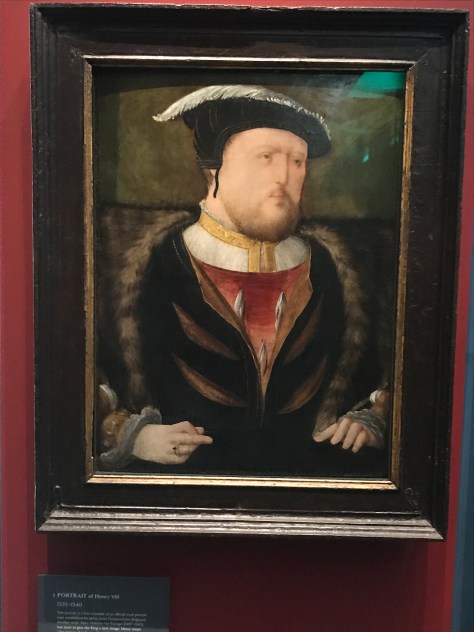
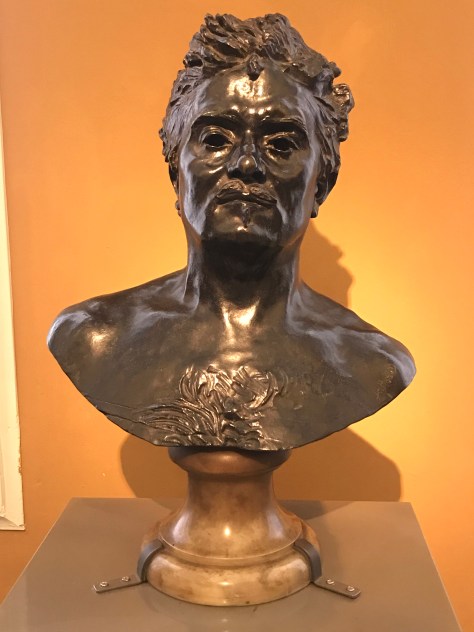
 After a great British breakfast, hopped on the Tube at Tower Hill and headed for the South Kensington station. Arrived at the Victoria & Albert Museum as it opened at 10.





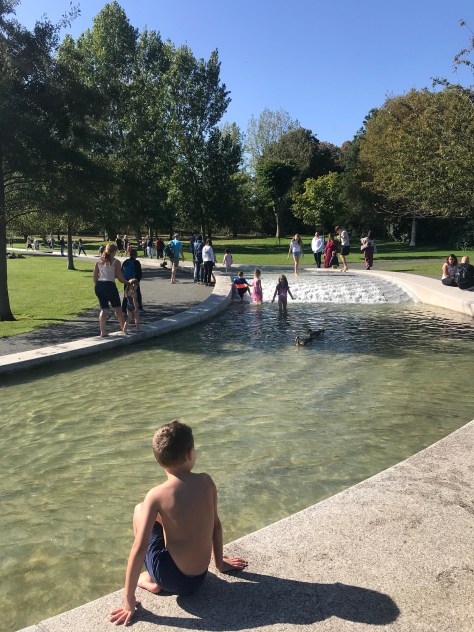


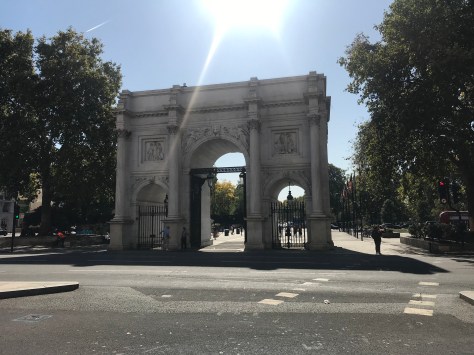













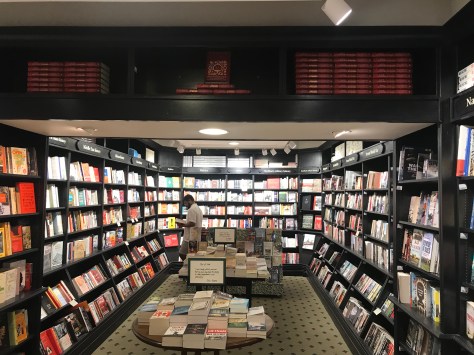
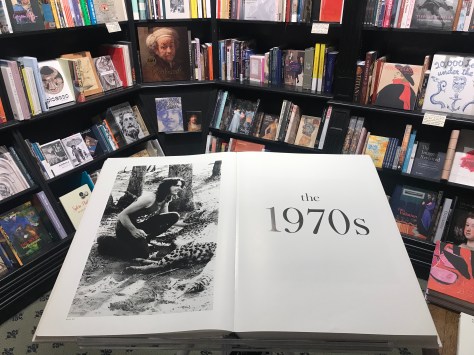


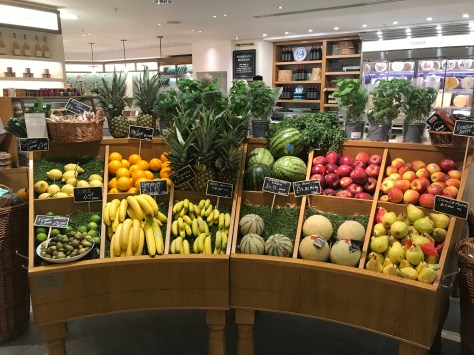


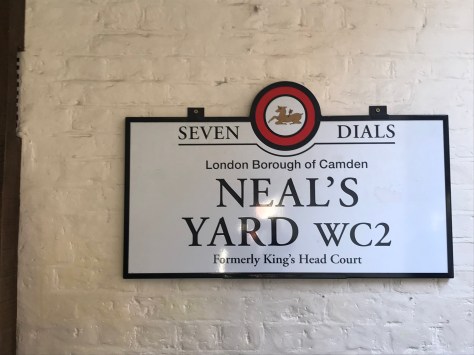
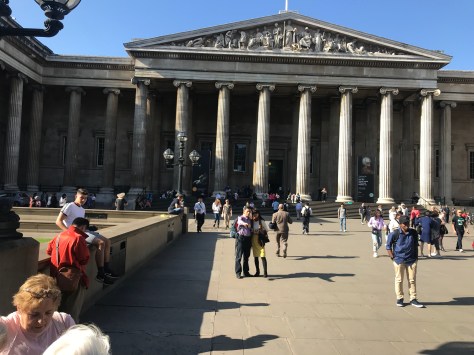
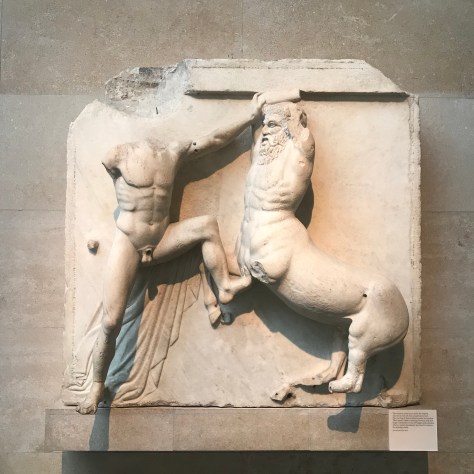
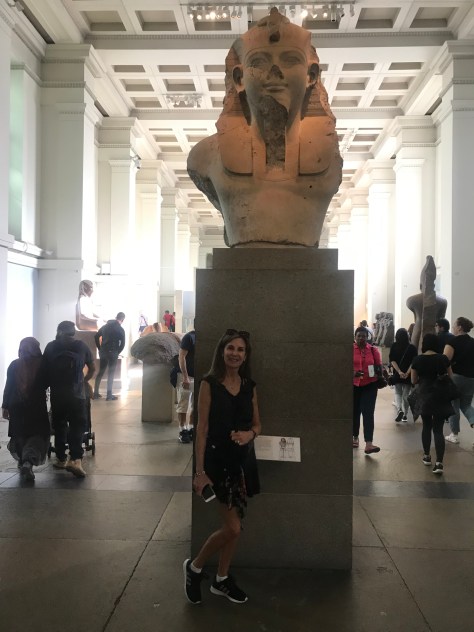
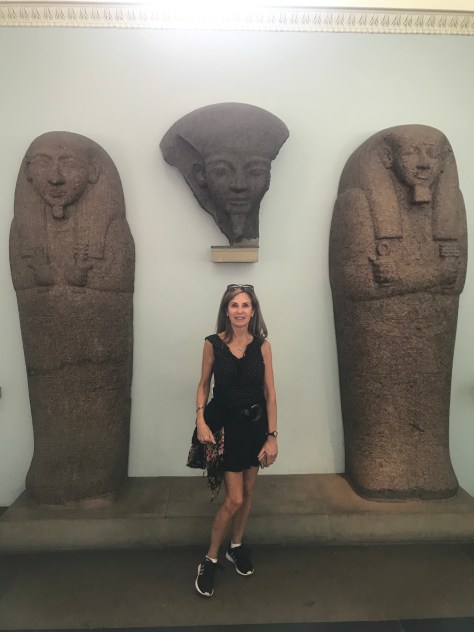
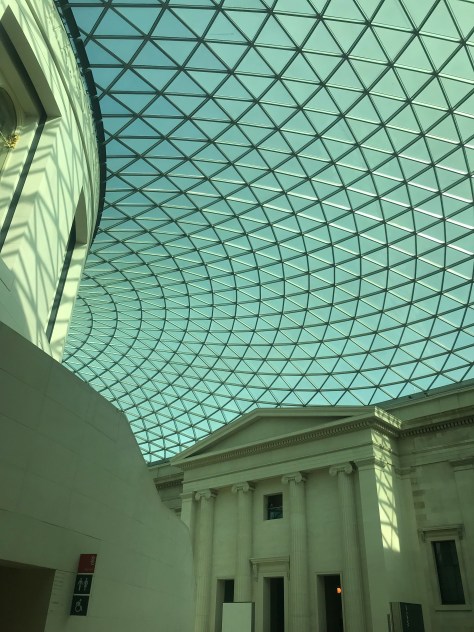
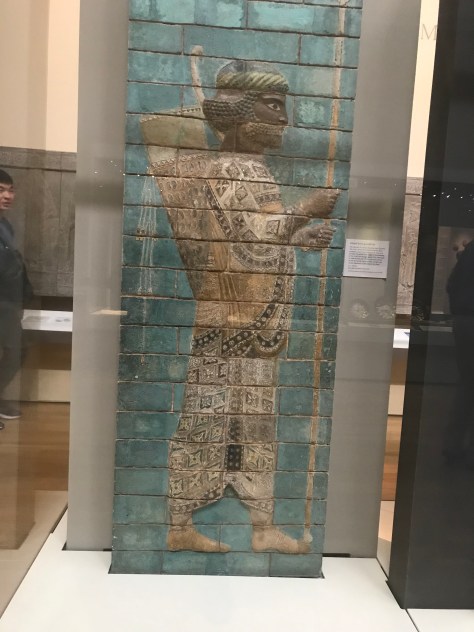



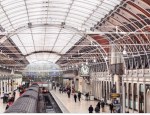 Heathrow Express to Paddington Station in 20 minutes.
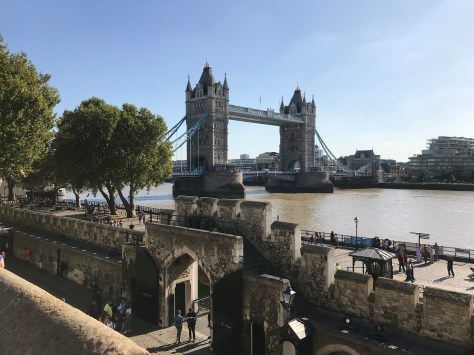
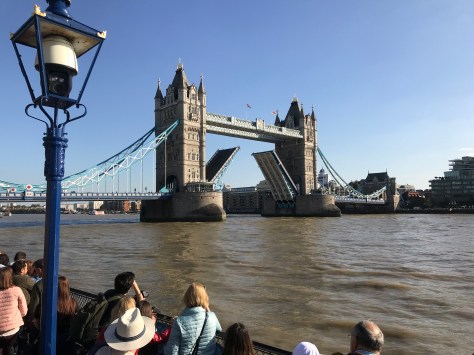
 Grab a Black Cab outside and enjoy a great ride to your hotel near the Tower Bridge.
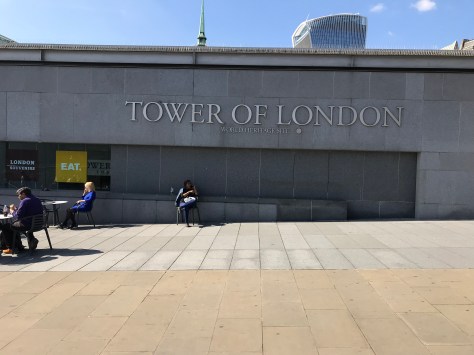
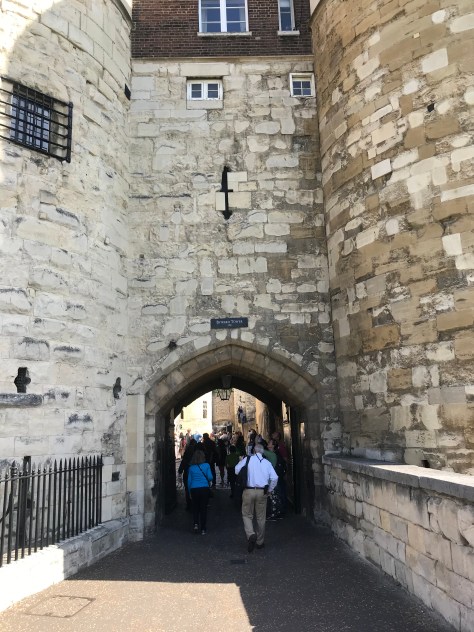
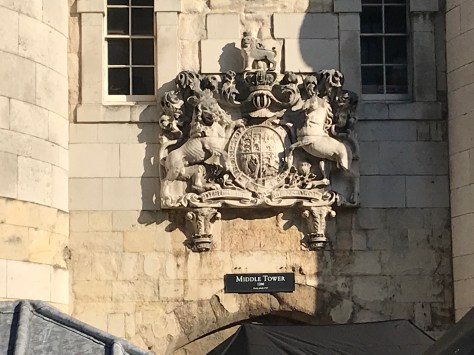
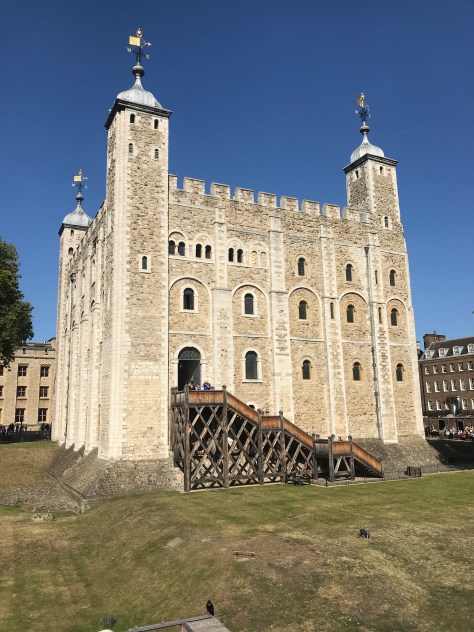
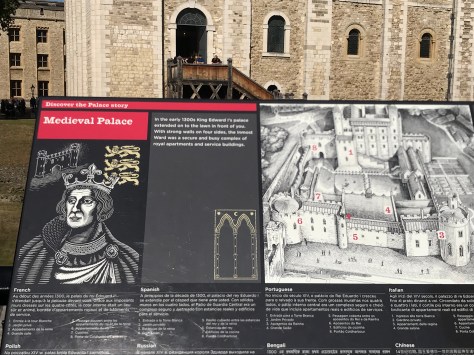
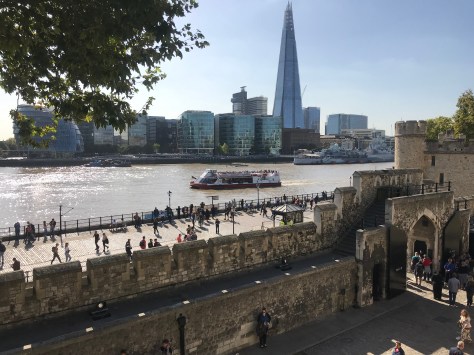
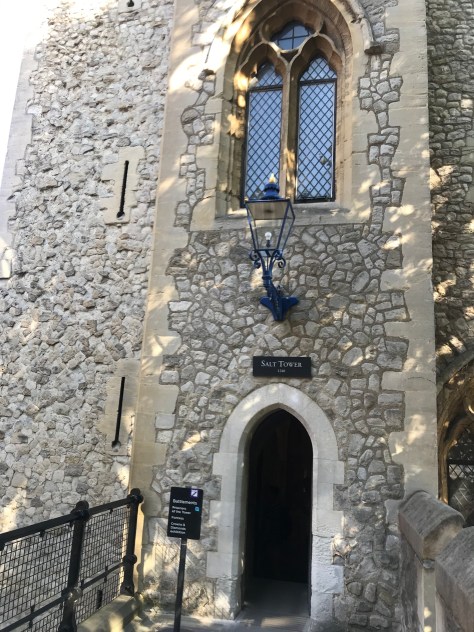
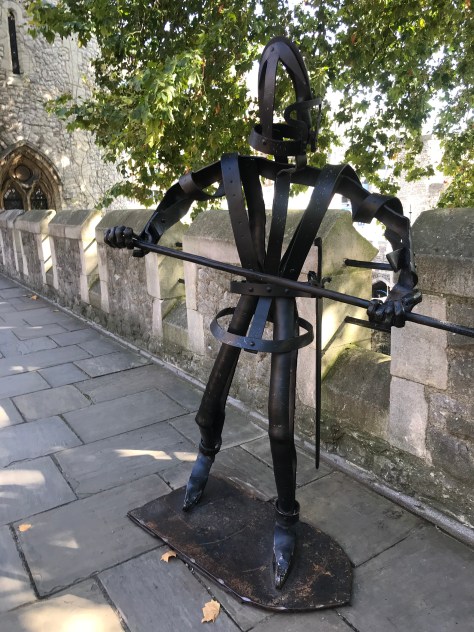
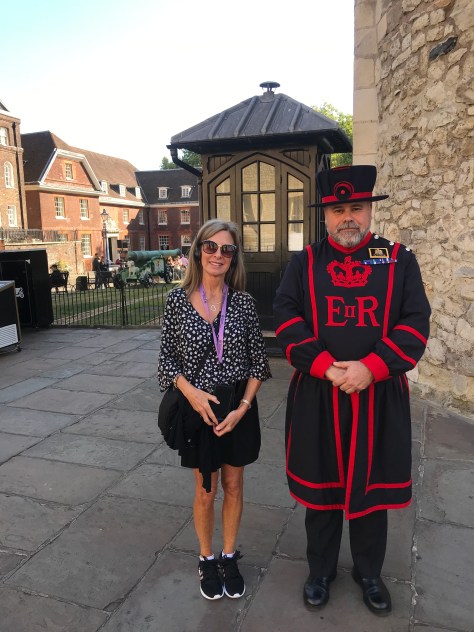
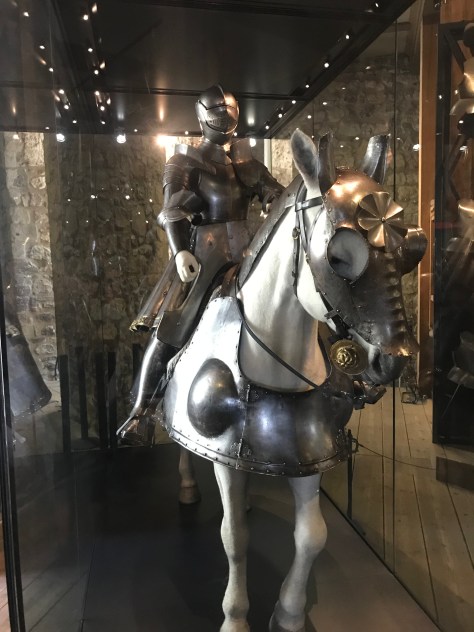
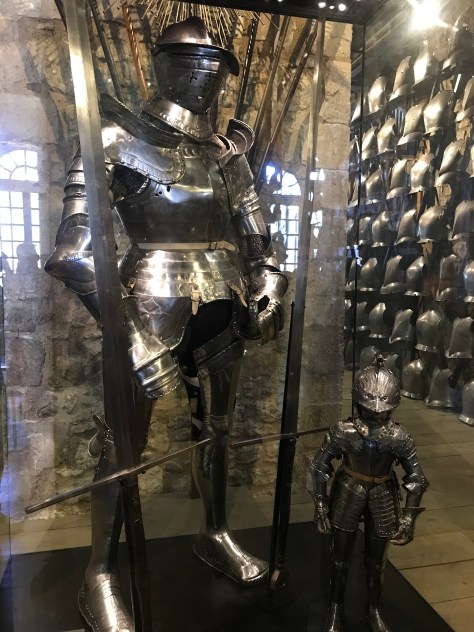
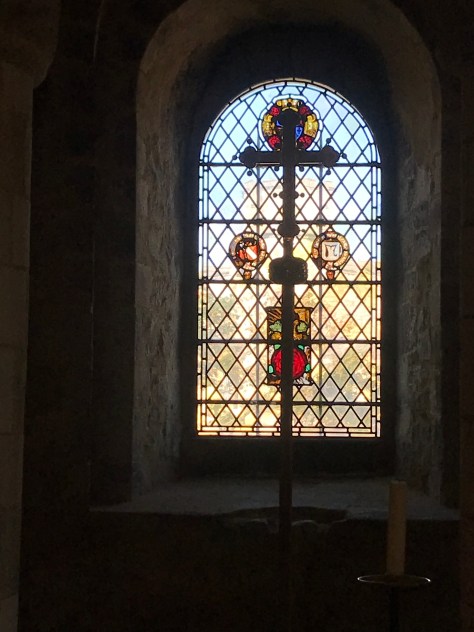
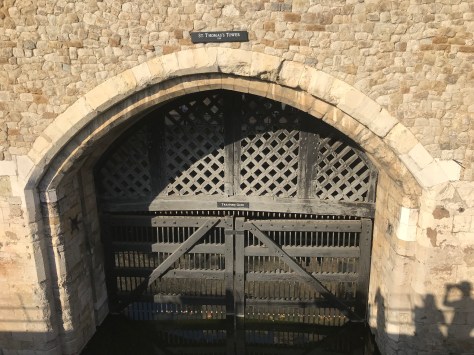
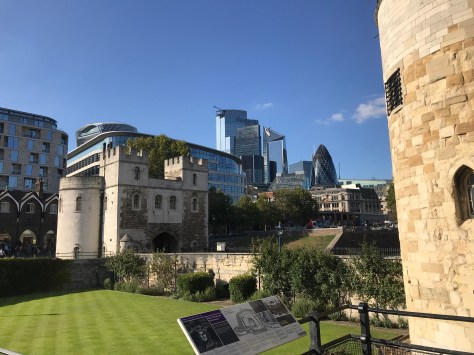
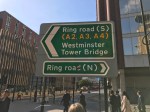 Check into your hotel and walk over for a 2-3 hour tour of the Tower of London.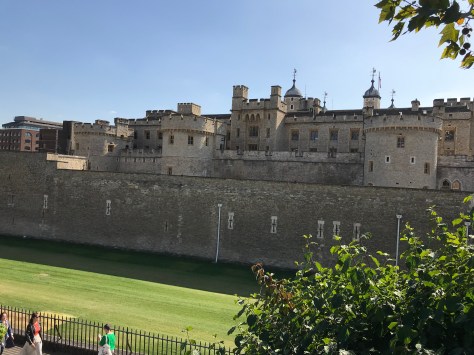
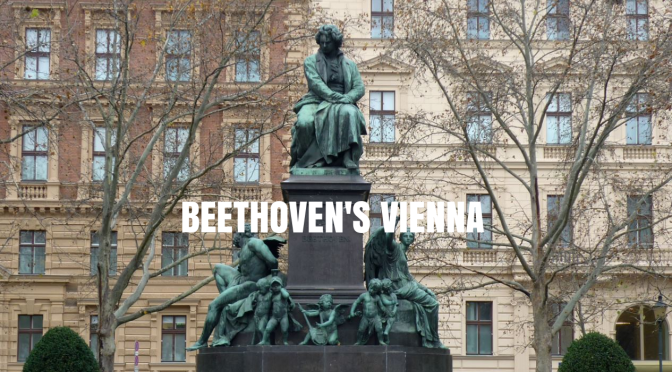
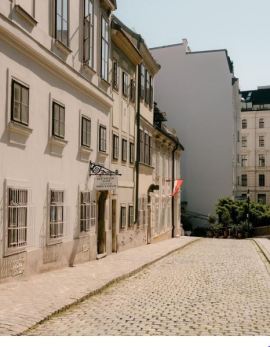 Beethoven moved nearly 70 times while living in Vienna. Two of his former homes are open to the public, and many more are marked with commemorative plaques.
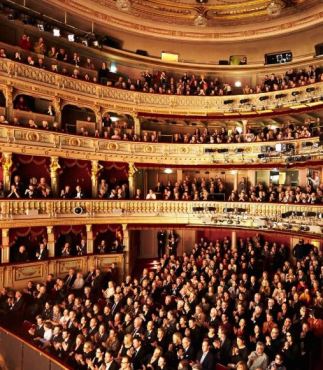 LUDWIG VAN BEETHOVEN is as Viennese as apple strudel. Though born in Bonn, Germany in 1770, he moved to the Austrian capital when he was in his early 20s, and then spent the rest of his 56 years changing the course of Western music from the city on the Danube. A quirky, cantankerous celebrity in his own time, he premiered his groundbreaking symphonies and concertos in Vienna’s grand palaces, escaped the summer heat in what are now its sleepy suburbs, and moved around between dozens of supposedly squalid apartments that sprawl across much of the city.
 On “Travel Man,” Ayoade is fun to look at (snappy suits, thick-framed glasses, expression of amused diffidence) and fun to listen to. (Of a monastery turned hotel in Naples, he says, “As well as modish guff, like a rooftop pool and a spa, it retains attractive old shiz, like staircases dug into the hillside.”) His persona is warmly amused, broadly skeptical, and gently astringent—i.e., British. He’s not a joiner. His intros conclude with him saying, in that episode’s particular city and with that episode’s particular guest, “We’re here, but should we have come?”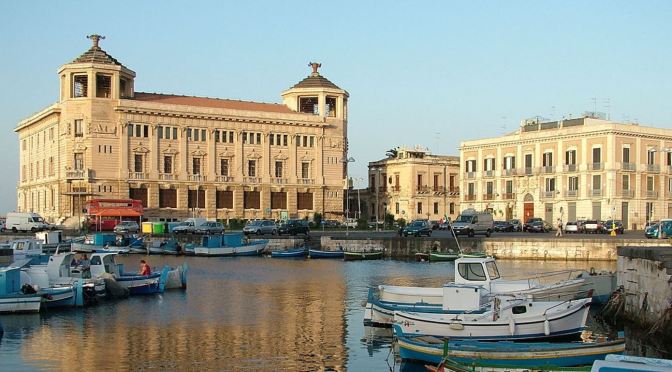
 A passeggiata, or evening walk, around the perimeter of Ortigia reveals many notable structures and stories. Start from the Parco Letterario Elio Vittorini, on the eastern side, and head clockwise. As waves crash against the rocks below the sea wall, you’ll pass crenelated lookout points and the chiseled facade of the 17th-century Chiesa dello Spirito Santo, before finding yourself in the palm-planted gardens of the 13th-century Castello Maniace.
 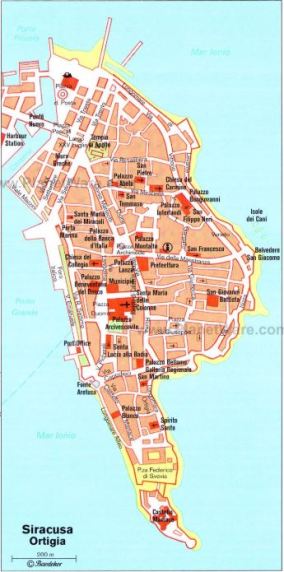 Ithe southeastern Sicilian city that Cicero called “the greatest and most beautiful of all Grecian cities” achieved a size and status in the ancient world that made it a rival of major powers like Athens and Carthage. Takeovers and makeovers by Romans, Byzantines, North Africans, Normans and others left their marks as well, influencing everything from religious art to the region’s distinctive savory-sweet-sour cooking style. Much of the ancient city has crumbled since Cicero’s day, though the ruins can still be explored in Syracuse’s celebrated archaeological park and museum. But the main attraction today is the historical center of Syracuse: Ortigia island, a maze of narrow streets, ornate Baroque churches and centuries-old palazzi.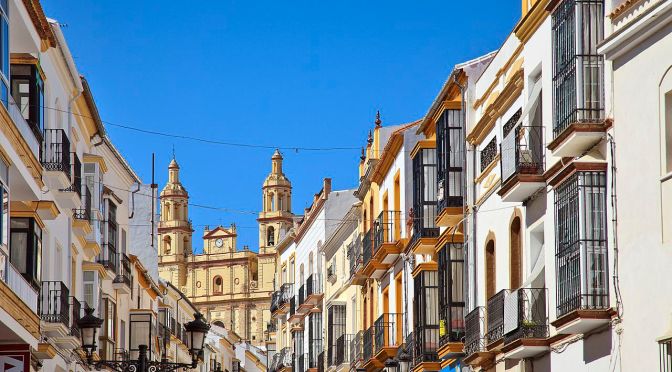
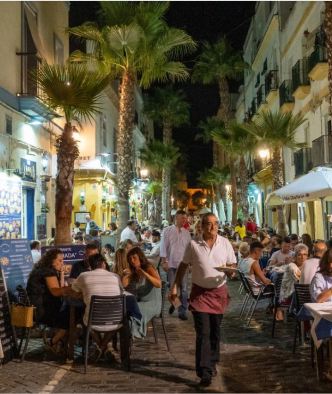 One of the reasons the province of Cádiz is on this year’s 52 Places list is food, as chefs in the area are innovating with pork and fish, the base ingredients here. I tried out a few of the white-tablecloth joints, but came away remembering the noisy, cheap tapas bars that have been around forever.
 Boomers Daily