Beethoven moved nearly 70 times while living in Vienna. Two of his former homes are open to the public, and many more are marked with commemorative plaques.
High above Vienna’s historic center, at the edge of the hilly Vienna Woods, the city’s Beethoven Museum, is housed in a onetime bakery complex dating back to the late Middle Ages, with an 18th-century annex containing a small apartment where Beethoven spent the summer of 1802. While living here, he composed his tragic “Tempest” piano sonata and began work on his 3rd Symphony, the “Eroica.”
LUDWIG VAN BEETHOVEN is as Viennese as apple strudel. Though born in Bonn, Germany in 1770, he moved to the Austrian capital when he was in his early 20s, and then spent the rest of his 56 years changing the course of Western music from the city on the Danube. A quirky, cantankerous celebrity in his own time, he premiered his groundbreaking symphonies and concertos in Vienna’s grand palaces, escaped the summer heat in what are now its sleepy suburbs, and moved around between dozens of supposedly squalid apartments that sprawl across much of the city.
On “Travel Man,” Ayoade is fun to look at (snappy suits, thick-framed glasses, expression of amused diffidence) and fun to listen to. (Of a monastery turned hotel in Naples, he says, “As well as modish guff, like a rooftop pool and a spa, it retains attractive old shiz, like staircases dug into the hillside.”) His persona is warmly amused, broadly skeptical, and gently astringent—i.e., British. He’s not a joiner. His intros conclude with him saying, in that episode’s particular city and with that episode’s particular guest, “We’re here, but should we have come?”
“Travel Man: 48 Hours in . . .” is a British series in which the comedian, writer, actor, and director Richard Ayoade spends forty-eight hours in a city, accompanied by various friends—“some of the most available and affordable names in light ent,” as he puts it—and tells us about what to do there. “Mini-breaks are a swirling nebula of nonsense!” he says at the top of “Copenhagen,” during a brisk montage of him in Venice, Copenhagen, Vienna, and Moscow. “How can anyone go somewhere new and be expected to enjoy themselves without a decade to decompress?” Exactly, I thought. This is the show for me.
A passeggiata, or evening walk, around the perimeter of Ortigia reveals many notable structures and stories. Start from the Parco Letterario Elio Vittorini, on the eastern side, and head clockwise. As waves crash against the rocks below the sea wall, you’ll pass crenelated lookout points and the chiseled facade of the 17th-century Chiesa dello Spirito Santo, before finding yourself in the palm-planted gardens of the 13th-century Castello Maniace.
Founded by Greeks around 734 B.C., Ithe southeastern Sicilian city that Cicero called “the greatest and most beautiful of all Grecian cities” achieved a size and status in the ancient world that made it a rival of major powers like Athens and Carthage. Takeovers and makeovers by Romans, Byzantines, North Africans, Normans and others left their marks as well, influencing everything from religious art to the region’s distinctive savory-sweet-sour cooking style. Much of the ancient city has crumbled since Cicero’s day, though the ruins can still be explored in Syracuse’s celebrated archaeological park and museum. But the main attraction today is the historical center of Syracuse: Ortigia island, a maze of narrow streets, ornate Baroque churches and centuries-old palazzi.
One of the reasons the province of Cádiz is on this year’s 52 Places list is food, as chefs in the area are innovating with pork and fish, the base ingredients here. I tried out a few of the white-tablecloth joints, but came away remembering the noisy, cheap tapas bars that have been around forever.
What makes Andalusian cuisine so delicious are the ingredients, and sometimes less is more. Why go crazy with reductions and infusions when freshly caught sardines sprinkled with olive oil are enough to elicit moans?
Cádiz, the province and city on Spain’s southwestern edge, is an underdog — and I’m among the many travelers who have spent years overlooking it. I know Andalusia, the southern region it is part of, well. For years, it’s been a meeting point for my family who has just as much wanderlust as I do and is spread across the world.
Having earned the superlative of “most powerful waterfall in Europe” because of its massive flow rate (3,059,112 U.S. gallons per minute), standing near this unfettered display of power will give you a healthy respect for the fury of nature.
Iceland is famous for its spectacular waterfalls, many of which are beautiful and serene places for contemplation. Dettifoss is not one of them.
The 330-foot-wide falls are fed by the river Jökulsá, which means “glacier river” in Icelandic, a reference to the Vatnajökull glacier (recipient of another superlative: one of Europe’s largest). Be careful as you approach and stick to designated pathways since even they can be rendered slippery in the mist.
“History is best told at the original locations,” Moritz van Dülmen, CEO of event organizer Kulturprojekte Berlin, says in a press release. “To better understand the Peaceful Revolution and to celebrate the anniversary of the fall of the Wall, we will recount the events of 1989/90 precisely where they took place.”
his November, Germany’s capital is set to celebrate the 30th anniversary of the Berlin Wall’s fall with a festival featuring large-scale video projections, concerts, open-air exhibitions, an augmented reality app that temporarily resurrects the fractious barrier between east and west, and a floating art installation made up of 30,000 handwritten messages.
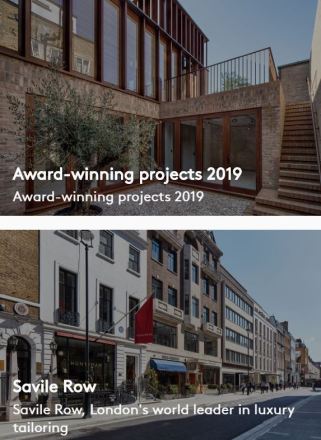
Running the course of a weekend, from Saturday 21st to Sunday 22nd September, Open House London gives the public free access to over 800 buildings in all of the capital’s 32 boroughs, ranging from the iconic (10 Downing Street, Barbican Centre) to the prosaic (a tour of Southwark Integrated Waste Management Facility, anyone?). To help you plan your weekend, here’s our edit of what to see at Open House London 2019.
Goldfinger’s London In the 53 years Hungarian-born Ernő Goldfinger spent in London, from his arrival in 1934 to his death in 1987, the man who unwittingly gave his name to one of Ian Fleming’s villains (so notorious was his temperament) made a profound and lasting contribution to the city’s built environment. Any exploration of his legacy should begin with a trip to the home he built for his family in Hampstead, 2 Willow Road, an efficient, well-proportioned modernist vision crammed with artworks by Duchamp, Moore and Ernst.
the long and colourful history of haapsalu episcopal castle began when it was built in the 13th century, but since the 17th century the main castle has been in ruins. kaos architects‘ conservation and renovation has resulted in a journey along the walls and within the castle. the renovated castle invites guests to admire the castle’s structure closer and view the picturesque town of haapsalu from an unusually high vantage point. the guests now experience the medieval environment from another level.
“Under,” which opened in March, is Europe’s first underwater eatery.Designed by Snøhetta, the restaurant sits half-submerged into the sea and has three-foot thick walls designed to withstand the area’s rugged seas.
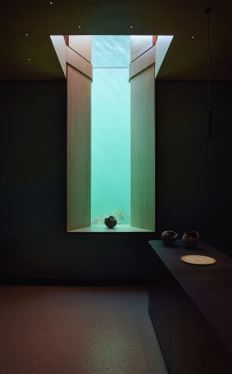
Guests at Under can gaze at marine life through a 36- x 13-foot panoramic window in the dining room, which seats between 35 and 40 guests each night. Muted lighting was installed on the seabed so that guests can see the marine life in any weather conditions.
The cuisine is, of course, seafood. Danish chef Nicolai Ellitsgaard Pedersen will create locally sourced dishes that include cod, lobster, mussels, and truffle kelp, which is a local type of seaweed that apparently tastes like truffles.

 Heathrow Express to Paddington Station in 20 minutes.
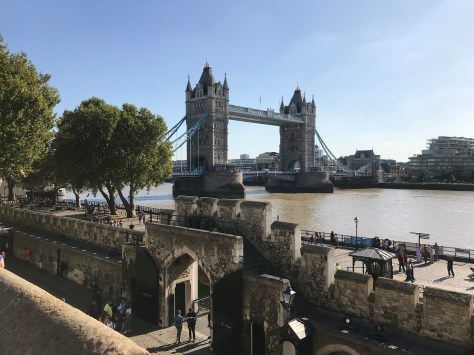
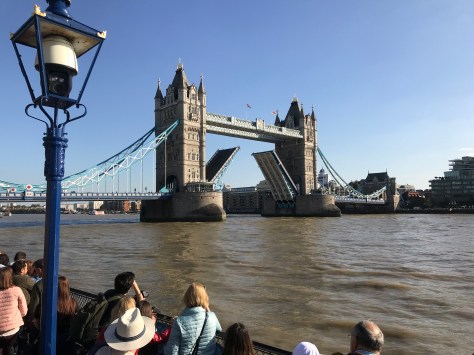
 Grab a Black Cab outside and enjoy a great ride to your hotel near the Tower Bridge.
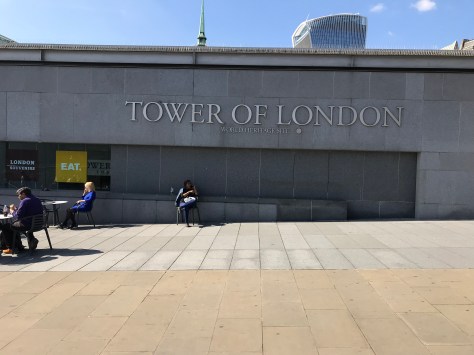
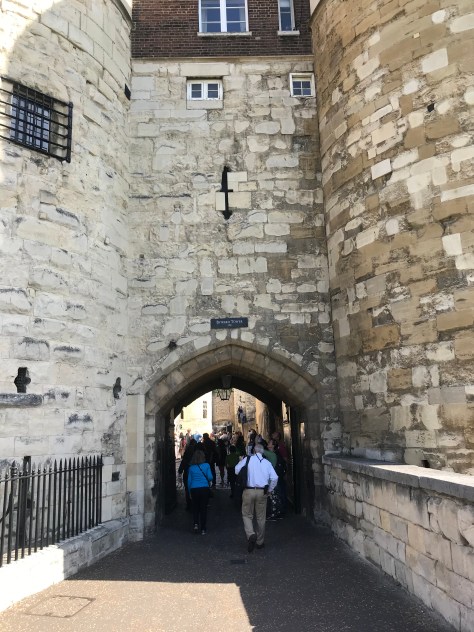
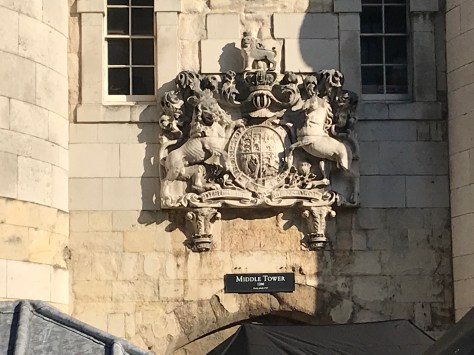
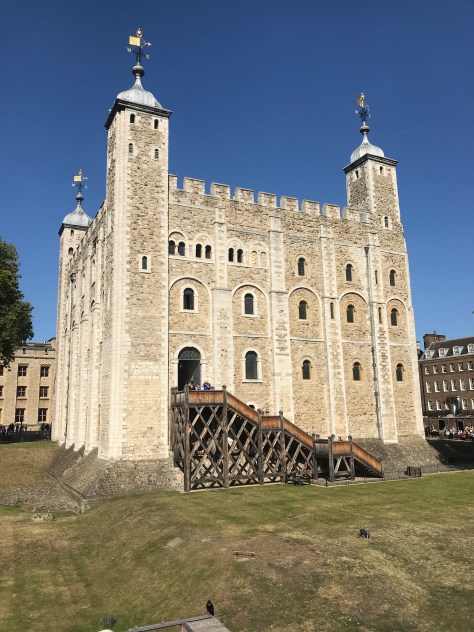
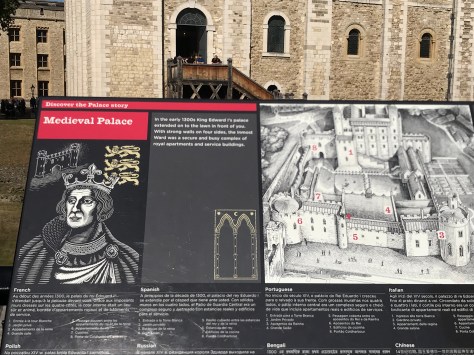
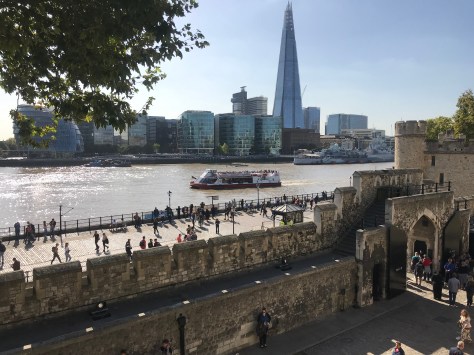
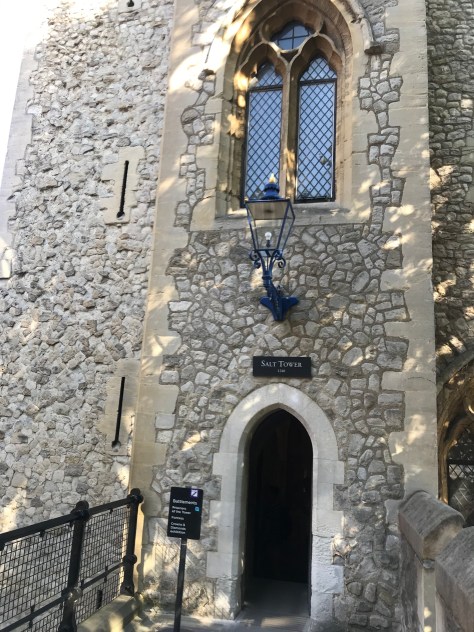
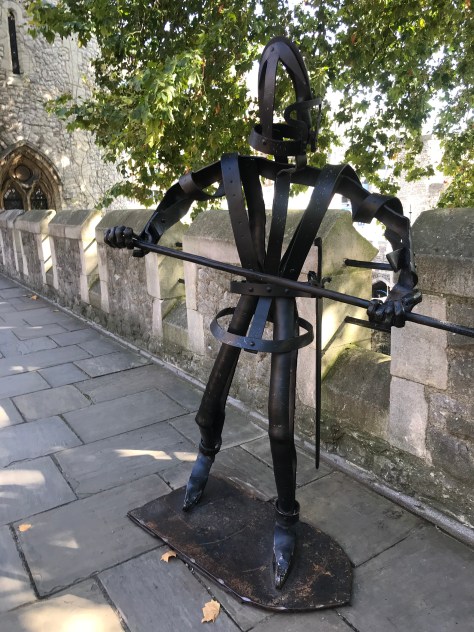
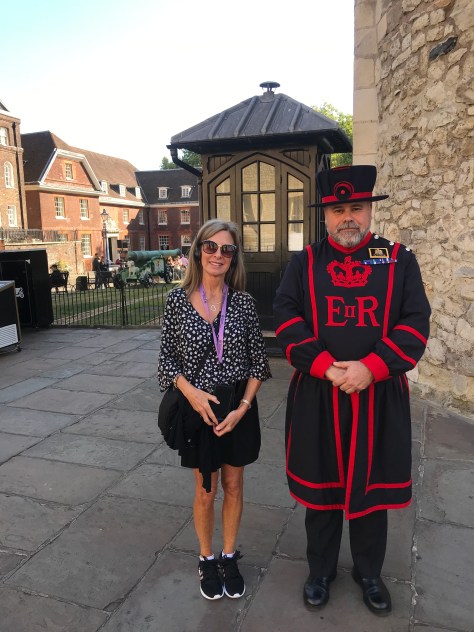
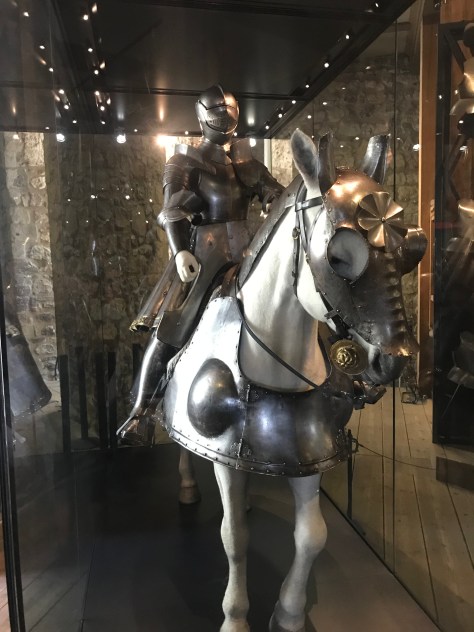
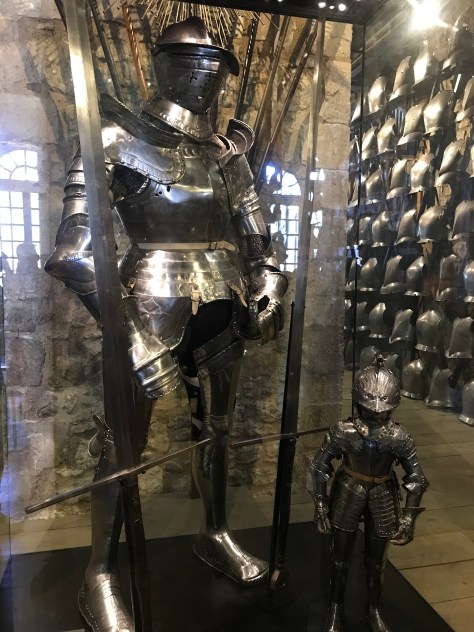
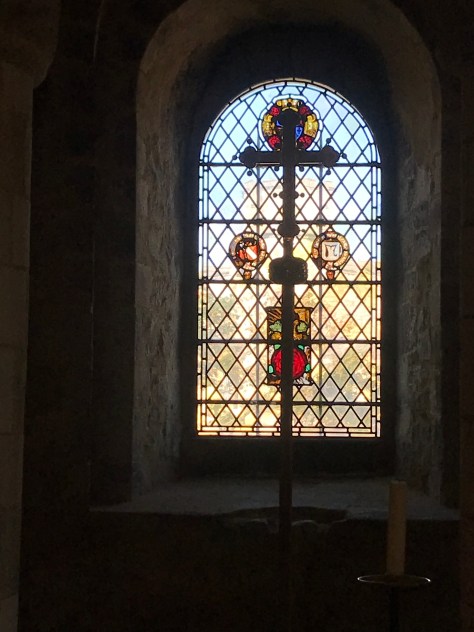
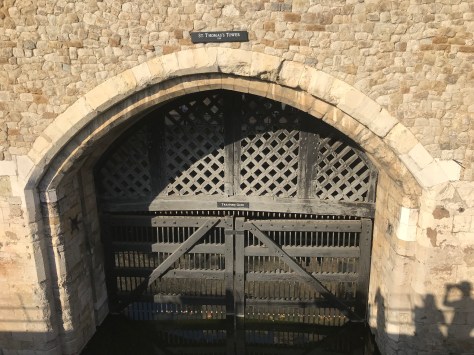
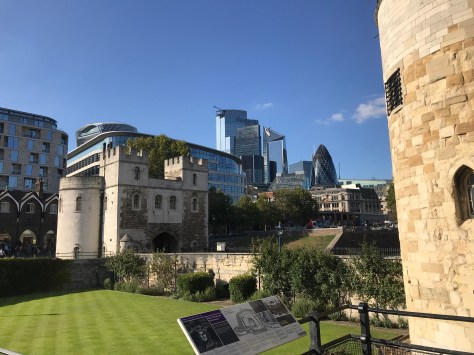
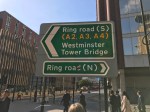 Check into your hotel and walk over for a 2-3 hour tour of the Tower of London.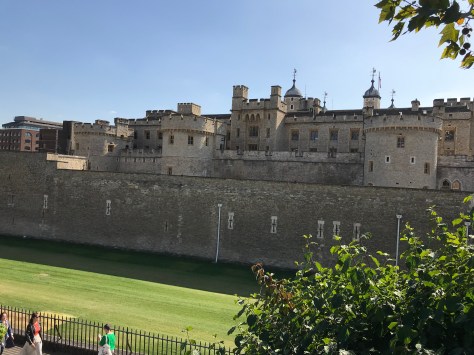
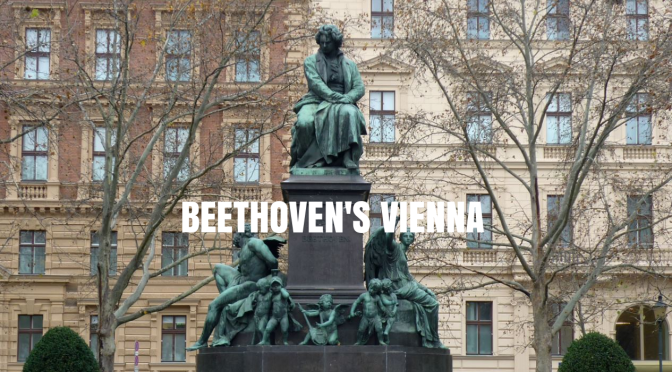
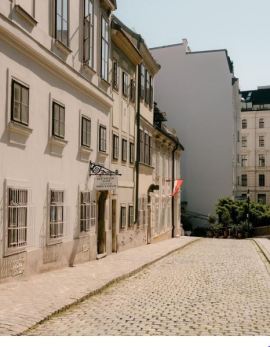 Beethoven moved nearly 70 times while living in Vienna. Two of his former homes are open to the public, and many more are marked with commemorative plaques.
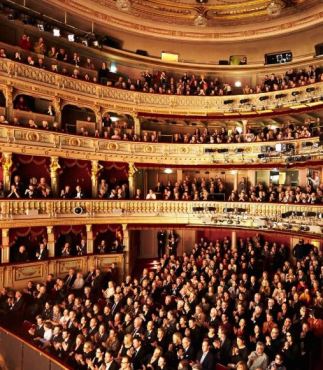 LUDWIG VAN BEETHOVEN is as Viennese as apple strudel. Though born in Bonn, Germany in 1770, he moved to the Austrian capital when he was in his early 20s, and then spent the rest of his 56 years changing the course of Western music from the city on the Danube. A quirky, cantankerous celebrity in his own time, he premiered his groundbreaking symphonies and concertos in Vienna’s grand palaces, escaped the summer heat in what are now its sleepy suburbs, and moved around between dozens of supposedly squalid apartments that sprawl across much of the city.
 On “Travel Man,” Ayoade is fun to look at (snappy suits, thick-framed glasses, expression of amused diffidence) and fun to listen to. (Of a monastery turned hotel in Naples, he says, “As well as modish guff, like a rooftop pool and a spa, it retains attractive old shiz, like staircases dug into the hillside.”) His persona is warmly amused, broadly skeptical, and gently astringent—i.e., British. He’s not a joiner. His intros conclude with him saying, in that episode’s particular city and with that episode’s particular guest, “We’re here, but should we have come?”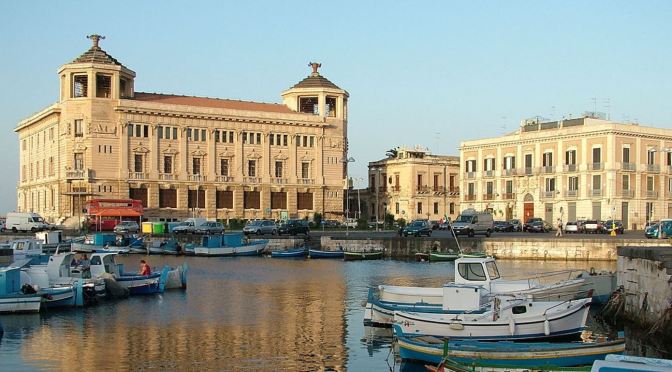
 A passeggiata, or evening walk, around the perimeter of Ortigia reveals many notable structures and stories. Start from the Parco Letterario Elio Vittorini, on the eastern side, and head clockwise. As waves crash against the rocks below the sea wall, you’ll pass crenelated lookout points and the chiseled facade of the 17th-century Chiesa dello Spirito Santo, before finding yourself in the palm-planted gardens of the 13th-century Castello Maniace.
 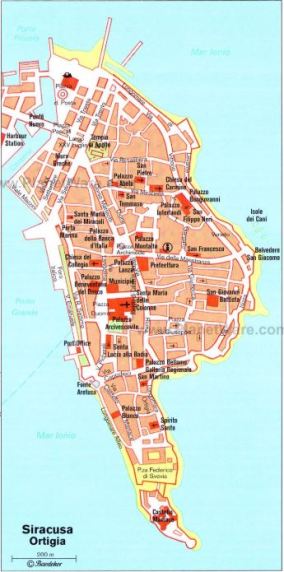 Ithe southeastern Sicilian city that Cicero called “the greatest and most beautiful of all Grecian cities” achieved a size and status in the ancient world that made it a rival of major powers like Athens and Carthage. Takeovers and makeovers by Romans, Byzantines, North Africans, Normans and others left their marks as well, influencing everything from religious art to the region’s distinctive savory-sweet-sour cooking style. Much of the ancient city has crumbled since Cicero’s day, though the ruins can still be explored in Syracuse’s celebrated archaeological park and museum. But the main attraction today is the historical center of Syracuse: Ortigia island, a maze of narrow streets, ornate Baroque churches and centuries-old palazzi.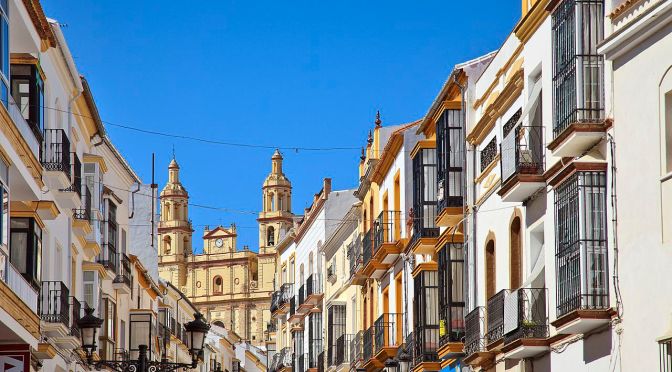
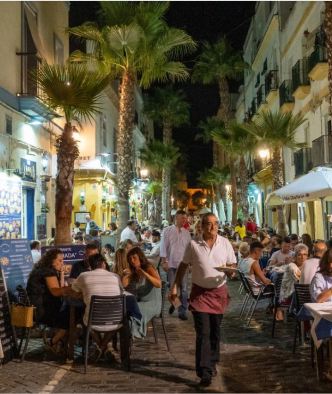 One of the reasons the province of Cádiz is on this year’s 52 Places list is food, as chefs in the area are innovating with pork and fish, the base ingredients here. I tried out a few of the white-tablecloth joints, but came away remembering the noisy, cheap tapas bars that have been around forever.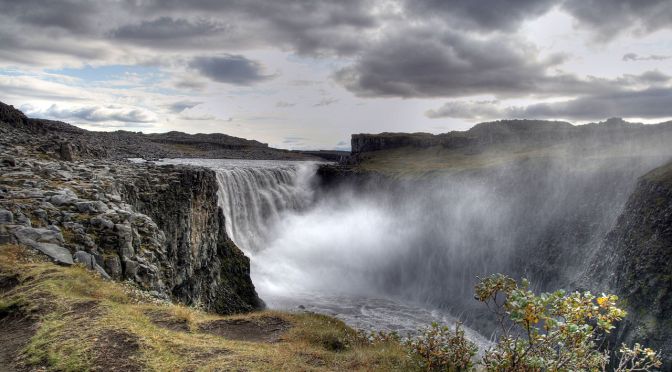
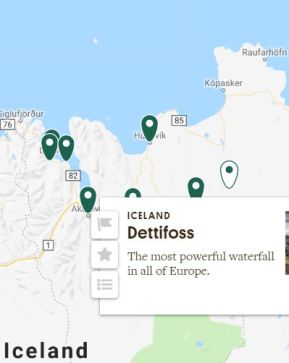 Having earned the superlative of “most powerful waterfall in Europe” because of its massive flow rate (3,059,112 U.S. gallons per minute), standing near this unfettered display of power will give you a healthy respect for the fury of nature.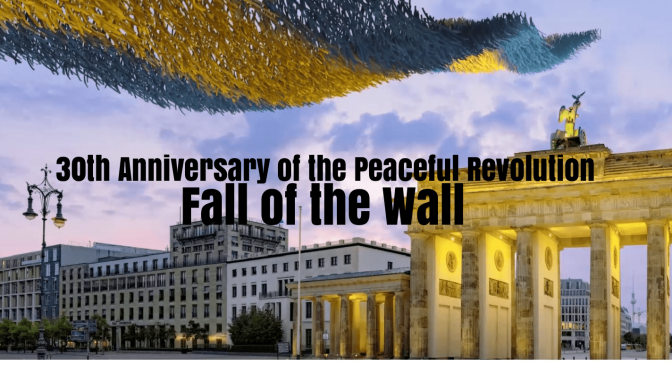
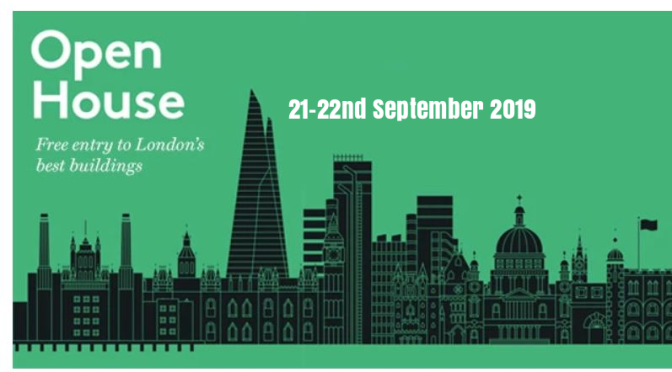
 Running the course of a weekend, from Saturday 21st to Sunday 22nd September,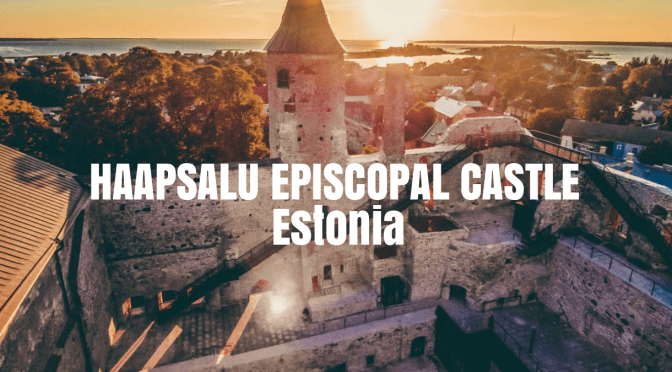
 the long and colourful history of haapsalu episcopal castle began when it was built in the 13th century, but since the 17th century the main castle has been in ruins.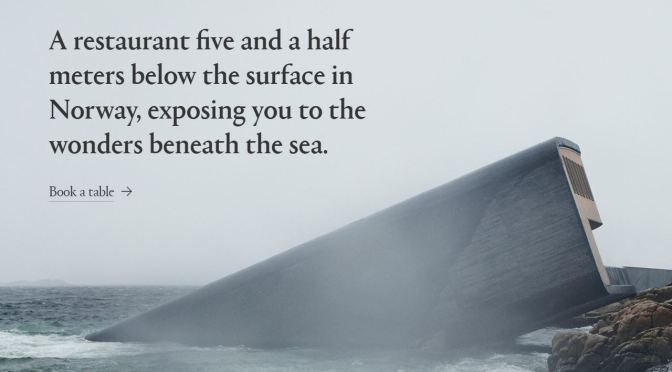
 “Under,” which opened in March, is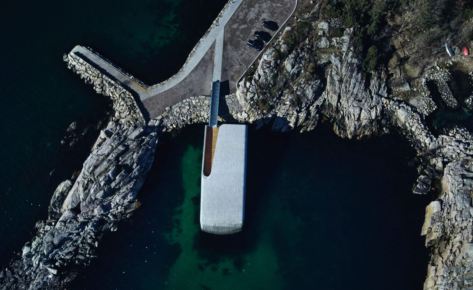
 Boomers Daily