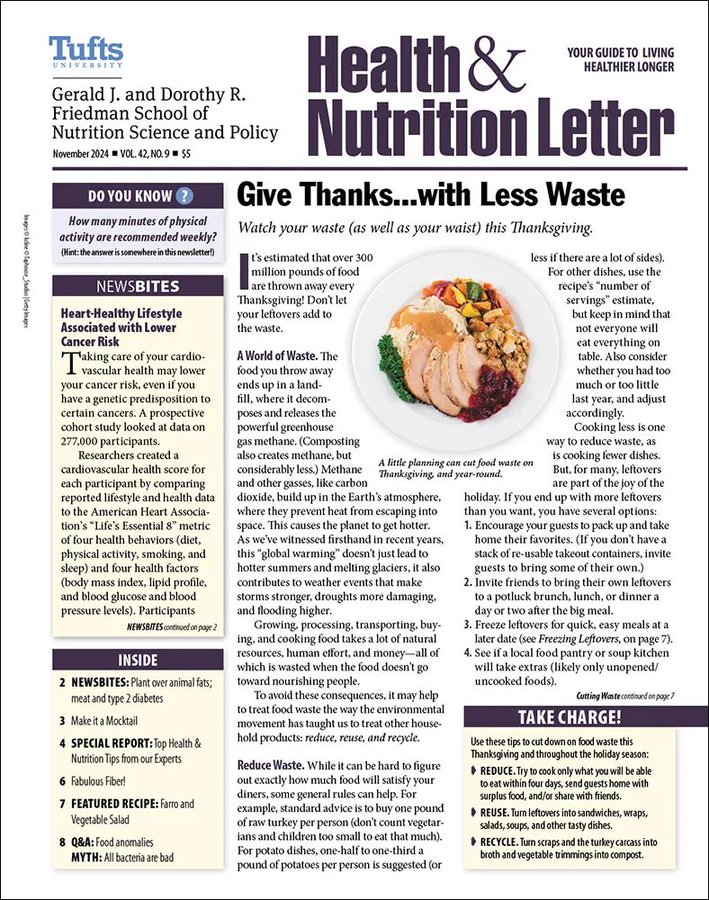
Tufts Health & Nutrition Letter (October 28, 2024): The new issue features ‘Give Thanks…with Less Waste’…

Tufts Health & Nutrition Letter (October 28, 2024): The new issue features ‘Give Thanks…with Less Waste’…
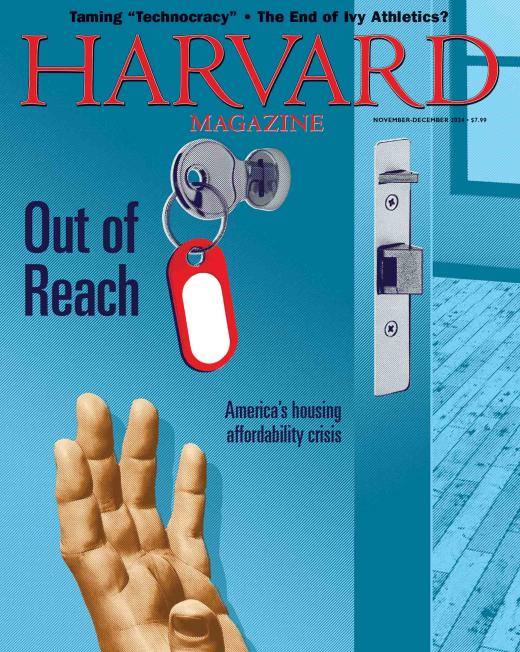

HARVARD MAGAZINE (October 15, 2024): The latest issue features ‘Out of Reach’ – America’s housing affordability crisis…
America’s housing problem—and what to do about it by Jonathan Shaw
Latanya Sweeney confronts our all-consuming “technocracy.” by Lydialyle Gibson
College sports are changing. Will Harvard athletics? by Max J. Krupnick
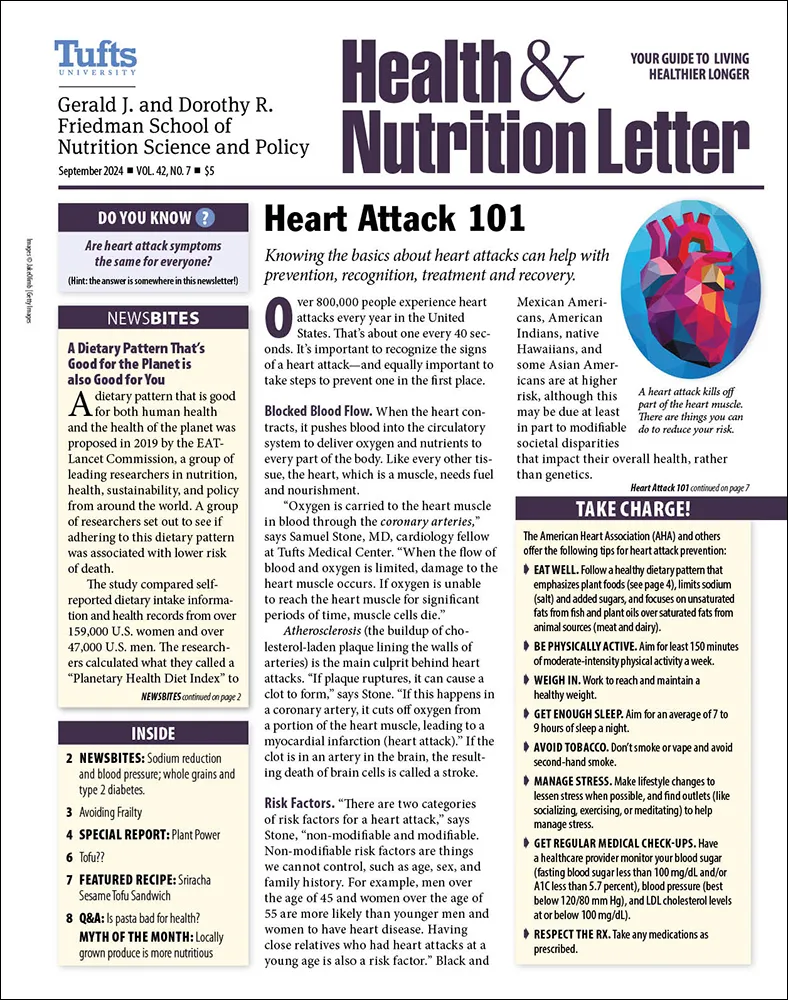

Tufts Health & Nutrition Letter (September 3, 2024): The new issue features Heart Attack 101; Avoiding Frailty; Special Report: Plant Power Tofu??; Is pasta bad for health? and Locally grown produce is more nutritious…
Physical frailty in older age can be avoided. Start now.
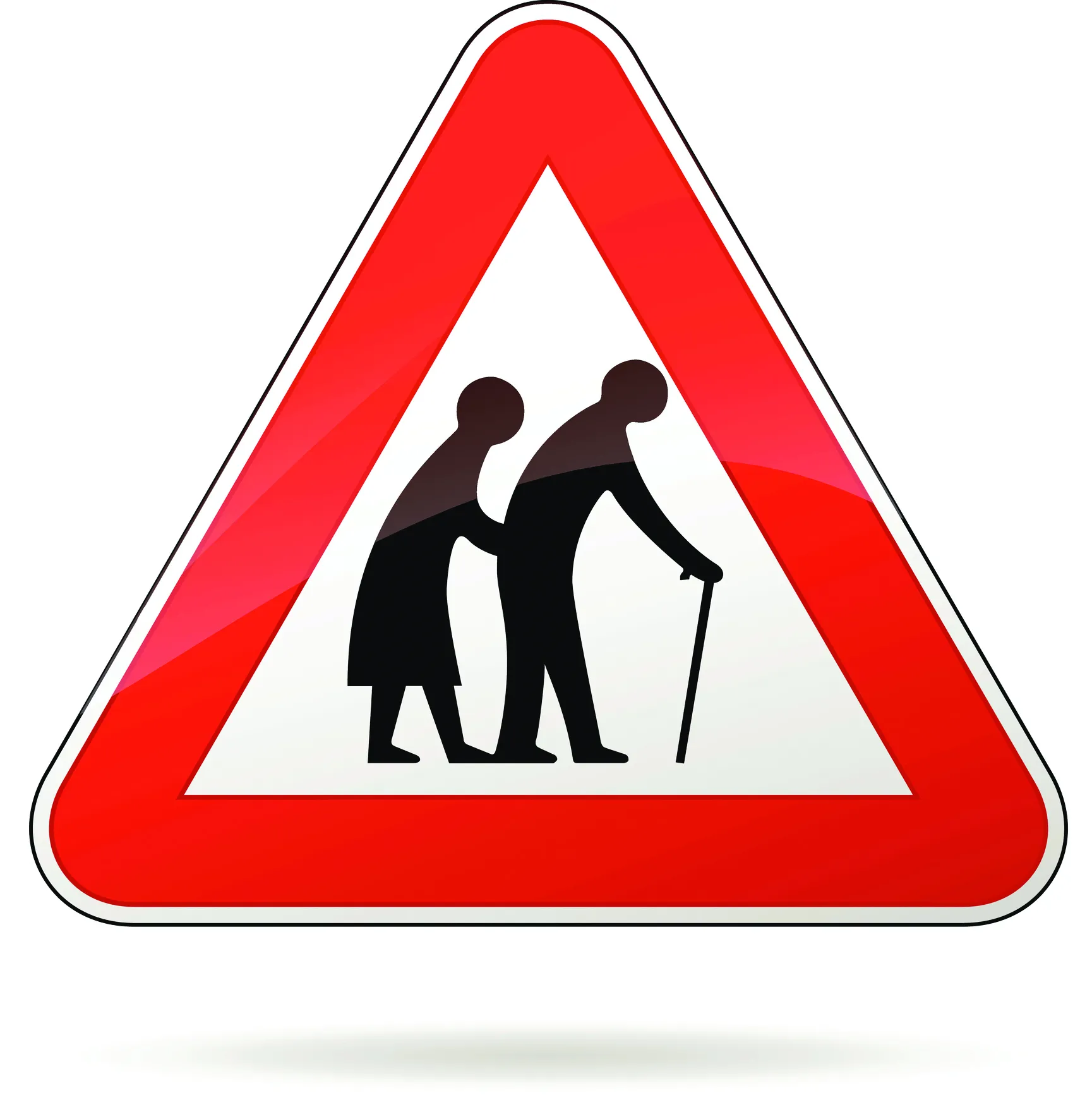
We all lose muscle and strength as we age. Frailty is something more. It can take away your health, your vitality, and your independence. But it’s not inevitable.
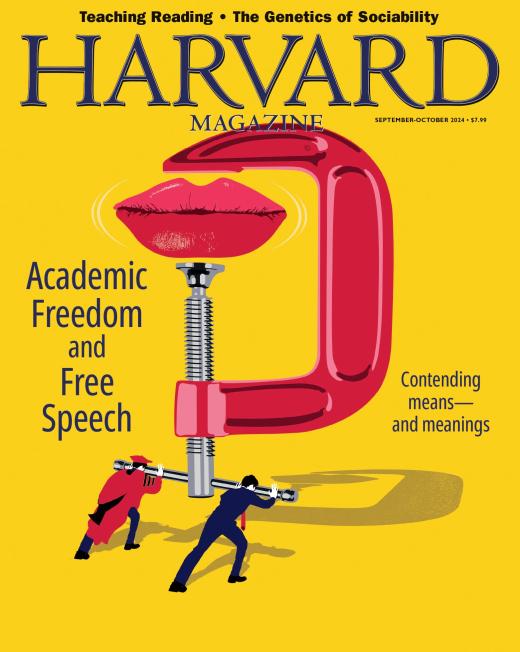
HARVARD MAGAZINE (August 15, 2024): The latest Academic Freedom and Free Speech – Contendin means, and meanings…
Robert Post explains how they differ—and why it matters, especially now by Lincoln Caplan
The impact on global GDP is likely six times greater than previously estimated.
The microbiome may be socially exchanged, modulating both health and metabolism.
Why social interactions are as vital as food and water by Erin O’Donnell
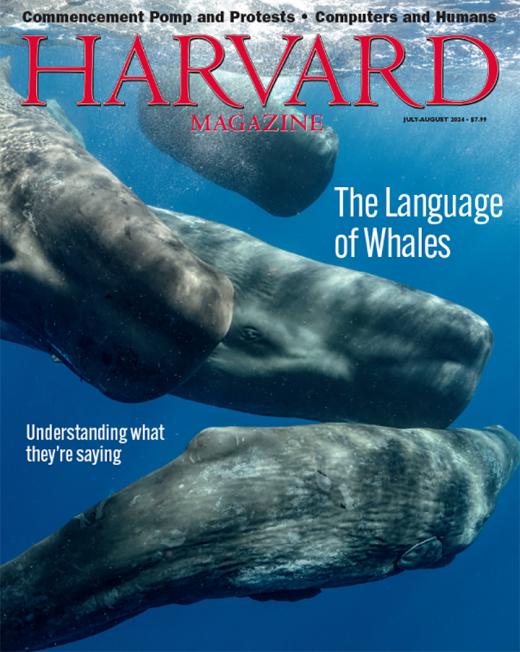
HARVARD MAGAZINE July/August 2024 :

Project CETI’s pioneering effort to unlock the language of sperm whales
by Jonathan Shaw

Reflections on six decades of relations with comptuers
by Harry R. Lewis
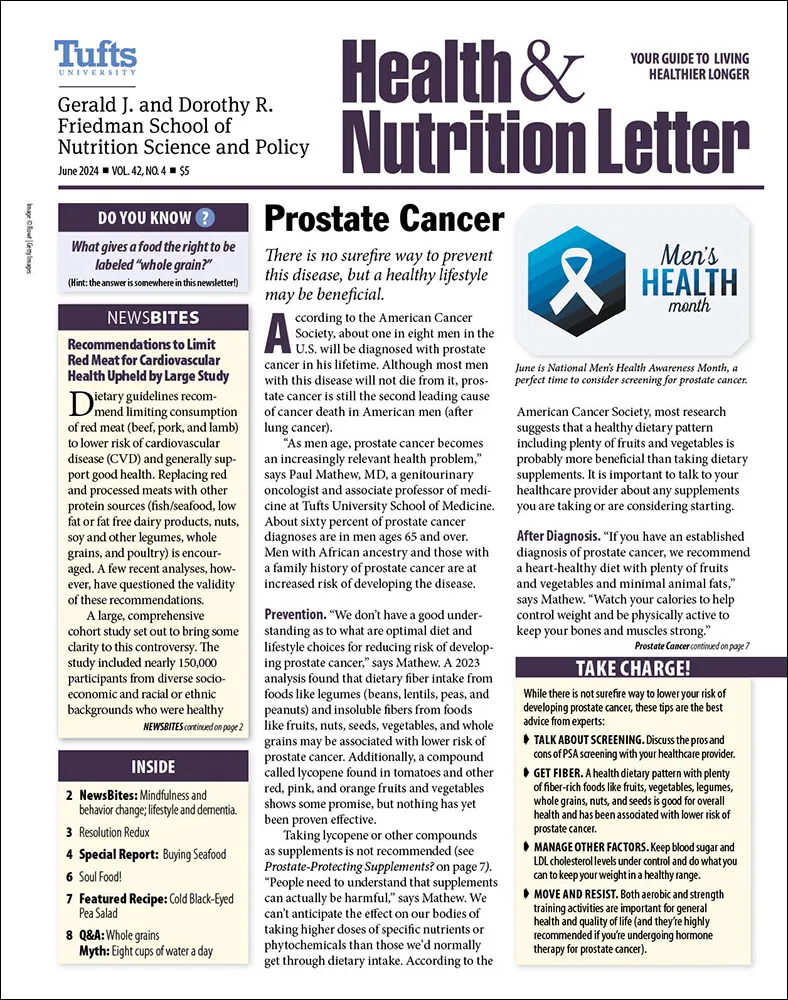
Tufts Health & Nutrition Letter (June 3, 2024): The new issue features ‘Prostate Cancer’ – There is no surefire way to prevent this disease, but a healthy lifestyle may be beneficial…
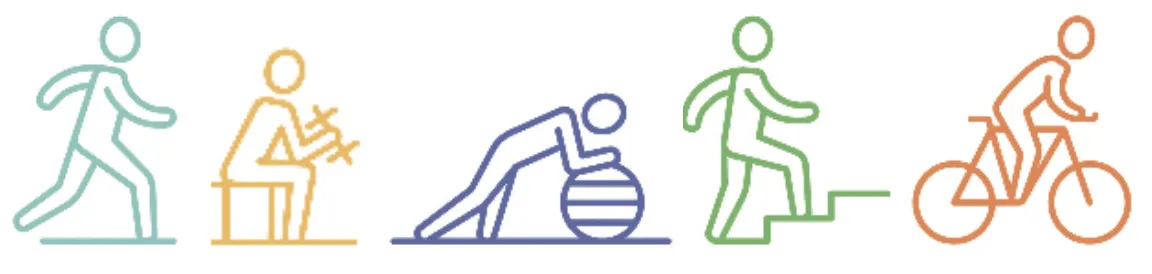
The benefits of physical activity are well-established. Not only can being physically active make you feel and perform better, but it can also reduce the risk of developing many chronic diseases, including cardiovascular disease, type 2 diabetes, and Alzheimer’s disease and other dementias.
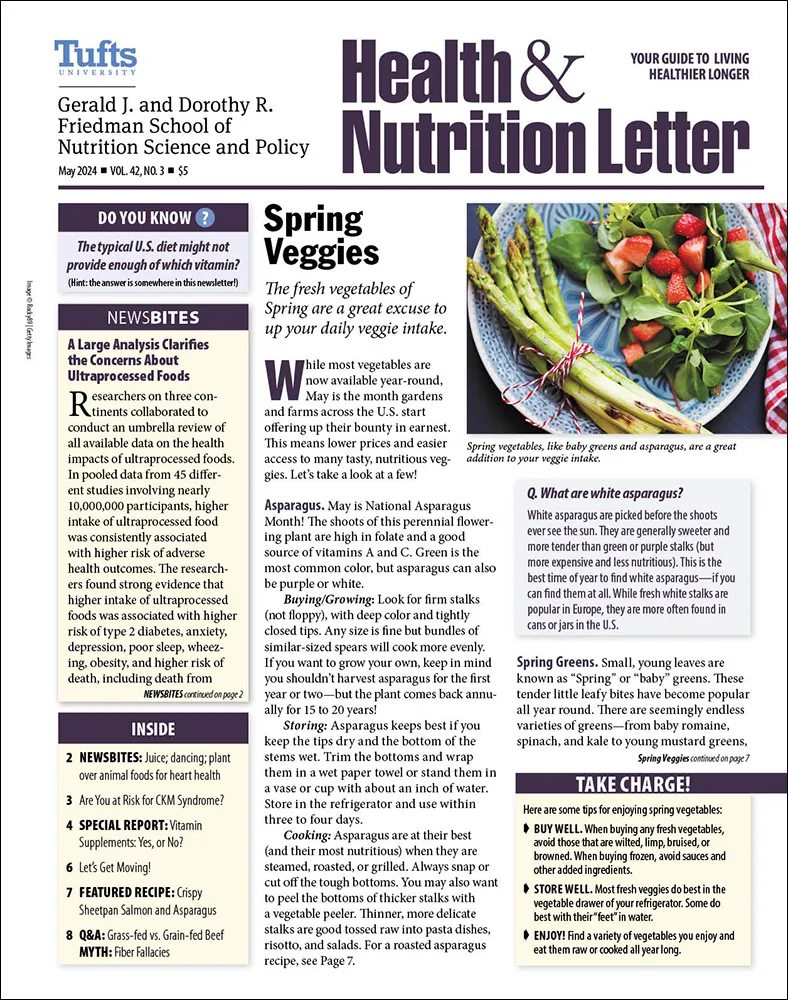
Tufts Health & Nutrition Letter (APRIL 30, 2024): The new issue features Vitamin Supplements – Yes, of No?; A large analysis clarifies the concerns about ultra-processed foods, and more….
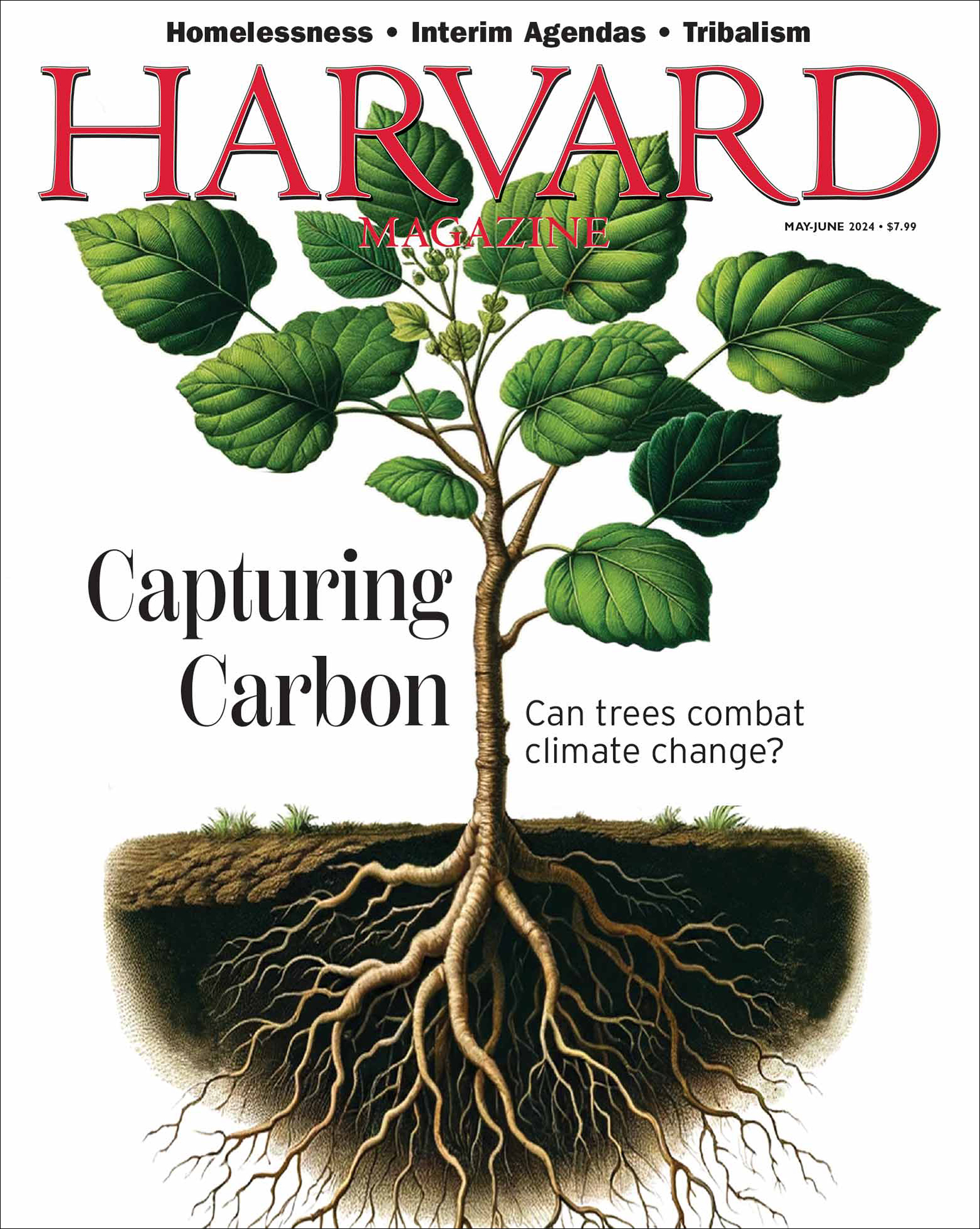
HARVARD MAGAZINE May/June2024 :
How long will the world’s forests impound carbon below ground?
by Jonathan Shaw
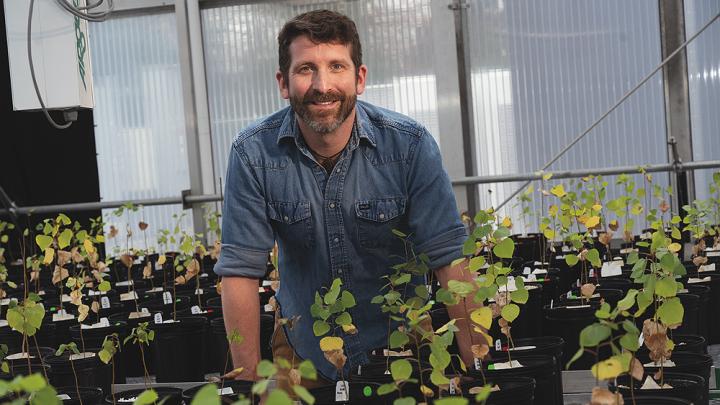
MARYVILLE, Tennessee, lies near the foothills of the Great Smoky Mountains, a range home to more tree species than exist in all of Europe. Benton Taylor grew up amidst this abundance, but as a boy, he barely noticed the plants. In the nearby national park, a family friend was raising—together with a menagerie of other mammals—a pair of bears orphaned as cubs. Taylor dreamed of studying these apex denizens of the forest, who forage at the top of the food chain. But as his education and understanding grew, his curiosity shifted to seed-dispersing animals, plants, and the soil and nutrients that sustain them: a trip down the trophic pyramid, driven by an appreciation of forests as ecological systems in which plants are primary producers. “Now I’ve half moved into the basement,” jokes the assistant professor of organismic and evolutionary biology, whose research encompasses the strategies plants use to obtain essential nutrients such as nitrogen, and how that, in turn, affects their ability to store another vital element with a global climate impact: carbon.
by Nina Pasquini
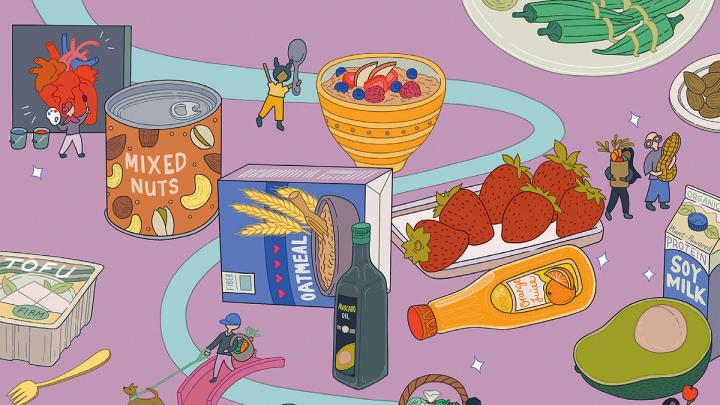
DIVERSIFYING one’s assets is useful not only in finance but also in diet, according to an October study from the Harvard T.H. Chan School of Public Health (HSPH). Though not many people have heard of the “portfolio diet”—consisting of plant-based foods proven to lower unhealthy cholesterol, such as nuts, oats, berries, and avocados—it is one of the easiest ways to improve long-term cardiovascular health. “The idea was that each of these foods lowers cholesterol quite minimally, but if you make a whole diet based on these different foods, you will see large reductions in [unhealthy] cholesterol,” said Andrea Glenn, an HSPH postdoctoral research fellow in nutrition and the lead author of the study. The more of these foods one eats, the higher the protection—but one need not include them all to reap the diet’s benefits, she said. “Like a business portfolio, you can choose the ones you want.”

Mina Cikara explores how political tribalism feeds the American bipartisan divide.
by Max J. Krupnick
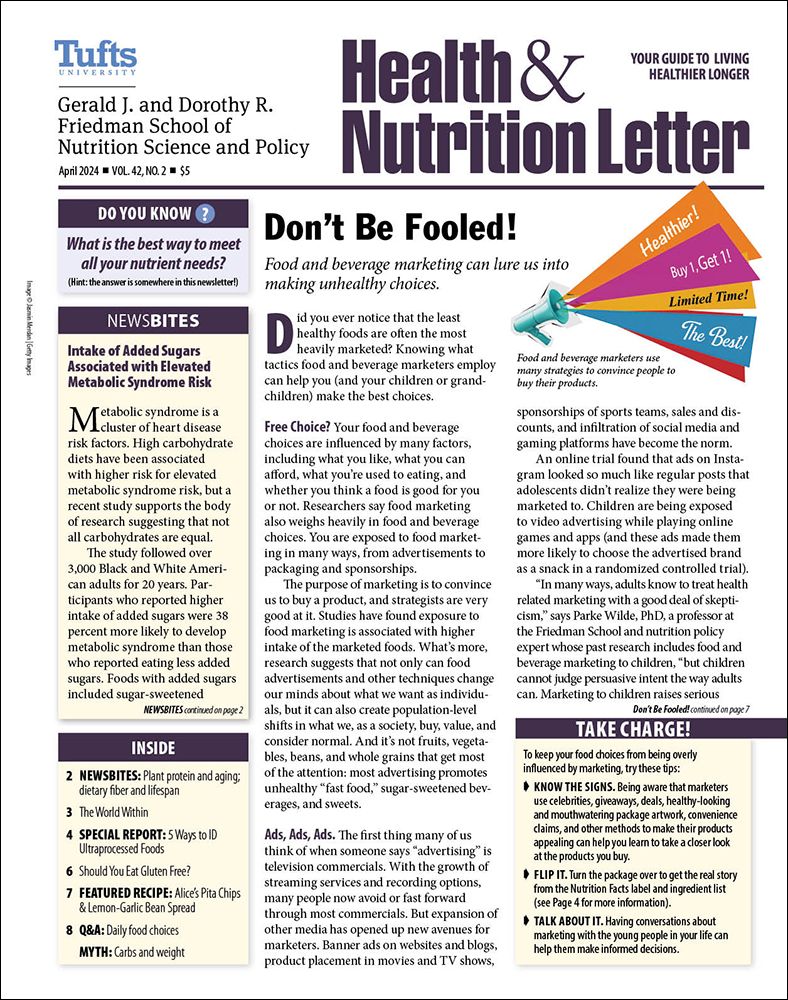
Tufts Health & Nutrition Letter (APRIL 2024): The new issue features 5 Ways to ID Ultraprocessed Foods; Should You Eat Gluten Free?; Q&A: Daily Food Choices and Myth: Carbs and Weight…

 Boomers Daily


