

Europe offers an astonishing variety of scenic landscapes and some of the most enchanting trails to explore them. Wanderlust Europe takes you from the Scottish Highlands to endless amber beaches of the Baltic Sea, from the Scandinavian tundra, the majestic peaks of the Alps, the pristine peaks of the Balkans, to the rugged coastal mountains of the Mediterranean islands, and along the romantic valley of the Rhine river.




Wanderlust Europe points the reader in the direction of the continent’s most awe-inspiring routes. Offering expert knowledge on how best to experience the wild outdoors, this stimulating manual traverses far-reaching locales in pursuit of breathtaking beauty and a sense of freedom. Combining first-hand tips with informative maps and an array of spectacular photography, this book is a welcome addition to the Wanderlust series and for anyone with an urge to connect with the great outdoors.
With outdoor enthusiast Alex Roddie on how best to experience nature’s majesty, this book offers long-distance trekking, short-day trips, and extended weekend escapades for hikers of all levels. Explore the world one step at a time with Wanderlust Europe.
Alex Roddie is a writer, editor, and photographer who specializes in adventure travel, the outdoor publishing industry, and non-fiction on mountaineering, hiking, nature and the environment. An experienced long-distance backpacker and mountaineer, he has hiked thousands of miles through the Scottish Highlands, English Lake District and Yorkshire Dales, Swiss Alps, Pyrenees, and the Fjells of Norway. He is an active environmental campaigner.




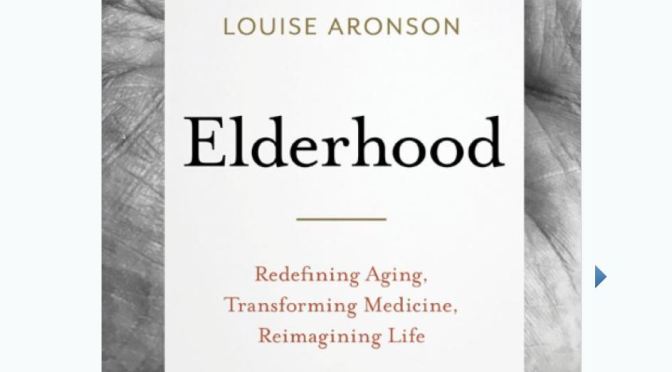
 Noted Harvard-trained geriatrician Louise Aronson uses stories from her quarter century of caring for patients and draws from history, science, literature, popular culture, and her own life to weave a vision of old age that’s neither nightmare nor utopian fantasy—a vision full of joy, wonder, frustration, outrage, and hope about aging, medicine, and life itself.
 “Fans of intelligent historical fiction will be enthralled by a story so original and so fully imagined. Meek shows the era as alien, which it is, and doesn’t falsify it by assimilating it to ours. But his characters are recognisably warm and human”
 That’s the kind of astonishing illumination you’ll find in The Trojan War Museum, Ayşe Papatya Bucak’s debut story collection. These are stories that reflect the author’s Turkish heritage and a curiosity about our human search for meaning as profound as it is lyrical. The stories are music. They beguile and illuminate with narratives about yearning and desire, circumstance and courage, resilience and discovery. Reading them, while the reading lasts, replaces seeing.
 At the center of the attack on those of us born between 1946 and 1964, days when the U.S. birth rate was extraordinarily high, is our supposed radical individualism. Its roots are said to be found in the excesses of the 1960s, a decade for which “boomers have become fall guys.”
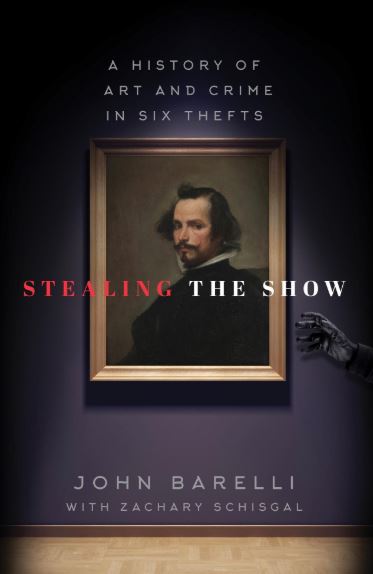 When Diana, Princess of Wales, attended the Met’s Costume Institute Gala in 1996, a black-tie-clad Mr. Barelli was at her side. “I wasn’t nervous, but the pressure!” he said. “You don’t want anything to go wrong.” The princess had one request: that he keep an eye on the black lace shoulder straps of her midnight blue Dior dress and adjust them if they slipped. “I almost told her: ‘Yeah, right, I have to touch your dress.’ That’s all I have to do. I think my wife would be a little upset,” he recalled. There was no wardrobe malfunction and the evening went off without a hitch, although Mr. Barelli remembers security concerns putting a damper on the fun-loving princess. “We couldn’t let her dance,” he said.
 Boomers Daily