The outbreaks of hantavirus and Ebola expose the shortsightedness of America’s retreat, under the Trump Administration, from its role as a global-health leader. By Dhruv Khullar
The Trump-Epstein Files: Look but Don’t Touch
The Donald J. Trump and Jeffrey Epstein Memorial Reading Room, in Tribeca, housed three and a half million bound files, along with a handy time line charting the ickiness. By Charlotte Goddu
How Problematic Is Patriotism?
National pride in America has plummeted in the Trump era. Is it worth trying to salvage? By Arthur Krystal
Their electoral prospects are finally improving, but opportunities can quickly give way to divisions. Does the Party have a plan? By Amy Davidson Sorkin
The Human-Trafficking Victim Next Door
A young girl was brought from Guinea to a wealthy suburb near Dallas. She spent the next sixteen years of her life in forced servitude. By Yudhijit Bhattacharjee
Can Hakeem Jeffries Lead a Democratic Takeover of the House?
An unprecedented gerrymandering effort led by Donald Trump—and internal divisions among Democrats—has made the Minority Leader’s path to victory harder than ever. By Jason Zengerle
Mary Todd Lincoln Has Long Been Derided. Is Her Reputation Salvageable?
History knows the First Lady as a hysterical widow and a lavish spender. Her most recent biographer chooses to highlight her mental fortitude and political prowess. By Thomas Mallon
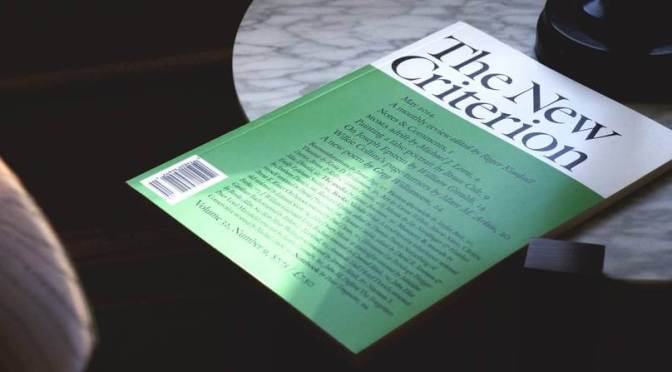
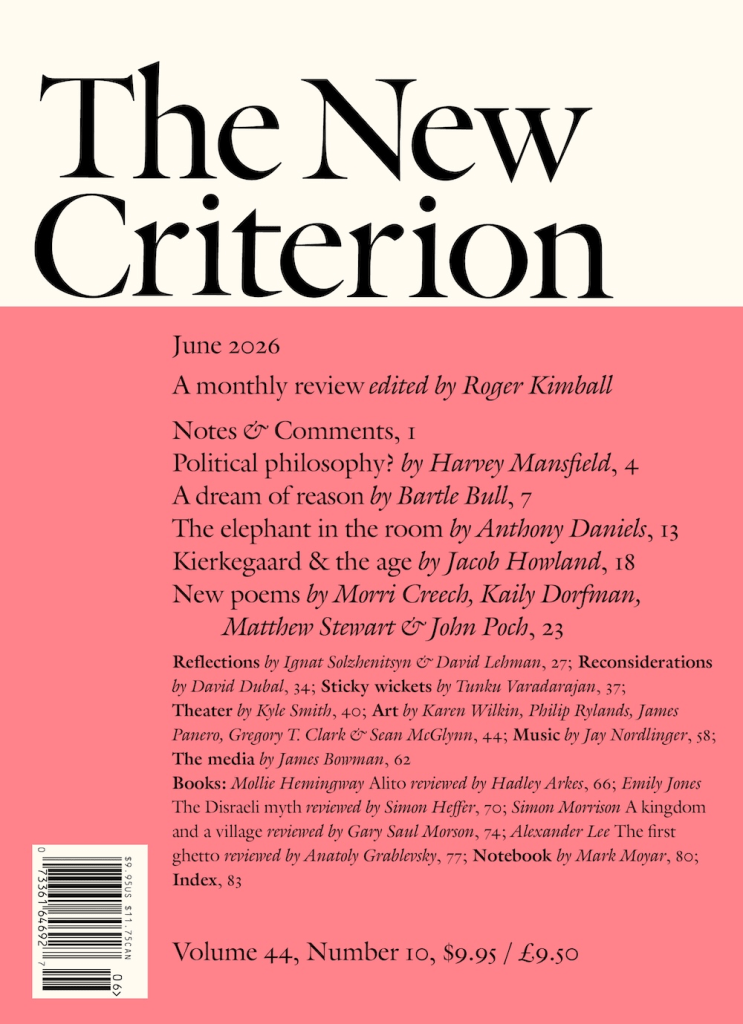
THE NEW CRITERION: The latest issue features ‘Political philosophy? by Harvey Mansfield; A dream of reason by Bartle Bull; The elephant in the room by Anthony Daniels; Kierkegaard & the age by Jacob Howland; New poems by Morri Creech, Kaily Dorfman, Matthew Stewart & John Poch….
Fiction & Nonfiction: You can explore the Fiction – Guernica section for recently published narrative stories and ongoing literary additions.
Special Issues:Guernica frequently publishes thematic special issues ranging from “Climate Fiction” to “Race in America,” all of which can be browsed via the Guernica Magazine Explore page. [1]
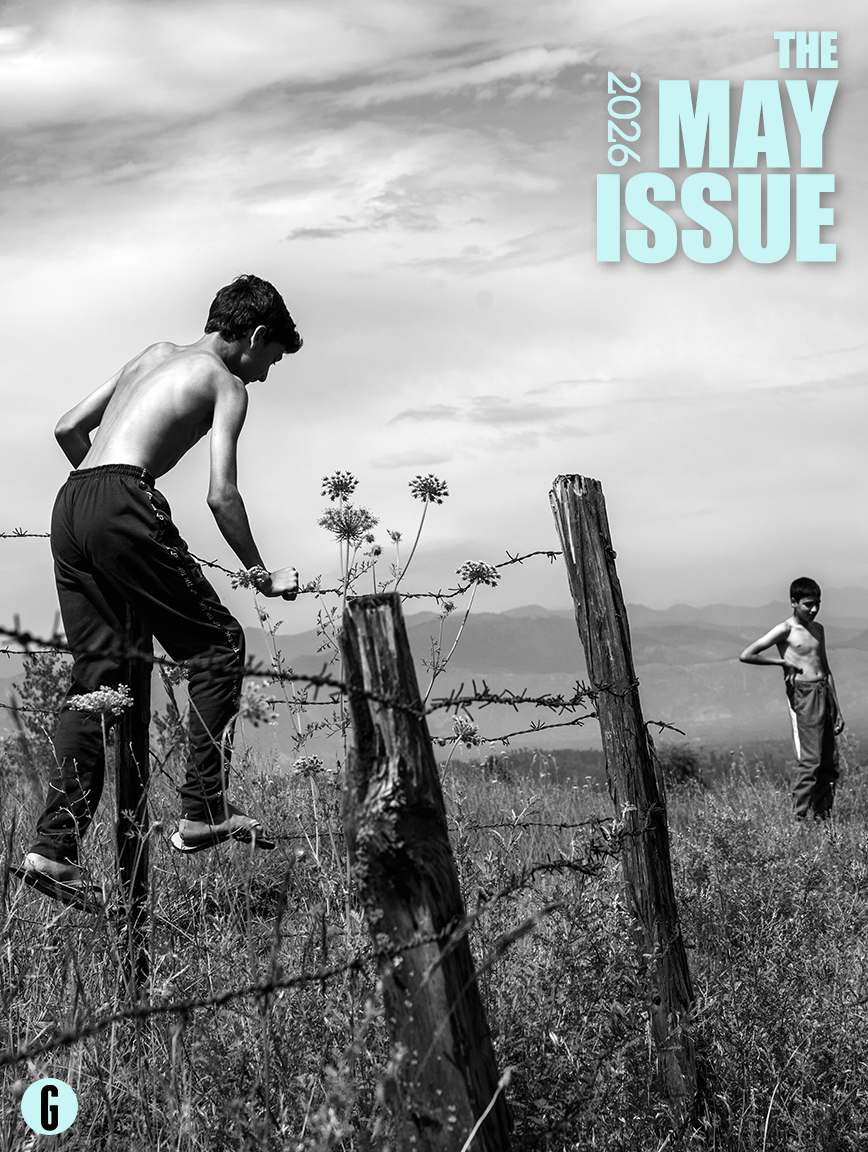
How do photographs carry the afterlives of violence? Threading together personal and collective histories, photographer Showkat Nanda reflects on documenting Kashmir not merely as a site of conflict, but as a lived world shaped by endurance and the struggle against forgetting.
What I dream of, then, when I think about what Jürgen Habermas called “the postsecular society,” is a foggy middle path. I’m not willing to fall for the false choice between religion and democracy simply because either feels like more solid footing than walking the tightrope between them.
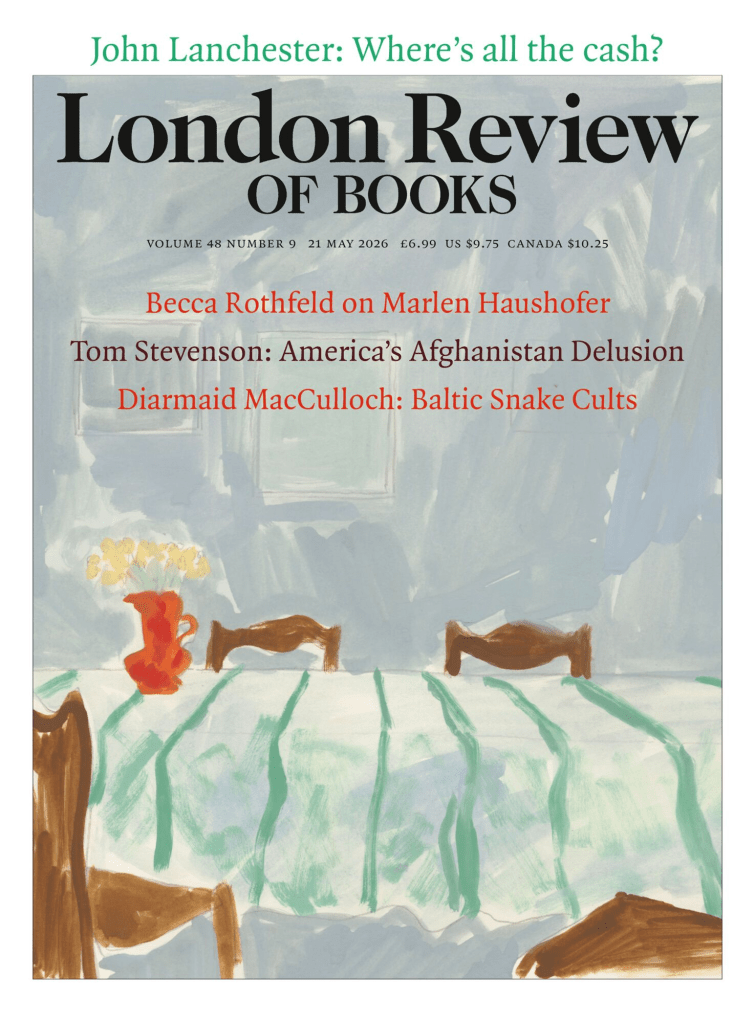
“America’s Afghanistan Delusion” by Tom Stevenson: Stevenson examines the legacy of the War on Terror, arguing that the 2021 withdrawal from Kabul was viewed by the Western establishment as a “mistake” or “cautionary tale” rather than the “crime” he suggests it was. He traces the expansion of American power through “black sites” and military advisers across the globe.
“Short Cuts: Labour’s Failure” by James Butler: Butler analyzes the results of the English local elections (held on May 7). He criticizes Keir Starmer’s leadership style as “all injunction and no argument” and explores why national revulsion toward the Labour Party overshadowed local government issues.
“Where’s All the Cash?” by John Lanchester: A characteristically lucid investigation into modern economics, focusing on the circulation of physical currency and the shifting nature of wealth in a digital-first economy.
Literature & History
“On Marlen Haushofer” by Becca Rothfeld: A deep dive into the work of the Austrian writer, specifically her 1963 masterpiece The Wall. Rothfeld explores Haushofer’s recurring themes of entrapment and isolation, noting the paradoxical “joy” found in her most barricaded characters.
“Baltic Snake Cults” by Diarmaid MacCulloch: The eminent historian reviews the long survival of paganism and “serpent worship” in the Baltic regions, challenging the standard narrative of a monolithic Christian Europe during the Middle Ages.
“Should We Punish?” by Thomas Nagel: The philosopher engages with the ethics of the penal system, weighing the traditional justifications for punishment against contemporary moral and legal theories.
Other Features
“The Clearance of Aoineadh Mòr, 1824” by Tarn MacArthur: A historical account of the Highland Clearances, specifically focusing on the displacement of communities in Scotland.
At the Movies: Michael Wood provides his regular column of film criticism, likely focusing on current European or art-house releases.
Poetry & Correspondence: The issue also contains poems and a robust letters section, which in this period has been heavily occupied by debates over the Arctic (following Laleh Khalili’s piece in the previous issue) and the fallout of the UK local elections.
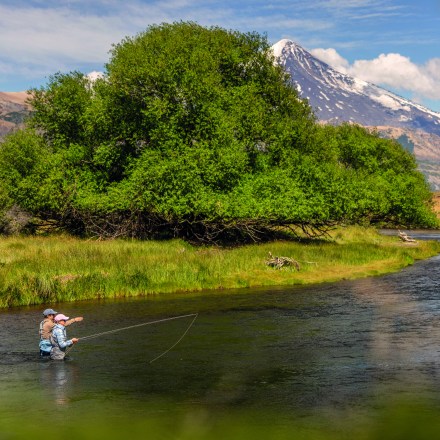
The casa grande could be an ancient chalet in the Austrian Tyrol. A steeply gabled roof to slough off the winter snow, dandelion-yellow paintwork, and inside a treasure trove of all an outdoorsman loves. Antlers jostle for space on every wall. There is a tack room thick with the leathery tang of saddles, a bathroom
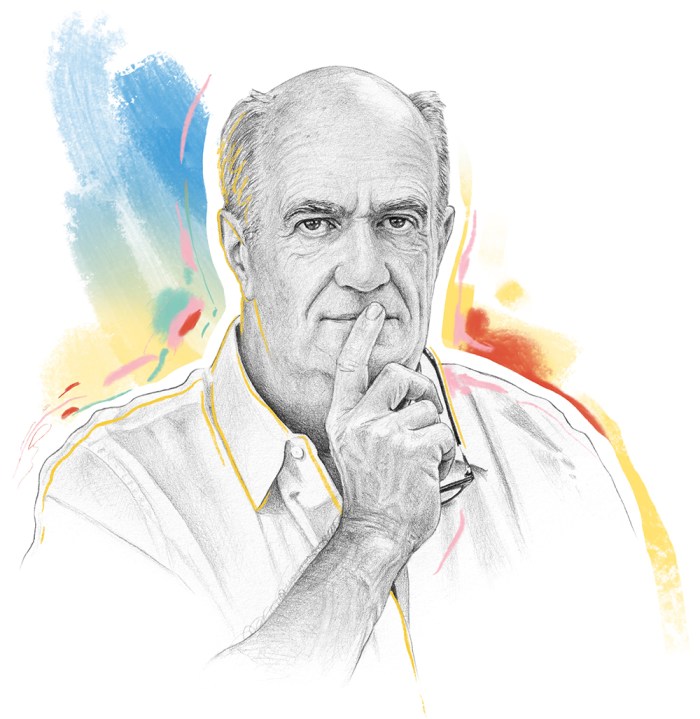
Colm Tóibín explores the art of short story writing
hen I was 20 and tentatively trying to write, every single person I knew read Ian McEwan’s First Love, Last Rites (1975). It not only gave the short story a good name, but it also gave writing a good name. It was like a punk moment converted into fiction. People used the word “macabre,” but there was a sort of excitement about the characters, the strangeness of the stories, the shortness of some of the stories and just how much contemporary urban life was in them.
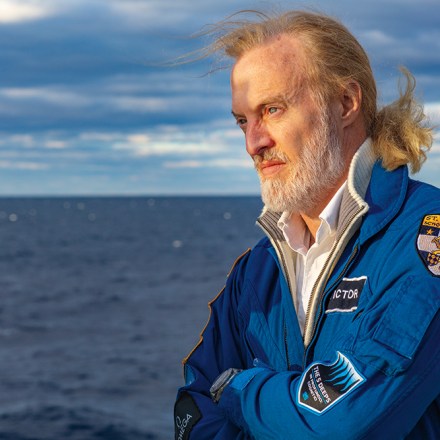
It’s a popular phrase on X, usually in response to someone accomplishing something remarkable, taken to mean that there’s nothing stopping you from doing something out of the ordinary. SpaceX might post video of a rocket landing – “you can just do things.” Victor Vescovo might be the living embodiment of the phrase.
My first introduction to Vescovo was an email from him, extending an invitation to be a guest at his table for the Explorers Club Annual Dinner. The name was vaguely familiar to me but didn’t immediately register. Who was this mysterious correspondent?
The US-Israeli war against Iran, far from encouraging a popular uprising, has strengthened the regime’s grip and set back the cause of Iranian freedom indefinitely.
In Everthing Is Now, J. Hoberman chronicles a radical avant-garde’s attempts to jostle New York City out of its postwar complacency and moral retrenchment.
Everything Is Now: The 1960s New York Avant-Garde—Primal Happenings, Underground Movies, Radical Pop by J. Hoberman
Walter Lippmann was the most influential political commentator of his generation, but behind his preternatural confidence was a far more complicated and unsettled character.
Walter Lippmann: An Intellectual Biography by Tom Arnold-Forster
With the opening of the 61st Biennale di Venezia, a number of the magazine’s features engage with the history and contemporary culture of the storied city. Jenny Saville speaks with art historian Stefania Ventra to mark her major exhibition at Ca’ Pesaro–Galleria Internazionale d’Arte Moderna. In an essay bridging the Republic of Venice and the twenty-first century, Ben Street explores the timeless resonance of Giovanni Domenico Tiepolo’s tragicomic frescoes. And Nancy Spector discusses her bold pairing of Richard Prince and Arthur Jafa in an exhibition at the Fondazione Prada.
In the world of literature, Helen Oyeyemi shares the second installment of her fiction series As You Wish, Mary Gaitskill speaks with Jill Mulleady about their recent Picture Books collaboration inspired by Faust, Wyatt Allgeier interviews Andrew Durbin on the occasion of his new dual biography of Peter Hujar and Paul Thek, and Alana Pockros guides us through the refractive wonderlands of novelist Elaine Kraf.
Elsewhere in the issue, Carlos Valladares ponders Charli XCX’s mockumentary The Moment, Janne Sirén examines Anselm Kiefer’s mythological figures, and three luminaries from the worlds of design, fashion, and food—Ronan Bouroullec, Michèle Lamy, and Enrique Olvera—consider the furniture of Donald Judd.
Donald Trump’s aversion to admitting fault suggests that we will not likely see events that grapple with the nuanced nature of the nation’s history this July 4th. By Jelani Cobb
Was the Declaration of Independence Better Before the Edits?
Amid contention, criticism, and compromise, a divided nation had to present a unified front. It came at a cost. By Jill Lepore
Barack Obama Considers His Role in the Age of Trump
The former President remains one of the most popular politicians in the country. What are his obligations to it?
News, Views and Reviews For The Intellectually Curious






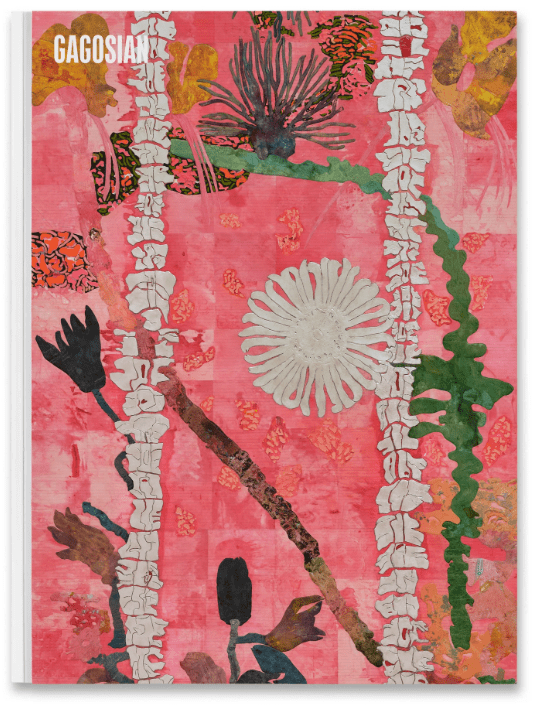
 Gagosian Quarterly
 Boomers Daily