
 The Wall Street Journal looks at how air travel will change and what it will be like to fly after the pandemic.
 The Wall Street Journal looks at how air travel will change and what it will be like to fly after the pandemic.
 Airlines were soaring towards record travel numbers at the start of this year. Then, COVID-19 hit like a lightning bolt.
The average number of passengers on a domestic flight is now about 17. That’s about a single passenger per row. And American taxpayers gave U.S. airlines a $50 billion bailout to help pull the industry out of a financial nose-dive. Will that be enough?
And what will the future of air travel look like in a post-pandemic world?
On January 15, 1970, First Lady of the United States Pat Nixon christened Pan Am’s first 747, at Dulles International Airport (later Washington Dulles International Airport) in the presence of Pan Am chairman Najeeb Halaby. Instead of champagne, red, white, and blue water was sprayed on the aircraft.
The 747 entered service on January 22, 1970, on Pan Am’s New York–London route; the flight had been planned for the evening of January 21, but engineoverheating made the original aircraft unusable. Finding a substitute delayed the flight by more than six hours to the following day when Clipper Victor was used.

From Wikipedia
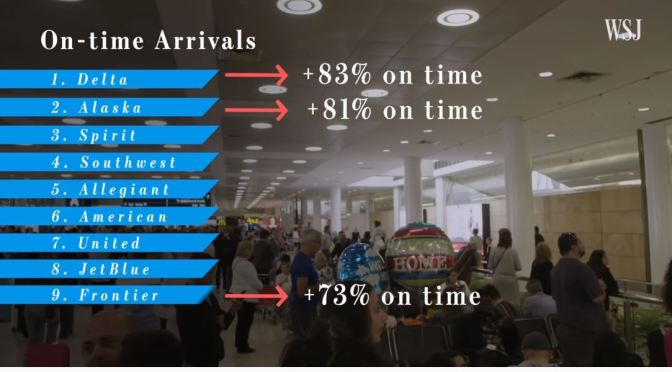
With more and more people taking flight each year, there’s a lot that can go wrong. WSJ’s Scott McCartney tallies the data for a definitive look at which airlines performed best and worst in 2019 in key categories like on-time departures, baggage handling and flight cancellations.
More from the Wall Street Journal: Visit WSJ.com: http://www.wsj.com
From a Harbour Air Seaplanes online release:
 “Today, we made history,” said Greg McDougall, CEO and founder of Harbour Air Seaplanes. “I am incredibly proud of Harbour Air’s leadership role in re-defining safety and innovation in the aviation and seaplane industry. Canada has long held an iconic role in the history of aviation, and to be part of this incredible world-first milestone is something we can all be really proud of.”
December 10, 2019 – Harbour Air, North America’s largest seaplane airline and magniX, the company powering the electric aviation revolution, today announced the successful flight of the world’s first all-electric commercial aircraft. The successful flight of the ePlane, a six-passenger DHC-2 de Havilland Beaver magnified by a 750-horsepower (560 kW) magni500 propulsion system, took place on the Fraser River at Harbour Air Seaplanes terminal in Richmond (YVR South) this morning. The plane was piloted by Harbour Air CEO and founder Greg McDougall. This historic flight signifies the start of the third era in aviation – the electric age.
To read more: https://www.harbourair.com/harbour-air-and-magnix-announce-successful-flight-of-worlds-first-commercial-electric-airplane/


 Boomers Daily