From the Captain Whidbey website:
 The presence of the inn itself demands this kind of myth-making. Its hulking imperfections, hidden staircases and infinite doorways, narrow pathways and intricate stonework, call to mind an honest, handmade world, where times were slower and things made to last. Rumors of its past are worn proudly on its proverbial sleeve — stripped wood where there once was a second floor balcony, prominently displayed plaques of historic register, mismatched sediments of historic photos, the speckled outline of a dart board and creaking floorboards. The front door was originally the back door because most guests arrived by boat.
Since 1907, Captain Whidbey has been a locus of natural beauty, community gathering and quiet, exalted delight. A place where locals and visitors do things together — even if those things are simply eating, drinking, appreciating nature, looking out across the water, feeling alive, feeling grateful.
Captain Whidbey is the Unofficial Official Lodge of Ebey’s Landing National Historic Reserve. The gateway to beautiful and rugged wild, Captain Whidbey fosters a sense of romance, a longing for adventure and a communion with the natural world.
To read more: https://www.captainwhidbey.com/


 Heathrow Express to Paddington Station in 20 minutes.
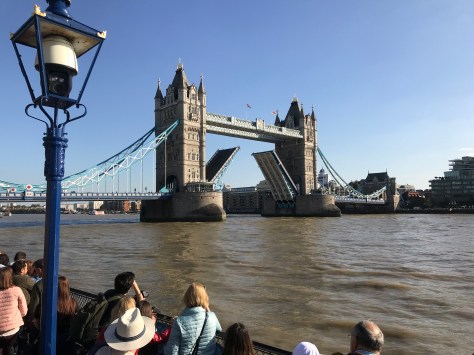
 Grab a Black Cab outside and enjoy a great ride to your hotel near the Tower Bridge.
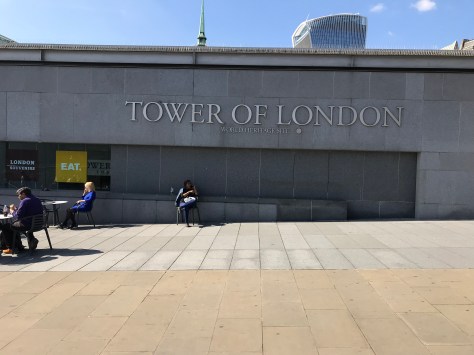
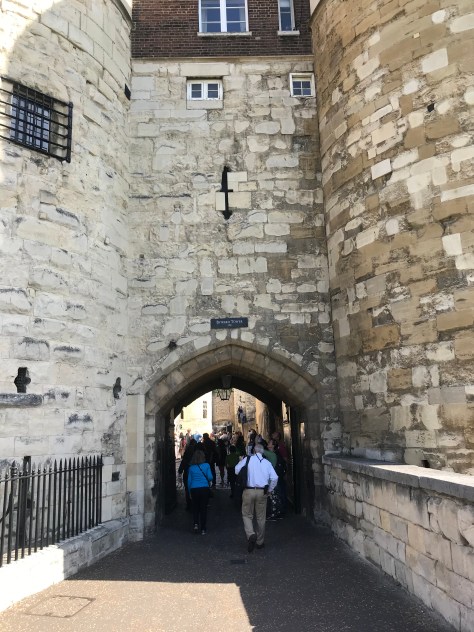
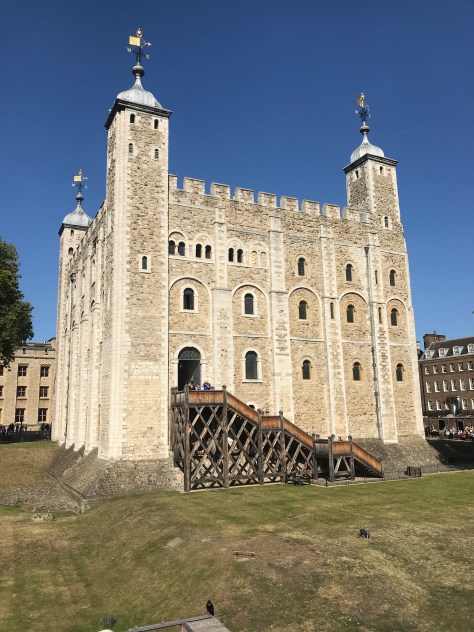
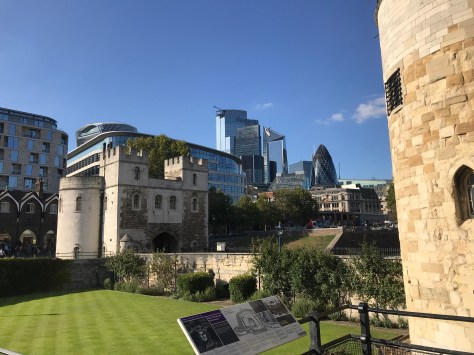
 Check into your hotel and walk over for a 2-3 hour tour of the Tower of London.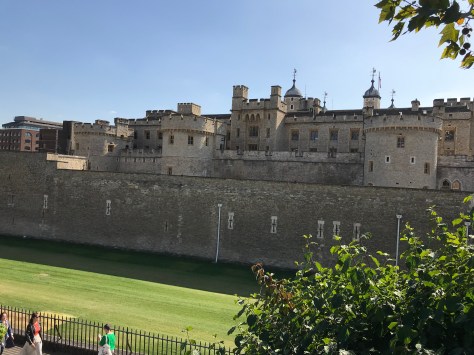

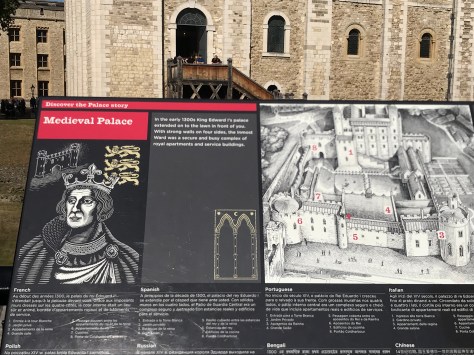
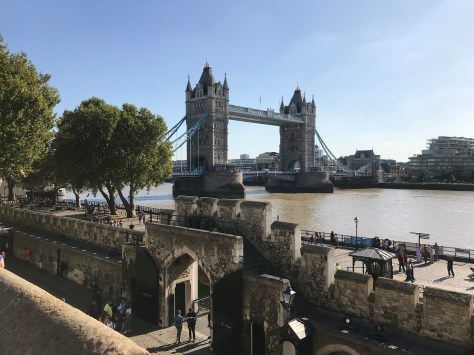
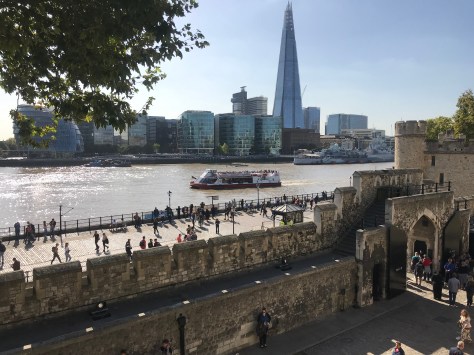
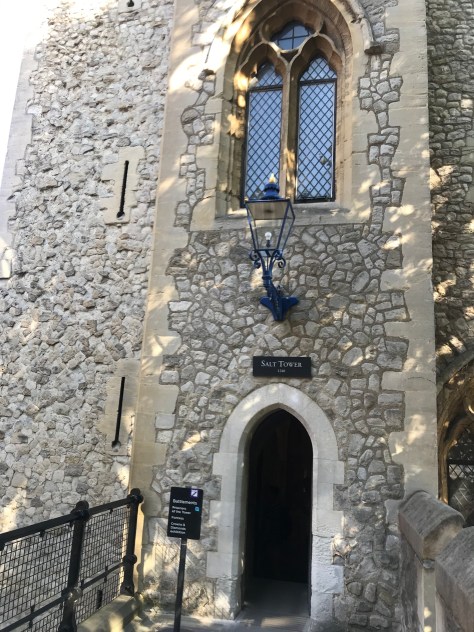





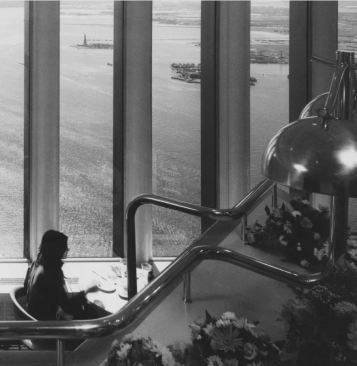 The light is different, higher contrast. Real-life chiaroscuro. And sound is muted, still, almost absent. Except when the wind is kicking up a tremendous, otherworldly, howl. And the city looks so small, innocent, like a child’s train set, the Statue of Liberty a tchotchke in a tourist shop. Sixty-mile views that reach the Hudson Highlands up north, the Atlantic Ocean to the east and south, and, much closer, planes landing and taking off at three major airports.



 Noted Harvard-trained geriatrician Louise Aronson uses stories from her quarter century of caring for patients and draws from history, science, literature, popular culture, and her own life to weave a vision of old age that’s neither nightmare nor utopian fantasy—a vision full of joy, wonder, frustration, outrage, and hope about aging, medicine, and life itself.
 Kaia’s iOS and Android apps were developed with the help of physiotherapists, pain management physicians, orthopedic surgeons, and clinical psychologists, the company claims, and are registered as Class 1 medical devices with the Food and Drug Administration. They serve up video clips covering basic back and COPD pain information and step-by-step physiotherapy exercises, in addition to psychological strategies, such as mindfulness and muscle relaxation.
 Revere’s place in history was cemented by
  The exhibition was organized by the
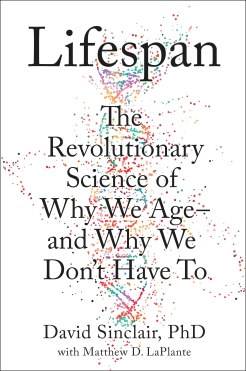 Lifespan, by geneticist David Sinclair and journalist Matthew LaPlante, provides a vision of a not-too-distant future in which living beyond 120 will be commonplace. For Sinclair and LaPlante, the answer lies in understanding and leveraging why we age…


 Boomers Daily