Category Archives: Technology

Generative AI: Speeding Up Amazon Package Delivery

CNBC (September 17, 2024): For decades, Amazon has set the standard for fast package delivery. When Prime launched in 2005, two-day shipping was virtually unheard of. By March 2024, 60% of Prime items were delivered same or next day. Now Amazon wants to push that number even higher, using generative AI, despite concerns about energy and cost.

Chapters: 2:14 Two-day to same-day 5:51 Robot revolution 9:18 Predicting orders 12:11 Routes and personalization

CNBC got an exclusive look at Amazon’s use of generative AI to optimize delivery routes, make more intelligent warehouse robots, and better predict where to stock new items.

SCIENCE & TECH: DISCOVER MAGAZINE – SEPTEMBER 2024

Image

Discover Magazine (August 18, 2024): The latest issue features

The Problem with Parasites

Climate change is putting parasites — the unseen pests running our planet — in peril, but a small band of scientists is fighting to save them from extinction. By Kate Golembiewski

What Goes On Inside the Mind of a Dog?

Help researchers understand the underpinnings of dog personality and behavior with these Citizen Science projects.

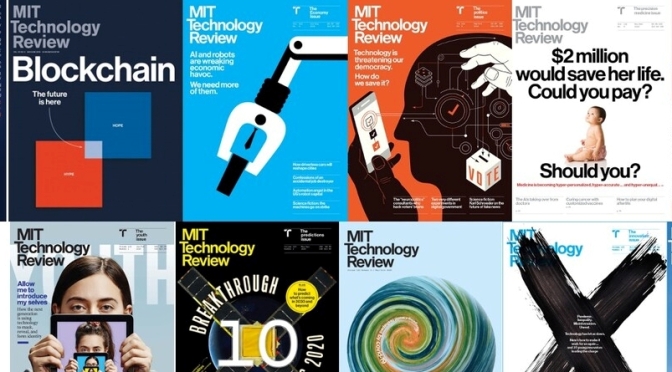
Preview: MIT Technology Review – September 2024

MIT Technology Review (August 17, 2024): The 125th Anniversary issue features ‘Greetings from the Future’ – Personalized AI, Genetically-Engineered Immunity and Digital Immortaility. We’ll see it all in the next century.

Harvard Business Review – September/October 2024

September–October 2024

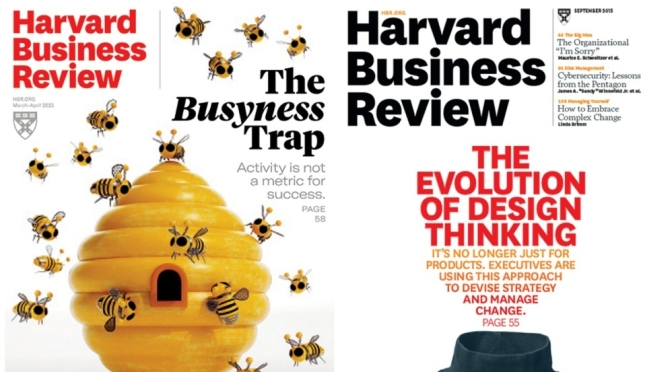
Harvard Business Review (August 12, 2024) – The latest issue features Embracing Gen AI at Work: How to get what you need from this new technology…

Tom Brady on the Art of Leading Teammates

In this article, NFL great Tom Brady and Nitin Nohria, of Harvard Business School, present a set of principles that people in any realm can apply to help teams successfully work together toward common goals.close

When our society talks about success, we tend to focus on individual success. We obsess about who is the “greatest of all time,” who is most responsible for a win, or what players or coaches a team might add next season to become even better.

Where Data-Driven Decision-Making Can Go Wrong

Let’s say you’re leading a meeting about the hourly pay of your company’s warehouse employees. For several years it has automatically been increased by small amounts to keep up with inflation. Citing a study of a large company that found that higher pay improved productivity so much that it boosted profits, someone on your team advocates for a different approach: a substantial raise of $2 an hour for all workers in the warehouse. What would you do?

AI Won’t Give You a New Sustainable Advantage

History has shown that technological innovation can profoundly change how business is conducted. The steam engine in the 1700s, the electric motor in the 1800s, the personal computer in the 1970s—each transformed many sectors of the economy, unlocking enormous value in the process. But relatively few of these and other technologies went on to become direct sources of sustained competitive advantage for the companies that deployed them, precisely because their effects were so profound and so widespread that virtually every enterprise was compelled to adopt them. Moreover, in many cases they eliminated the advantages that incumbents had enjoyed, allowing new competitors to enter previously stable markets.


Fast Food & Grocery: An AI And Automation Takeover

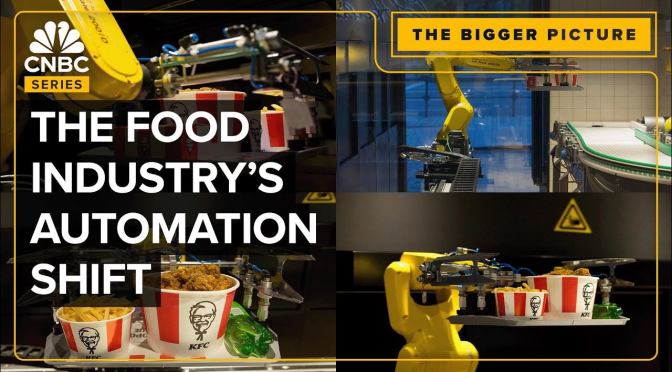
CNBC (July 15, 2024): Fully autonomous fast-food chains to smart carts lining grocery store parking lots, the way the food industry looks is changing due to massive investment in AI technology.

Chapters: 0:00 Introduction 2:34 CH 1. Digitizing food retail 5:35 CH 2. The risk and reward from robots 8:30 CH 3. What’s next?

The American consumer is starting to pull back on spending and rising food and labor costs are causing the food industry to invest more into automation to lower labor costs and improve sales, in order to stay competitive and take advantage of shifting consumer taste.

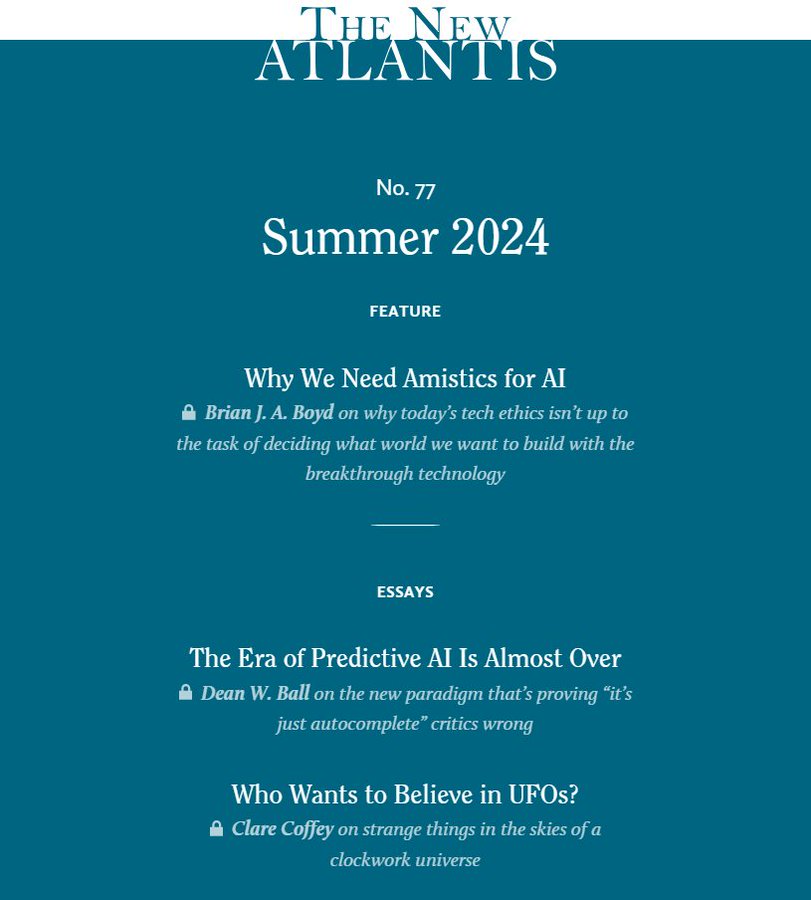
Preview: The New Atlantis Magazine – Summer 2024

Image

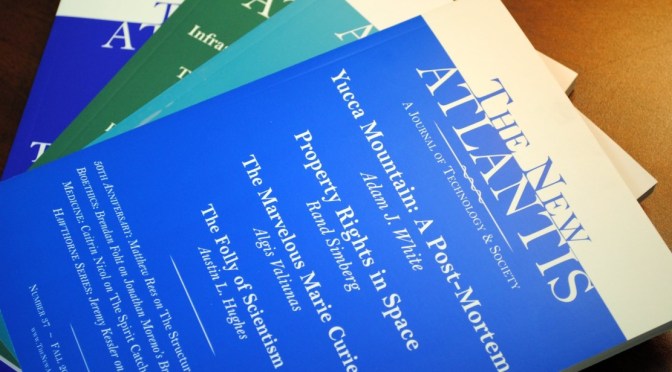
The New Atlantis Magazine (July 10, 2024) : The latest issue features

Why We Need Amistics for AI

Tech ethics needs a breakthrough. The Amish have it.

Brian J. A. Boyd

The Refs Are Working Us

Fact-checking used to be how journalists policed themselves. Now it’s how they police everyone else.

M. Anthony Mills

Who Wants to Believe in UFOs?

Strange things in the skies of a clockwork universe

Clare Coffey

SCIENCE & TECH: DISCOVER MAGAZINE – JULY/AUG 2024

Discover Magazine Subscription [6 issues]

Discover Magazine (June 30, 2024): The latest issue features ‘Next-Gen Medicine’ – Recreating human organs on microchips; Inside the new Opioid Crisis; History’s strangest sleep study and Prehistoric Family Secrets…

The Future of Organ-Chip Technology Is Bright

From rendering animal testing obsolete to reducing HIV and preterm birth, Donald Ingber is making the future a reality.

The Opioid Crisis Is Not Over

Organizations Work to Reduce Animal Deaths With Relegated Passageways

Man Experiences His Own Spine-Tingling Tale

Mapping the Darkness Excerpt: Sleep Spelunking

Preview: MIT Technology Review – July/August 2024

MIT Technology Review (June 26, 2024): The new issue features The Play issue – Did you know you could surf in the desert? New pools make it possible–but at what cost? Learn how AI is bringing an unprecedented expansiveness to computer and video games and how high-tech supershoes are helping athletes run faster and more safely. Plus: Gamification was always a dubious concept–so how did it take over the world?

How gamification took over the world

Gamification was always just behaviorism dressed up in pixels and point systems. Why did we fall for it?

Supershoes are reshaping distance running

Kenyan runners, like many others, are grappling with the impact of expensive, high-performance shoes.

How generative AI could reinvent what it means to play

AI-powered NPCs that don’t need a script could make games—and other worlds—deeply immersive.

Harvard Business Review – July/August 2024 Issue

July–August 2024

Harvard Business Review (June 15, 2024) –

Why Entrepreneurs Should Think Like Scientists

Founders of start-ups who question and test their theories are more successful than their overly confident peers.

How to Assess True Macroeconomic Risk

Models and forecasts can be seductive, but it’s time for executives to reclaim their economic judgment.

The Middle Path to Innovation

Forget disruption and incrementalism. Here’s how to develop high-growth products in slow-growth companies.

World Economic Forum: Top Stories – June 15, 2024

World Economic Forum (June 15, 2024) – The top stories of the week include:

0:15 Mini-factories in space – Space Forge says its technology could revolutionize manufacturing. The satellites contain miniature manufacturing systems. They take advantage of the conditions in low-Earth orbit such as microgravity, extreme temperatures and a contaminant-free environment to forge materials that would be impossible to manufacture here on Earth.

1:53 Biodiversity credits explained – Nature is under unprecedented threat. Around 2 million plant and animal species could go extinct in the next few decades as climate change and habitat loss push ecosystems towards irreversible tipping points. To fight this crisis, experts are coming up with new ways to protect life on Earth by assigning value to the ecosystems around us. These innovations include biodiversity credits.

6:58 Nairobi switches to electric buses – Private minibuses called matatus are the main mode of public transport in Nairobi. Most matatus are old, diesel-powered and inefficient and 60% of the city’s population rely on them to get around. Electric mobility start-up BasiGo has built an all-electric alternative. The first bus rolled off its Nairobi production line in early 2024. Nairobi bus operators have already ordered 500 more. More than 90% of Kenya’s electricity is generated renewably, which means BasiGo’s buses are virtually emission-free.

8:40 How to build healthier cities – This architect designs buildings that bring communities together – Sumayya Vally grew up in post-Apartheid Pretoria, South Africa in what had been an Indian-only township and saw how division kept communities apart. Vally founded the Johannesburg-based architecture practice Counterspace to fight the built legacies of colonization and highlight the peaceful coexistence between communities.