

From a Chain Store Age online release:
 According to a recent survey of 1,000 U.S. consumers from advertising platform Criteo, 48% of millennial and Gen Z respondents use online grocery delivery services, compared to 37% of Gen X respondents and only 30% of baby boomer respondents.
Baby boomers are much less likely than younger consumers to participate in a particular omnichannel grocery activity.
Results for browsing multiple sites to read product reviews are essentially the same across generations. But Gen X consumers are much more likely to browse multiple sites if a product they want is unavailable (37%) than Gen Z/millennial (28%) or baby boomer/silent generation consumers (22%). And more than half (51%) of baby boomer/silent generation consumers will browse multiple sites for none of these reasons, compared to 27% of Gen X and 15% of Gen Z/millennial consumers.
To read more: https://chainstoreage.com/survey-boomers-dont-say-ok-grocery-service

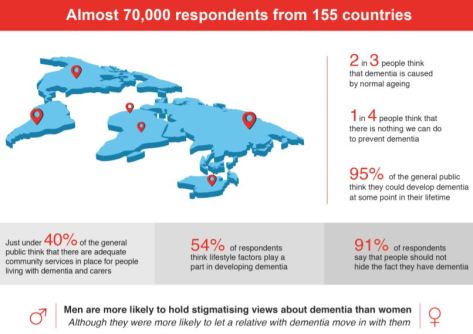
 LSE developed the survey to target four key groups:
 In the survey analysis we highlight the behavioural element first, giving prominence to the voices and experiences of people living with dementia as direct assessment of actual behaviour is central to discrimination and is the closest representation of the true impact of stigma on people living with dementia.
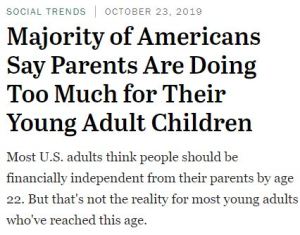 There’s a sense among a majority of Americans that parents are doing too much for their young adult children these days – 55% of all adults say this, while only 10% say parents are doing too little for their young adult children. About a third (34%) say parents are doing about the right amount.
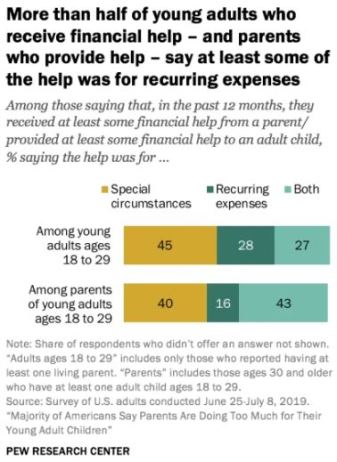 Among adults ages 18 to 29, 45% say they received a lot of (24%) or some (21%) financial help from their parents in the past 12 months. About one-in-five (21%) say they received only a little financial help, and 34% say they received none.
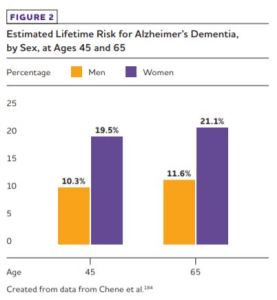 Scientists are beginning to understand why Alzheimer’s disease affects more women than men and why the disease seems to progress more quickly in women’s brains.

 Boomers Daily