
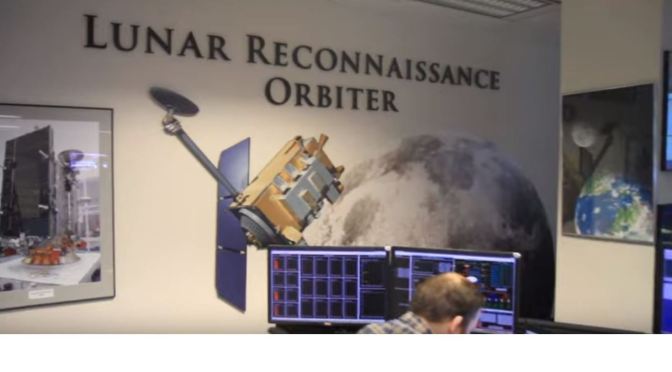
“We are modernizing Goddard Space Flight Center (GSFC) and its six sites for the future. A comprehensive Facilities Master Plan is an essential element in developing a blueprint for the future of our Center. Goddard recognizes the importance of fostering a work environment that is enjoyable, rewarding and aligned with meeting the challenges of tomorrow. The Master Plan will develop the infrastructure to support our business goals and missions, inform future investment decisions and respond to the growth and diversity of our mission and customer requirements. Its content will be informed by site visits, stakeholder interviews and workshops at all campuses, starting at the Greenbelt campus. This will be followed by similar efforts at the Columbia Scientific Balloon Facility in Texas, White Sands Complex in New Mexico, Wallops Flight Facility in Virginia, Goddard Institute for Space Studies in New York, and Katherine Johnson Independent Verification & Validation Facility in West Virginia.Goddard’s master plan process is scheduled to continue through 2021.
Website: https://www.nasa.gov/goddard

 Listen to an audio version of our feature article by Amber Dance. Research groups around the world are exploring new ways of protecting coral reefs from climate change.
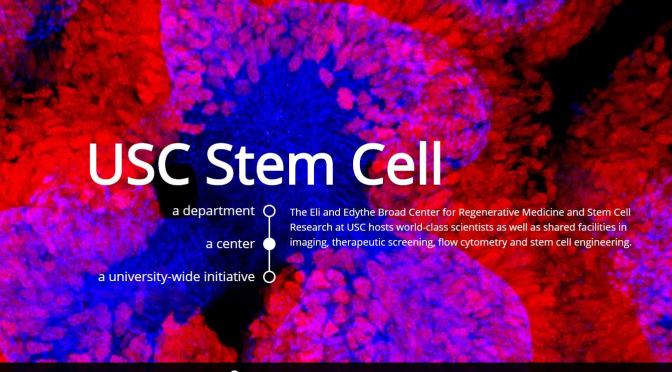

 About one-third of people with epilepsy are treatment resistant. Up until now, epilepsy treatments have focused on taming seizures rather than the source of the disease and for good reason—so many roads lead to epilepsy: traumatic brain injury, extreme fever and infection, and genetic disorders, to name a few. Staff Writer Jennifer Couzin-Frankel talks with host Sarah Crespi about researchers that are
  Listen to the latest from the world of science, brought to you by Benjamin Thompson and Nick Howe. This week, the embattled field of social priming, and the latest sounds from a big acoustic meeting.
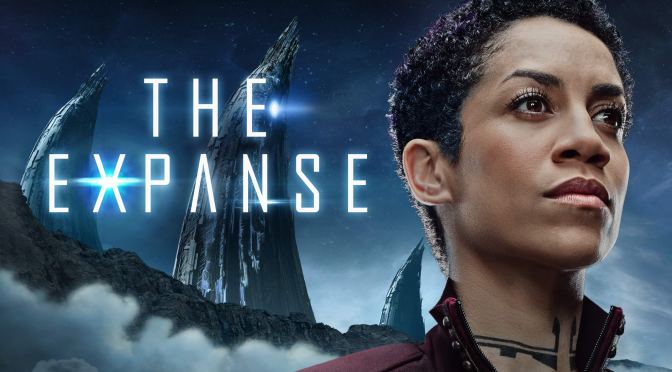
 On 13 December, Amazon Prime will air the fourth season of The Expanse, a hardboiled space drama renowned for its working-class characters and real-world space physics. Showrunner Naren Shankar is part of the reason the science checks out. The veteran writer and producer for programs such as Star Trek: The Next Generation, Farscape, and the police procedural CSI: Crime Scene Investigation, has a doctorate in applied physics and electrical engineering.
 Boomers Daily