Category Archives: Research

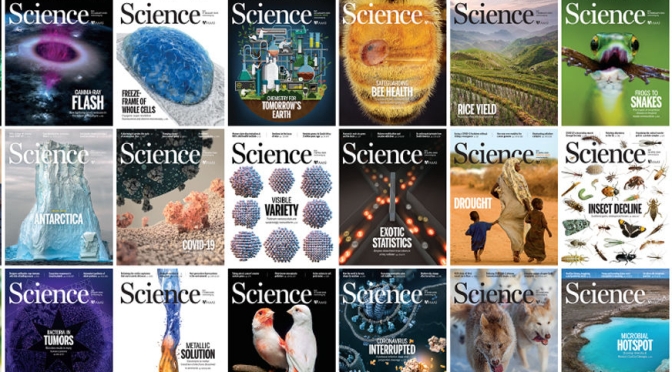
Research Preview: Science Magazine – Nov 4, 2022

Image

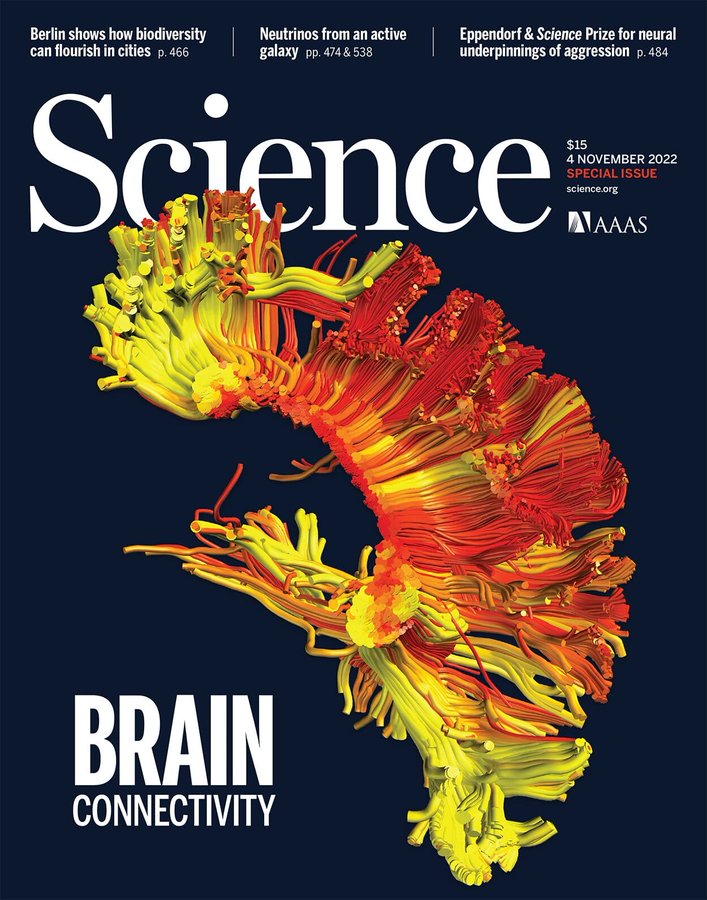
Science Magazine – Brain connectivity

No neuron is an island

The brain is so much more than its constituent cells. Each neuron in the brain connects with thousands of other neurons—but instead of a cacophony of connections, we have a synchronized symphony.

Atlas-based data integration for mapping the connections and architecture of the brain

Detailed knowledge about the neural connections among regions of the brain is key for advancing our understanding of normal brain function and changes that occur with aging and disease.

Solving brain circuit function and dysfunction with computational modeling and optogenetic fMRI

Can we construct a model of brain function that enables an understanding of whole-brain circuit mechanisms underlying neurological disease and use it to predict the outcome of therapeutic interventions?

Scale matters: The nested human connectome

The emergent properties of the connected brain

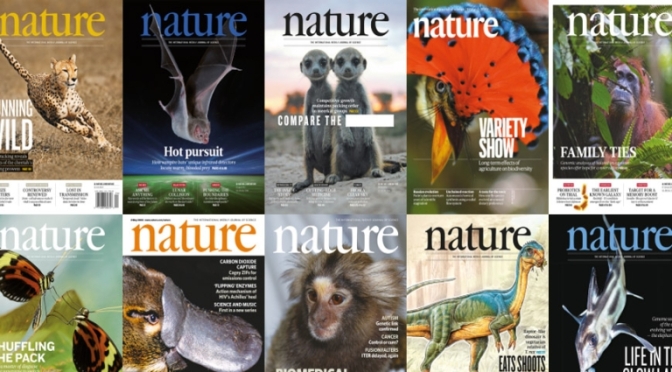
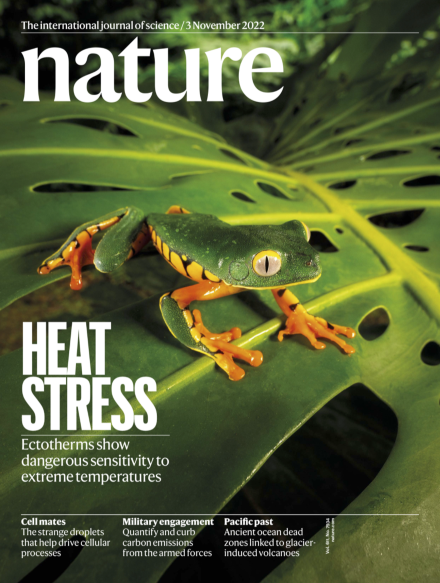
Research Preview: Nature Magazine – Nov 3, 2022

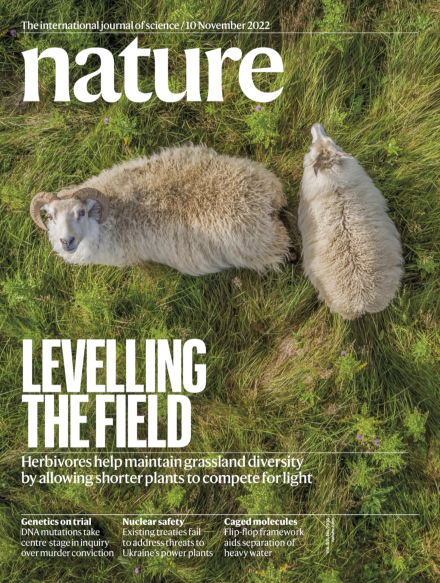
Volume 611 Issue 7934

nature – Inside the November 3 Issue:

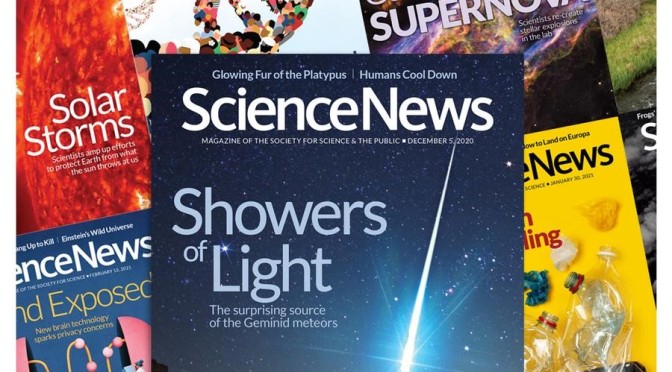
Preview: New Scientist Magazine – Nov 5, 2022

New Scientist Default Image

How technology is revolutionizing our understanding of ancient Egypt

New Scientist – A century on from the discovery of Tutankhamun’s tomb, CT scans, 3D printers and virtual reality are bringing the world of the pharaohs – and ordinary ancient Egyptians – into sharper focus

The truth about the foods said to boost your immune system

Many foods thought to enhance our natural defences, such as orange juice and turmeric, don’t live up to the hype. Instead, the key to a healthy immune system lies in nurturing your gut microbiome

The cosmologist who claims to have evidence for the multiverse

Cosmologist Laura Mersini-Houghton says our universe is one of many – and she argues that we have already seen signs of those other universes in the cosmic microwave background, the light left over from the big bang

Research Preview: Science Magazine – Oct 28, 2022

Image

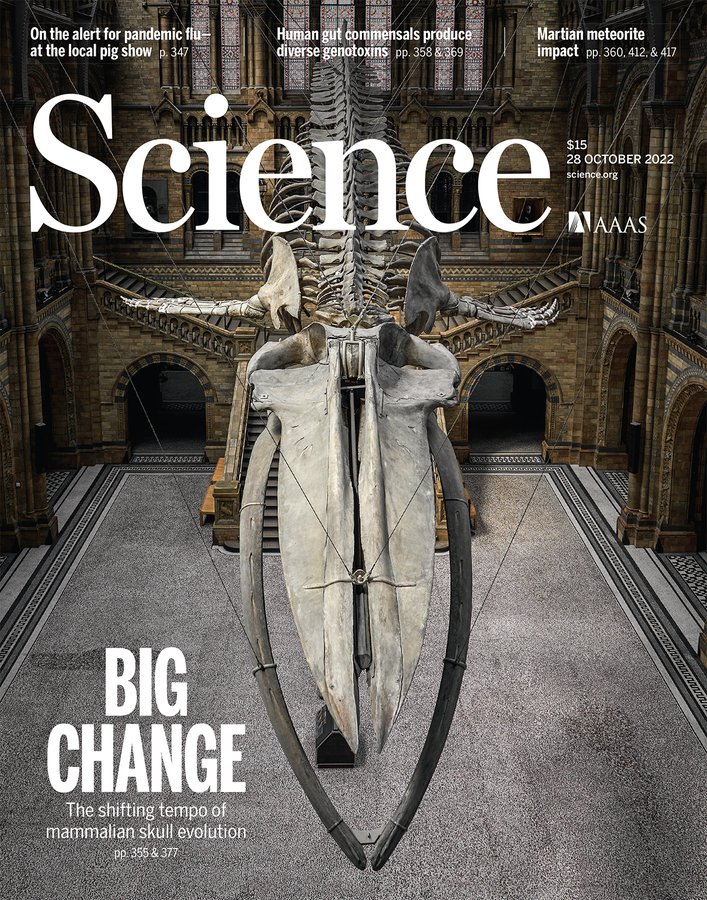
Science Magazine – The skeleton of Hope, a young female blue whale that beached in Ireland in 1891, is suspended from the ceiling of London’s Natural History Museum, pictured here empty of visitors while the museum was closed during the COVID-19 pandemic.

Bursts in skull evolution weakened with time

The skull shapes of mammals diversified more rapidly early in their history

Forgotten Ebola vaccine could help in outbreak

Merck unearths a frozen batch of an experimental vaccine it made years ago

Harvard studies on infant monkeys draw fire

Experiments involving eyelid suturing and maternal separation divide scientists

Monkeypox outbreak is ebbing—but why exactly?

Models suggest rising immunity in a small group of people, not vaccination, is key

Research Preview: Nature Magazine – Oct 27, 2022

Volume 610 Issue 7933

Research Highlights

Research Preview: Science Magazine – Oct 21, 2022

Image

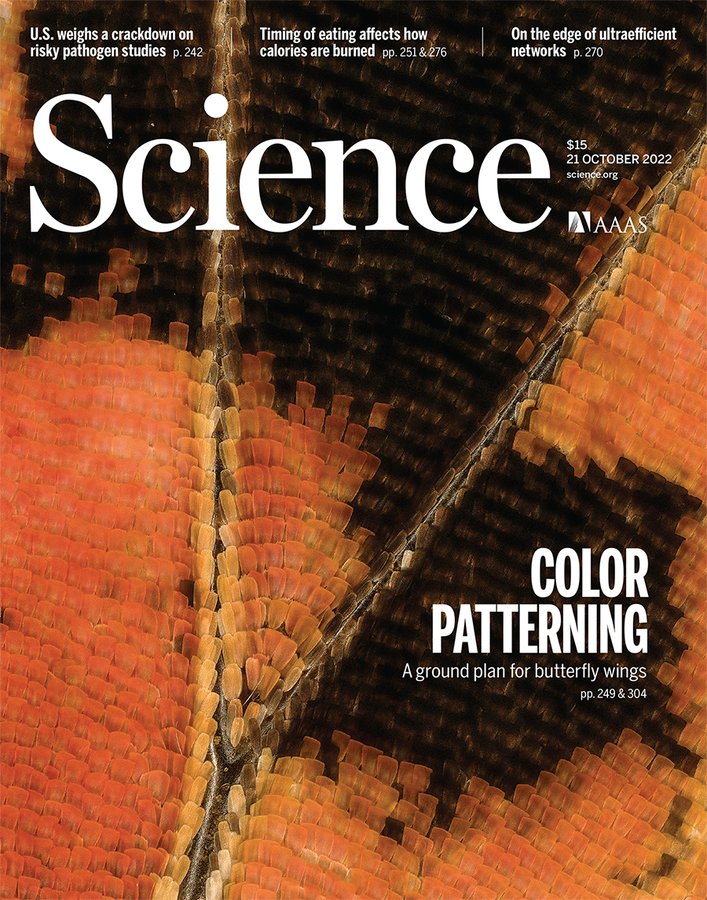
Science Magazine – Butterfly wing patterns are mosaics of colored scales. According to new research, ancient and deeply conserved multifunctional gene regulatory elements play a crucial role in creating these diverse patterns.

Heart risks fuel debate over COVID-19 boosters

With benefits unclear, some scientists question new round of shots for young people

Brazil’s election is a cliffhanger for scientists

Second Bolsonaro term could be “final nail” for science and environment

How the Black Death left its mark on immune system genes

Study of DNA from medieval victims and survivors finds gene that helped protect people from deadly pathogen

Has a new dawn arrived for space-based solar power?

Better technology and falling launch costs revive interest in a science-fiction technology

Research Preview: Nature Magazine – Oct 20, 2022

The cover of Nature's racism in science 20th October 2022 issue
Illustration by Diana Ejaita

Nature special issue – 20 October 2022:

RACISM – Overcoming science’s toxic legacy

Science is “a shared experience, subject both to the best of what creativity and imagination have to offer and to humankind’s worst excesses”. So wrote the guest editors of this special issue of Nature, Melissa Nobles, Chad Womack, Ambroise Wonkam and Elizabeth Wathuti, in a June 2022 editorial announcing their involvement.

Previews: New Scientist Magazine – Oct 22, 2022

New Scientist Default Image
  • CULTURE – The Climate Book review: An essential guide to a better world
  • FEATURES – Can a slew of nuclear fusion start-ups deliver unlimited clean energy?
  • FEATURES – How to improve your digital diet for greater well-being
  • NEWS – Exoskeleton boots learn how you walk to help improve your gait

New Scientist Website

Aging: How Regenerative Medicine Slows The Clock

“Diverse aging populations, vulnerable to chronic disease, are at the cusp of a promising future. Indeed, growing regenerative options offer opportunities to boost innate healing, and address aging-associated decline. The outlook for an extended well-being strives to achieve health for all,”

Andre Terzic, M.D., Ph.D., a Mayo Clinic cardiologist

Regenerative medicine could slow the clock on degenerative diseases that often ravage the golden years, a Mayo Clinic study finds. Life span has nearly doubled since the 1950s, but health span — the number of disease-free years — has not kept pace. According to a paper published in NPJ Regenerative Medicine., people are generally living longer, but the last decade of life is often racked with chronic, age-related diseases that diminish quality of life. These final years come with a great cost burden to society.

Researchers contend that new solutions for increasing health span lie at the intersection of regenerative medicine research, anti-senescent investigation, clinical care and societal supports. A regenerative approach offers hope of extending the longevity of good health, so a person’s final years can be lived to the fullest.

Read more

Views: American Scientist Magazine – Nov/Dec 2022

Current Issue

Ukrainian Scientists and Educators in Wartime

Following Russia’s invasion on February 24, the lives of scientists in Ukraine, like those of everyone else in the country, were upended. Russia has targeted educational and research institutions, destroying 285 buildings and damaging 2,528, according to the Ministry of Education and Science of Ukraine.

The Art of Turbulence

Despite enormous efforts, physicists are still struggling to create a complete theory of turbulent flows. Perhaps they need a change of perspective.

The Push and Pull of Friction

Forces involved in everyday activities become so familiar that we overlook how complicated they can be.