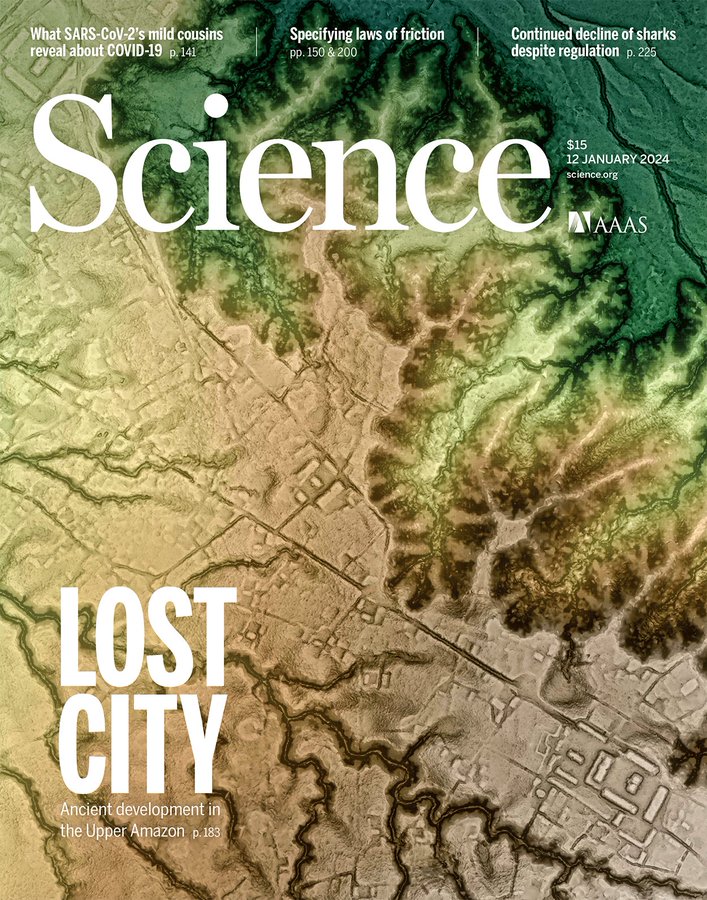

The hottest year was even hotter than expected
Greenhouse gases, El Niño, and cleaner air fueled record heat in 2023
Tectonic plate under Tibet may be splitting in two
Peeled-apart Indian Plate could be affecting earthquake hazards

Greenhouse gases, El Niño, and cleaner air fueled record heat in 2023
Peeled-apart Indian Plate could be affecting earthquake hazards

Scientists are devising ways to edit the genomes of immune cells without having to extract them from the people being treated.
A massive quake that triggered tsunamis, fires and multiple aftershocks was the largest on the country’s west coast in more than a century.
Studies of the microbes living on and in our bodies are conducted mainly in a few rich countries, squandering opportunities to improve the health of people globally.
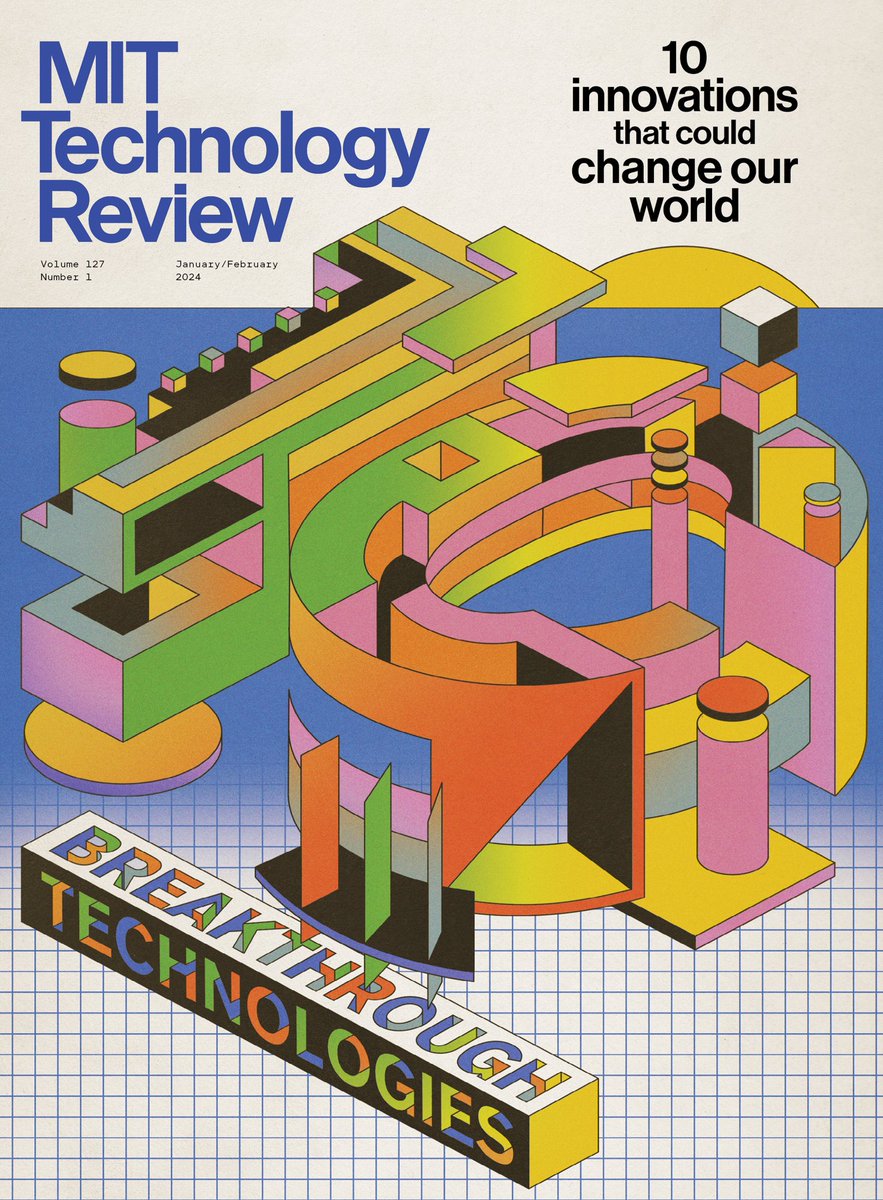

Every year, we look for promising technologies poised to have a real impact on the world. Here are the advances that we think matter most right now.

We now live in the age of AI. Hundreds of millions of people have interacted directly with generative tools like ChatGPT that produce text, images, videos, and more from prompts. Their popularity has reshaped the tech industry, making OpenAI a household name and compelling Google, Meta, and Microsoft to invest heavily in the technology.
Solar power is being rapidly deployed around the world, and it’s key to global efforts to reduce carbon emissions. But most of the sunlight that hits today’s panels isn’t being converted into electricity. Adding a layer of tiny crystals could make solar panels more efficient. WHY IT MATTERS
Apple will start shipping its first mixed-reality headset, the Vision Pro, this year. Its killer feature is the highest-resolution display ever made for such a device. Will there be a killer app? It’s early, but the world’s most valuable company has made a bold bet that the answer is yes. WHY IT MATTERS
The global rise in obesity has been called an epidemic by the World Health Organization. Medications like Mounjaro and Wegovy are now among the most powerful tools that patients and physicians have to treat it. Evidence suggests they can even protect against heart attacks and strokes. WHY IT MATTERS
Specific brain pathways can lower or raise the willingness of monkeys to take risks
Rethink of familiar object may boost odds that its name, offensive to some, will be changed
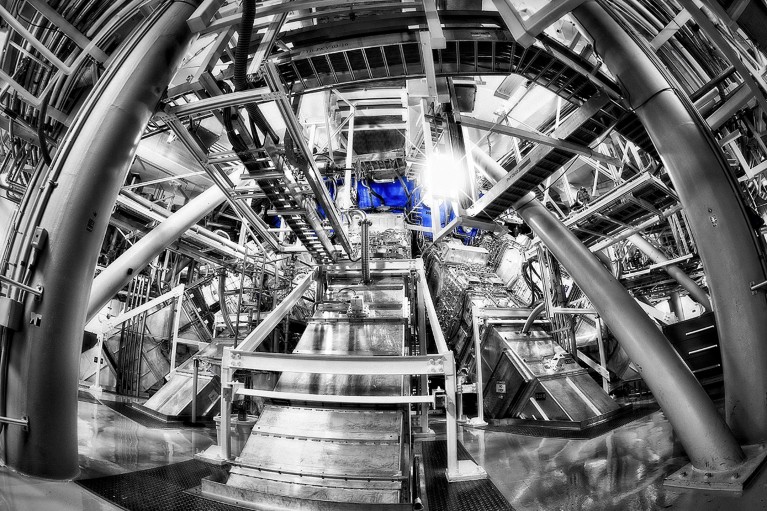
Researchers at the National Ignition Facility are consistently creating reactions that make more energy than they consume.
In December 2022, after more than a decade of effort and frustration, scientists at the US National Ignition Facility (NIF) announced that they had set a world record by producing a fusion reaction that released more energy than it consumed — a phenomenon known as ignition. They have now proved that the feat was no accident by replicating it again and again, and the administration of US President Joe Biden is looking to build on this success by establishing a trio of US research centres to help advance the science.

Large language model improves on efforts to solve combinatorics problems inspired by the card game Set.
The card game Set has long inspired mathematicians to create interesting problems.
Now, a technique based on large language models (LLMs) is showing that artificial intelligence (AI) can help mathematicians to generate new solutions.

A ghostly quasiparticle rooted in a century-old Italian mystery could unlock quantum computing’s potential—if only it could be pinned down
Preference for cash and privacy fears deterred bitcoin adoption in El Salvador.
Encapsulated aerogel fibers offer thermal insulation, breathability, and strength
Looking back a century reveals how much the research landscape has changed
Winds triggered by climate change sweep cold air down from the summit of Mount Everest and other Himalayan peaks, leading to a cooling trend.
The poster child for generative AI software is a startling human mimic. It represents a potential new era in research, but brings risks.

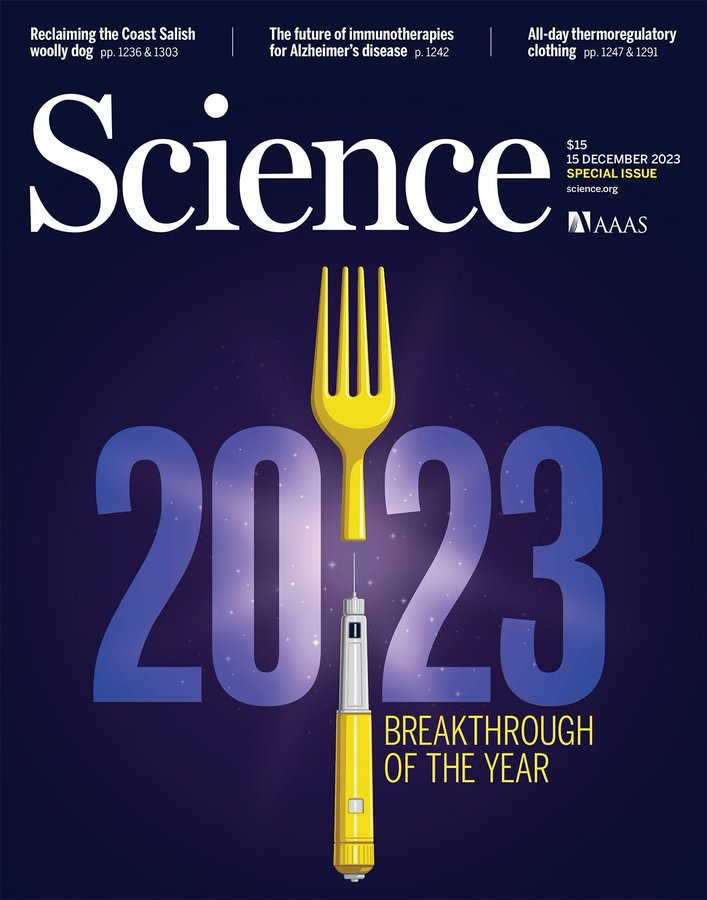

Blockbuster weight loss drugs show promise for a wider range of health benefits
Obesity plays out as a private struggle and a public health crisis. In the United States, about 70% of adults are affected by excess weight, and in Europe that number is more than half. The stigma against fat can be crushing; its risks, life-threatening. Defined as a body mass index of at least 30, obesity is thought to power type 2 diabetes, heart disease, arthritis, fatty liver disease, and certain cancers.
Medicine has had little to offer the tens of millions of people worldwide with Alzheimer’s disease, and the few approved treatments have only targeted symptoms. But in January, U.S. regulators greenlit the first drug that clearly, if modestly, slows cognitive decline by tackling the disease’s underlying biology; a second, related treatment is close behind. Neither comes close to a cure, and both have serious risks, but they offer new hope to patients and families.

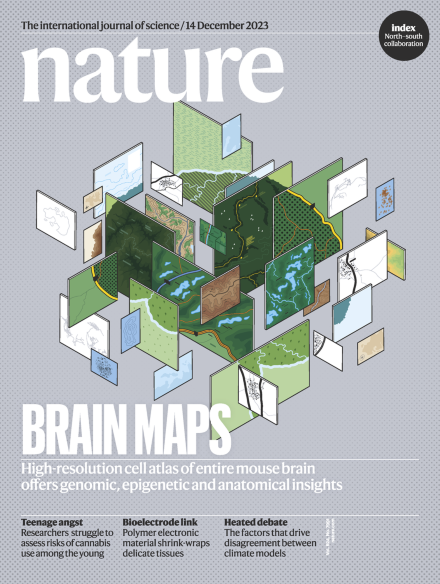
Generating a complete multimodal cell census and atlas of the mouse brain through collaborative data collection, tool development and analysis.
The western coast of Colombia can get more than 26 metres of rain a year, thanks to the influence of air jets hitting the Andes range.
The extravagantly feathered Seychelles paradise flycatcher lacks genetic diversity, which might hamper its resilience to climate change and other threats.
 Boomers Daily