We discuss the future of Libya and whether stability is any closer after yesterday’s Berlin conference. Then, what does the striking down of voting rights legislation mean for bipartisanship during Biden’s presidency?
According to a speech scheduled to be delivered today, the Director of the National Economic Council, Brian Deese, will say the economic disruption of the pandemic shows that America needs an industrial policy that invests in more manufacturing jobs.
Plus, the Biden administration says it won’t meet its July 4th COVID vaccination goal.
And, what you need to know one month ahead of the Tokyo Olympics.
The merest mention of future interest-rate rises from America’s central bank sent markets into a tizzy. We consider the merits and the effects of signalling early and often.
Europe’s drug use dipped when the pandemic began, but soon rebounded; we examine the rising potency of the continent’s drugs and drug syndicates. And data reveal what makes work-from-home productivity so low.
A selection of three essential articles read aloud from the latest issue of The Economist. This week: how to stop the ransomware pandemic, America and Russia return to traditional great-power diplomacy (10:15) and picking the best days to work from home (19:20).
The weekend’s top discussion topics with Georgina Godwin: Charles Hecker with the newspapers, Monocle editor in chief Andrew Tuck’s column and a report on the resurrection of one of Europe’s grandest rail routes.
A look ahead to the weekend’s regional election in France, a look at the state of US foreign policy after an eventful week for president Biden, plus the renaissance of night trains in Europe.
Joe Biden and Vladimir Putin have much to hammer out today—but don’t expect it to be genial. We examine what is on the table, and how each president will be judged.
Competition in the cryptocurrency world is mushrooming; we ask whether any contender might knock bitcoin off its top slot. And France’s curious sell-now, die-later property scheme.
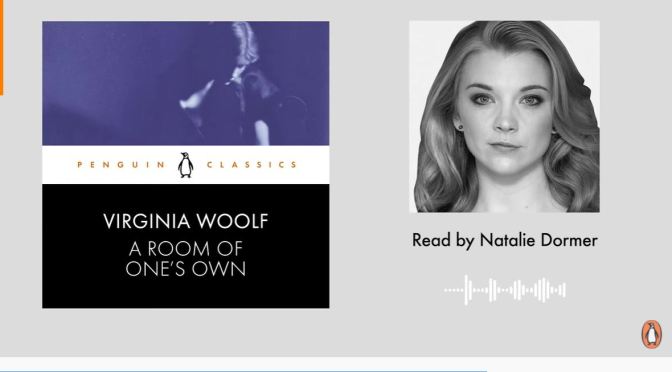
A Room of One’s Own, based on a lecture given at Girton College Cambridge, is one of the great feminist polemics. Woolf’s blazing writing on female creativity, the role of the writer, and the silent fate of Shakespeare’s imaginary sister remains a powerful reminder of a woman’s need for financial independence and intellectual freedom. This Penguin Classic is performed by Natalie Dormer, best known for her standout role as Queen Margaery in Game of Thrones, as well as her roles in The Hunger Games and Captain America: The First Avenger.
News, Views and Reviews For The Intellectually Curious




 Boomers Daily