
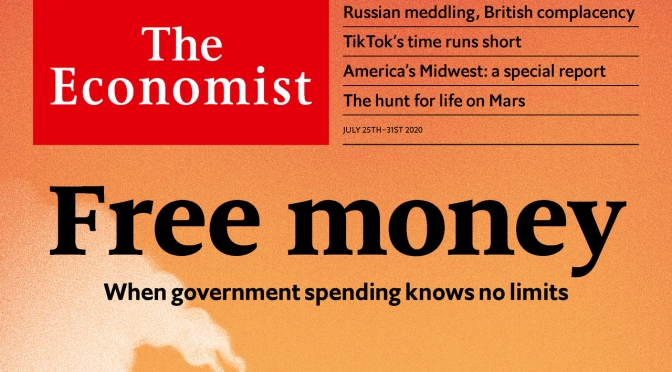
A selection of three essential articles read aloud from the latest issue of The Economist. This week, the new era of macroeconomics; (9:25) the EU after striking a huge deal; (17:00) and the challenges for Mexico as its youth departs.
Category Archives: News
Sunday Morning Podcast: News From Switzerland, London And Tokyo
 Monocle’s Markus Hippi is joined by a line-up of guests from Switzerland, London and Tokyo for the weekend’s liveliest discussion.
Global News Podcast: States File More Lawsuits, Spain’s New Lockdown
 NPR News Now discusses continued criticism of federal agents in states, Spain’s new lockdown measures and other international news.

Political News: “Shields & Brooks” Discuss The 2020 Presidential Election (PBS)
Syndicated columnist Mark Shields and New York Times columnist David Brooks join Judy Woodruff to discuss the week in politics, including how declining support for President Trump is shifting the momentum in several key Senate races toward Democrats, Trump’s decision to send federal forces into cities experiencing protests, Republican inaction on the pandemic and the legacy of John Lewis.
World News Podcast: Unemployment In America Rises, China Tensions And South Korean Recession
 The Economist reports on the rise of American unemployment, tensions with China and South Korea falls into recession.
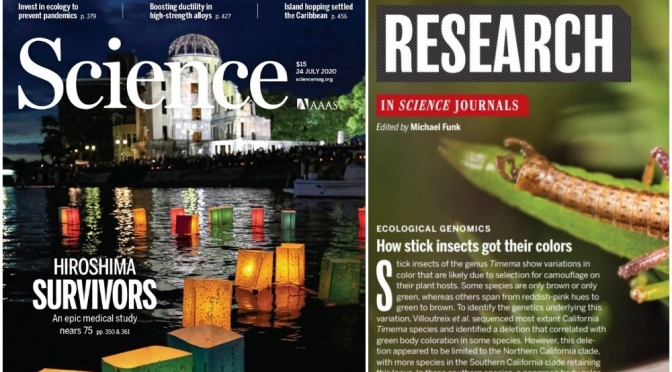
TOP JOURNALS: RESEARCH HIGHLIGHTS FROM SCIENCE MAGAZINE (JULY 24, 2020)
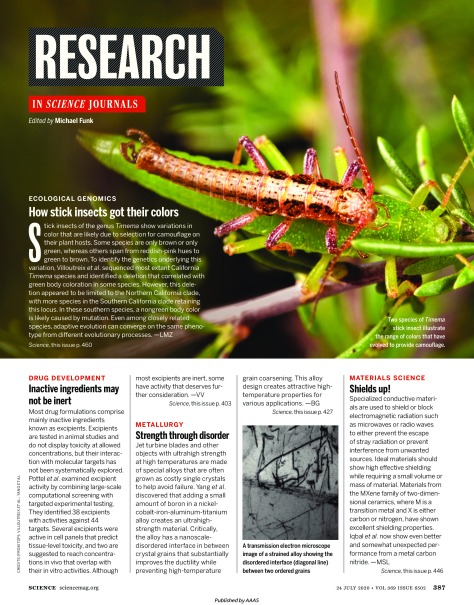
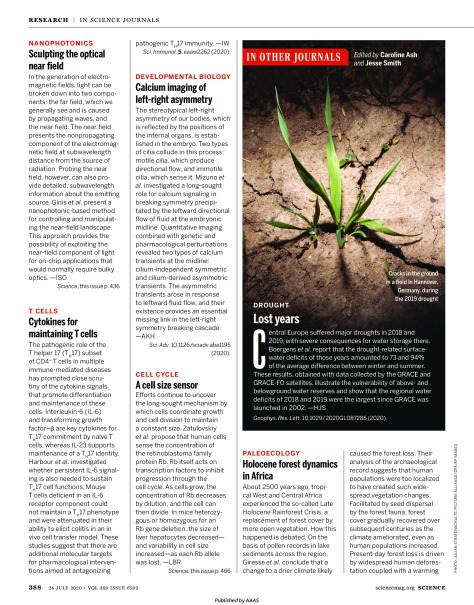
Top New Science Podcasts: Hiroshima Radiation Rules & Ocean Plastic Pollution
 Contributing Correspondent Dennis Normile talks about a long-term study involving the survivors of the Hiroshima and Nagasaki bombings. Seventy-five years after the United States dropped nuclear bombs on the two cities in Japan, survivors are still helping scientists learn about the effects of radiation exposure.
Also this week, Sarah talks with Winnie Lau, senior manager for preventing ocean plastics at Pew Charitable Trusts about her group’s paper about what it would take to seriously fight the flow of plastics into the environment. This week’s episode was produced with help from Podigy.

Morning News Podcast: Federal Agents, Herd Immunity & Public Lands
NPR News reports on Federal Agents being sent to states to stem violent crime, Covid-19 and the possibilities for ‘natural herd immunity, federal funding for public lands and more.
Top New Science Podcasts: First Humans In Americas, Covid-19 And Green Frogs
 When did people arrive in the Americas? New evidence stokes debate. New evidence may push back the date on human arrival to the Americas, and an examination of science’s flaws.
In this episode:
00:59 Ancient Americans
Two papers suggest that humans were present in the Americas thousands of years before many people have thought. We examine the evidence. Research Article: Ardelean et al.; Research Article: Becerra-Valdivia and Higham; News and Views: Evidence grows that peopling of the Americas began more than 20,000 years ago
10:44 Coronapod
We discuss the latest results from vaccine trials around the world, and controversy in the US as COVID-19 data collection moves out of the CDC. News: Coronavirus vaccines leap through safety trials — but which will work is anybody’s guess
24:38 Research Highlights
How being green makes things easy for some frogs, and how waves will be affected by climate change. Research Highlight: How frogs became green — again, and again, and again; Research Highlight: Extreme Arctic waves set to hit new heights
27:11 How can science improve?
A new book highlights some of the flaws of how science is done. We caught up with the author to find out his thoughts on how science can be cleaned up. Books and Arts: Fraud, bias, negligence and hype in the lab — a rogues’ gallery
35:54 Briefing Chat
We take a look at some highlights from the Nature Briefing. This time we discuss a puzzling new insight into the expansion of the Universe, and an update to Plan S that will allow open-access research to be published in any journal. Nature News: Mystery over Universe’s expansion deepens with fresh data; Nature News: Open-access Plan S to allow publishing in any journal
Morning News Podcast: Families Form ‘Schooling Pods’, Coronavirus Safety And Washington Redskins
 Many school districts are still debating whether to go with a virtual, in classroom or hybrid education model for the year, but some families are taking their children’s education into their own hands. Neighbors are banding together to form schooling “pods” with private instructors as a way to secure child care and make sure their kids don’t fall behind in school.
But this trend could deepen the educational divide along racial and class lines.
- President Trump changes tact on Coronavirus safety
- Re-branding the Washington Redskins
Guests: Axios’ Caitlin Owens, Margaret Talev, and Kendall Baker.
 Boomers Daily