Category Archives: Medicine

Technology Quarterly – The Economist (July 2023)

Image

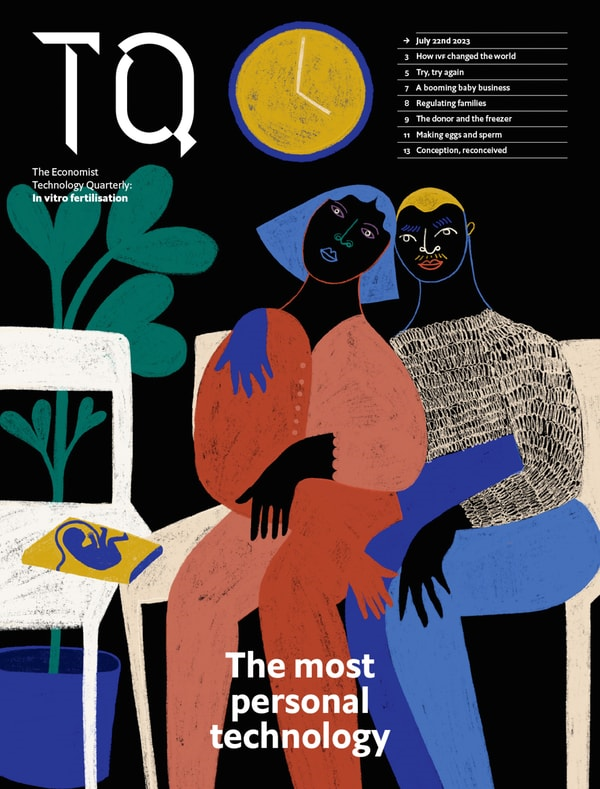
TECHNOLOGY QUARTERLY (JULY 22ND 2023) The most personal technology. Demand for, and expectations of, in vitro fertilisation are growing. The technology is struggling to keep up, write Catherine Brahic and Sacha Nauta.

In vitro fertilisation is struggling to keep up with demand

Developing the technology to change that is proving a difficult task

With the possible exception of Adam and Eve, all human beings born before 1978 were conceived inside a woman’s body. Today the world contains at least 12m people who started off in laboratory glassware. On average, four more are born every three minutes. That is a worldwide rate of roughly one newborn in 175.

IVF remains largely a numbers game

And plenty of clinics are taking advantage: the second of seven articles on the technology of fertility

Most healthy young couples seeking to get pregnant will try for a few months before they are successful. Those who are not will try for months more, or years, before concluding they need help and stepping into the waiting room of an ivf clinic. They often arrive in a state of acute emotional vulnerability, clutching at the hope that doctors will help.

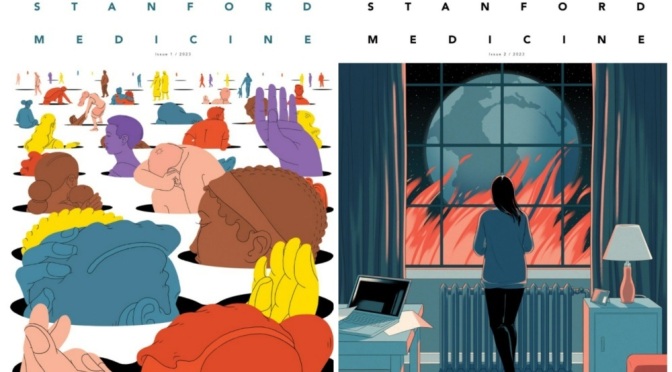
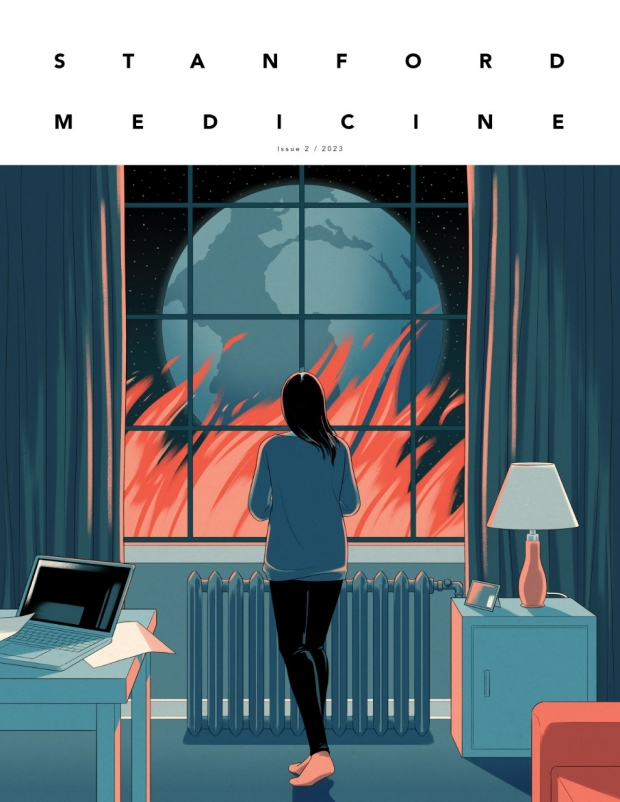
Cover: Stanford Medicine Magazine – Summer 2023

Image

Stanford Medicine Magazine (Summer 2023) – The new issue of Stanford Medicine magazine explores how the environment and health interact — and ways to counter negative impacts.

Special delivery – mRNA moves past COVID-19

Cover for Special delivery

Catastrophe occasionally apologizes for itself by coughing up a consolation prize. World War II gave us penicillin. So, let’s count our blessings.

By Bruce Goldman

The COVID-19 pandemic, from which we’re still struggling to emerge, has expanded our working vocabulary, gifting the public lexicon with new, if admittedly mostly gloomy, words and concepts. (Examples: spike protein, intubation, N95, rapid antigen test.) We may not flood our speech with these terms, but we’re at least passingly familiar with them now.

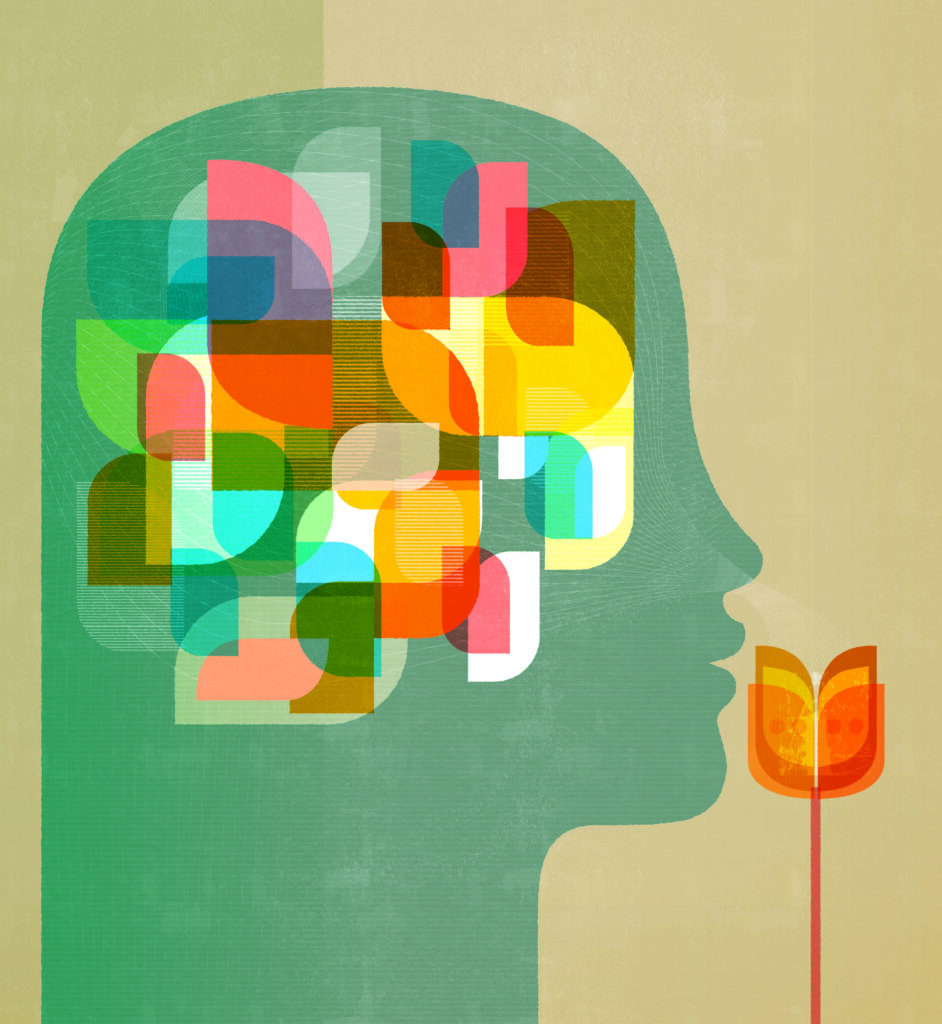
Sniff – Making sense of smell

Cover for Sniff

Among the human senses, smell — or more formally, olfaction — is often considered the most dispensable. In a recent survey, 1 in 6 college students said they would rather lose their sense of smell than their little left toe, and 1 in 4 would forgo their sense of smell to keep their phone.

By Nina Bai

But for people who’ve found themselves suddenly unable to smell — a more common predicament since the COVID-19 pandemic — the loss can be surprisingly, profoundly devastating.

Health: How The Pandemic Reshaped American Life

Image

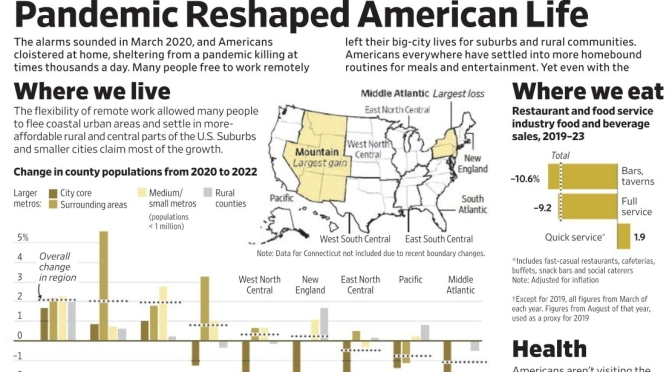
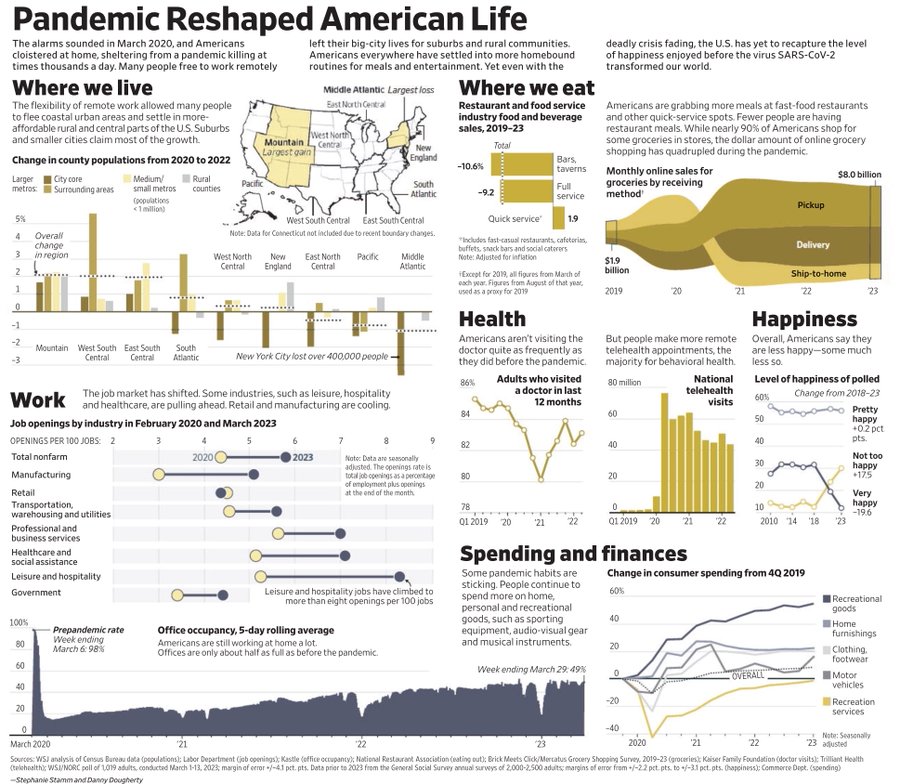
Wall Street Journal (May 5, 2023) – The alarms sounded in March 2020, and Americans cloistered at home, sheltering from a pandemic killing at times thousands a day. Many people free to work remotely left their big-city lives for suburbs and rural communities. Americans everywhere have settled into more homebound routines for meals and entertainment. Yet even with the deadly crisis fading, the U.S. has yet to recapture the level of happiness enjoyed before the virus SARS-CoV-2 transformed our world.

READ MORE AT WSJ

Healthcare: The Digital Medicine Revolution

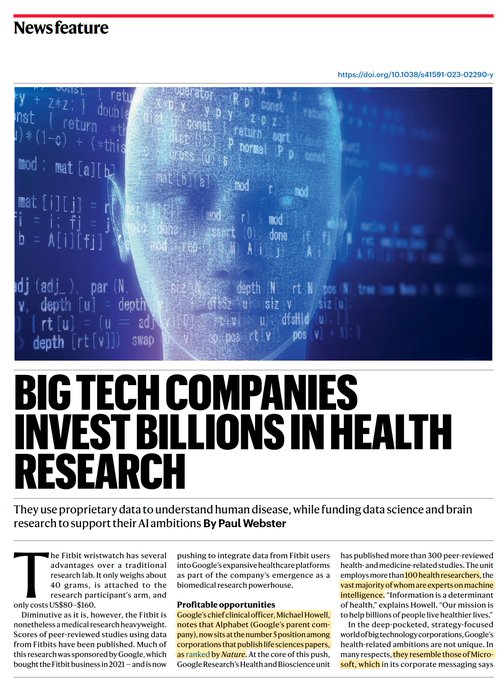
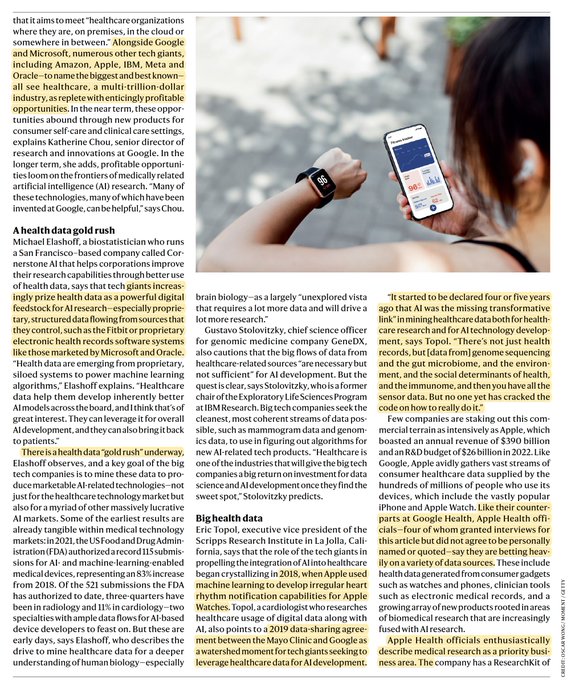
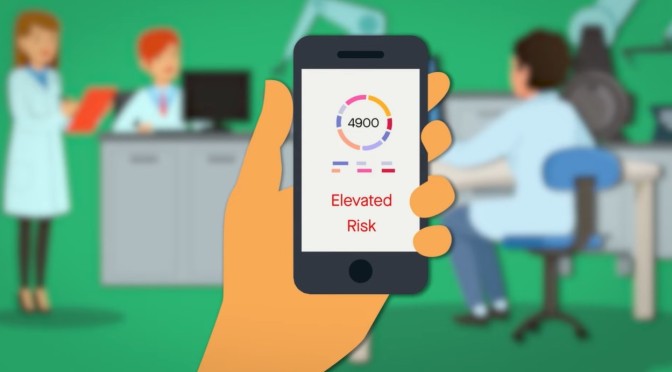
Scripps Research (April 11, 2023) – From smartwatches and fitness bands to glucose monitors and in-home ultrasounds, the proliferation of digital devices is igniting a revolution in healthcare and medical research.

Patients can now collect thousands of data points about themselves and share that information with their healthcare providers. At the Scripps Research Translational Institute, researchers are taking advantage of new technology to study disease in novel ways.

Their projects include a platform for early detection of disease outbreaks, a sleep quality study, and even a way to predict and individual’s risk of certain disease based on their genetics. In this video, hear directly from the team about this exciting new frontier.

READ MORE

BIPOLAR DISORDER: HOW IT IS DIAGNOSED & MANAGED

Cleveland Clinic (April 6, 2023) – About 5.7 million adults in the U.S. have bipolar disorder. The lifelong mental health condition, which includes four different types, is known for the maniac and depressive episodes someone experiences.

Chapters: 0:00 Intro 0:26 What is bipolar disorder? 0:50 What does a manic episode feel like? 1:18 What does a depressive episode feel like? 2:00 How to manage bipolar disorder

What is bipolar disorder?

Bipolar disorder (formerly known as manic-depressive illness or manic depression) is a lifelong mood disorder and mental health condition that causes intense shifts in mood, energy levels, thinking patterns and behavior. These shifts can last for hours, days, weeks or months and interrupt your ability to carry out day-to-day tasks.

There are a few types of bipolar disorder, which involve experiencing significant fluctuations in mood referred to as hypomanic/manic and depressive episodes. However, people with bipolar disorder aren’t always in a hypomanic/manic or depressive state. They also experience periods of normal mood, known as euthymia.

READ MORE at Cleveland Clinic

Public Health: The Rise Of The Deadly Fungi (WSJ)

Daniela Hernandez | WSJ (March 24, 2023): HBO’s The Last of Us previews what a fungal apocalypse might look like. While scientists aren’t worried about the Cordyceps fungus taking us out IRL, deaths due to severe fungal infections are going up and raising alerts from public-health agencies.

Video timeline: 0:00 Fungal infections kill an average of 1.6 million people per year 0:30 How climate change has aided in fungi production 2:11 Infectious fungi are more dangerous for compromised immune systems 2:42 Why there are limited treatment options for fungal infections 3:29 How worried should you be about fungi?

I explain three big reasons why the next big health threat might come from a fungus.

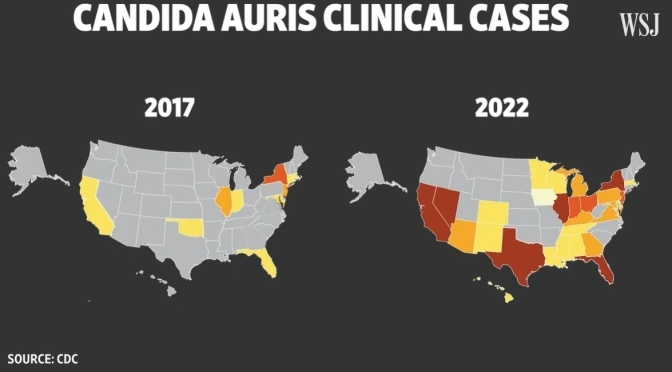
Candida auris is an emerging fungus that presents a serious global health threat. CDC is concerned about C. auris for three main reasons:

  1. It is often multidrug-resistant, meaning that it is resistant to multiple antifungal drugs commonly used to treat Candida infections. Some strains are resistant to all three available classes of antifungals.
  2. It is difficult to identify with standard laboratory methods, and it can be misidentified in labs without specific technology. Misidentification may lead to inappropriate management.
  3. It has caused outbreaks in healthcare settings. For this reason, it is important to quickly identify C. auris in a hospitalized patient so that healthcare facilities can take special precautions to stop its spread.

Immunity: How T Cells And B Cells Fight Infections

nature video (March 15, 2023) – Lymphocytes are immune cells that play vital roles in fighting infections. The most well-known lymphocytes are the T cells and B cells of the adaptive immune system. In the 1950s and 1960s, scientists performed experiments to follow lymphocytes on their journey around the body, which helped us to work out where they go and what they do.

This work laid the foundation for everything we know about T cells today, including how they become activated to fight infections and how they form memory populations that provide long-lasting immunity.

Medicine: AI Verifies ‘Brain Age’ To Detect Alzheimer’s

National Science Foundation (March 13, 2023) – Harnessing the power of AI, researchers calculate our brain’s age leading to earlier detection of Alzheimer’s and other cognitive diseases.

Researchers at USC have developed a new artificial intelligence model that more accurately captures brain age. This study could result in earlier detection of Alzheimer’s and other cognitive diseases and provide important information about how quickly our brains age.

READ MORE