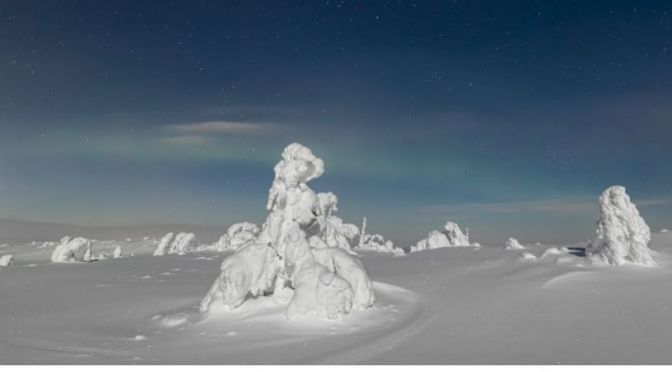
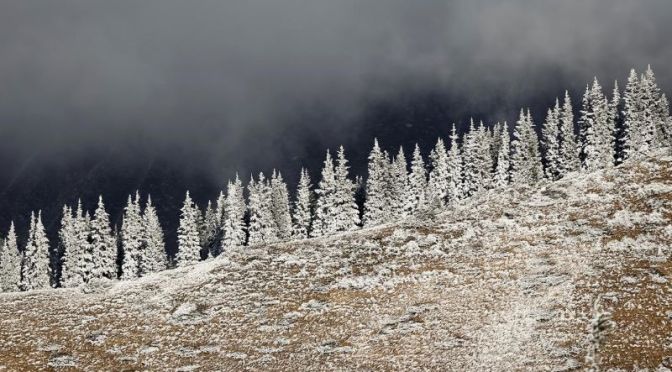
We spent the darkest week of the year – the Christmas week – up North in Lapland admiring the snowy sceneries and making the most out of the little daylight we got each day. As it was the polar night, the sun didn’t rise at all.
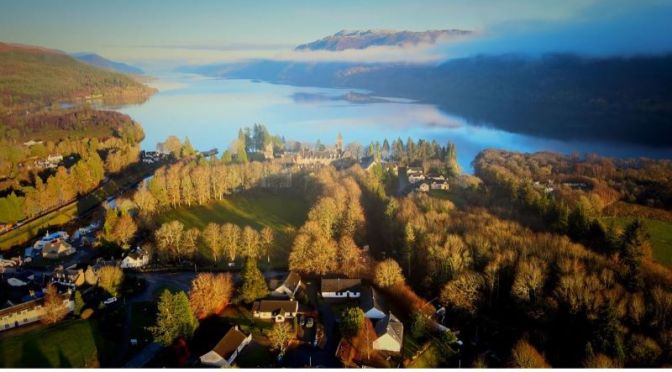
A collection of footage from Rùm, Canna and Fort Augustus from my tour in 2020.
Rùm, a Scottish Gaelic name often anglicised to Rum, is one of the Small Isles of the Inner Hebrides, in the district of Lochaber, Scotland.
Canna is the westernmost of the Small Isles archipelago, in the Scottish Inner Hebrides. It is linked to the neighbouring island of Sanday by a road and sandbanks at low tide. The island is 4.3 miles long and 1 mile wide. The isolated skerries of Hyskeir and Humla lie 6.2 miles south-west of the island.
Fort Augustus is a settlement in the parish of Boleskine and Abertarff, at the south-west end of Loch Ness, Scottish Highlands. The village has a population of around 646. Its economy is heavily reliant on tourism.
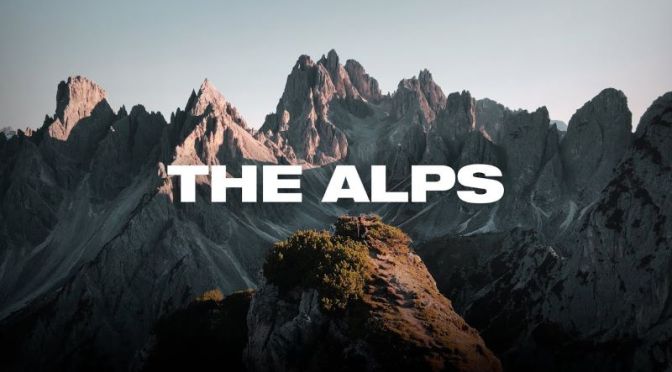
Beautiful landscapes and mountains. We scheduled a 2 weeks trip through Germany, Austria, Italy and Switzerland.
During this epic road trip, we have explored some of the most beautiful places in the Alps region. Some places we visited: • Berchtesgaden (Germany) • Hallstatt (Austria) • Schladming Tauern (Austria) • Cadini Di Misurina (Italy) • Seceda (Italy) • Ischgl (Austria/Switzerland) • Appenzell (Switzerland)
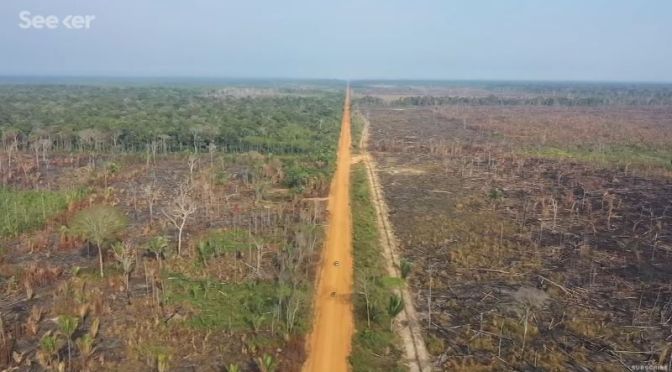
New research suggests that if the current rate of deforestation continues, the Amazon rainforest could transform into a savannah within 15 years. Do we have time to stop it?
The Amazon basin spans over 6 million square kilometers, and is home to one-fifth of the world’s land species. In addition, it supports the 30 million people who live and depend on the land as a source of food, medicine, and shelter. That’s not even including the key role it plays in regulating the regional AND global climate.
Trees absorb water through their roots and transport it to their leaves, where it’s released as vapor through small pores in a process called transpiration. As the water vapor rises and condenses, it forms rain clouds over the forest canopy. Basically, the rainforest is making its own weather. For example, one large tree can release 1,000 liters of water into the atmosphere in a single day.
The rainforest recycles this water up to six times before it moves out of the region, but as more trees are cut down, those that remain may not be able to recycle enough water to survive. Less trees means more sunlight will hit the forest floor, exposing the forest to higher temperatures. Since deforestation began accelerating in the 1970’s, 800,000 square kilometers of the Amazon have been lost. And over that same period, the average temperature of the basin has risen by 1 degree Celsius.
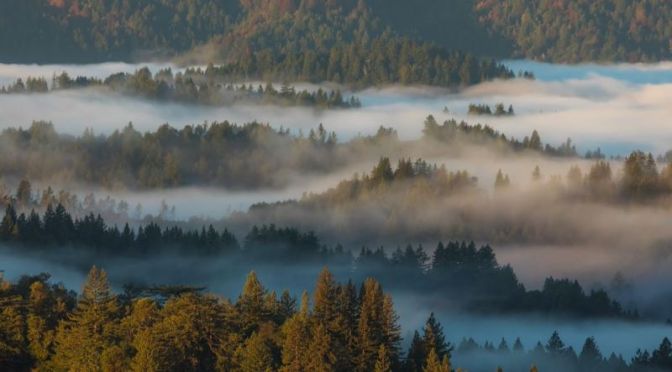
In July 2020 we moved to our new home in the Santa Cruz Mountains. We’re lucky to have an extraordinary view to the west, and I find so much inspiration in the changing weather and light that the view affords. I have especially cherished it this year since we have been spending nearly all of our time at home. I created this timelapse reel to capture the beauty and dynamism of the Santa Cruz Mountains, but I also felt that timelapse was an apt medium for capturing this time-bendingly strange year. I hope you enjoy it.
The Santa Cruz Mountains, part of the Pacific Coast Ranges, are a mountain range in central and northern California, United States. They form a ridge down the San Francisco Peninsula, south of San Francisco.
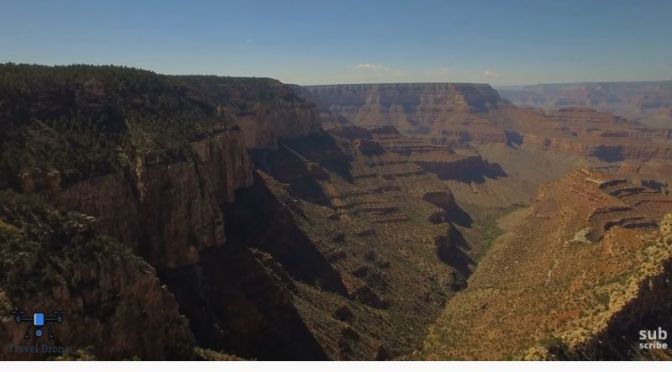
The Grand Canyon is a steep-sided canyon carved by the Colorado River in Arizona, United States. The Grand Canyon is 277 miles (446 km) long, up to 18 miles (29 km) wide and attains a depth of over a mile (6,093 feet or 1,857 meters).
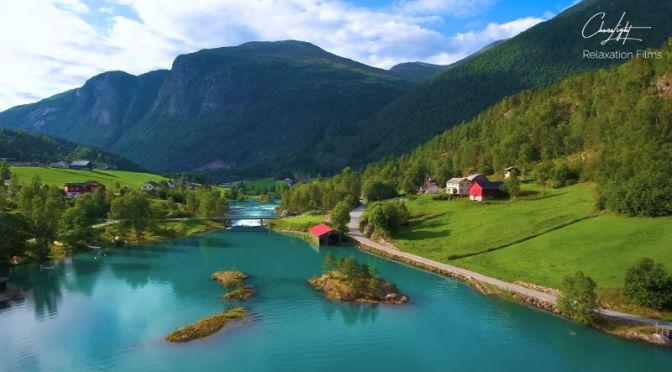
Lovatnet is a lake in the municipality of Stryn in Vestland county, Norway. It is located about 2 kilometers southeast of the village of Loen and about 6 kilometers east of the village of Olden. The lake lies just 2 kilometers southwest of the mountain Skåla.


 Boomers Daily