
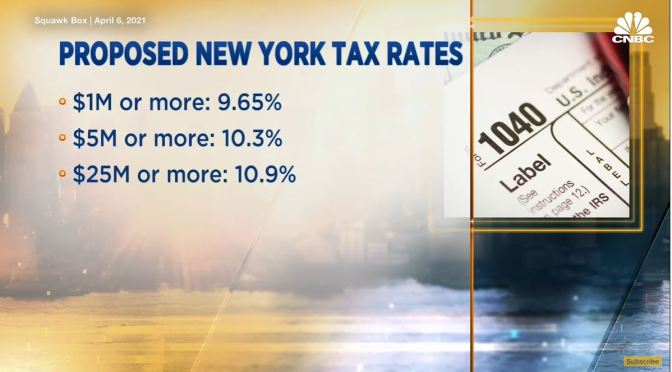
To balance their budgets during the coronavirus pandemic, states including New Jersey and New York have raised taxes on the wealthy. Conservatives warn that it will cause many of those who left at the onset of the pandemic make those moves permanent since they’re no longer bound to the physical locations of their offices or their children’s schools. But available data from 2020 show that the so-called exodus wasn’t as pronounced as initially projected, and the urban exit that did happen, was to suburbs rather than low tax states.
Category Archives: Finance

Cryptocurrencies: ‘What Coinbase’s Listing Means’
The listing of Coinbase, the largest bitcoin exchange in the U.S., introduces a new way to invest in cryptocurrencies. WSJ explains how Coinbase is trying to distance itself from the risks of bitcoin to succeed on Wall Street. Photo illustration: George Downs
Finance: ‘What To Know About 2020 Tax Returns’
The coronavirus pandemic disrupted the global economy in ways that may affect your 2020 taxes. WSJ tax reporter Richard Rubin shares his tips for this unusual tax season. Photo illustration:Laura Kammermann
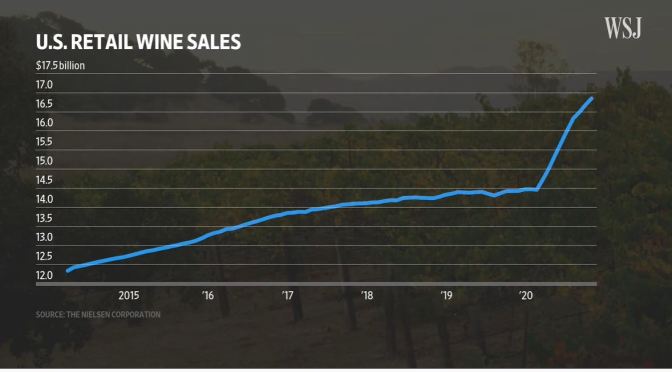
Analysis: Why California Winemakers Go Public
Two California wine companies are going public this spring, the first major wineries to do so since the late 1990s. Winemakers explain the lessons of past stock offerings from wineries like Mondavi and Ravenswood and why they think the time is now right to join the IPO fray. Photo: Jake Nicol/WSJ

Retirement: Paying Less Taxes On Social Security
Social Security benefits are federally taxed at three different tiers. The amounts depend on your income, marriage status and whether you file jointly or separately. Paying less in taxes can come down to how much money you pull out of your retirement accounts in a given year. Watch this video for tips on how to pay less in taxes on your Social Security benefits.

Cryptocurrency: The Challenges Facing New ‘Stablecoins’ (WSJ Video)
Bitcoin’s volatility has limited its adoption for payments, so entrepreneurs created stablecoins: cryptocurrencies pegged to assets such as the U.S. dollar. But the recent settlement of a probe into the most popular stablecoin, tether, shows the need for transparency in the growing industry. Photo illustration: Sharon Shi/WSJ

Retirement: ‘How 401(K) Plans Work’ (Video)
Since 1980, pensions plans have been phased out in favor of 401(k) plans. They now represent nearly one-fifth of the U.S. retirement market. So how did 401(k) plans become such a popular form of retirement savings and how should they be used? Watch the video to find out.
Analysis: Will U.S. Stimulus Checks Cause Inflation?
The IRS sent roughly 90 million stimulus checks to Americans in March. WSJ’s chief economics commentator Greg Ip explains why stimulus checks alone are unlikely to spur inflation. Photo Illustration: Carlos Waters

Stock Market: ‘GameStop & Payment For Order Flow’
Following the GameStop trading frenzy, the SEC is expected to take a fresh look at payment for order flow, a decades-old practice that’s at the heart of how commission-free trading works. WSJ explains what it is, and why critics say it’s bad for investors. Illustration: Jacob Reynolds/WSJ

Retirement: How To Get To $75K/Yr In Passive Income
If you can save enough money now, you can fund your retirement by living off of your returns without draining your nest egg. Luckily, with time and dedication, you can make it happen. The official retirement age for most Americans is 67 years old. But that number largely matters for Social Security benefits. If you want to retire early, however, you will need a plan that relies primarily on your own savings and investments. CNBC crunched the numbers, and we can tell you how much you need to save now to safely get $75,000 of passive income every year in retirement. First, some ground rules. The numbers assume you will retire at 45, have no money in savings now and plan to save a substantial amount of income to reach your goal. For investing, we assume an annual 4% return when you are saving. We do not factor in inflation, taxes or any additional income you may get from Social Security and your 401(k). In retirement, we use the “4% rule,” which is a general principle that says you can comfortably withdraw 4% of your portfolio every year. It is important to note with the recent market volatility, there is a risk you’ll have to lower your spending percentage in the future. Check out this video to get a full breakdown of the numbers.
 Boomers Daily