
From BBC Travel article by Julia Hammond:
 “As the newly opened Coney Island and Brooklyn Railroad brought many more people to the seaside from Manhattan in the late 1860s, customers told Feltman that they wanted to eat hot food, not cold clams, according to Richard F Snow, the former editor of American Heritage Magazine. So in 1867, Feltman called on the wheelwright who’d originally made his cart and asked him to modify it. The craftsman built a custom charcoal brazier for cooking sausages and a metal box for warming bread.”
If there’s any food that represents Americana, it’s the humble hot dog. Today, these bunned frankfurters are sold at every baseball game, grilled at nearly every backyard barbecue and available at roadside convenience stores from the Carolinas to California. In fact, this most archetypal of American foods originated as the US started to stitch itself back together in the 1860s following the American Civil War and forge its new identity. But while you can now find these seasoned sausage sandwiches across the American heartland, the hot dog’s iconic home is on the boardwalk at New York’s Coney Island.
Read more by clicking link below:
http://www.bbc.com/travel/story/20190702-the-truth-about-the-us-most-iconic-food


 “More than just demonstrating its ability to create 3D printed houses, the SRTI Park project also aims to reduce costs associated with construction. CyBe’s concrete 3D printers are developed for flexibility and speed—walls can be 3D printed in a single day—and do away with many of the costs of traditional construction methods.”
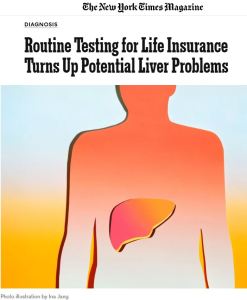 “The doctor asked whether he was sure that he had not taken anything else when he was sick? No acetaminophen? No herbs or supplements? The man was certain. Moreover, his labs were abnormal even before he took the antibiotics. The doctor hypothesized that the man’s liver had been a little inflamed from some minor injury — maybe a virus or other exposure — and the antibiotic, which is cleared through the liver, somehow added insult to injury.”


 New York Times columnist David Brooks and Washington Post columnist Karen Tumulty join Judy Woodruff to analyze the week’s political news, including President Trump’s Fourth of July celebration, political and cultural implications of the crowded detention centers on the U.S.-Mexico border and the latest dynamics within the race for the 2020 presidential nomination.
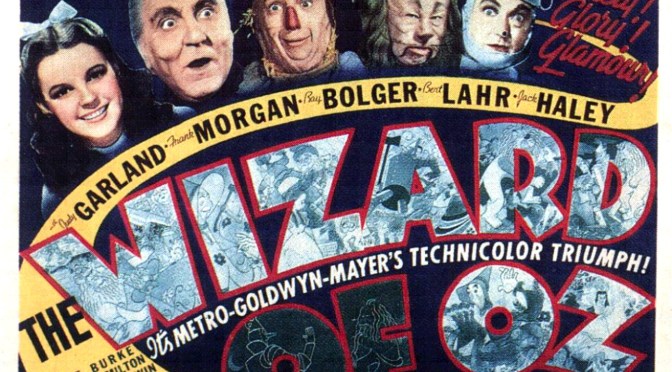
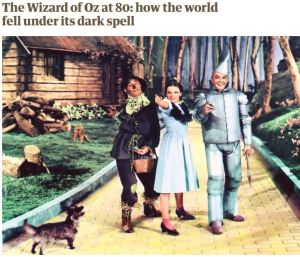 “…from Elton John’s albumGoodbye Yellow Brick Road to the Coen brothers’ O Brother, Where Art Thou?, which owes as much to Oz as it does to Homer’s Odyssey. Joel Coen once said: “Every movie ever made is an attempt to remake The Wizard of Oz.” In his 1992 essay about Fleming’s film, Salman Rushdie describes it as his “very first literary influence”. It was one of Derek Jarman’s favourite movies, and among the first he ever saw. (This is the key to its influence: the fact that everyone watches it in childhood. It seeps into your unconscious and stays there.) And there are the spin-offs, sequels and prequels – The Wiz, Return to Oz, Oz the Great and Powerful, Wicked.”
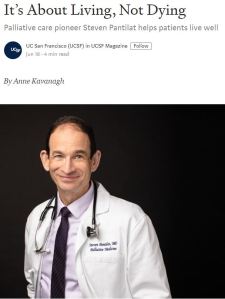 “Doctors and patients are increasingly recognizing the benefits of palliative care. People want care that helps them live as well as possible for as long as possible. Once people learn what palliative care is, they want it. So we’re training experts to meet this growing demand. We have one of the largest fellowship programs in the state, and we also train nursing students, medical students, and residents. We want all clinicians to know the basics of palliative care: how to manage pain, shortness of breath, and nausea and how to talk to patients about the things that matter most to them.”
 From time immemorial, an invariable feature of doctor–patient interaction has been that it takes place in person. But the status quo is changing. A large portion of patient care might eventually be delivered via telemedicine by virtualists, physicians who treat patients they may never meet.
 Boomers Daily