

From a VentureBeat.com online review:
 Kaia’s iOS and Android apps were developed with the help of physiotherapists, pain management physicians, orthopedic surgeons, and clinical psychologists, the company claims, and are registered as Class 1 medical devices with the Food and Drug Administration. They serve up video clips covering basic back and COPD pain information and step-by-step physiotherapy exercises, in addition to psychological strategies, such as mindfulness and muscle relaxation.
During each of the over 120 15-minute exercises, in-app computer vision models track connective points on the body through a device’s front-facing camera while an on-screen wireframe model illustrates the steps. Audio feedback informs users whether they’re performing exercises correctly and how they might improve, and a built-in chat tool allows them to consult with a physiotherapist or sports scientist on questions related to specific moves.
To read more: https://venturebeat.com/2019/09/17/kaia-raises-8-million-to-treat-chronic-pain-with-ai-guided-exercise/

 Revere’s place in history was cemented by
  The exhibition was organized by the
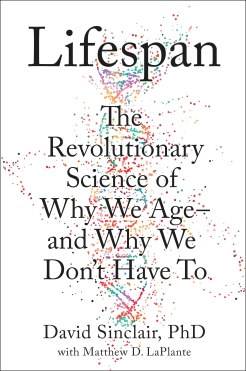 Lifespan, by geneticist David Sinclair and journalist Matthew LaPlante, provides a vision of a not-too-distant future in which living beyond 120 will be commonplace. For Sinclair and LaPlante, the answer lies in understanding and leveraging why we age…
 The presence of the inn itself demands this kind of myth-making. Its hulking imperfections, hidden staircases and infinite doorways, narrow pathways and intricate stonework, call to mind an honest, handmade world, where times were slower and things made to last. Rumors of its past are worn proudly on its proverbial sleeve — stripped wood where there once was a second floor balcony, prominently displayed plaques of historic register, mismatched sediments of historic photos, the speckled outline of a dart board and creaking floorboards. The front door was originally the back door because most guests arrived by boat.
 Boomers Daily