

The increase in longevity is disrupting the 20th-century retirement model. Our longer lifespans, though a blessing in many respects, has been a shock to the collective system. While Social Security and Medicare provide cushions, too few people have adequate savings and investment to support lifelong needs. The shift away from pensions and defined benefit plans has exacerbated insecurity. People need to work and earn longer to survive and thrive in a world of rapid change. As we come to grips with the opportunities and challenges of longer lives, what will 21st-century retirement look like? What policies and practices should be implemented to enhance wealth, health, and engagement for a better future?

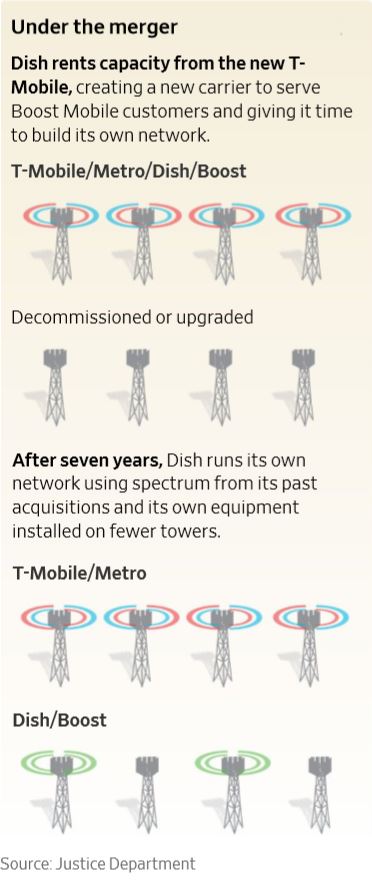 Mr. Ergen also argues wireless pricing is broken. He says U.S. carriers have many customers paying for unlimited data plans they don’t need, much as cable companies long forced subscribers to pay for big bundles of TV channels.
 Away from Lake Placid, Lake George and other more crowded regional hubs, are several smaller hamlets that provide access to a handful of exceptionally remote lakeside campgrounds reachable only by pontooned floatplanes. With round-trip charters typically priced at $150 or less per person, some of the most secluded frontiers of

 Chronic inflammation often begins with a similar cellular response but morphs into a lingering state that persists far longer. Toxins such as cigarette smoke or an excess of fat cells (especially around the belly area) can also trigger inflammation. So can the fatty plaque inside arteries, which causes inflammatory cells to cover and wall off the plaque from the flowing blood. But the plaque may rupture, mingle with blood, and form a clot. These clots are responsible for the majority of heart attacks and most strokes.
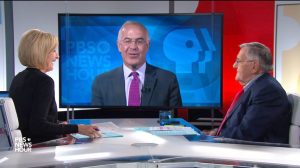 Syndicated columnist Mark Shields and New York Times columnist David Brooks join Judy Woodruff to discuss the week’s political news, including the aftermath of Robert Mueller’s congressional testimony, the current legislative landscape around election security, changing dynamics within the 2020 presidential race and the fiscal significance of the bipartisan budget deal.
 Boomers Daily