
Tag Archives: Willa Cather

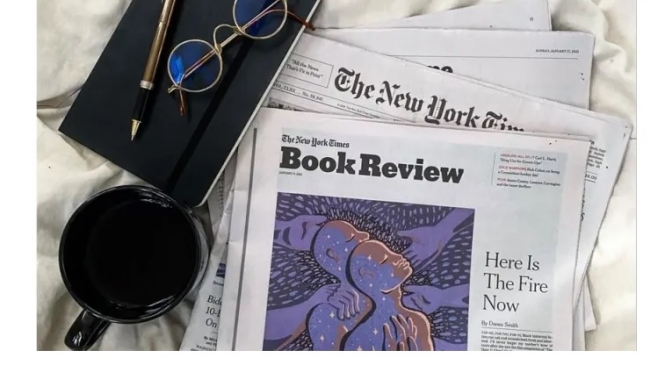
The New York Times Book Review – January 7, 2024

Image

THE NEW YORK TIMES BOOK REVIEW (January 5): The latest issue features ‘Read This And Learn’ – For decades, Juan Rulfo’s novel, “Pedro Páramo,” has cast an uncanny spell on writers. A new translation may bring it broader appeal.

A Masterpiece That Inspired Gabriel García Márquez to Write His Own

A black-and-white photograph of a man resting his chin on his hand over a small wooden table. An Aztec skull sits next to his face.

For decades, Juan Rulfo’s novel, “Pedro Páramo,” has cast an uncanny spell on writers. A new translation may bring it broader appeal.

By Valeria Luiselli

Readers of Latin American literature may have heard one of the many versions of this story:

It is 1961 and Gabriel García Márquez has just arrived in Mexico City, penniless but full of literary ambition, trying desperately to work on a new novel. One day, he is sitting in the legendary Café La Habana, where Fidel Castro and Che Guevara were said to have plotted the Cuban Revolution. Julio Cortázar walks in, carrying a copy of Juan Rulfo’s novel “Pedro Páramo.” With a swift gesture, as if he’s dealing cards, Cortázar throws the book on García Márquez’s table. “Tenga, pa que aprenda,” he says. “Read this and learn.”

Willa Cather and Yehudi Menuhin: An Unlikely, Unwavering Friendship

A pair of black-and-white historical photographs show Willa Cather and Yehudi Menuhin, holding a violin.

These two titans of 20th-century literature and music formed a profound, yearslong relationship across generations and backgrounds.

By Joshua Barone

Early in 1935, a blizzard blew through New York City. The storm was so fierce, it virtually emptied Central Park. But Willa Cather spent her morning there, sledding with the violin prodigy Yehudi Menuhin and his sisters.
Arts/History: Smithsonian Magazine – July/Aug 2023

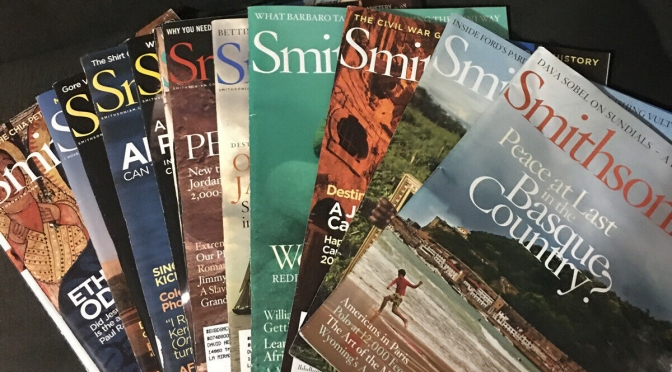
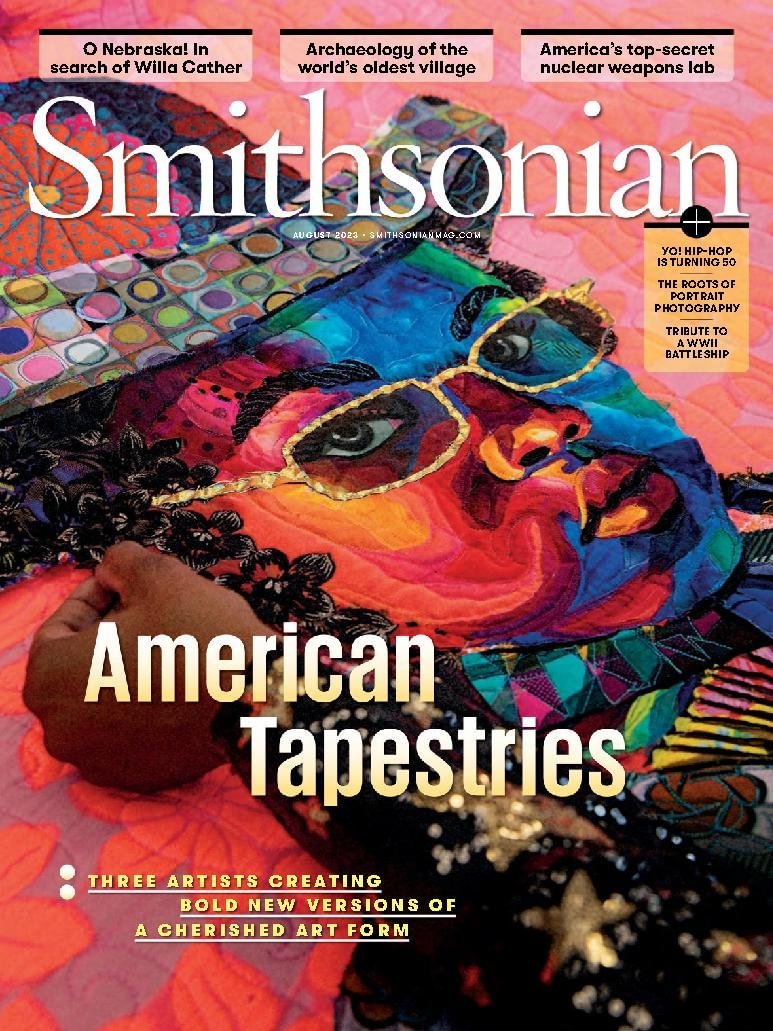
Smithsonian Magazine - July/August 2023 - SoftArchive

Smithsonian Magazine – July/August Issue: American Tapestries- Three artists creating bold new versions of a cherished art form; In search of Willa Cather; Archaeology of the world’s oldest village, and more…

A Massive Archive Tells the Story of Early African American Photographers

Arresting portraits, now a part of the Smithsonian collections, illuminate the little-known role these artists played in chronicling 19th-century life

“Before daguerreotypes, if you wanted a portrait made, you commissioned a painter,” says John Jacob, SAAM’s director of photography, as we study Rhoda’s portrait. “Photography democratized portraiture because it was significantly cheaper. But until we acquired these images, we weren’t able to show in our collection that African Americans were part of this process, as photographers and subjects, and also as entrepreneurs and innovators, experimenting with the latest technology and investing in it.”

Books: The New York Times Book Review – Oct 23, 2022

Cormac McCarthy’s New Novel: Two Lives, Two Ways of Seeing

The New York Times – In “The Passenger,” a pair of siblings contend with the world’s enigmas and their own demons. The term “Janus word” was coined in the 1880s by the English theologian Thomas Kelly Cheyne to describe a word that can express two, more or less opposite meanings. Cheyne gave it the name of the two-faced Roman god who looks forward and back at the same time. 

Ken Burns Wishes More People Would Call Willa Cather a Great American Novelist

“What about ‘O Pioneers!’ or ‘My Ántonia’?” asks the documentarian and author of the forthcoming photo book “Our America.” “For that matter, what about Gabriel García Márquez? We do not have a copyright on the word ‘American.’”

Paul Newman’s Humanity and Star Power

When the actor appeared in the movie version of “Nobody’s Fool,” Richard Russo saw another side of him.