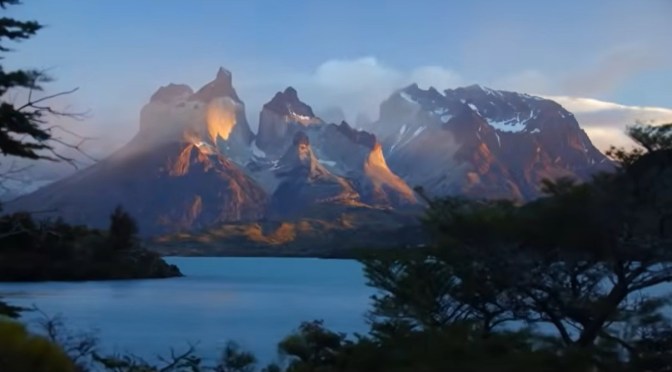

From the bustling activity of springtime storks to the tranquil beauty of northern forests, immerse yourself in the diverse ecosystems and unique wildlife of this enchanting region.

From the bustling activity of springtime storks to the tranquil beauty of northern forests, immerse yourself in the diverse ecosystems and unique wildlife of this enchanting region.


For centuries, the Seine River has been Paris’s dumping ground. A billion-dollar cleanup is trying to make it swimmable again.

The history of Paris is inextricably linked to the river that flows through its center—from Neolithic settlement to this year’s Olympic games.
The opening ceremony for the Paris 2024 Summer Olympics will take place on the fabled French waterway. But did you know it was named for a Gallo-Roman deity?
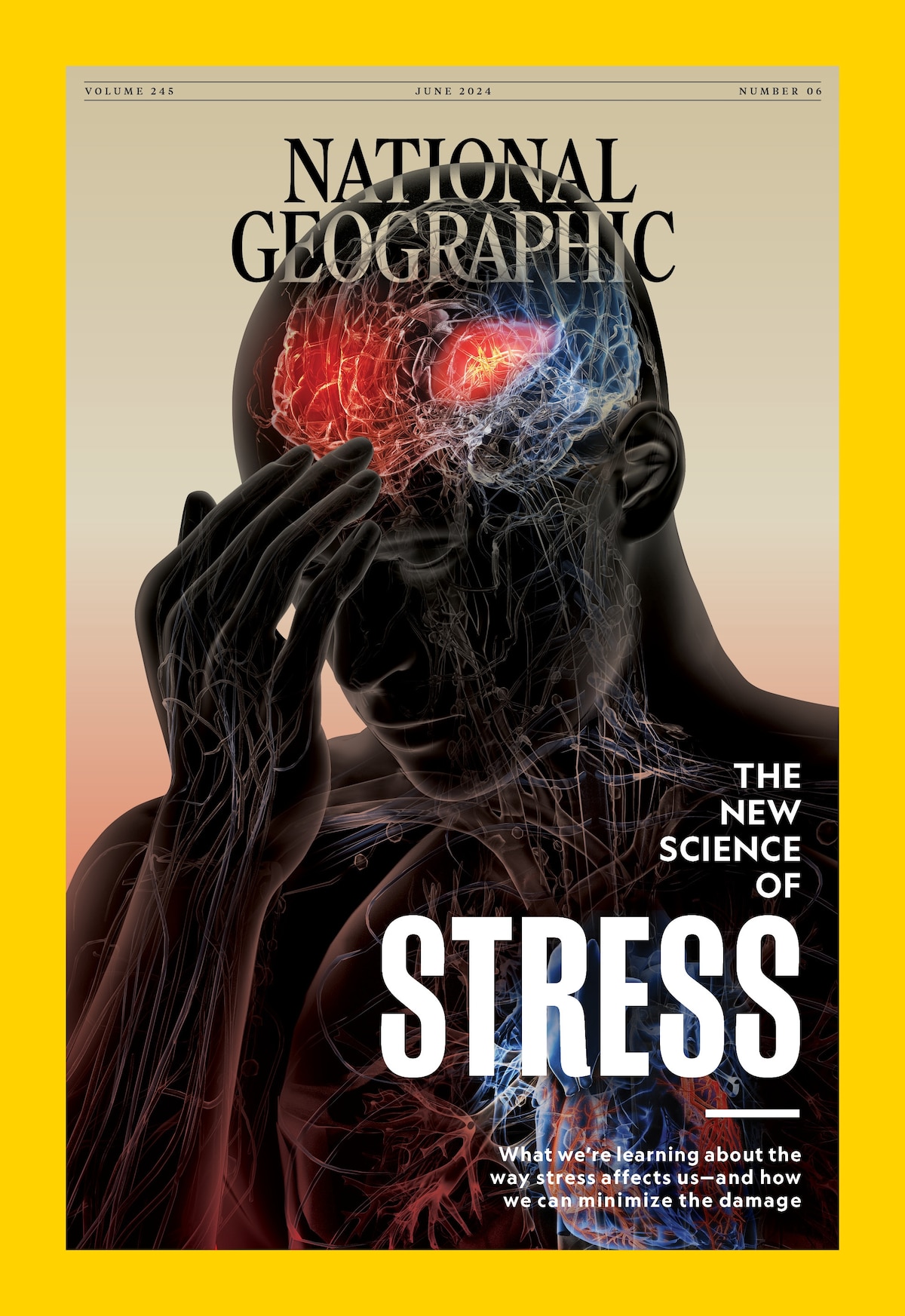

From cardiovascular disease and obesity to a weakened immune system, the side effects of stress can be life-altering. But there may be a way to prevent those outcomes.
ByYudhijit Bhattacharjee
Research is finally catching up to the idea that meditation—which has been practiced for millennia—also provides many health benefits, including managing stress and anxiety.

Tule elk are endemic to California and the most specialized elk in North America, given that they live in open country under semi-desert conditions, whereas the species as a whole typically occupies temperate climates and utilizes heavy cover at least seasonally.
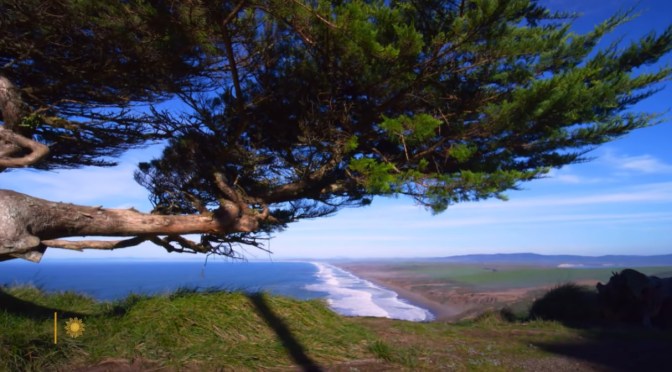
Point Reyes National Seashore is a vast expanse of protected coastline in Northern California’s Marin County. Beaches here include Wildcat Beach, with the cliffside Alamere Falls. On a rocky headland, the 1870 Point Reyes Lighthouse is a viewpoint for migrating gray whales. The Phillip Burton Wilderness features extensive trails through grassland, firs and pine forest, and up to the peak of Mount Wittenberg.
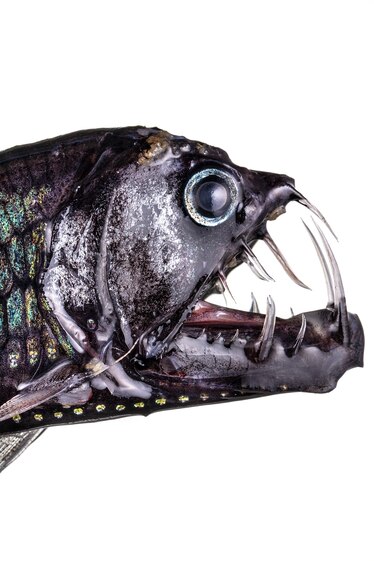
The species help harness carbon dioxide, a greenhouse gas, deep in the ocean, but much is still unknown about this region and its fascinating inhabitants.
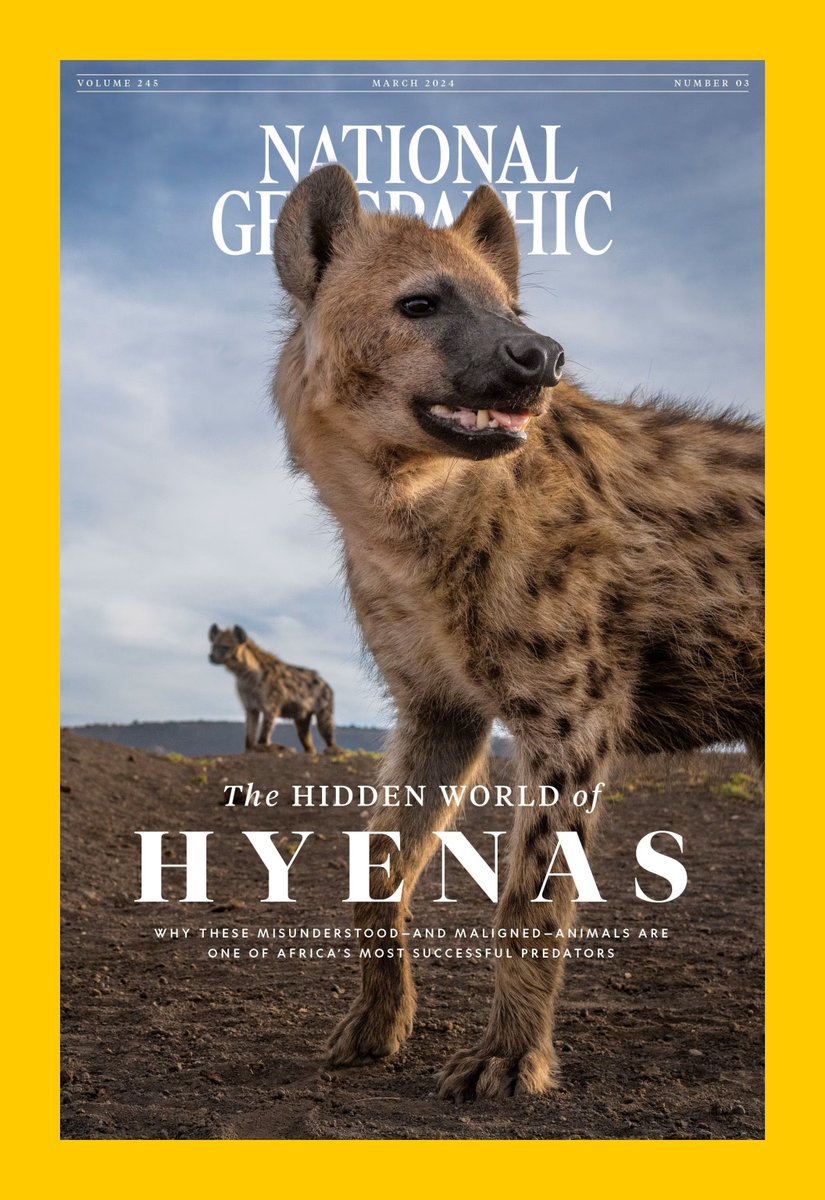
The spotted hyena is Africa’s most successful predator—and one of its most misunderstood animals. But decades of cutting edge research is yielding greater understanding, respect, and protection.
Videographer: Mauricio Handler

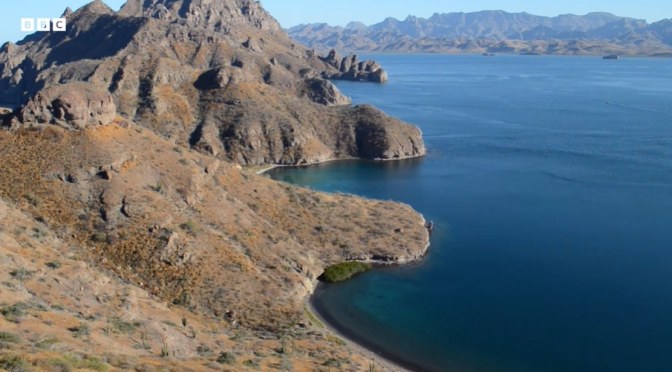
It is the only desert in the world surrounded by two seas, a geologically isolated peninsula sets the stage for a myriad of remarkable plants and animals exemplifying adaptations to an isolated and arid environment. The Baja California Desert is the peninsular arm of the mainland Sonoran Desert, and although closely related to each other, they contain dramatically different evolutionary histories.


GRAND PRIZE
Anup Shah
Chippenham, England
“It is powerful and decisive, the pace compact yet energetic,” says Anup Shah of this year’s spectacular top photo, catching zebras at the edge of a river crossing in Kenya’s Maasai Mara National Reserve. “I wanted the viewer to feel the energy in the path of a galloping herd.” We do, and it’s exhilarating.

BABY ANIMALS
FIRST PLACE
Torie Hilley
Ventura, California
Torie Hilley trudged through the mudflats of Alaska’s Lake Clark National Park and Preserve with a professional guide in July 2022, hoping to catch this coastal brown bear and her cubs in a line as they dug for clams. When Hilley spotted the family falling into formation on her last day, she dropped to one knee to preserve the moment. She later learned not all of the cubs survived the following weeks. “It reminded me to never take anything for granted,” she says.

BABY ANIMALS
SECOND PLACE
Carl D. Walsh
Dayton, Maine
Listed as endangered by Maine, the state’s piping plover population has seen some improvement in recent decades—a hopeful note suggested by the glow surrounding this days-old fledgling. To get this July 2022 photo, Carl D. Walsh “spent a lot of time lying in the sand, trying to capture the right vantage point and backlight” on a Cumberland County beach. “Many thousands of frames were shot,” he says.

BIRDS
FIRST PLACE
Suliman Alatiqi
Kuwait City, Kuwait
He reflects upon the incredible animals and habitats he has seen, and what the future could hold – for both us and them.
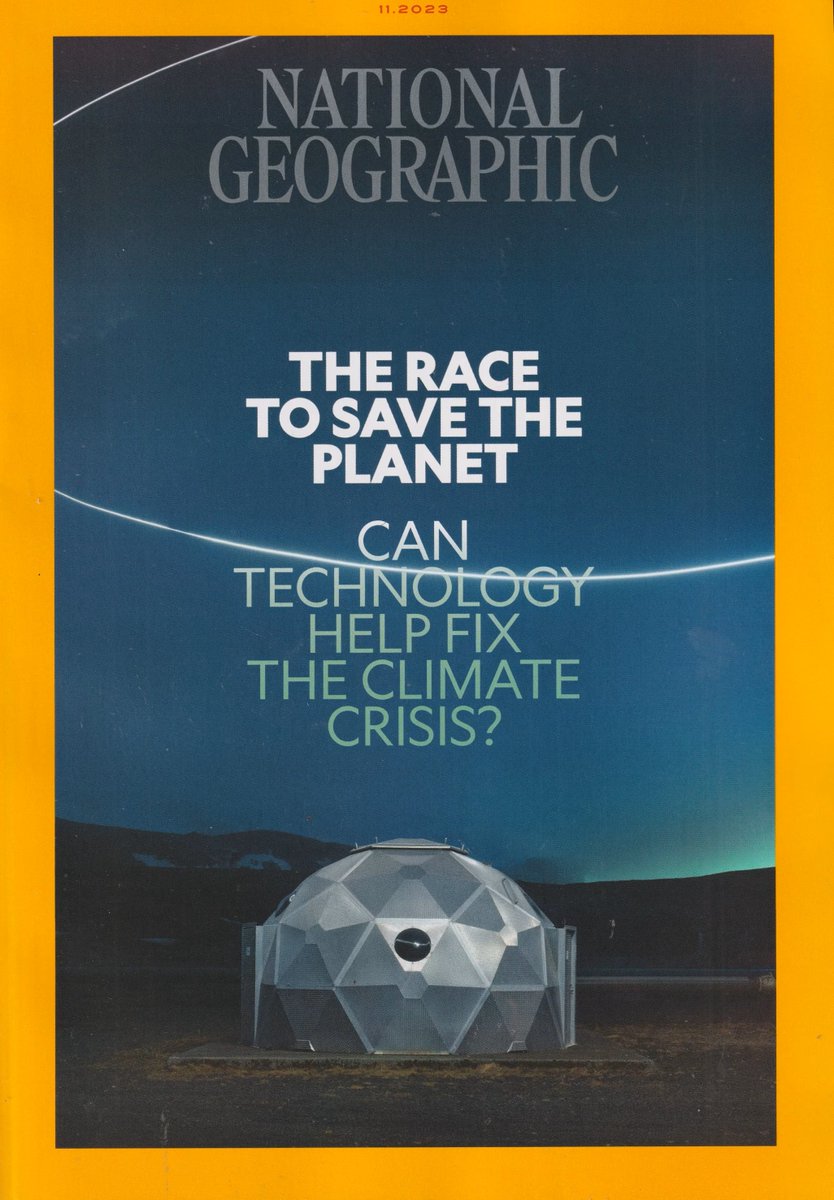

Getting to zero carbon emissions won’t save the world. We’ll have to also remove carbon from the air—a massive undertaking unlike anything we’ve ever done.
BY SAM HOWE VERHOVEK
Over the past few centuries, we have dug, chopped, burned, drilled, pumped, stripped, forged, flared, lit, launched, driven, and flown our way to adding 2.4 trillion metric tons of carbon dioxide to Earth’s atmosphere.
That’s as much CO2 as would be emitted annually by 522 billion cars, or 65 cars per person living today.
On a lonely, lunar-like valley 20 miles outside of Reykjavík, Iceland, Edda Aradóttir is on a mission to put it back where it came from.
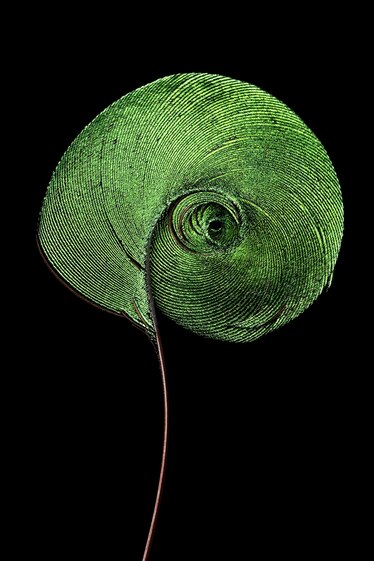
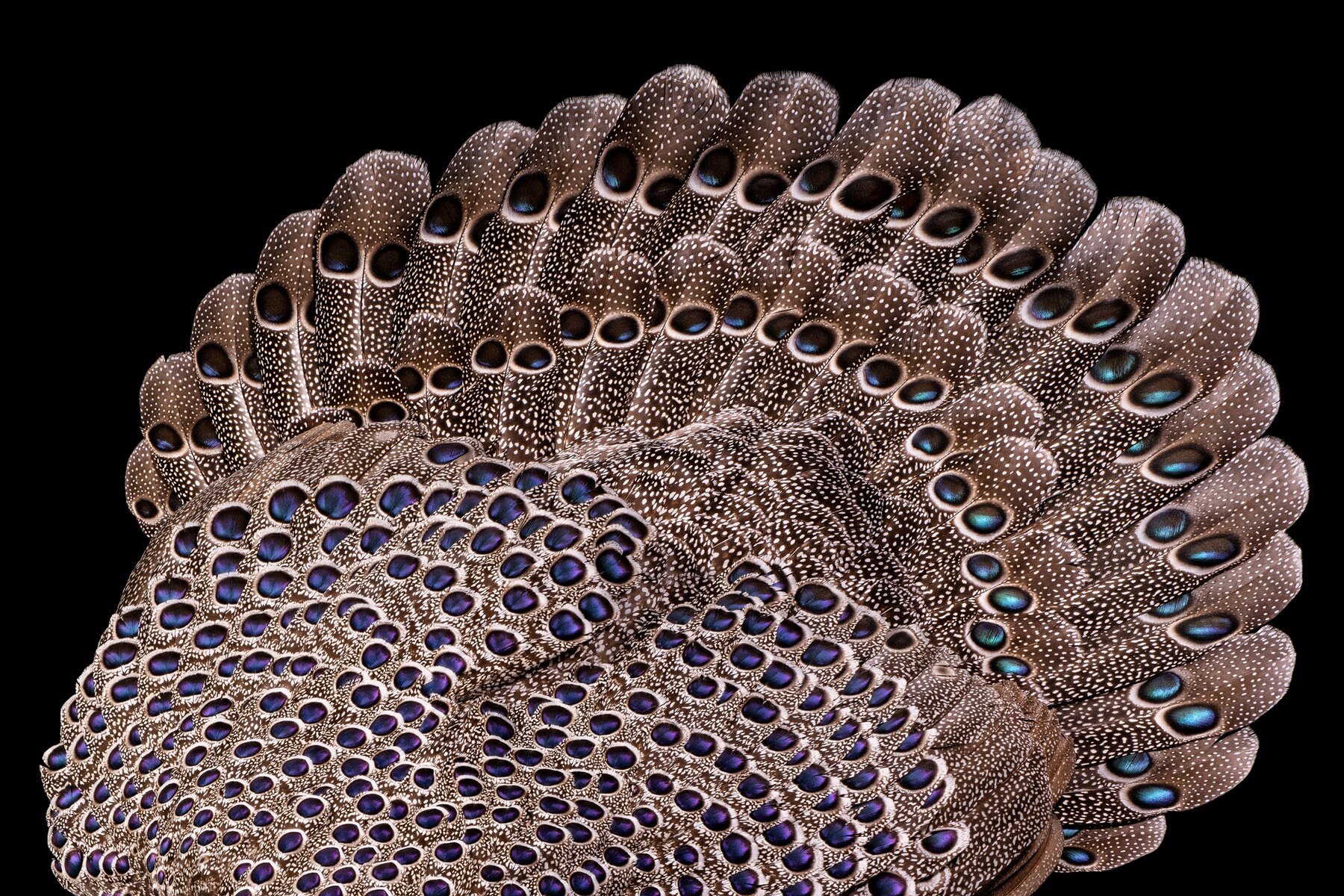
Shimmery. Spiky. Shaggy. Soft. Feathers are what make birds so alluring—but these photographs remind us that they also tell a story about the science of evolution.
BY ANNIE ROTH
PHOTOGRAPHS BY HEIDI AND HANS-JÜRGEN KOCH
In 1860 Charles Darwin wrote, “The sight of a feather in a peacock’s tail, whenever I gaze at it, makes me sick!” The plumes were so extravagant, he surmised, they could be a hindrance to survival. Darwin’s frustration with their seemingly inexplicable elegance eventually led him to the idea of sexual selection. Although this form of natural selection—driven by the preference of one sex for certain characteristics in individuals of the other sex—is well understood today, a peacock’s feather can still hold mystery for its viewers, says Heidi Koch. She and her husband, Hans-Jürgen, have spent the past few years photographing feathers in all their glorious detail.
 Boomers Daily