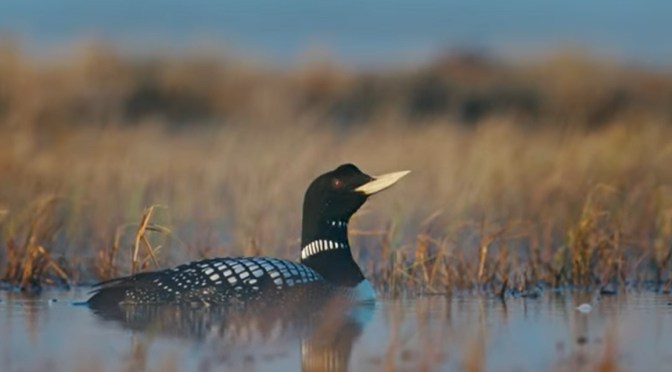
Cornell Lab of Ornithology (July 26, 2023) – The tundra wetlands in the heart of America’s Arctic, centered in the NPR-A around Teshekpuk Lake, are among the most extensive in the circumpolar Arctic and contain some of the highest recorded densities of breeding shorebirds in this vast area.
Millions of birds from all over the world flock to these wetlands every year to nest and raise their young. Come along with Cornell Lab’s Gerrit Vyn as he joins a team to capture image of the region’s birdlife.
America’s Arctic is one of North America’s last great wilderness areas, a critical habitat for migratory birds from around the world, and a treasure to be protected for future generations.
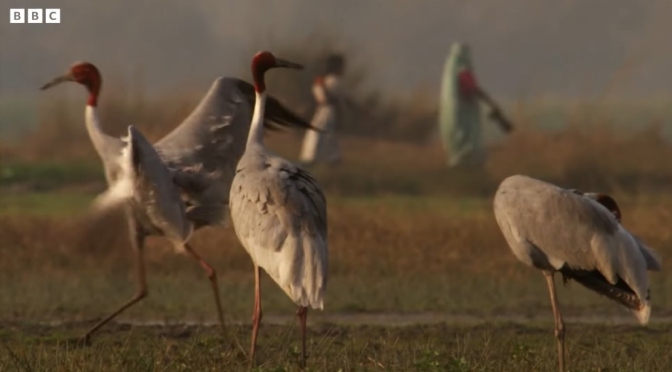
BBC Earth (June 1, 2023) – The Ganges River fills to capacity during monsoon season, flooding the wetlands that surrounds its banks. Not only do these wetlands foster an ideal habitat for wild birds, but they also create perfect the conditions for cultivating rice with their mineral-rich soil.
Ganges River, Hindi Ganga, great river of the plains of the northern Indian subcontinent. Although officially as well as popularly called the Ganga in Hindi and in other Indian languages, internationally it is known by its conventional name, the Ganges. From time immemorial it has been the holy river of Hinduism. For most of its course it is a wide and sluggish stream, flowing through one of the most fertile and densely populated regions in the world.
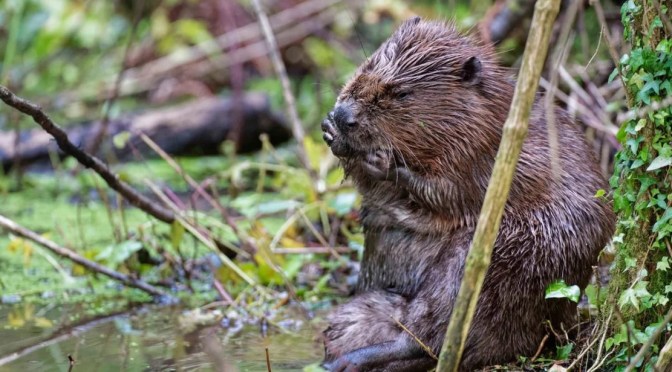
National Trust (April 2, 2023) – In this episode of The Wild Life, a new series of nature films from the National Trust, presenter Rob Bell meets the family of busy beavers at the Holnicote Estate in Somerset.
Rob takes part in some important conservation work and finds out how the beavers have been shaping the wetland habitat since they were brought to their enclosure in 2020. With an introduction from Julia Bradbury, this video also sheds light on wider work the National Trust is doing to reconnect rivers and streams to the surrounding landscape with its innovative Stage 0 project which is underway.
Rob learns how river restoration helps to ease challenges brought by climate change, including flooding and drought. The beavers also play a key role as ecosystem engineers and the dams they build hold water in dry periods and help to prevent flash flooding downstream.
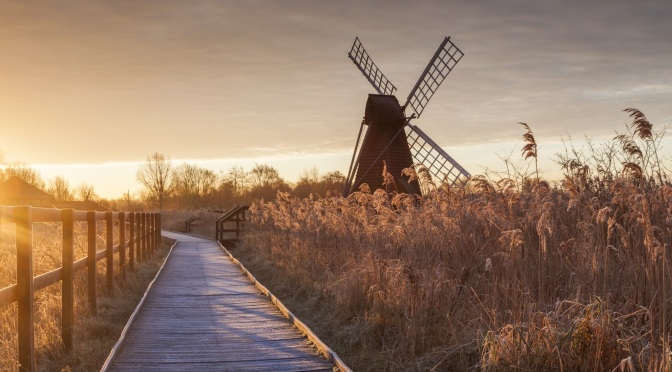
National Trust (March 27, 2023) – In this episode of The Wild Life, a new series of nature films from the National Trust, Paralympic medallist and TV presenter, Ade Adepitan explores Wicken Fen National Nature Reserve – one of Europe’s most important wetlands.
The Fen, which has been under the care of the National Trust since 1899, supports more than 9,000 species, including a wide variety of plants, birds and dragonflies. The raised boardwalk allows easy access to a landscape of flowering meadows, sedge and reed beds, home to water voles and rare birds, including hen harrier and bittern. Introduced by presenter Julia Bradbury, this film sheds light on how climate change is affecting Wicken Fen and the biodiversity it supports.
You’ll also find out about the work being done to protect wildlife habitats and ensure the peat here continues to store carbon. Ade discovers how Wicken Fen connects people to nature and learns more about future plans to extend the site. He also meets the Konik ponies and Highland cattle, which help to support this fragile landscape through conservation grazing.
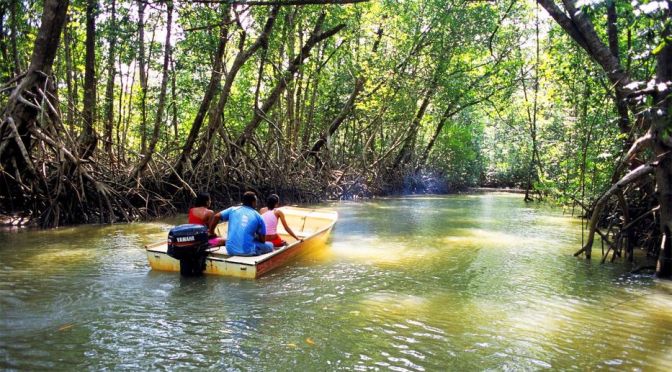
This Wednesday is International Wetlands Day. Worldwide, wetlands cover 12.1 million km². But more than 30 percent have been lost over the past 50 years, despite them playing a crucial role in mitigating the impact of climate change. One example is the Mangroves National Park in the Democratic Republic of Congo. It’s the only marine park in the country and it’s home to a wide variety of plants and rare animals, including sea turtles. But the park is increasingly threatened by poaching and illegal logging. The construction of a deep water port in the vicinity has also sparked controversy. Our correspondents report.
As more of the world’s forests are destroyed, it makes you wonder: what’s going to absorb CO2 in their place?! In an ironic twist of fate, one of Earth’s “deadest” habitats might be our best hope for an ongoing supply of breathable air.
Called peatlands, these wetland environments are named for their tendency to accumulate decayed plant matter. Unlike most other ecosystems, like forests, where branches and leaves typically decompose in a matter of months… in peatlands, that plant material can stay intact for millenia. You see, peatlands mostly exist in high altitude places where temps are low and there’s not much water flow. This results in their having extremely low oxygen and high acidity levels.
These harsh conditions aren’t very hospitable to microbes and fungi, which are instrumental to the whole decomposition process. So without them around, the plant material sort of… just sits. Over time, that it globs together to form peat, a thick, spongy material that can soak up 20x its weight in water. Peat also soaks up loads of carbon. Through a process known as the Calvin cycle, living plants absorb CO2 from the air and convert it into organic molecules that they can then use as energy to grow.
Through decomposition, the carbon that’s “fixed” in a plant’s structure gets released but since peat doesn’t decompose, that carbon can stay put! It’s estimated that peatlands contain 550 gigatonnes of organic carbon, which is twice as much organic carbon as all the world’s forests combined. That’s absolutely wild, considering that forests cover about 30% of the world’s land area… and peatlands only account for 3%! Like most of the world’s habitats, peatlands aren’t immune to the threats of human development and exploitation.
Peat is also are a very in-demand resource. Its incredible water holding capacity makes it a favorite amongst horticulturists; If you’ve ever picked up a bag of soil amendment, chances are it’s full of the stuff. Since peat is also a fossil fuel with a long burn, it’s used in some parts of the world. Peatlands are also often drained to accommodate other land use activities, like agriculture.
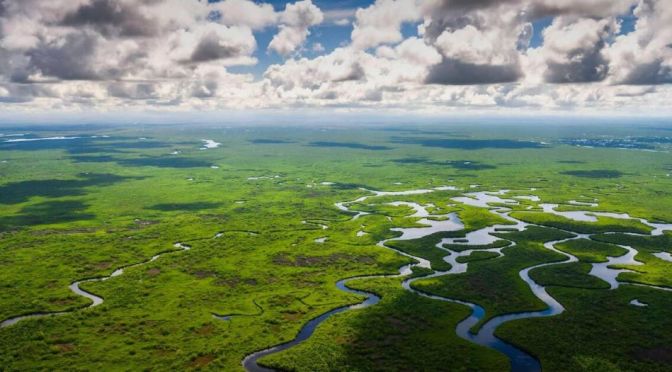
The Everglades is a water world — It’s the widest and slowest river in the United States. But in the heart of this great water body exist secret islands that have outsize importance for the cultural heritage of a people and for the biodiversity of this important wetland. Thousands of these tree islands dot the Everglades.
For generations, the Miccosukee people have called these islands home. And they’ve long understood that the islands are a giver of life in this unforgiving environment. The islands are some of the only dry land around and harbor a surprising diversity of plant and animal life, including: coyotes, bobcat, bear, and even the Florida panther.
But among the scientific establishment, the islands are little understood. Researchers from the Miccosukee tribe are working to understand how animals use the islands and what role they play in the larger Everglades ecosystem. With the islands under threat from outside forces, their studies have taken on increased urgency. What they’re finding could be key to preserving the Miccosukee culture and the balance of life in this great river.
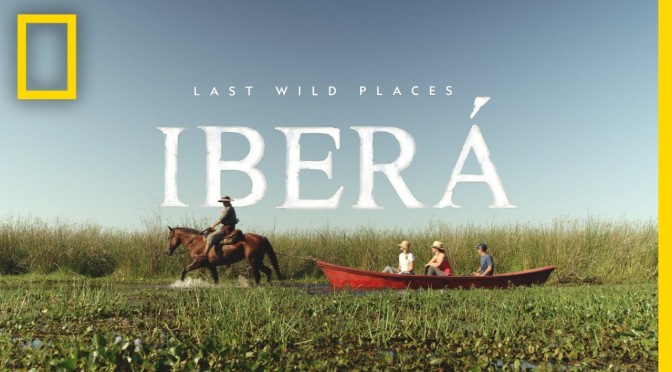
Iberá National Park in northeastern Argentina is part of one of the largest wetlands in South America, but much of its wildlife went extinct in the 20th century due to widespread hunting and habitat loss. Now, a dedicated team of conservationists is working hand in hand with local communities to reintroduce many of the keystone species that were lost, while also helping to preserve the region’s unique cultural heritage.





 Boomers Daily