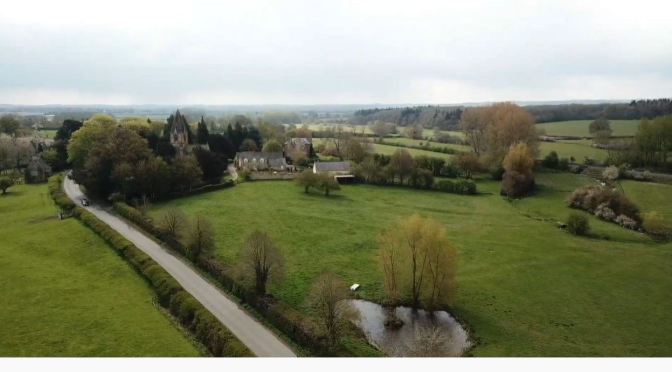
The tiny village of Daylesford, a somewhat hidden gem, is another classic Cotswolds place to visit – not only for the fantastic Daylesford Farm Shop, owned by the Bamford’s, nestled nearby…
Daylesford is a small, privately owned village in Gloucestershire, England, on the border with Oxfordshire. It is situated just south of the A436 two miles east of Stow-on-the-Wold and five miles west of Chipping Norton. The village is on the north bank of the small River Evenlode.
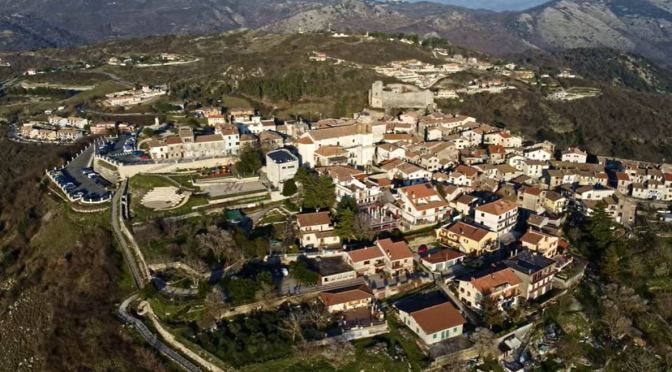
Castel San Pietro Romano is a comune in the Metropolitan City of Rome in the Italian region of Latium, located about 35 kilometres east of Rome. In 2017, it had a population of 883.
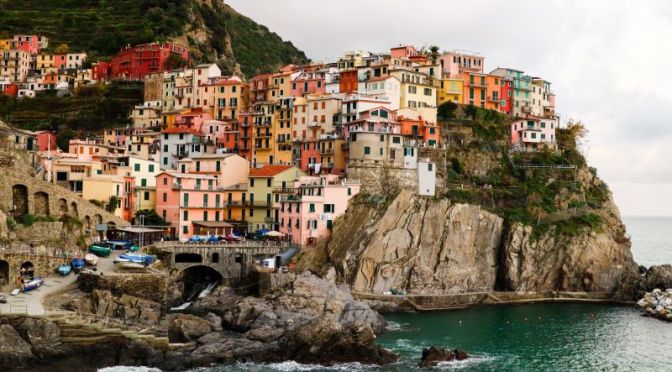
Manarola is a small town, a frazione of the comune of Riomaggiore, in the province of La Spezia, Liguria, northern Italy. It is the second-smallest of the famous Cinque Terre towns frequented by tourists, with a population of 353.
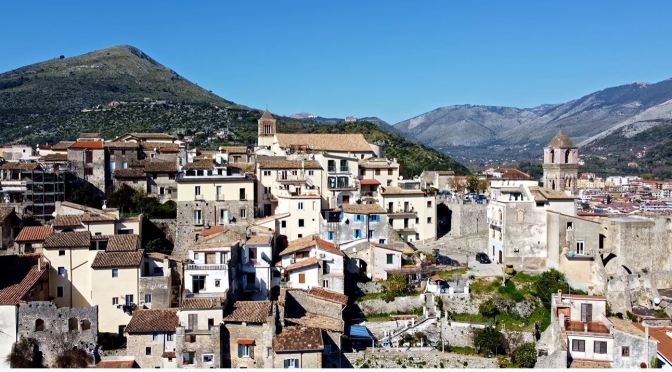
The origin of the village is linked to the need of the populations who lived on the Gulf of Gaeta to move to new settlements in a protected position on the surrounding hills, to defend against Saracen raids. Maranola is mentioned for the first time in 1029 and again in 1045, when it is indicated as castrum, a place fortified with walls and towers. In 1041 the existence of a “via carraria de Maranola” is also attested. Under the Caetani a new wall with three towers was then built, the only access to which was the so-called “ravellino”, demolished at the end of the 19th century. The village was placed under siege in 1347 by Nicola Caetani as part of the clashes conducted to regain Mola, Castellone and Traetto. His son, Onorato I Caetani, had a castle built there which took from him the name of “Castello Onorato”. In April 1400 it was besieged by the troops of Ladislao I of Naples. In the 15th century it had the status of a *university* and the statute states that it included the hamlets of Mamurrano, Ponzanello and Trivio in its territory. In 1414 the property was sold to Pietro Origlia, count of Caiazzo, but Cristoforo Caetani took it back by force. In 1428 it became an autonomous municipality together with a quarter of the territory of Maranola. In 1491 it was in possession of Caterina Pignatelli, in 1504 by Prospero Colonna and in 1691 it passed to the Carafa, who kept it until the abolition of feudalism in 1806.
Itri is a small city and comune the province of Latina, Lazio, central Italy. Itri is an agricultural centre divided in two parts by a small river, the Pontone. It lies in a valley between the Monti Aurunci and the sea, not far from the Gulf of Gaeta.
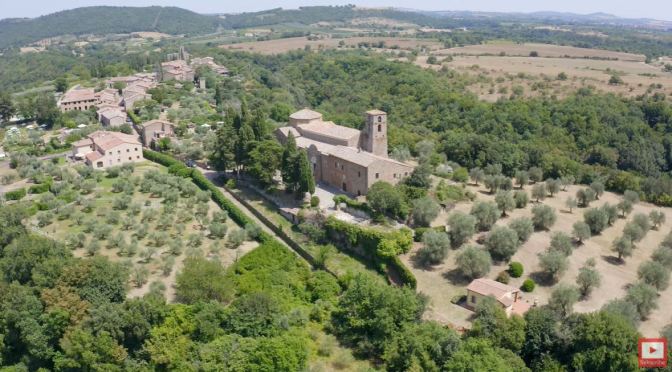
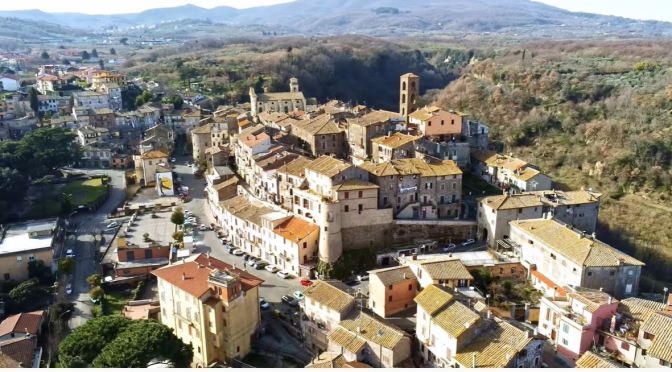
Vallerano is a comune in the Province of Viterbo in the Italian region Latium, located about 60 kilometres northwest of Rome and about 13 kilometres southeast of Viterbo. Vallerano borders the following municipalities: Canepina, Caprarola, Carbognano, Fabrica di Roma, Soriano nel Cimino, Vignanello.
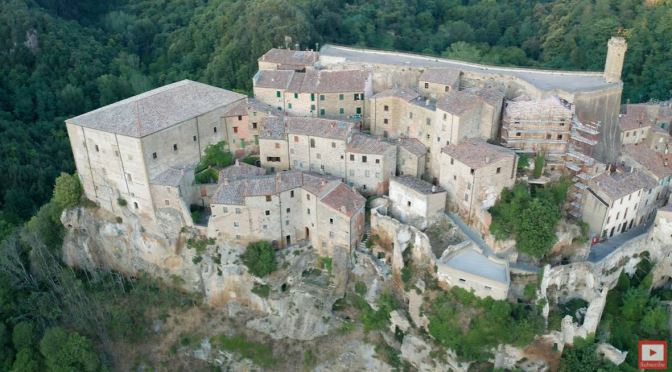
Sorano is a town and comune in the province of Grosseto, southern Tuscany. It as an ancient medieval hill town hanging from a tuff stone over the Lente River.
Located in the state of Michoacán Mexico, this church is the only remaining building left from the village of San Juan Parangaricutiro. On February 20, 1943, a volcano began to erupt, slowly consuming two villages in lava and ash.
It took almost a year for the lava to reach and melt the rocks around this small church. The Paricutin volcano continued to erupt for another eight years, but the small church withstood it all.
Nuevo San Juan Parangaricutiro is a small village in the Mexican state of Michoacán near the Parícutin volcano. The city is called “Nuevo” because the original San Juan Parangaricutiro was destroyed during the formation of the Parícutin volcano in 1943.
Parícutin is a cinder cone volcano located in the Mexican state of Michoacán, near the city of Uruapan and about 322 kilometers west of Mexico City. The volcano surged suddenly from the cornfield of local farmer Dionisio Pulido in 1943, attracting both popular and scientific attention.
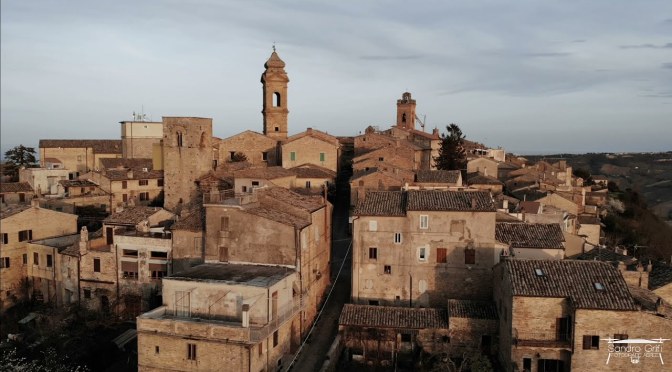
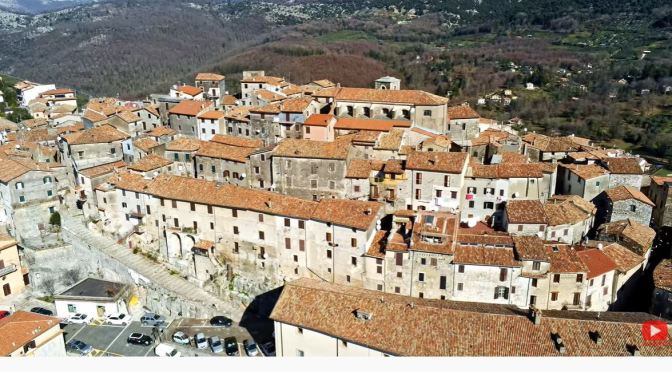
Bassiano is a municipality in the Province of Latina in the Italian region Lazio, located about 60 kilometres southeast of Rome and about 14 kilometres northeast of Latina. As of 31 December 2004, it had a population of 1,664 and an area of 31.6 square kilometres.
𝗧𝗶𝗺𝗲𝗹𝗶𝗻𝗲 🔻 0:00 – [Drone intro] 1:30 – [Walking tour begins / Northern gate] 3:34 – [Via Manunzio] 10:28 – [“Gate of the Holy Souls” / Archangel Micheal – the angel is visible past the gate on the left] 15:00 – [Via Giulio Bernardini] 19:32 – [Gate “Decarcia Tower” – holes for the ancient door still visible. On a house nearby there is scupted the head of God Fauno] 21:20 – […tour continues…] 24:12 – [Beautiful view on stone stairs] 30:00 – [Beautiful little square] 31:28 – [St.Erasmus Square & Chrcuh (closd unfortunately)] 33:20 – […tour continues…] 34:34 – [Suggestive interior hallway] 35:20 – […tour continues…] 39:50 – [*Poem on Bassiano* – 𝘁𝗿𝗮𝗻𝘀𝗹𝗮𝘁𝗶𝗼𝗻 𝗶𝗻 𝗰𝗮𝗽𝘁𝗶𝗼𝗻𝘀] 41:29 – [Via Manunzio] 43:04 – [Inside the town again] 46:25 – [Northern wall hallway] 49:05 – [Outside the Walls / Monument to the fallen soldiers of the town]
The history of Bassiano certainly begins around the 10th century and starts with a small group of shepherds and farmers forced to take refuge in this place completely covered by the view of the plain, due to the continuous barbarian raids. The first written records of Bassiano date back to 1169. In a document found in the archive of the collegiate church of Santa Maria in Sermoneta, reference is made to the recovery of the Castrum stolen by deception by a certain Gregorio Leonis from a Lord of Bassiano. 𝗠𝗶𝗱𝗱𝗹𝗲 𝗔𝗴𝗲𝘀 In 1240, Pope Gregory IX appointed Tasmondo Annibaldi as Lord of the Castles of Sermoneta and Bassiano, to thank him for the help received against the invasion attempts of Frederick II. The Annibaldi ruled the town until 1297 when the castle passed into the possession of the Caetani who ruled it until the fiefs were abolished, except for a decade (1492 – 1502) in which the Borgias ruled. The history of Bassiano is profoundly marked by the action of the spiritual movements of the 13th and 14th centuries, which were the promoters of a social renewal, also by the Knights Templar who, it is believed, have left the mark of their passage here. 𝗥𝗲𝗻𝗮𝗶𝘀𝘀𝗮𝗻𝗰𝗲 It was only at the beginning of the 16th century that the Caetani, with the construction of the Baronial palace, left an imprint of their dominion on the land of Bassiano. It was Bonifacio Caetani who in 1554 had an important palace built, as a refuge from the dangers of the swamp and a place of treatment for his ill health. The palace incorporates in its interior houses and medieval shops that the Caetani had bought in the 15th century in the “Porta salamandra” area which was the main access road to the Castrum. Important citizen of the town is the humanist typographer Aldo Manuzio.
News, Views and Reviews For The Intellectually Curious


 Boomers Daily