

UCSF Health physicians have successfully treated a patient with severe depression by tapping into the specific brain circuit involved in depressive brain patterns and resetting them using the equivalent of a pacemaker for the brain.
Tag Archives: UCSF
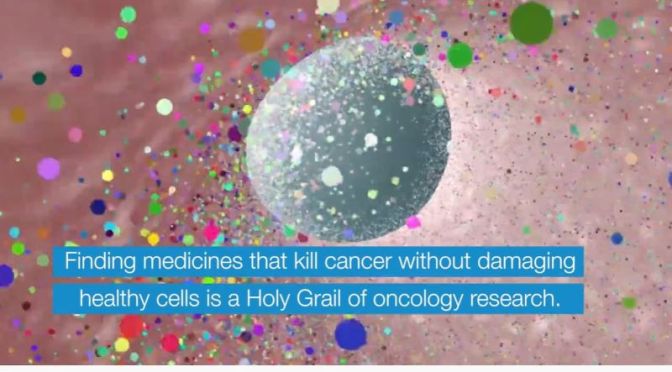
Research: New ‘Smart Cell Therapies’ To Treat Cancer
Finding medicines that can kill cancer cells while leaving normal tissue unscathed is a Holy Grail of oncology research. In two new papers, scientists at UC San Francisco and Princeton University present complementary strategies to crack this problem with “smart” cell therapies—living medicines that remain inert unless triggered by combinations of proteins that only ever appear together in cancer cells.
Biological aspects of this general approach have been explored for several years in the laboratory of Wendell Lim, PhD, and colleagues in the UCSF Cell Design Initiative and National Cancer Institute– sponsored Center for Synthetic Immunology. But the new work adds a powerful new dimension to this work by combining cutting-edge therapeutic cell engineering with advanced computational methods.
For one paper, published September 23, 2020 in Cell Systems, members of Lim’s lab joined forces with the research group of computer scientist Olga G. Troyanskaya, PhD, of Princeton’s Lewis-Sigler Institute for Integrative Genomics and the Simons Foundation’s Flatiron Institute.
Using a machine learning approach, the team analyzed massive databases of thousands of proteins found in both cancer and normal cells. They then combed through millions of possible protein combinations to assemble a catalog of combinations that could be used to precisely target only cancer cells while leaving normal ones alone. In another paper, published in Science on November 27, 2020, Lim and colleagues then showed how this computationally derived protein data could be put to use to drive the design of effective and highly selective cell therapies for cancer.
“Currently, most cancer treatments, including CAR T cells, are told ‘block this,’ or ‘kill this,’” said Lim, also professor and chair of cellular and molecular pharmacology and a member of the UCSF Helen Diller Family Comprehensive Cancer Center. “We want to increase the nuance and sophistication of the decisions that a therapeutic cell makes.”
Over the past decade, chimeric antigen receptor (CAR) T cells have been in the spotlight as a powerful way to treat cancer. In CAR T cell therapy, immune system cells are taken from a patient’s blood, and manipulated in the laboratory to express a specific receptor that will recognize a very particular marker, or antigen, on cancer cells. While scientists have shown that CAR T cells can be quite effective, and sometimes curative, in blood cancers such as leukemia and lymphoma, so far the method hasn’t worked well in solid tumors, such as cancers of the breast, lung, or liver.
Cells in these solid cancers often share antigens with normal cells found in other tissues, which poses the risk that CAR T cells could have off-target effects by targeting healthy organs. Also, solid tumors also often create suppressive microenvironments that limit the efficacy of CAR T cells. For Lim, cells are akin to molecular computers that can sense their environment and then integrate that information to make decisions. Since solid tumors are more complex than blood cancers, “you have to make a more complex product” to fight them, he said.
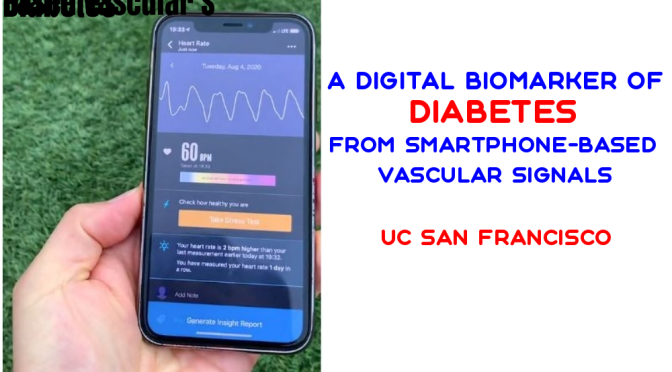
Health: Scientists Develop Simple Smartphone App To Detect “Diabetes” With Up To 80% Accuracy (UCSF)

Overall, the algorithm correctly identified the presence of diabetes in up to 81 percent of patients in two separate datasets. When the algorithm was tested in an additional dataset of patients enrolled from in-person clinics, it correctly identified 82 percent of patients with diabetes.

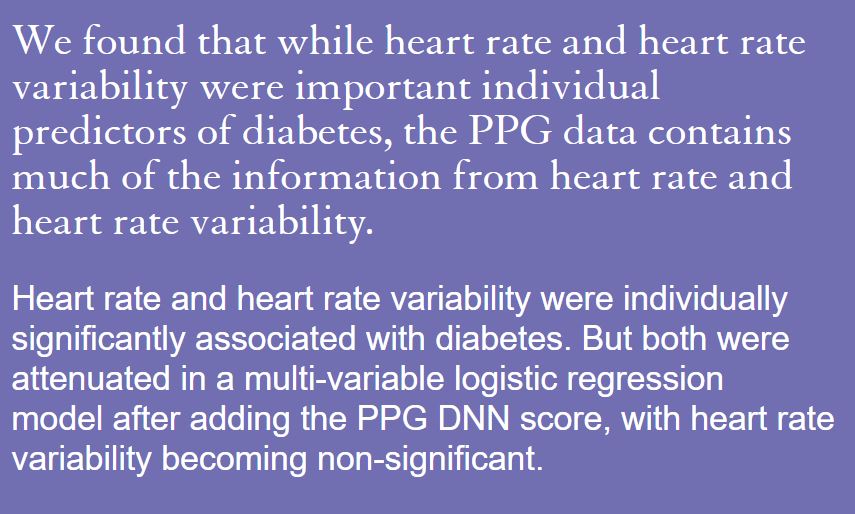


In the Nature Medicine study, UCSF researchers obtained nearly 3 million PPG recordings from 53,870 patients in the Health eHeart Study who used the Azumio Instant Heart Rate app on the iPhone and reported having been diagnosed with diabetes by a health care provider. This data was used to both develop and validate a deep-learning algorithm to detect the presence of diabetes using smartphone-measured PPG signals.
Among the patients that the algorithm predicted did not have diabetes, 92 to 97 percent indeed did not have the disease across the validation datasets. When this PPG-derived prediction was combined with other easily obtainable patient information, such as age, gender, body mass index and race/ethnicity, predictive performance improved further.
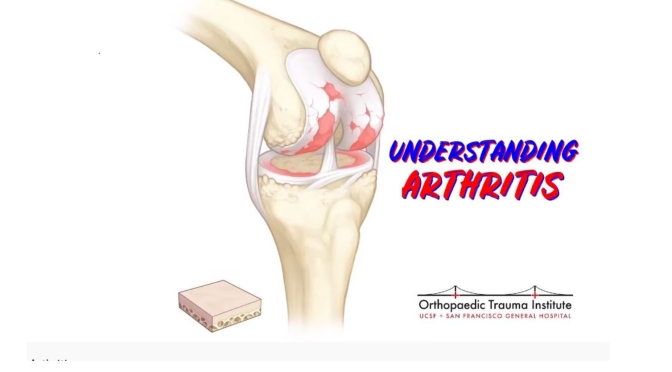
Health: “Understanding Arthritis” – Orthopaedic Trauma Institute (Video)
The Elderly & Dementia: “Managing Daily Activities & Fall Prevention” (UCSF)
Presented by Sarah Dulaney, RN, CNS, a nurse at the UCSF Memory and Aging Center, and Helen Medsger, a family caregiver and LBD support group leader, as part of the Lewy Body Dementia Caregiver Webinar Series supported by the UCSF Memory and Aging Center and the Administration for Community Living.
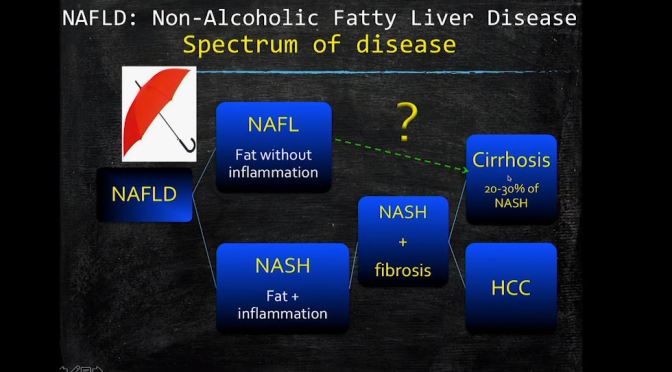
Obesity Risks: “Fatty Liver Disease – The Silent Epidemic” (UCSF Video)
Nonalcoholic fatty liver disease (NAFLD) occurs when fat is deposited in the liver, without other causes of fatty liver identified. Dr. Danielle Brandman explores who is at risk, diagnosis, staging, complications and management.

More from: Organ Failure and Replacement: Why Organs Fail and What Therapies are Available for Organ Replacement (https://www.uctv.tv/organ-failure-rep…)
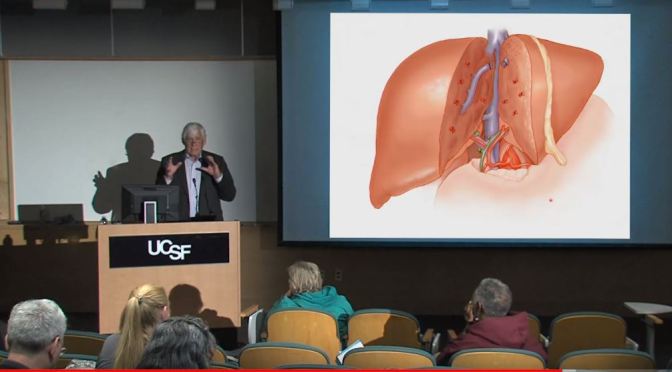
Medical Lectures: “Living Donor Liver Transplants” (UCSF Medical School)
Nationally, there are approximately 18,000 patients on the liver transplant list. Annually, about 6,000 patients receive a liver transplant. Because of the organ shortage, many patients waiting for liver transplants die on the list or become too sick to undergo transplant. Dr. John Roberts offers these solutions: expanded criteria donors, split livers and living donors. Recorded on 10/30/2019.
More from: Organ Failure and Replacement: Why Organs Fail and What Therapies are Available for Organ Replacement (https://www.uctv.tv/organ-failure-rep…)
Podcasts: Poet Jane Hirshfield & Other Writers Discuss “Memory And Forgetting” (UCSF)
Memory sits at the core of both literature and lives. Yet forgetting is also a part of our brains’ daily working, bringing its own human truths and a necessary path for moving forward. Lewis Hyde’s new _A Primer for Forgetting: Getting Past the Past_, provides inspiration for a deep-dive discussion of memory’s other side, with this august panel of writers and neuroscientists: poets Jane Hirshfield and Margaret Gibson, author Lewis Hyde, and UCSF neuroscientists Aimee Kao, Bruce Miller, and Virginia Sturm.
Co-hosted by Litquake, San Francisco’s Literary Festival
Jane Hirshfield’s ninth poetry collection, Ledger (Knopf), appears in 2020. Chancellor emerita of the Academy of American Poets and recently elected into the American Academy of Arts & Sciences, she works frequently at the intersection of poetry and science. Her work appears in The New Yorker, Atlantic, Poetry, et al.
Listen to Poet and Professor Margaret Gibson below:
Margaret Gibson, current Connecticut Poet Laureate, is the author of 12 books of poetry, including Not Hearing the Wood Thrush (2018) and Broken Cup (2014), centered on memory loss from Alzheimer’s disease and the gifts of sustaining presence through lament, acceptance, and love. She is Professor Emerita at the University of Connecticut.
Listen to author Lewis Hyde below:
Lewis Hyde’s recent book, A Primer for Forgetting (FSG, 2019), explores the many situations in which forgetfulness is more useful than memory—in myth, personal psychology, politics, art and spiritual life. A MacArthur Fellow, Hyde taught for many years at Kenyon College.
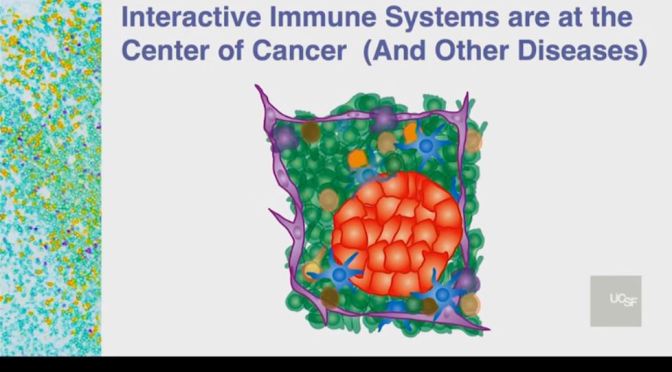
Health: “Treating Cancer And Other Diseases Through The Immune System” (UCTV Video)
Interactive immune systems are at the center of cancer and other diseases. Dr. Matthew Krummel explores how the immune system can regulate cancer progression. Recorded on 10/31/2019.
To read more: https://www.uctv.tv/shows/Understanding-and-Treating-Cancer-and-Other-Diseases-Through-the-Immune-System-35239
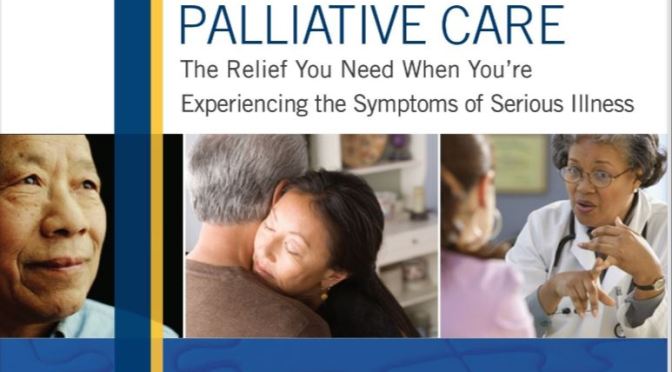
Boomers Health Care: Interview With Chief Of Palliative Medicine At UCSF Medical School
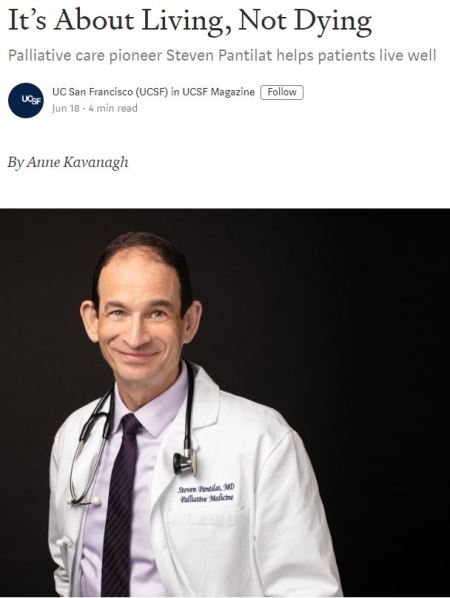 “Doctors and patients are increasingly recognizing the benefits of palliative care. People want care that helps them live as well as possible for as long as possible. Once people learn what palliative care is, they want it. So we’re training experts to meet this growing demand. We have one of the largest fellowship programs in the state, and we also train nursing students, medical students, and residents. We want all clinicians to know the basics of palliative care: how to manage pain, shortness of breath, and nausea and how to talk to patients about the things that matter most to them.”
What is palliative care?
It’s medical care focused on improving the quality of life for people with serious illnesses. If you’re facing heart failure, cancer, dementia, ALS, or another such disease, we can help you live as well as possible for as long as possible. Palliative care is not about dying but, rather, about living.
Read more at: tinyurl.com/yxslx5v4
 Boomers Daily