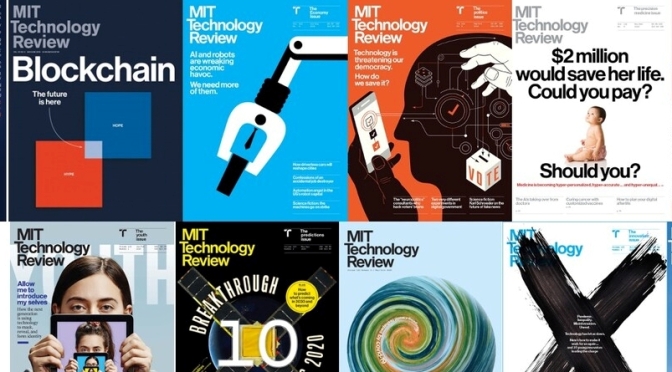
MIT Technology Review (August 17, 2024): The 125th Anniversary issue features ‘Greetings from the Future’ – Personalized AI, Genetically-Engineered Immunity and Digital Immortaility. We’ll see it all in the next century.

MIT Technology Review (August 17, 2024): The 125th Anniversary issue features ‘Greetings from the Future’ – Personalized AI, Genetically-Engineered Immunity and Digital Immortaility. We’ll see it all in the next century.

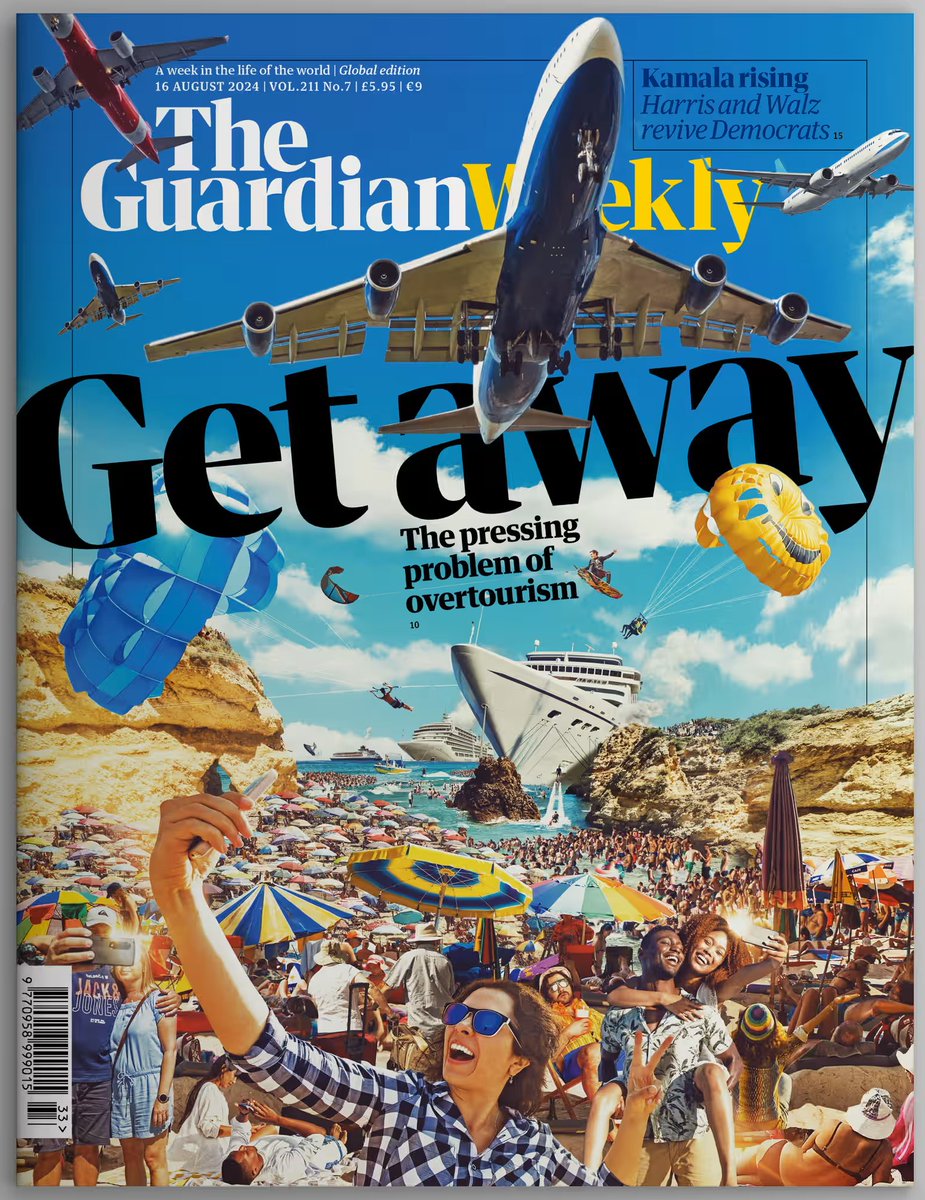
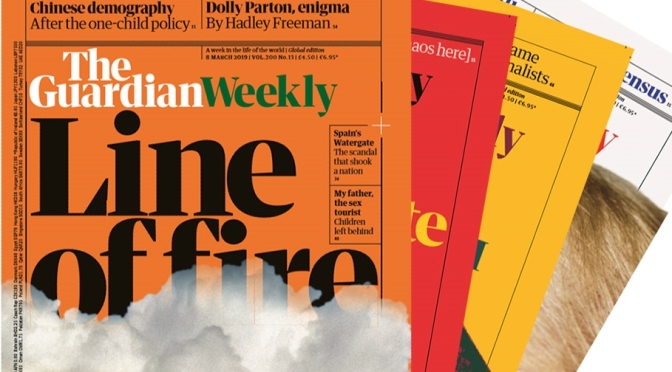
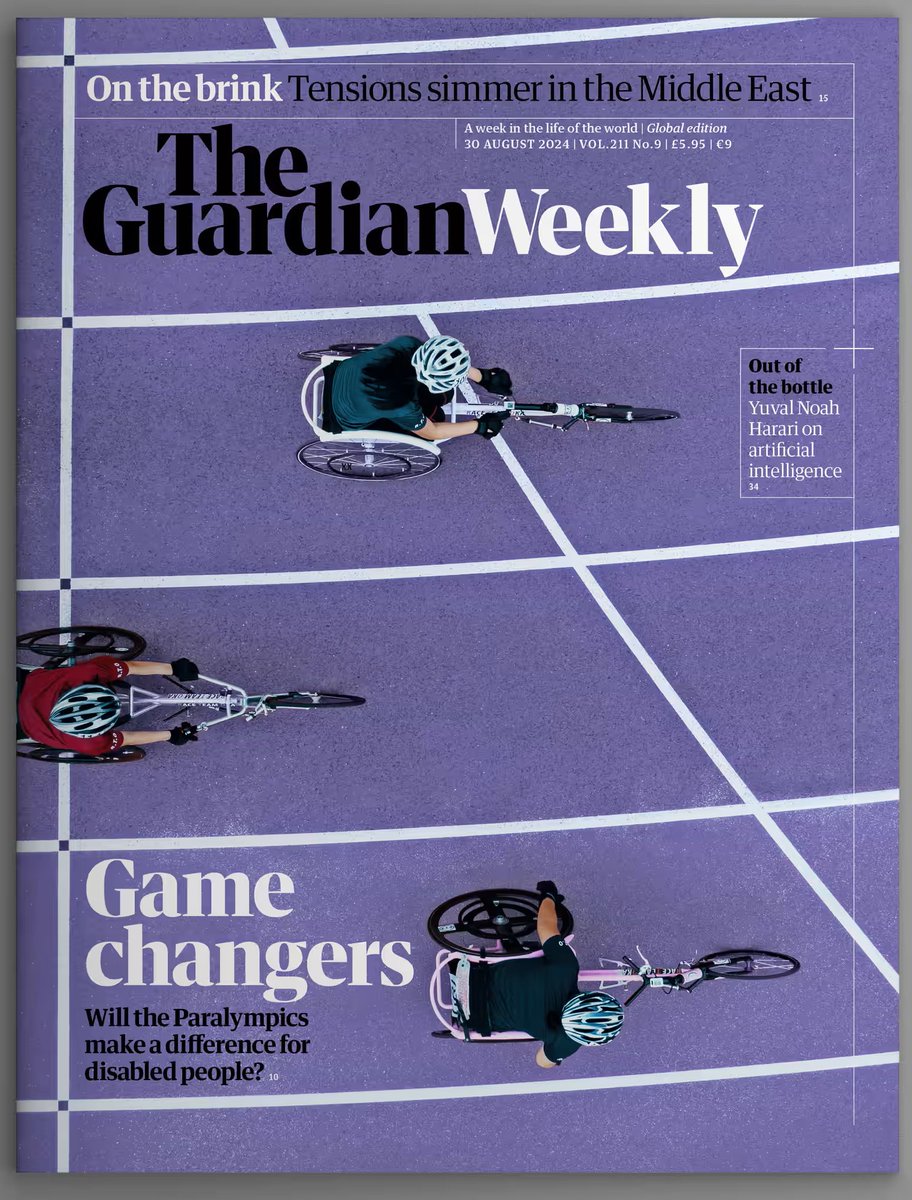
The Guardian Weekly (August 15, 2024) – The new issue features Has mass tourism gone too far? – Why holiday hotspots have had enough. Plus: America’s Kamala and Tim show
1
Spotlight | On the road: Kamala Harris and Tim Walz re-energise Democrats
The US vice-president and her running mate have hit the ground running in their campaign for the White House. Can they keep the momentum going, asks Lauren Gambino.
2
Technology | The fragile world of underwater internet cables
Deep-sea wires are the veins of the modern world. What if something were to happen to them? Jonathan Yerushalmy investigates.
3
Feature | Beautiful, bruising and complex female friendships
Ahead of her new book examining women’s friendships, the Observer’s Rachel Cooke reflects on two pivotal ones of her own, as well as some notable literary attachments.
4
Opinion | The Olympics showed France’s far right what true patriotism is all about
Despite a febrile political backdrop, the Paris Games reminded a nation of what it means to be proud of one’s country, says French sports writer Philippe Auclair.
5
Culture | The second act of Sam Neill
He is one of the world’s most famous actors, but the New Zealander – whose cancer is thankfully in remission – can still go to Starbucks without anyone recognising him, finds Zoe Williams.

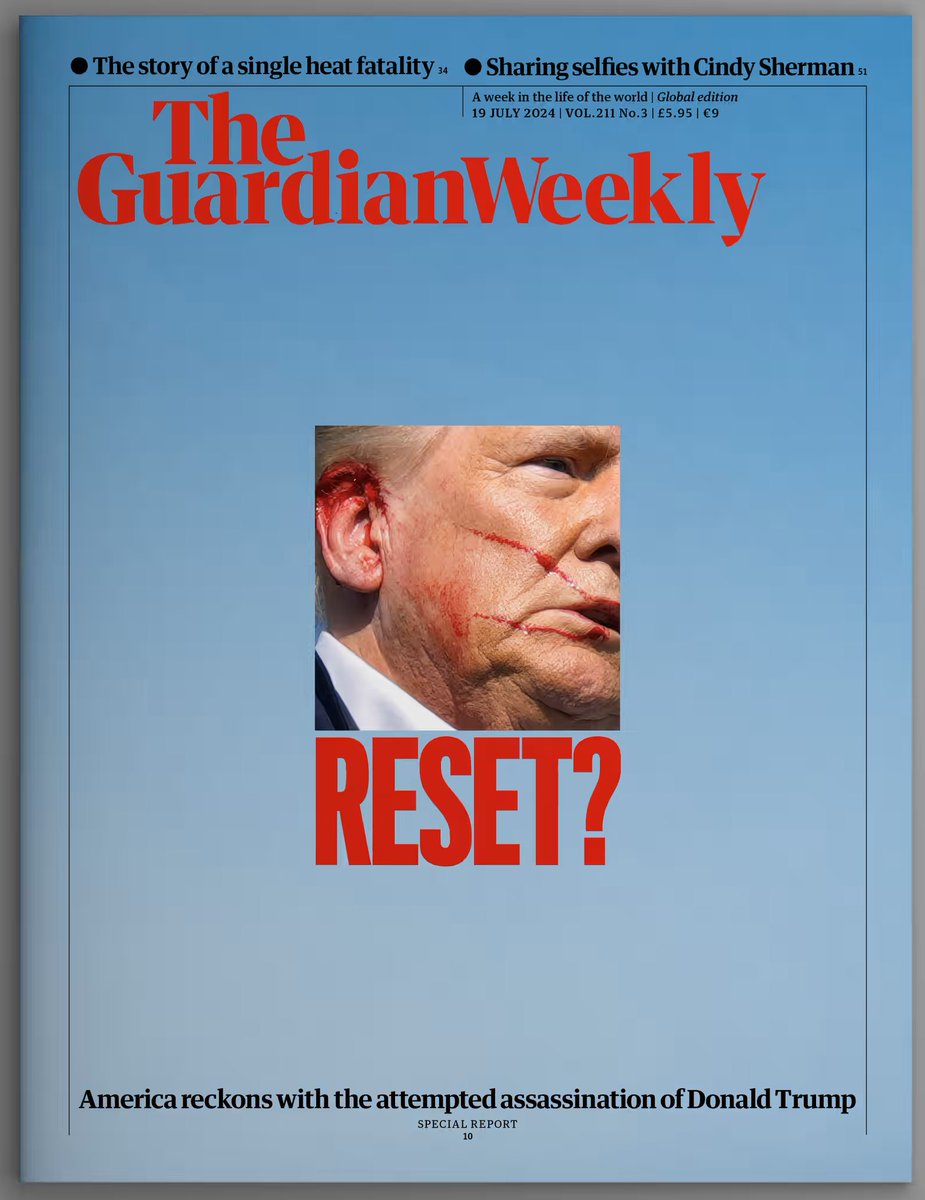
The Guardian Weekly (July 17, 2024) – The new issue features ‘Reset?’ – America reckons with the attempted assassination of Donald Trump…
The image of Donald Trump, his face smeared with blood after a bullet grazed his ear, marked a watershed moment in the already high-stakes 2024 US presidential election campaign. Opening our special report on the Pennsylvania rally shooting, Washington bureau chief David Smith examines how it could fuel Trump’s base and stoke further division in American politics.
1
Spotlight | On paw patrol in Sumatra
National Geographic explorer and photographer Danielle Khan Da Silva joins an all-female group of Indigenous rangers who protect a rare Indonesian rainforest ecosystem.
2
Spotlight | Evasive action
The doctors who treat cancer share their expert advice on what simple things we can all do to lessen the risk of getting the disease with Sarah Phillips.
3
Feature | Too hot to handle
As heatwaves become a common occurrence, outdoor workers are particularly vulnerable, explains Samira Shackle, as she documents the death from heat of one French labourer.
4
Opinion | Simon Tisdall on the Nato summit
The 75-year-old alliance was created to counteract Moscow’s power and needs to keep its focus on containing Russian ambition.
5
Culture | Selfies with Cindy Sherman
The US artist whose work changed the way we see women talks image, AI and Instagram to Nadia Khomami.
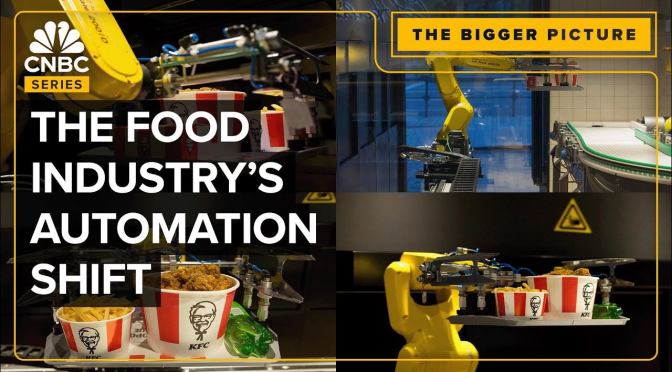
CNBC (July 15, 2024): Fully autonomous fast-food chains to smart carts lining grocery store parking lots, the way the food industry looks is changing due to massive investment in AI technology.
Chapters: 0:00 Introduction 2:34 CH 1. Digitizing food retail 5:35 CH 2. The risk and reward from robots 8:30 CH 3. What’s next?
The American consumer is starting to pull back on spending and rising food and labor costs are causing the food industry to invest more into automation to lower labor costs and improve sales, in order to stay competitive and take advantage of shifting consumer taste.

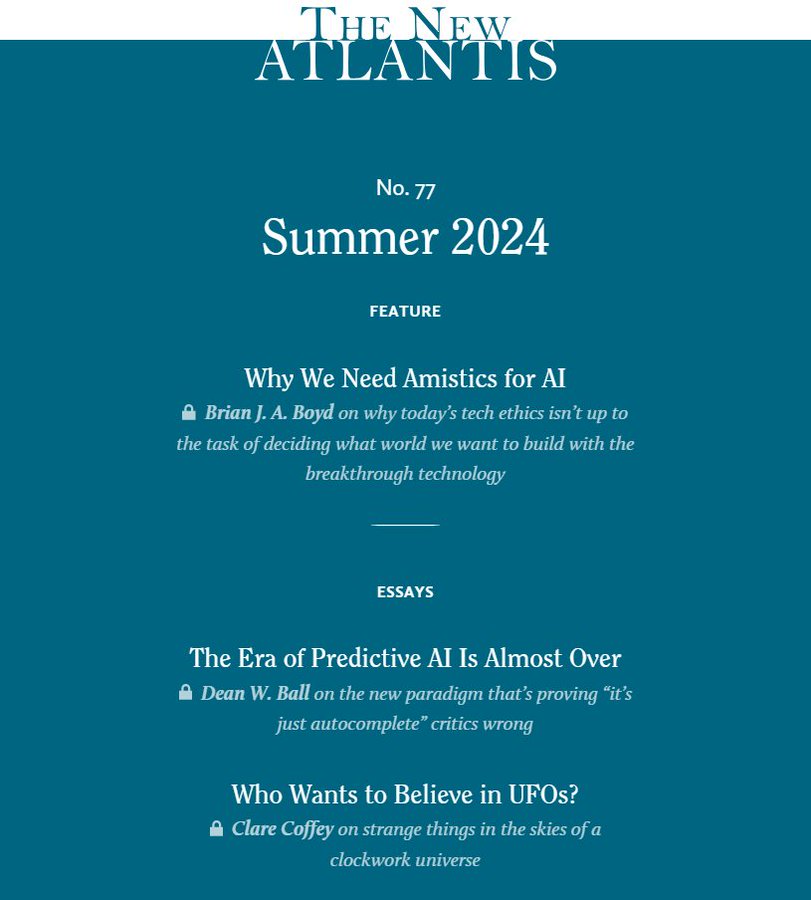
The New Atlantis Magazine (July 10, 2024) : The latest issue features…
Tech ethics needs a breakthrough. The Amish have it.
Fact-checking used to be how journalists policed themselves. Now it’s how they police everyone else.
Strange things in the skies of a clockwork universe
![Discover Magazine Subscription [6 issues]](https://img.discountmags.com/products/extras/4577-discover-cover-2024-july-1-issue.jpg)

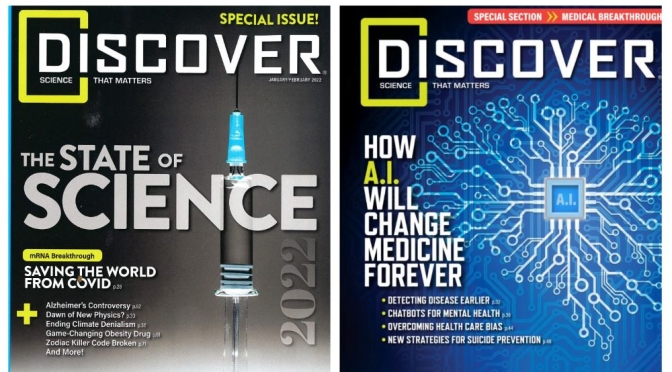
Discover Magazine (June 30, 2024): The latest issue features ‘Next-Gen Medicine’ – Recreating human organs on microchips; Inside the new Opioid Crisis; History’s strangest sleep study and Prehistoric Family Secrets…
From rendering animal testing obsolete to reducing HIV and preterm birth, Donald Ingber is making the future a reality.

MIT Technology Review (June 26, 2024): The new issue features The Play issue – Did you know you could surf in the desert? New pools make it possible–but at what cost? Learn how AI is bringing an unprecedented expansiveness to computer and video games and how high-tech supershoes are helping athletes run faster and more safely. Plus: Gamification was always a dubious concept–so how did it take over the world?
Gamification was always just behaviorism dressed up in pixels and point systems. Why did we fall for it?
Kenyan runners, like many others, are grappling with the impact of expensive, high-performance shoes.
AI-powered NPCs that don’t need a script could make games—and other worlds—deeply immersive.

The Guardian Weekly (June 19, 2024) – The new issue features Emmanuel Macron’s ballot box gamble – Could the far right gain political power in France? Plus: the record detectives fighting back against bootleggers
Spotlight | Kharkiv under siege
Luke Harding and Artem Mazhulin report from Ukraine’s second city where living conditions are increasingly precarious
Environment | The fight to save Norway’s arctic foxes
Captive breeding has helped reduce threats from predators and the climate crisis – but can the species survive long-term?
Feature | The vinyl frontier
John Harris meets the record detectives going after music’s retro bootleggers
Opinion | Starmer’s quiet man appeal
The UK Labour leader has been accused of being a “political robot”. But, argues Jonathan Freedland, that’s exactly why he’s so far ahead in the opinion polls
Culture | Alive and Kicken
On its 50th anniversary, culture writer Eliza Apperly pays tribute to the Berlin gallery that helped pioneer photography as an art discipline
World Economic Forum (June 15, 2024) – The top stories of the week include:
0:15 Mini-factories in space – Space Forge says its technology could revolutionize manufacturing. The satellites contain miniature manufacturing systems. They take advantage of the conditions in low-Earth orbit such as microgravity, extreme temperatures and a contaminant-free environment to forge materials that would be impossible to manufacture here on Earth.
1:53 Biodiversity credits explained – Nature is under unprecedented threat. Around 2 million plant and animal species could go extinct in the next few decades as climate change and habitat loss push ecosystems towards irreversible tipping points. To fight this crisis, experts are coming up with new ways to protect life on Earth by assigning value to the ecosystems around us. These innovations include biodiversity credits.
6:58 Nairobi switches to electric buses – Private minibuses called matatus are the main mode of public transport in Nairobi. Most matatus are old, diesel-powered and inefficient and 60% of the city’s population rely on them to get around. Electric mobility start-up BasiGo has built an all-electric alternative. The first bus rolled off its Nairobi production line in early 2024. Nairobi bus operators have already ordered 500 more. More than 90% of Kenya’s electricity is generated renewably, which means BasiGo’s buses are virtually emission-free.
8:40 How to build healthier cities – This architect designs buildings that bring communities together – Sumayya Vally grew up in post-Apartheid Pretoria, South Africa in what had been an Indian-only township and saw how division kept communities apart. Vally founded the Johannesburg-based architecture practice Counterspace to fight the built legacies of colonization and highlight the peaceful coexistence between communities.

The Guardian Weekly (June 13, 2024) – The new issue features ‘Blood Lines’ – The human cost of Europe’s cocaine habit’; The Far Rights surges across EU; A doughnut theory of the universe; The muscular rise of steroids…
In a week when much of the attention in Europe was on far-right political gains in the parliamentary elections, the Guardian Weekly’s cover shines a light on another of the continent’s disturbing undercurrents.
A Guardian investigation has found that hundreds of unaccompanied child migrants across Europe are being forced to work for increasingly powerful drug cartels to meet the continent’s soaring appetite for cocaine.
In cities including Paris and Brussels, gangs are exploiting the “unlimited” supply of vulnerable African children at their disposal, using brutal means to control their victims, including torture and rape if they fail to sell enough drugs, as they seek to expand Europe’s $13bn cocaine market.
Mark Townsend reveals the plight of the illegal trade’s child foot soldiers, while Annie Kelly explains the growing problem of cocaine use in Europe. And from Ecuador, Tom Phillips reports on how death and destruction follow the drug on its complex journey across the Atlantic.